Excess sugar consumption has been a critical public health matter for some years.
Too much sugar in our diet can contribute to health problems such as obesity and diabetes. Large amounts of sugar are often found in soft drinks such as fizzy drinks and fruit juices, as well as many of the foods we commonly eat, from cereals to sauces. For instance, just one can of cola can contain nearly nine teaspoons of sugar when our recommended sugar intake shouldn’t exceed 5-6 teaspoons per day.
“Please indicate whether your research will include patient and public involvement.” Ticks box.
Rapidly fading are the days when involving patients and the public in research is merely a tokenistic gesture, in favour of meaningful involvement and co-production.
Patient and public involvement (PPI) is research that’s carried out with and by patients, carers and public members, rather than to, for or about them. Co-production takes this one step further; here, researchers work with these individuals throughout the entire project – from start to finish. (more…)
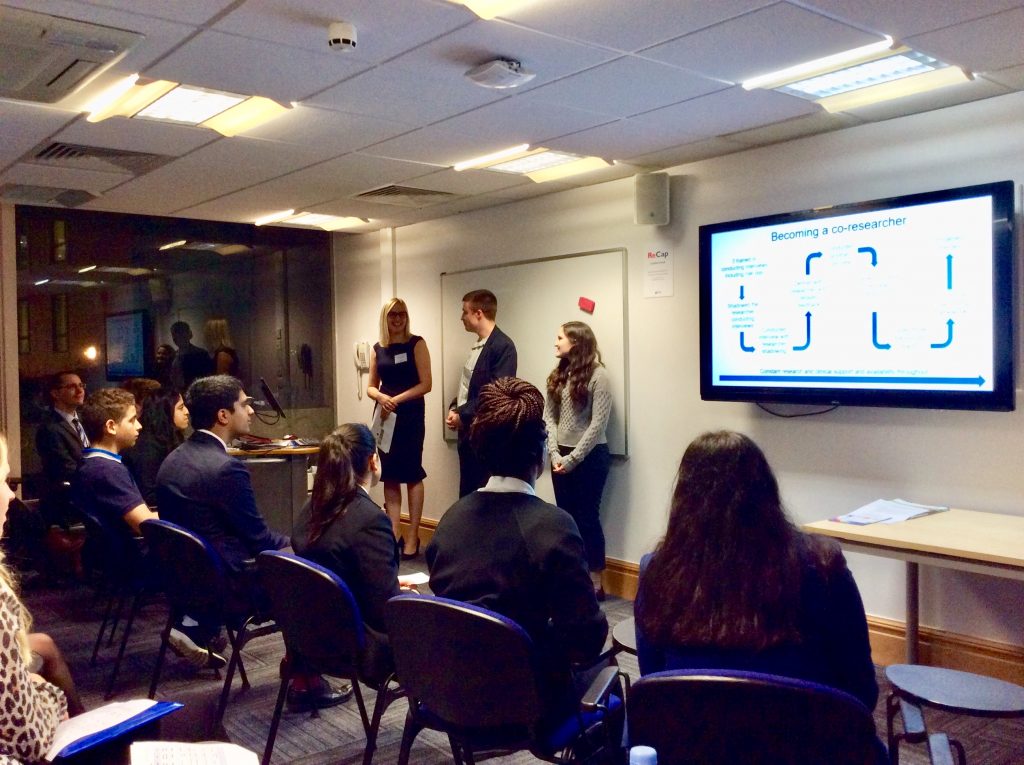
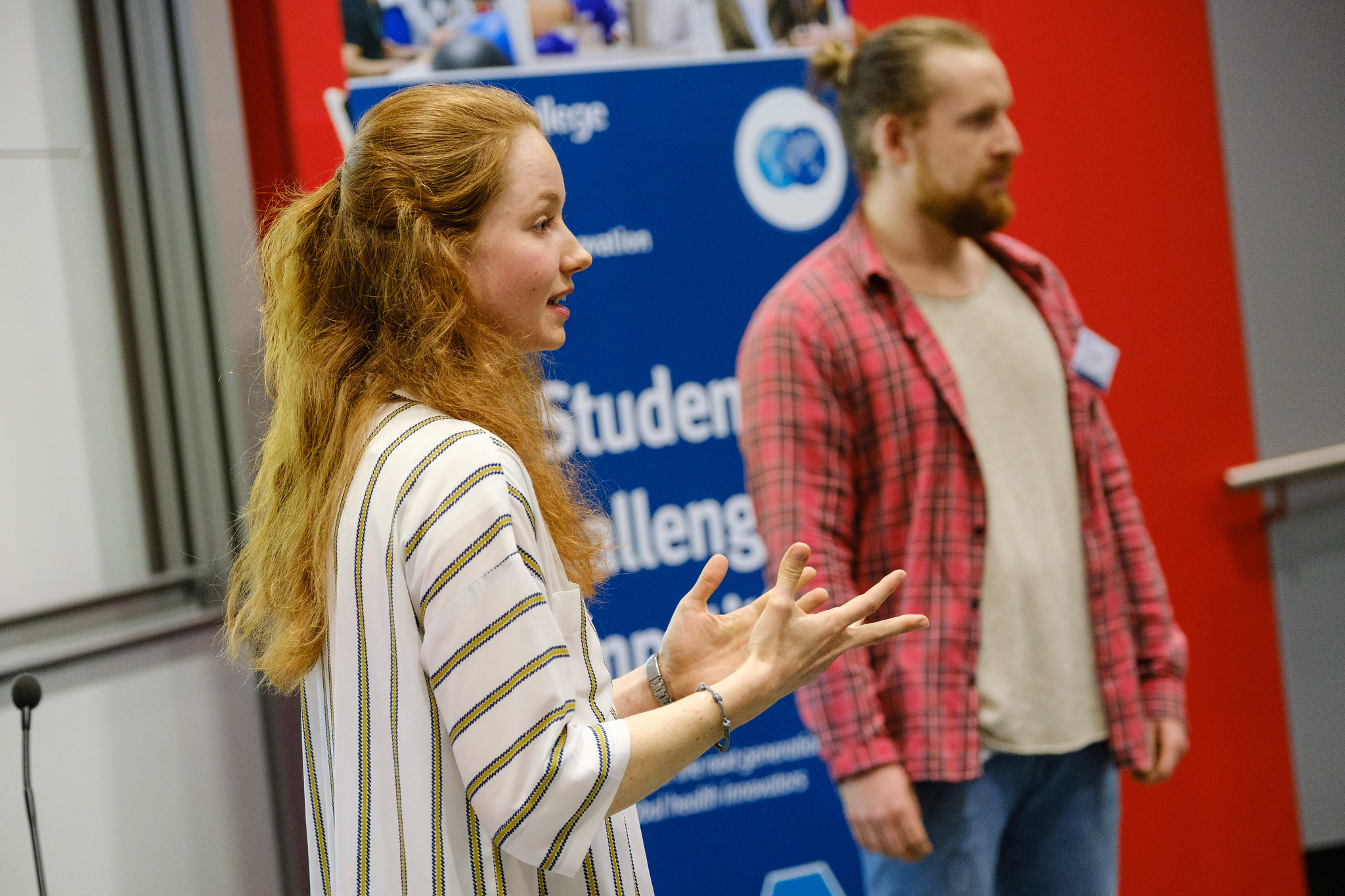
By Laura Braun, co-founder of Capta, 2018/19 winners of IGHI’s Student Challenges Competition
Parasitic worms affect more than one sixth of the world’s population (WHO). They target the most marginalised communities that lack safe water, sanitation, and health care. These worms, including hookworm and the flatworms that cause schistosomiasis, are contracted through contaminated water, soil or food.
By Saira Ghafur, Guy Martin, Niki O’Brien, Ivor Williams, Kelsey Flott and Ara Darzi, Institute of Global Health Innovation
As the global healthcare community has been consumed with managing the COVID-19 pandemic, a wave of cyber-attacks against healthcare organisations has emerged. Cybercriminals and hackers are upping the ante in creating more havoc and exploiting the fear and confusion that the COVID-19 pandemic has brought with it. The threat is global: Interpol even issued a warning signalling the need for healthcare organisations to be vigilant and aware of the heightened risk of cyber-attacks. (more…)
Type 2 Diabetes (T2D) is one of the greatest challenges currently facing the NHS, with growing levels of obesity contributing to a large increase in the numbers of people with the condition. The disease can lead to serious long-term health problems – including heart attack, stroke, kidney failure and sight loss – which have an enormous impact on the lives of patients and their families. And it is these complications that account for most of the healthcare activity and cost associated with T2D. (more…)
In the midst of a global pandemic, our people are continuing their endeavour to improve health and care. In this new series, we’re speaking to our IGHI community to find out how they’re adapting to working life amid coronavirus, and the unique opportunities and challenges this has presented them. (more…)
IGHI is home to a team of staff who are skilled and passionate about their roles. Our talented people are the reason we’re able to tackle some of the most pressing global health challenges through cutting-edge innovation.
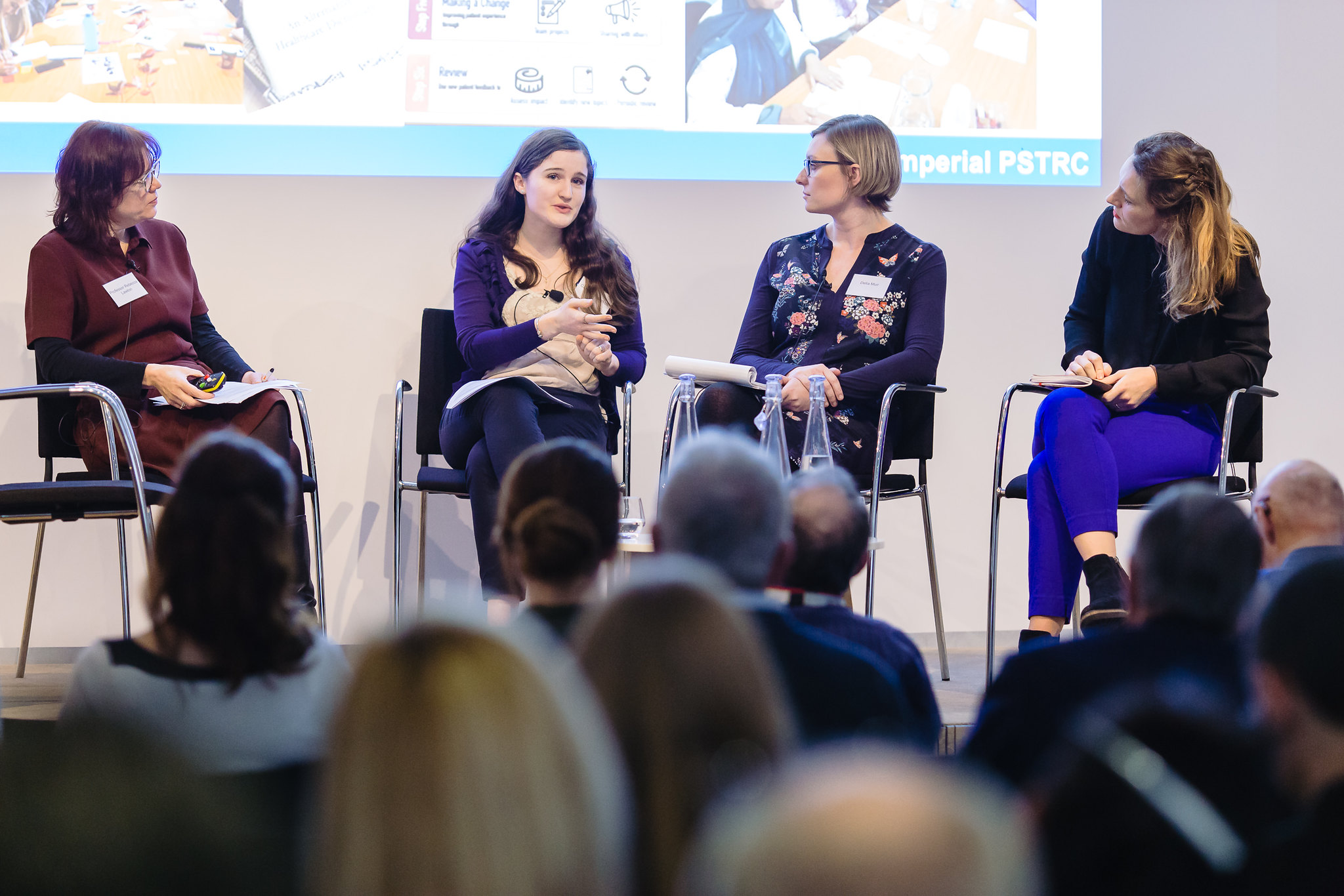
Caroline, second from the left, talks about her experience of being involved in our research at a symposium on patient safety.
Research is our bread and butter at IGHI. It lets us explore problems, ask questions, test ideas, make mistakes and learn from them. And after all that, find the right solutions to the issues we’re trying to address in healthcare.
None of this would be possible without people. But not only the brilliant researchers who are the driving force behind our progress. The patients, carers, public and healthcare professionals who devote their time to get involved and be part of our research play an invaluable role in what we do, too. It is through their knowledge and lived experience that we know we’re asking the right questions and chasing the right solutions.
This International Clinical Trials Day, we want to highlight why being involved in research is vital to make progress in healthcare, and shine a light on some of the people who are doing just that.
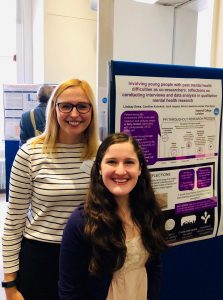
Caroline, right, presenting findings of the research she carried out with Lindsay, left
Caroline’s story
“I was studying social sciences in London when I first got involved in research at IGHI. I’d been wanting to gain some experience in carrying out research, beyond filling out forms and surveys. I’m really interested in mental health and try to keep my finger on the pulse with what’s out there. So when this opportunity landed in my inbox, looking for young people with lived experience of mental health difficulties to take part in a project as co-researchers, it immediately struck my interest.
“The study was exploring the use of technology to detect deteriorating mental health in young people. We were involved in every stage of the project, helping to shape the work in a way that was meaningful. Sometimes it can feel like involvement is a bit of a tokenistic gesture to fulfil the criteria of a grant, but Lindsay and Anna, the research lead and involvement manager, never gave me that impression. By involving us, they wanted to make sure that the research was asking the right questions, and that it was relevant and of interest to the young people she’s seeking to help through her work.
“After helping to guide the direction of the research, we were trained to carry out interviews with young people with mental health difficulties, and then to code the transcripts and help analyse them. We even attended conferences and shared our findings at various events, so we really got to take part from start to finish. That meant I could really see the impact of the work and how everything fits together.
“It also really impacted me; knowing you’ve played a part in something that will likely affect others going through what you’ve been through is a really rewarding experience. And off the back of this project, I’ve actually started computer coding and will be starting a master’s in computer science.
“Before I joined this research project, I wasn’t really sure of the difference I could make. But I was so wrong! I worried my contributions would be the obvious thing to say, but I realised having that lived experience really does add another perspective that’s needed in research. I would definitely do it again and encourage others to do so – you really can make a difference.”
Anna’s story
Anna engaging with the public at one of our pop-up events. Credit: James Retief
“I’m the Patient and Public Involvement and Engagement (PPIE) Lead at IGHI. My role is to support the meaningful involvement of patients, carers and the public in research.
“It’s great to see how people like Caroline have not only impacted the research, but also gained from the experience, including learning new skills and growing in confidence. That’s why it’s so important that engagement and involvement in research continues despite the current crisis. Although COVID-19 has meant that we’ve had to change the way that we do this, we’re learning a lot and finding that involving people virtually can still be a really valuable and successful process.
“For online meetings, for example, we use ice breakers like “What’s your favourite lockdown TV show or book?” to help remove hierarchy and find some common ground, before we get the group to work on a task together. We’re using live captioning on our online platforms so people can read what is being said as well as listen, which has not only been useful for those with hearing loss, but also helps visual learners to reflect more on what is being said.
“Due to not being in person to read body language or take people outside for a chat, there is a greater need to ensure appropriate safeguarding. For example, we offer to chat to people individually before the meeting and introduce them to the online platform, so they will be familiar with at least one person. For sensitive topics or with vulnerable people, we have clinicians either in the meeting or on-call (to support people, as needed). We also ask individuals to provide a friend/family member’s contact details and signpost to appropriate support services (e.g. SHOUT crisis textline).
“We’re also thinking about ways to involve seldom heard groups during COVID-19, for example by providing dongles, as people might not have access to WiFi or unlimited data. We recognise not everyone wants to, or is able to, interact online. We want to build on existing community groups (e.g. through a buddy scheme or phoning rotas), but we also understand people might have more immediate needs to tend to.
“My colleagues and I are very grateful to the amazing, altruistic people who, although some of their situations might not improve, want to be involved in research to help others. We’re glad to hear people enjoy the experience of giving something back to the NHS. I enjoy seeing researchers, clinicians and public members learning from each other and, particularly now, learning together during this pandemic.”
For the UK workforce, the challenge of mental health at work is significant.
There is an ongoing stigma that prevents an open discussion on the topic. And with more people working longer hours, uncertainty in job security and a lack of understanding about mental health, this a problem which has repercussions for both employers and employees.
By Mr Guy Martin, Clinical Lecturer, Department of Surgery & Cancer
The COVID-19 pandemic is the biggest health crisis the world has faced in a generation. It has led to an unprecedented reaction from every corner of the globe.

 By Laura Braun, co-founder of Capta, 2018/19 winners of IGHI’s Student Challenges Competition