In the midst of a global pandemic, our people are continuing their endeavour to improve health and care. In this new series, we’re speaking to our IGHI community to find out how they’re adapting to working life amid coronavirus, and the unique opportunities and challenges this has presented them. (more…)
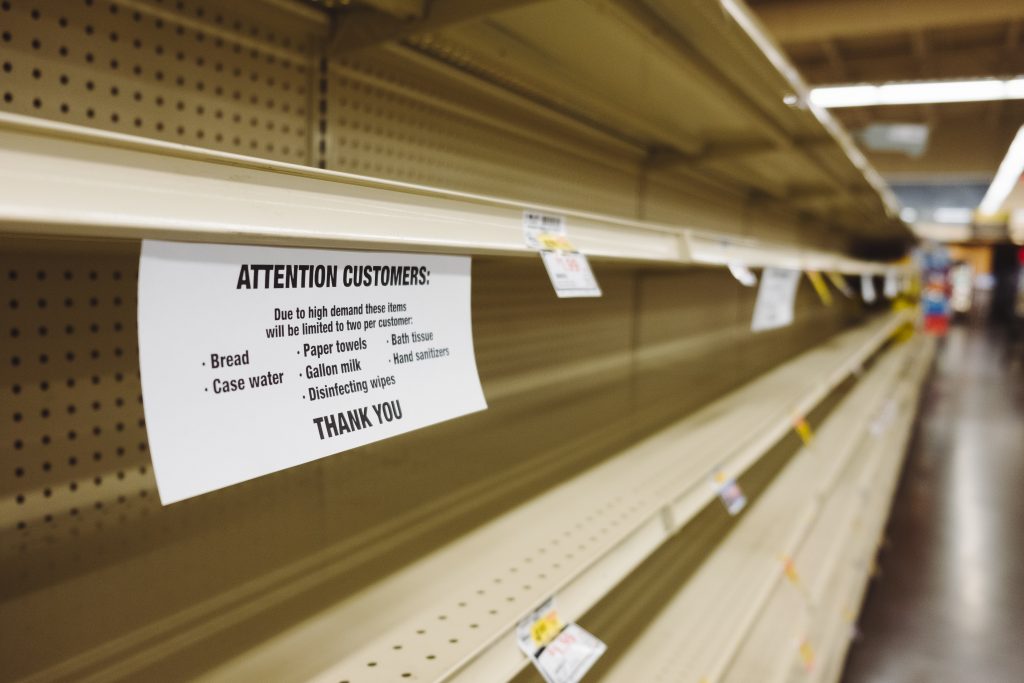
Empty supermarket shelves have become synonymous with life amid coronavirus.
But the impact of the pandemic on food security goes far beyond the common frustrations of stockpiling driven by fear and a scarcity of pasta.
Restaurants and catering outlets have closed, food markets have drawn their shutters, social distancing and sickness have massively burdened workforces, and restrictions on movement have created a chink in the supply chain. All of this has created immense pressure on supermarkets that are having to cope with the ever-increasing demands, on farmers who are losing their clientele and are unable to distribute their produce, and on families who struggle to put food on their plates.
With food, nutrition and health inextricably linked, we spoke with Dr David Nabarro, IGHI Co-Director and food systems expert, to explore this complex and pressing situation further and find out what it could mean for individuals, communities and governments across the world.
Is food security amid coronavirus being given due attention?
Dr Nabarro, WHO Special Envoy on COVID-19. Photo by Owen Billcliffe
“Every community needs to focus on food and other essential requirements that are becoming harder to access as a result of both the pandemic itself, and the containment measures that countries are having to adopt.
“These containment measures are not optional and are the only way to get on top of this pandemic. But they will interrupt the economy. And they are also driving a rapid increase in hunger in all regions across the world, particularly in developing countries, as poor people on daily wages or working in the informal sector are unable to collect the cash they need to buy their essentials for life.
“This is being exacerbated by anxiety-driven stockpiling that is causing prices of food to rise; in some areas we’ve witnessed a 5 or 6-fold increase in the rise of essential products like cooking oil and flour.
“This is a global issue, but it’s worse in poor settings, and it’s occurring with great speed. This is putting even more urgency on the need to establish public health defences everywhere, so that life can restart.”
What about other vulnerable groups?
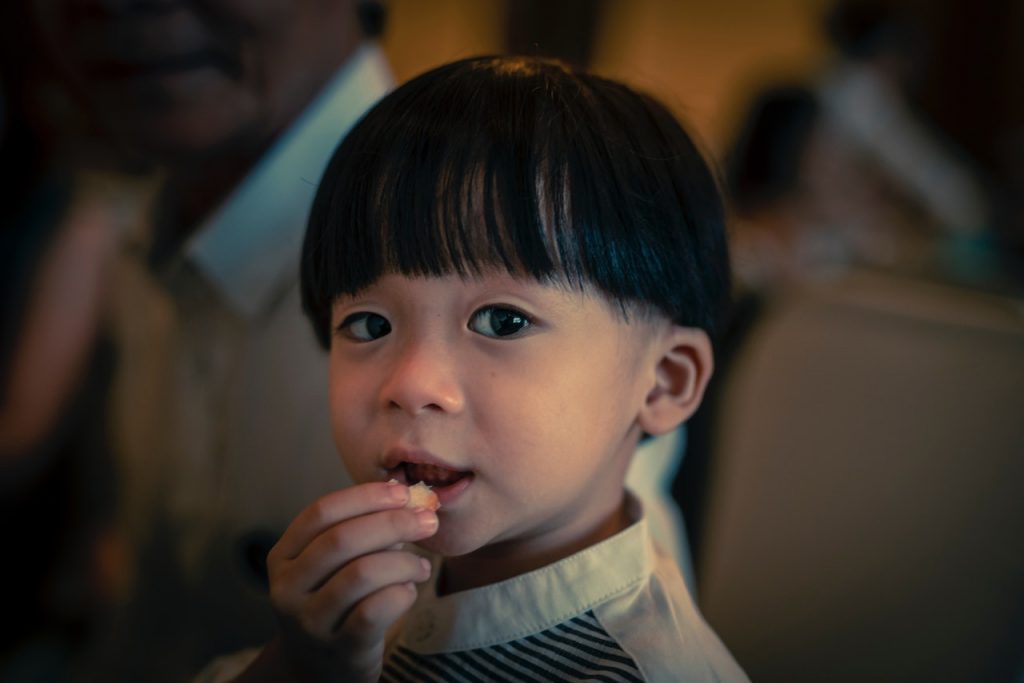
“Many school children get essential food intake from their school meals. With schools closed, these children are not receiving this valuable nutrition. This also means that households dependent on this free food are having to find the resources they need to feed their children.
“The same applies to old people receiving food support, such as ‘meals on wheels’, which may have stopped. So households are again having to find the extra cash to feed older people, too.”
Photo by Tra Tran on Unsplash
With governments fighting to prevent their economies from collapsing, is the onus being passed on to charities?
“In the past, many poorer people received a lot of support from NGOs, but these organisations are reporting a massive drop in their income. This is coming at a time when the world is going to depend on them more and more, and their capacity to respond will be limited. This is adding to an already massive problem.
“We are seeing huge increases in food insecurity and hunger, and they are only anticipated to worsen. If people can’t get food they will get frustrated, and they will move to places where they can find food. If they are prevented from doing so because of lockdowns, then this could cause unrest.
“There is therefore an urgency to sort this out, and I am engaging with people who are very focussed on this.”
And what about the farmers producing this food, how will they cope?
“Farmers will likely have difficulties accessing the things they need to produce food – seeds, fertilisers, etc. Farmers also need labour on their land, but worldwide restrictions on movement are creating problems sourcing workers. Looking ahead, this will generate supply issues.
“Farmers are also coping with a sudden crash in their markets due to restaurant closures, and with distribution issues due to restrictions on movement across and between countries, meaning perishable goods like fruits and vegetables are left to rot.
“All of these factors individually can make massive shocks to food systems. But taken together, this problem is huge, and it’s global. It is urgent we do something about it. And the only way we can get out of this is by concerted action and ensuring good quality public health in all communities.”
Photo by Kelly Sikkema on Unsplash
Who needs to take action to improve food security?
“Everybody has a role. Local authorities need to identify where there is hunger and provide targeted cash support. To prevent profiteering, local governments must also ensure that increases in the price of food are justified.
“Governments also need to make sure that people who work in the food sector are considered essential, like those who work in health. Finally, we must help farmers. Those falling short of cash as they are unable to distribute their food should receive help. We’re already talking to businesses about changing their distribution methods, shifting away from central distribution points to mobile methods that can more easily shift key items.
“But the most important thing is to know where people are hungry or likely to be, and making sure that they get support.”
What about us – what can we as citizens do to help?
“We all need to be prepared and willing to help where we can. Even in the most affluent societies, this kind of crisis can tip people over the edge into poverty. We need to be aware of this. And we need to keep giving to NGOs, who are experiencing a huge income drop. If we trust them, we should contribute, as they are able to get essential resources to people all over the world.
“And when this situation ends, we should revisit how we relate to farmers. They are so vital. Much like health workers, they have not always been treated with the respect that they deserve.”
Dr Nabarro is a WHO Special Envoy on COVID-19. He curates the Food Systems Dialogues and in 2018 won the World Food Prize In recognition of his successful leadership activities to galvanize policy-makers to prioritise food and nutrition.
By Dr Justine Alford, Communications Manager, IGHI
My journey into research communications was somewhat serendipitous.
During my undergrad in biology I’d become really passionate about HIV. I embarked on a PhD studying the virus in the lab, envisioning my name in scientific lights as I contributed towards a cure. The reality of pipetting minuscule amounts of liquid into test tubes while sporting an oversized bottle green lab coat was far less glamorous.
In the midst of a global pandemic, our people are continuing their endeavour to improve health and care. In this new series, we’re speaking to our IGHI community to find out how they’re adapting to working life amid coronavirus, and the unique opportunities and challenges this has presented them.
Right now, we’ve never been more grateful for the health and care workers who are tirelessly demonstrating their dedication to our health and wellbeing.
Supporting our health system, too, are many unsung heroes working away from the frontline. People who may have hung up their stethoscopes, but with the same determination to improve health and care.
Like Drs Jack Halligan and Natalia Kurek at IGHI, who both left medicine but are staying at the forefront of healthcare in different ways.
We caught up with Jack and Natalia to find out about their careers post-medicine, how they’re applying what they learnt in medical school, and what the COVID-19 crisis means for their roles. (more…)
In the midst of a global pandemic, our people are continuing their endeavour to improve health and care. In this new series, we’re speaking to our IGHI community to find out how they’re adapting to working life amid coronavirus, and the unique opportunities and challenges this has presented them.
In a matter of mere months, a new virus has completely changed the world. In the trail of destruction that coronavirus is causing, it has rudely propelled many of us into a new way of working.
Offices have closed, laboratories shut their doors, classrooms and lecture theatres emptied. But the world has not ground to a halt – the show must go on. At IGHI, our researchers are continuing their endeavour to improve health and care. In this new series, find out how our people are adapting to working life amid coronavirus, and the unique opportunities and challenges this has presented them. (more…)
People with breast cancer face a host of different treatments including chemotherapy and radiotherapy. For the majority of people facing a breast cancer diagnosis, surgery to remove the cancerous tumour is their primary treatment, with people either undergoing breast-conserving surgery or a mastectomy.
IGHI is home to a team of staff who are skilled and passionate about their roles. Our talented people are the reason we’re able to tackle some of the most pressing global health challenges through cutting-edge innovation.
We’re giving you the chance to get to know our staff a little better and learn about what motivates them in their roles, who inspires them and what they like to get up to outside of IGHI.
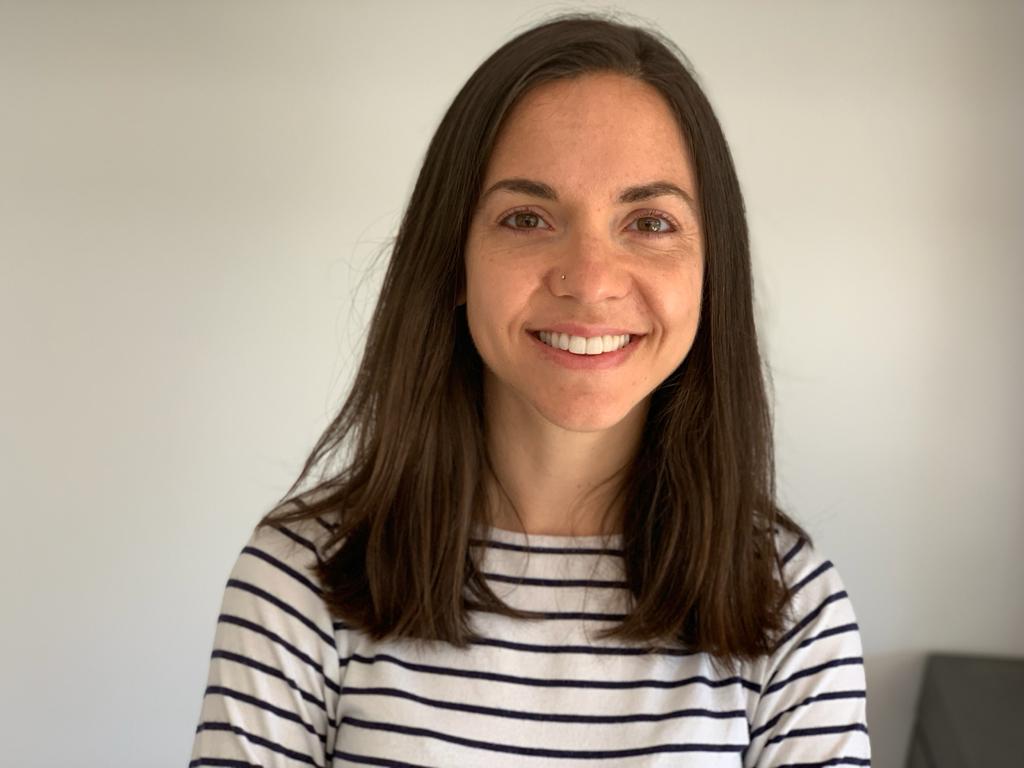
Meet Lily Roberts, a teaching fellow at the NHS Digital Academy. Learn more about her role and how Lily supports the next generation of digital leaders in health.
What does your role involve?
There are several facets to my role. Predominantly, I am the first point of contact for participants of the year-long NHS Digital Academy (NHSDA) PGDip programme and advocate for optimum student experience. I provide participants mostly with technical, academic, or pastoral support. I enjoy the latter the most as it allows me to connect with individuals on a personal level, and understand the barriers to their engagement and how I can support them further.
Throughout the year I collaborate with the wider team to make improvements to the programme based on participant feedback which we collect for each module. We also assess the participants many times throughout the year. I am in charge of coordinating the marking teams and, more often than not, I get involved with marking myself.
How would your colleagues describe you in three words?
My NHSDA colleagues would maybe say something like responsive, organised and kind. Whereas those in my office might say bonkers and surprisingly sassy!
What’s your biggest achievement to date – personal or professional?
It feels like a lifetime ago, but I was taught to play both piano and organ by my very talented late granny from age seven, and at 14, I achieved a Grade 8 Distinction in both. I have dark memories of being made to practise every day to earn my pocket money and the adoration of my granny. Somehow, I still enjoy playing (and love my granny) today. My favourites for the piano are Beethoven’s Pathétique Sonata and Chopin’s Nocturnes.
Who inspires you?
I find certain traits of the people around me inspirational; my older sister Florence is a police officer and I think she’s really brave (and crazy). My granny can reel off hours of stories from years and years ago and I’m always in awe of that (how much of it is true we will never know!).
My partner inspires me to be confident in myself and to invest in stocks (he’s an accountant – previously I would have said Bitcoin, but that word is banned from our house). And working at IGHI I am inspired every day by my incredibly clever colleagues who are always producing really interesting work.
If you had a superpower, what would it be?
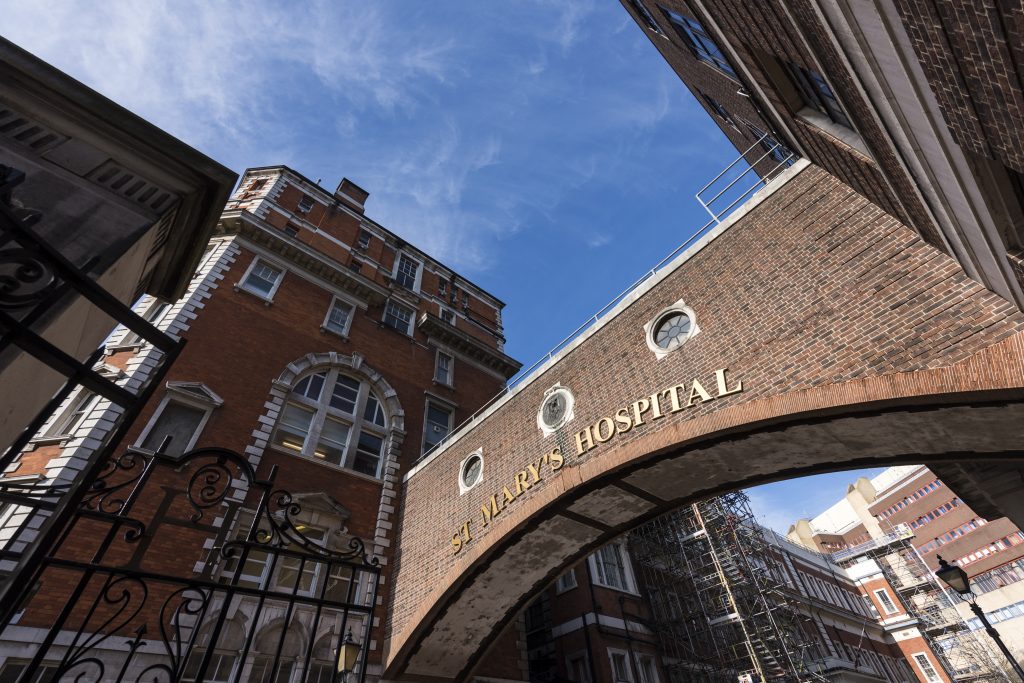
Probably teleportation? I really miss my family and friends over in New Zealand and would love to be able to head over for a weekend here and there, pop into my favourite cafes, go for a swim at the beach, visit the New Zealand sheep. I’d then teleport straight back to our office in St Mary’s Hospital on Monday at 9 am with some Whittakers chocolate for my colleagues.
What’s your guilty pleasure?
I have quite a few! I enjoy true crime podcasts. I haven’t yet found one which matches the perfection of Serial, Season One but I’m a loyal listener of My Favourite Murder and All Killa No Filla. I’ve always had a sweet tooth. Much to my delight I’ve found apple crumble can be adapted to a relatively wholesome breakfast choice. I’ve also got a slight addiction to buying activewear. I’m one of those people who wears activewear even when they’re not exercising, but you never know when you’ll need to run from something (I clearly listen to too many true crime podcasts!).
By Mr Daniel Leff, Consultant in Oncoplastic Breast Surgery at Imperial College Healthcare NHS Trust and Reader in Breast Surgery at Imperial College London
I became curious about surgery as a speciality in my final year of medical school training at Imperial. In my early post-graduate years, I finally decided upon a career in surgery when I witnessed the direct impact it had on improving patient outcomes. I relished the technical challenge of balancing the cancer surgery on one hand, with the need for high-quality aesthetic outcomes on the other.
 By Dr Justine Alford, Communications Manager, IGHI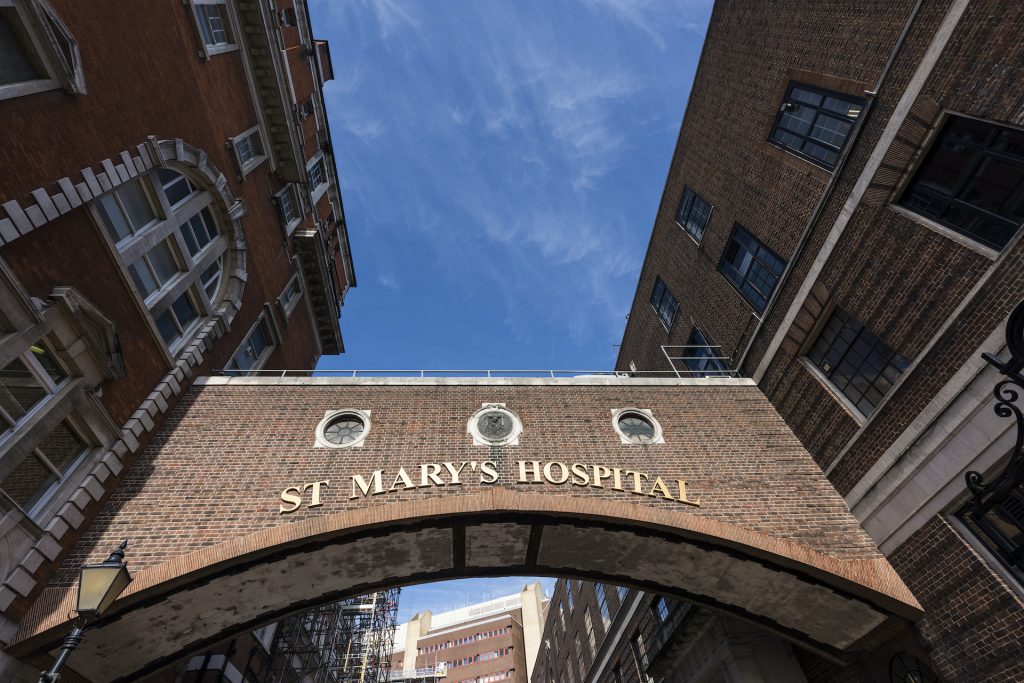
 Each year, there are approximately
 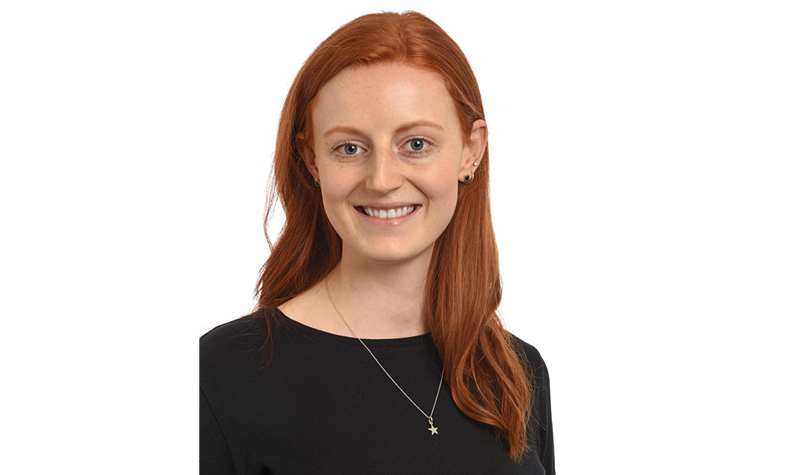 IGHI is home to a team of staff who are skilled and passionate about their roles. Our talented people are the reason we’re able to tackle some of the most pressing global health challenges through cutting-edge innovation.