Category: Helix Centre

Co-designing for change: Imperial and Jason Roberts Foundation Partner to Tackle Prostate Cancer Inequalities through the ‘messenger effect’

In partnership with the Jason Roberts Foundation, our team at Change Lab has been exploring how to better support Black men, when it comes to understanding prostate cancer and encouraging participation in early detection initiatives. This project was generously funded by the Bob Willis Fund and its work forms part of the LIMIT study which is contributing to wider efforts to make diagnostic research more accessible, inclusive, and responsive to the needs of communities often underrepresented in uptake of cancer testing.

The LIMIT Study tests a new MRI scan that can take place in the community and allows for prostate cancer to be detected in just 5-minutes.


Why Early Detection Matters

Prostate cancer is the most common cancer in men in the UK. While significant progress has been made in improving how we detect it, early diagnosis remains a challenge, particularly for groups at higher risk. Approaches that use Magnetic Resonance Imaging (MRI) support early detection, such as those developed in trials like ReIMAGINE and Prostagram.

Black men face twice the risk of being diagnosed with and dying from prostate cancer compared to men of other ethnicities. In the UK, 1 in 4 Black men will develop prostate cancer, with 1 in 8 succumbing to the disease. In contrast, men of other ethnicities face a 1 in 8 lifetime risk and a 1 in 24 chance of mortality.

The ReImagine study also revealed that Black men were significantly less likely to respond to traditional GP-led screening invitations, with response rates only one-fifth that of other men. This gap highlights the urgent need for culturally tailored evidence-based engagement strategies.

Therefore, this project focused on partnership with a local Northwest London community organisation to co-create new approaches to improve uptake of prostate cancer testing in the Black community.

Change Lab formed a Patient and Public Involvement and Engagement (PPIE)_ group who helped shape the design of workshops that took place at the Jason Roberts Foundation (JRF) in Harsleden London. The JRF is a community organisation working at the intersection of sport and development, investing in local communities to change outcomes for the most marginalised and is recognised locally as a key community hub and have supported awareness of the importance of prostate cancer testing among their networks.

Exploring the Role of Trusted Messengers

A core element of the project was the idea of the messenger effect – a behavioural science principle that suggests people are more likely to act on health information when it comes from someone they know or trust.

To explore this, the Change Lab team co-designed screening invitation materials with a group of men from different Black backgrounds who were over 45, including those with personal or family experience of prostate cancer. These materials aimed to make information about prostate cancer feel more accessible, relevant, and community-led. This took place through a series of workshops at the centre that resulted in one of the leaders from Jason Roberts Foundation, Head of Culture, Michael Adams synthesising these invites into community relevant materials such as a leaflet, video and WhatsApp message.

A Partnership Built on Trust and Local Knowledge

The collaboration with the Jason Roberts Foundation was a key part of this work as the community are experts by experience on how best to inform health improvement from the perspective of the Afro-Carribean community. The Foundation already had strong relationships with the local community and a shared interest in raising awareness of prostate cancer among underrepresented groups. As a result of this partnership, the Foundation have also began regular ‘health checks’ for community members where local people can come and have their blood pressure monitored at JRF.

Together, the Change Lab and JRF team:

  • Co-hosted workshops and forums to talk openly about prostate cancer and identify what types of messages and messengers would resonate most
  • Developed posters and video materials with input from the community
  • Ensured messaging was shaped by the experiences and voices of those most affected

This work was not about creating one-size-fits-all communications for the Black community. It was about working alongside communities to ensure that health messages reflect their realities, values, and needs as well as create materials that will resonate with improving uptake of cancer testing in the Black community.

Informing Future Research

The materials developed through this collaboration are due to be presented at a Prostate Cancer UK Roundtable. We hope that these insights will help shape the design of future studies, including the new £42 million national prostate cancer screening pilot.

The project also contributed to broader outreach work, including a segment aired on Sky Sports’ Blue for Bob Day 2024, in a cricket match between England and the West Indies, developed with input from the PPIE group and filmed at the Jason Roberts Foundation. These opportunities help raise awareness and ensure that conversations about health are happening in more places, with more people.

Next Steps

At Change Lab, we continue to reflect on how research can be more inclusive and responsive. Our work with the Jason Roberts Foundation is just one example of how university-community partnerships can help shape more equitable approaches to health.

By listening to and learning from those with lived experience, we aim to support research that not only improves outcomes but also builds trust and relevance across underrepresented communities.


Designing healthcare for people and planet

This blog was co-authored by Helix Centre designers Sophie Horrocks and Tori Simpson.  

What if every act of care also cared for the planet?

From care pathways to medical products, healthcare can (and must) be designed to minimise waste, reduce emissions, and protect planetary health. This is not a distant vision, but an urgent necessity. As the world’s leading designers gather for the World Design Congress themed Design for Planet, here at the Helix Centre, we are exploring what it will take to make this ambition a reality, and the role human-centred design in healthcare can play in achieving it.

The connection between climate change and human health is increasingly clear. More frequent and severe heatwaves, floods, droughts, and storms directly harm health through injuries, heat stress, and other acute impacts. These events also indirectly affect communities by altering the spread of infectious diseases, driving food and water insecurity, damaging infrastructure, and deepening existing inequities. Together, they contribute to excess deaths and worsening physical and mental health outcomes (Haines et al., 2006; The Lancet, 2024).

Healthcare is also part of the problem. Globally, health systems produce around 5% of national CO₂ emissions in OECD countries (Pichler et al., 2019). In the UK, the sector accounts for 4–5% of total emissions, with the NHS in England responsible for about 40% of the public sector’s footprint (British Medical Association, 2024). At the same time, the climate crisis threatens the resilience of healthcare itself, with extreme weather disrupting services and rising health burdens straining already stretched systems.

These twin pressures highlight the urgent need for sustainable healthcare. By this, we mean the provision of health services in a way that meets the needs of today’s populations without damaging the health (or the ability to meet the healthcare needs) of people separated from us by time, geography, or socioeconomic status.

The challenge is significant, but it also highlights healthcare’s huge potential to drive change. Designing sustainable healthcare involves navigating trade-offs, such as balancing sterility requirements with reducing the footprint of medical equipment, while also seizing “win-wins” that benefit health, the environment, and even social and economic wellbeing.

At the Helix Centre (and Imperial College London’s Institute of Global Health Innovation more broadly) we’re exploring this challenge through six “wicked problems” at the crossroads of healthcare and sustainability. We have mapped these onto a matrix with the following axes, and for each, we share how we define the issue, present a case study of inspiring work in the field, and highlight sessions we plan to attend at the World Design Congress to deepen our understanding.

Through this article, we aim to open a conversation on how designers and other practitioners working in healthcare delivery (ourselves included) can integrate sustainability challenges into the heart of their work. If these themes resonate with you, we’d love to hear your ideas and examples and explore together how we can create healthcare systems that protect both people and the planet – get in touch with us at climate@helixcentre.com.

Graphic showing a matrix of 6 "wicked challenges" in healthcare and design


Graphic showing a matrix of 6 "wicked challenges" in healthcare and design

Materials Waste: Cutting the waste without cutting safety

What is the issue?

Every year, NHS England providers produce 156,000 tonnes of clinical waste. Tackling this could unlock major wins for both the environment and patient care. However, the answer isn’t simply reusing equipment. In healthcare, there is a complex trade-off between maintaining sterility requirements and limiting the environmental impact of medical equipment, particularly given that many essential items such as syringes and personal protective equipment (PPE) are single-use (Nicolet et al., 2022). Sterilising these single-use items for reuse can often be as carbon-intensive as replacing them after each use.

What is being done?

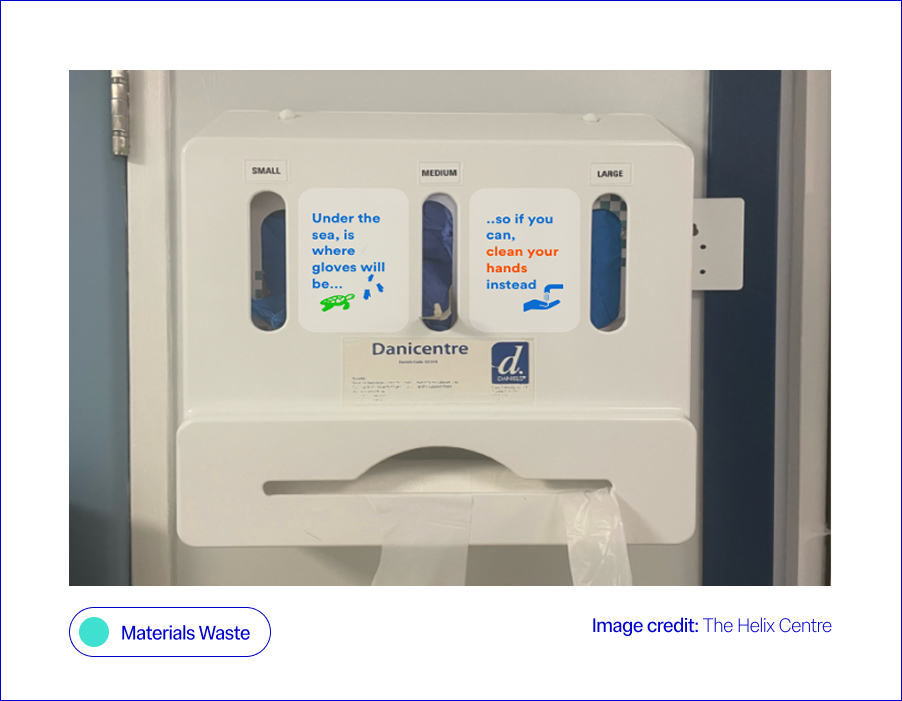
At Helix, we worked with a large NHS provider to test a behavioural “nudge” (a small design change that makes the sustainable choice easier without restricting options), aimed at improving hand hygiene practices and reducing the over-reliance on gloves. On hospital wards, glove use had become the default during the pandemic, often replacing standard hand hygiene practices like washing hands or using alcohol gel. To help staff return to safer, less wasteful habits, we co-designed a sticker for glove dispenser boxes, reminding staff when gloves were really needed. This small prompt (our “green nudge”) led to an 11% increase in hand hygiene compliance, meaning staff cleaned their hands more often at the right times, usually by washing with soap and water or using alcohol gel, in line with official guidelines (Blair et al., 2024). Outside of Imperial, the DesignHOPES team has worked with NHS staff to co-design a reusable theatre cap, designed to replace the current single-use ones. This intervention not only reduces waste but has also allowed for the personalisation of clinicians’ theatre caps, creating further wins for patient safety and staff identification. The Design for Life programme outlines an agenda and six fundamental challenges for our healthcare system in developing and embedding a circular system for medtech products. 

Where we’ll be at the World Design Congress to learn more:

Waste not, want not: from waste to wonder – a conversation between Sophie Thomas, Paula Chin, Adam Fairweather, Jo Barnard and Yaseed Chaumoo


Graphic showing a matrix of 6 "wicked challenges" in healthcare and design

Sustainable Services: Designing care pathways that care for people and the planet


What is the issue?

Care pathways are major contributors to the healthcare system’s carbon footprint. Fewer hospital visits, simpler procedures, and reduced prescribing could deliver large savings (NHS England, 2021). In summary, implementing quality improvement across care pathways with sustainability in mind can be a win-win in terms of environmental impact and patient outcomes (Health Foundation, 2025). Many trusts within the NHS are already assessing services against the Centre for Sustainable Healthcare’s all-encompassing definition of sustainability, which considers environmental, social and financial impacts as the foundational pillars in achieving sustainable services (NHS England, 2025). Alongside care pathways, food and transport services are listed as focus areas for the NHS’s green transition, cited as services that, if delivered more sustainably, could have a high impact on the NHS’s carbon footprint, with the two mentioned services comprising 20% of the health service’s total emissions (World Health Organisation, 2025). 

What is being done?

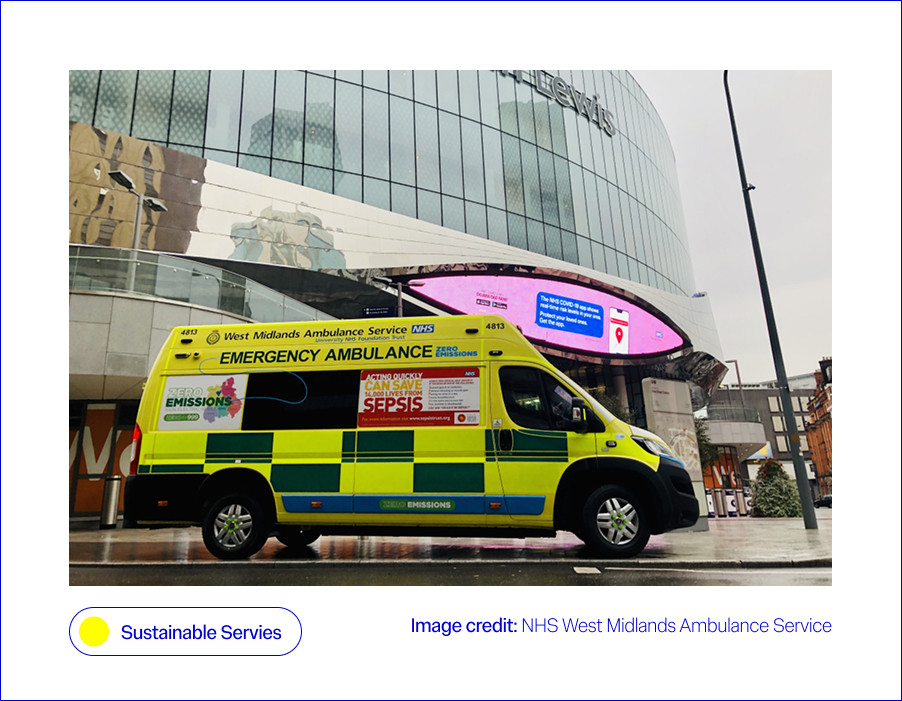
Within Imperial, Matthew Harris explores opportunities for bidirectional learning between the NHS and low-income countries, including the implementation of various “frugal innovations” that use fewer resources to deliver healthcare, without compromising patient safety or clinical outcomes (Brown et al., 2023). Further afield, the GIRFT programme at Exeter University is developing a toolkit to map current carbon emissions and predict their impact on sustainability, financial aspects or care, patient outcomes, and equity of access. Within the NHS, the world’s first zero-emissions ambulance is being trialled in the West Midlands, setting an example for how other trusts can roll out more sustainable transport fleets, with the potential for dramatic carbon savings, given the NHS fleet is the second largest in the country (NHS England, 2023).

Where we’ll be at the World Design Congress to learn more: 

From Lab to Launch: How design accelerates Global Impact – an unconference with Paul Rodgers, Pete Broadbent, Suraj Vadgama, and Edward Hobson


Graphic showing a matrix of 6 "wicked challenges" in healthcare and design

Technologies: Can digital health go green?

What is the issue?

Technology, such as digital tools and remote monitoring to support care, is central to the NHS’s plan to cut emissions. Reduced transport costs, greater efficiency, and a focus on digital preventative care are all given as examples of how better use of technology could fast-track the NHS’s green transition (HSJ Information Ltd., 2025). However, with the intention to use AI systems to support many of these technologies discussed in the NHS’s recently released 10-year plan, it is important to consider the environmental impact of these technologies when implementing them (NHS England, 2025). It is estimated that globally, the data centres that power the technologies in question accounted for around 1.5% of global electricity consumption in 2024, with this consumption projected to grow by 15% per year (International Energy Agency, 2024). Similarly, a single data centre on average uses 300,000 gallons of water a day for cooling, enough electricity to power 100,000 homes (Ziegler, 2024). Finally, the move towards a more technologically enabled NHS also comes with a risk of digital exclusion for vulnerable parts of the population, which must be carefully considered within the transition (Health Innovation Network, 2023).

What is being done?

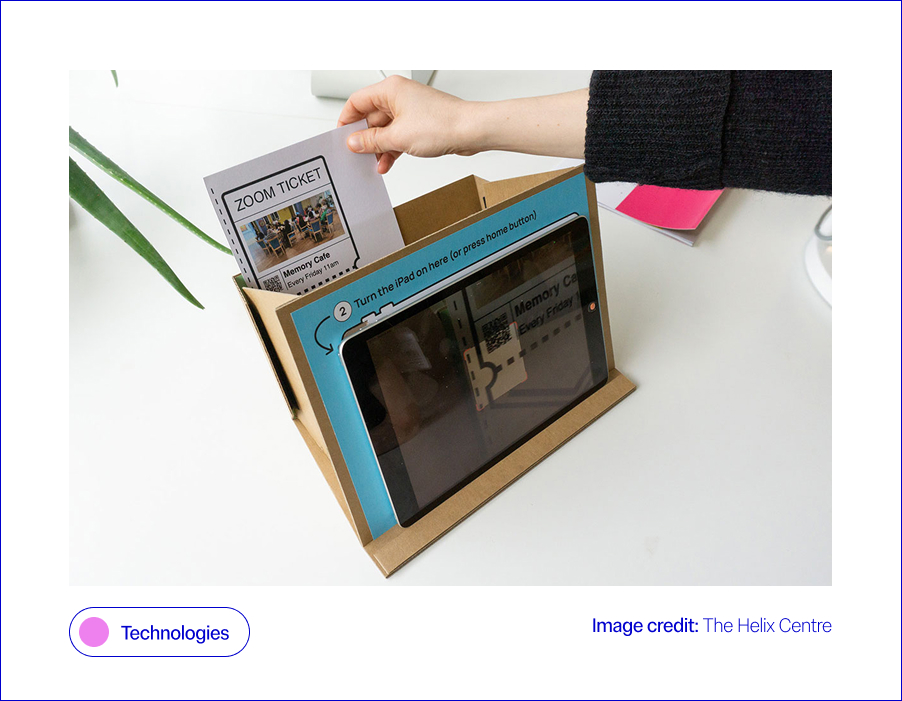
Previously, Helix collaborated with the London Office of Technology and Innovation (LOTI) to create a prototype system to support people with little experience of technology to participate in online meetings, mitigating the risk of digital exclusion as the healthcare system transitioned more to online engagement, following COVID-19, a decision that had a knock-on positive effect on carbon emissions (Rothwell et al., 2023). Within IGHI, Aws Almukhtar, supervised by Gaby Judah and Daniel Leff, is embarking on a project that will demonstrate surgical simulation as a novel research tool for testing and refining behavioural interventions designed to decrease carbon emissions from operating theatres. By testing interventions in simulated operating theatres, researchers can identify and refine the most impactful new approaches that improve sustainability and cut waste while maintaining quality before they ever reach a patient. Importantly, surgical simulation makes it possible to explore interventions, such as eco-labelling surgical instruments, that could not be tested feasibly in live operating theatres without prior supporting data.

Where we’ll be at the World Design Congress to learn more:

Communities, AI, and Collective Impact – a panel discussion between Sevra Davis, Michael Bennett, Suma Balaram Schippers, Anne Asensio, Bharat Kapoor, Dr Ramit Debnath, Michele Morris, Jayden Ali, Mattie Yeta, and Dr Geke van Dijk



Graphic showing a matrix of 6 "wicked challenges" in healthcare and design

Architecture: Hospitals built for a sustainable future

What is the issue?

Hospitals are among the most carbon- and energy-intensive buildings, with 24/7 operations, complex equipment, and high heating and cooling demands. A 2024 systematic review highlights that hospitals contribute disproportionately to health sector emissions, with key drivers including energy use in buildings, embodied carbon in construction (the emissions tied to materials and construction), and waste streams (Public Health, 2024). Smarter building design and retrofits offer a clear path to reducing this impact. Alongside materials, “invisible” systems like ventilation or plumbing also affect sustainability performance and patient wellbeing. Climate change exacerbates these challenges, demanding that 

hospital architecture becomes not only resilient to extreme weather, for example, floods and heatwaves, but also adaptive to future innovations. This means buildings must embrace digitally enabled architecture, where the physical fabric supports integration of new health technologies, automation, and data-driven energy systems (Design Council, 2021). In the context of architecture, sustainability is multi-layered, spanning bricks, wires, and human experience.

What is being done?

Responses span both future visions and practical action. Ab Rogers Design’s Living Systems reimagines hospitals as therapeutic spaces that integrate light, nature, and flexible layouts (RIBA, 2021). At a system level, the NHS Net Zero Building Standard (2023) is shifting net zero from exception to expectation. A powerful real-world example comes from Milton Keynes University Hospital, which re-roofed estate buildings and installed 2,586 solar panels. In 2021, these generated 853 MWh of electricity (around 8% of the hospital’s demand), cutting emissions, saving more than £225,000 annually, and improving patient comfort. The Trust plans to expand to 3,400+ panels, covering 15% of its needs (NHS England, 2021). Improving building resilience is also key: Loma Linda University’s hospital in California was designed to withstand seismic shocks, while UK trusts are retrofitting with double glazing and smart systems to reduce energy demand (Arup, 2023; BBC, 2023). Architectural consultancies like Buro Happold emphasise the need for adaptable hospitals that can withstand climate uncertainty while supporting patient wellbeing. Together, these examples show sustainability in healthcare estates is no longer aspirational; it is becoming standard practice for safer, greener patient care.

Where we’ll be at the World Design Congress to learn more:

Design for Planet In Action: Fabrication, Futures, and Frontlines. Featuring: Samson Sahmland-Bowling, Peter Gitau, Alba Suárez Zapico, Charles Cambianica, Bethany Koby, Shajay Bhooshan

Building for the Future with Zoe Balmforth, Cameron Frayling, Hélène Chartier, Michael Pawlyn, Joanna Rowelle, Vanessa Miler-Fels


Graphic showing a matrix of 6 "wicked challenges" in healthcare and design

Communities: From hospitals to healthy communities

What is the issue?

NHS England’s Greener NHS strategy identifies “models of care” as a priority, recognising that moving services from hospitals into communities can significantly reduce emissions while improving quality of and access to care (NHS Long Term Plan, 2019). This has been further emphasised by the recently released NHS ten-year plan, which sets out a vision for a “Neighbourhood Health Service”, which shifts care into local communities, to “reintegrate healthcare into the social fabric of places” (Department of Health and Social Care et al., 2025). Hospitals are resource-intensive, whereas community-based services allow greener, more localised alternatives through hub-and-spoke systems and preventative care. 

This shift is also vital for addressing the intertwined challenges of mental health and resilience in the face of climate change. Community-rooted care can provide both clinical and psychosocial support, enabling individuals and communities to adapt to climate-related stresses while easing pressure on hospitals. Community-based approaches, from preventative interventions to green social prescribing, demonstrate how models of care can reduce emissions while strengthening people’s physical and mental wellbeing (NHS England, 2021). Finally, any discussion of the built environment would be incomplete without noting the positive effects that access to nature and green space can have on health, mental wellbeing, and social connection, a powerful win-win where greener care spaces enhance both patient outcomes and climate resilience (Loveard, 2025). Ultimately, the challenge is not only to cut carbon but to reimagine care systems that also foster resilience, equity, and sustainability.

What is being done?

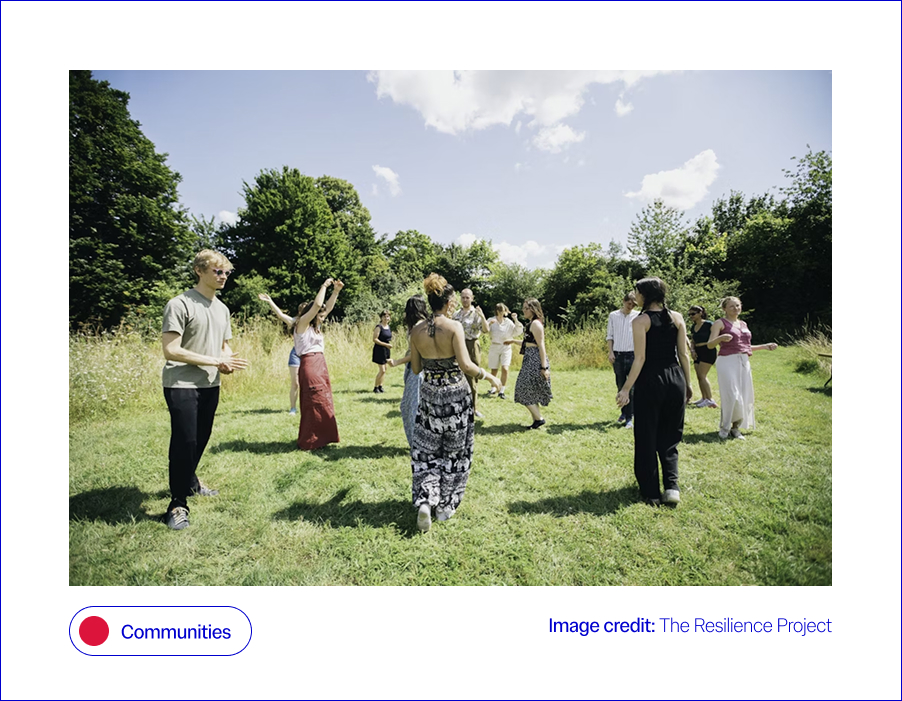
Innovative responses are emerging across different contexts. Within Imperial’s Institute of Global Health Innovation, the Climate Cares Centre is working with young people in the Philippines, Australia and the Caribbean to understand psychological responses to the climate crisis and co-design supportive interventions (Rising Faster than the Sea Levels). Climate Cares is also working to align climate change education and mental health support in schools and universities to support resilience building (the Compass Project). Climate Cares also works to connect and amplify existing initiatives around the world, such as ECO-MAMA, in Rwanda, which empowers women to safeguard mental health during climate stressors through an AI chatbot, and The Resilience Project in the UK, Europe and East Africa, which strengthens wellbeing through emotional regulation skills and social connection.

These programmes illustrate how initiatives can build resilience while broadening the ways in which care and wellbeing support are delivered. Building on this, research led by Matthew Harris has championed the role of community health worker models, drawing on international experience to strengthen local health delivery (Imperial College London, 2021). At the system level, the NHS has also expanded green social prescribing pilots, embedding nature-based activities into care pathways to support wellbeing and healthcare sustainability (NHS England, 2021). Together, these efforts sit within the broader framework of the NHS 10-Year Plan, which sets out a national roadmap for embedding greener, more personalised, and more resilient systems of care (NHS Long Term Plan, 2019).

Where we’ll be at the World Design Congress to learn more: 

Communities, AI, and Collective Impact featuring: Dr Geke van Dijk, Jayden Ali, Michael Bennett, Michèle Morris, Sevra Davis, Suma Balaram Schippers, Anne Asensio, Bharat Kapoor, Mattie Yeta, Dr Ramit Debnath


Graphic showing a matrix of 6 "wicked challenges" in healthcare and design

Systems and policy: From policy to practice: embedding green healthcare

What is the issue?

Sustainable healthcare requires action at every level, from national policy frameworks to the day-to-day choices of staff and patients. The climate crisis can feel like an added pressure for already stretched health systems, but there are clear “win–wins” to be found; just as insulating homes can cut energy bills and improve health whilst reducing emissions, similar opportunities exist in healthcare when policy and practice align. Top-down change is essential for embedding sustainability into governance, investment, and regulation, setting the conditions for lasting change. Simultaneously, bottom-up engagement is equally vital: sustainability can feel overwhelming or abstract for those working on the front line, so it matters how staff and communities understand and shape what is achievable in practice. Embedding resilience, therefore, requires not only policy and infrastructure but also a workforce that is equipped, supported, and motivated to act. Without this support, the resilience of the health workforce itself is at risk, with overwhelm and burnout threatening the very capacity needed to deliver sustainable care (Lawrence et al., 2024).

Behaviour change is a critical link between these levels; while many people recycle diligently at home, they may not apply the same habits at work or in public spaces such as hospitals. This underscores the importance of cultural as well as technical shifts, and the need to prioritise collective action, rather than an overemphasis on individual responsibility  (Lawrance et al., 2022; van den Berg, 2015). Ultimately, progress depends on aligning ambitious policy with everyday behaviour change, supported by training and upskilling that empowers people at every level of the system (Michie et al., Behaviour Change Wheel).

What is being done?

Change is being driven from both the top down and the bottom up. At the policy level, the Health and Care Act 2022 made the NHS the first health system globally to embed statutory net zero and environmental duties into law, requiring NHS England, trusts, and integrated care boards to factor sustainability into their decisions (NHS England, 2022). This commitment is reinforced by the wider NHS Net Zero plan and efficiency-focused programmes such as Getting It Right First Time (GIRFT), which cut waste and emissions while improving care (GIRFT, 2024). At the organisational level, Green Plans provide a framework for trusts to set out three-year roadmaps towards more sustainable estates and services (NHS England, 2021). 

Alongside this, bottom-up change is supported through training and workforce development: for example, the Climate Cares Centre at IGHI co-developed an Apolitical course, equipping policymakers with the knowledge and skills to address climate change and mental health simultaneously. Behavioural interventions are also crucial, helping staff to embed sustainable habits in clinical and operational settings; bridging the gap between what people already practise at home, like recycling, and what feels achievable in a healthcare context. To accelerate progress, policy must scale up these “win–wins” that make sustainable choices easier, so patients, staff, and organisations alike can help drive a greener future, through both everyday decisions and long-term strategies.

Where we’ll be at the World Design Congress to learn more: 

Designing the Economy We Need: Missions, Doughnuts, and Radical Collaboration with Mariana Mazzucato, Kate Raworth, Danny Sriskandarajah


Closing statement

The climate emergency is reshaping how we think about the way we provide healthcare. But this is also a design opportunity: to build systems that are not only safer and more effective, but also sustainable, resilient, and equitable. At Helix, we see our role as creating the conditions for this transformation: using human-centred design to tackle the toughest challenges at the crossroads of health and sustainability. The World Design Congress is a chance to learn, to share, and to build alliances with others who are equally committed to designing for the planet. Our contribution is to bring healthcare into this conversation, surfacing challenges, testing solutions, and creating space for collaboration. Beyond the Congress, we hope to serve as a bridge between designers and healthcare systems, so that bold ideas can become practical realities. By recognising these trade-offs and scaling the win–wins, we can design healthcare that is safer, greener, and more equitable, for both people and the planet.

We invite fellow designers, practitioners, and partners to join us in shaping that future together: climate@helixcentre.com.


With enormous thanks to Aws Almukhtar, Daniella Watson, Jessica Newberry Le Vay, Leila Shepherd, Matt Harrison, and Natalia Kurek, who have helped us shape our thinking in this space. 


Reference List

Arup (2023) Loma Linda University Health: Dennis and Carol Troesh Medical Campus. Available at: https://www.arup.com/projects/loma-linda-university-health-dennis-and-carol-troesh-medical-campus.

BBC News (2023) Milton Keynes Hospital installs solar panels to cut emissions. Available at: https://www.bbc.co.uk/news/articles/cz4dyj70dyvo.

Blair, C-J., McCrudden, C., Brazier, A., Huf, S., Gregory, A., O’Driscoll, F., Galletly, T., Leon-Villapalos, C., Brown, H., Clay, K., Maxwell, S., Anakwe, R. and Grailey, K. (2024) ‘A helping hand: Applying behavioural science and co-design methodology to improve hand hygiene compliance in the hospital setting’, PLOS ONE, 19(12), e0310768. doi:10.1371/journal.pone.0310768.

British Medical Association (2024) More support needed to help the NHS reach net zero. British Medical Association. Updated 28 June 2024. Available at: https://www.bma.org.uk/what-we-do/population-health/protecting-people-from-threats-to-health/more-support-needed-to-help-the-nhs-reach-net-zero 

Brown, C., Bhatti, Y. and Harris, M. (2023) ‘Environmental sustainability in healthcare systems: role of frugal innovation’, BMJ, 383(8401), Article e076381. doi:10.1136/bmj-2023-076381.

Department of Health and Social Care, Prime Minister’s Office, 10 Downing Street, The Rt Hon Sir Keir Starmer KCB KC MP and The Rt Hon Wes Streeting MP (2025) Fit for the Future: 10 Year Health Plan for England. First published 3 July; updated 30 July 2025. Available at: https://www.england.nhs.uk/long-term-plan/ 

Design Council (2021) The Future of Health and Healthcare Design. London: Design Council. Available at: https://www.designcouncil.org.uk/fileadmin/uploads/dc/Documents/future-health-full_1.pdf.

GIRFT (2024) Getting It Right First Time: Net Zero and Sustainability. Available at: https://gettingitrightfirsttime.co.uk/cross_cutting_theme/net-zero-sustainability

Haines, A., Kovats, R.S., Campbell-Lendrum, D. and Corvalán, C. (2006) ‘Climate change and human health: Impacts, vulnerability and public health’, Public Health, 120(7), pp. 585–596. doi:10.1016/j.puhe.2006.01.002.

Health Foundation (2025) Why environmental sustainability must be at the heart of reform if the 10-year health plan is to help the NHS reap the benefits for patients, the health system and … [Blog]. Available at: https://www.health.org.uk/features-and-opinion/blogs/why-environmental-sustainability-must-be-part-of-the-10-year-health-plan 

Health Innovation Network (2023) Bridging the Digital Divide in NHS Transformation: Ensuring Inclusivity and Equity [Blog]. Published 18 December 2023. Available at: https://healthinnovationnetwork.com/insight/bridging-the-digital-divide-in-nhs-transformation-ensuring-inclusivity-and-equity/ 

HSJ Information Ltd. (2025) Moving Towards Net Zero through Digital, HSJ Digital Awards [webpage]. Available at: https://digitalawards.hsj.co.uk/award-category/moving-towards-net-zero-through-digital 

Imperial College London (2021) From Brazil to Westminster: Learning from a community health worker model. Available at: https://spiral.imperial.ac.uk/entities/publication/256305ad-73a4-4e7e-afa2-3c6af23369d2.

International Energy Agency (2025) Energy demand from AI. Paris: International Energy Agency. Available at: https://www.iea.org/reports/energy-and-ai/energy-demand-from-ai 

Lawrence, W., et al. (2024) ‘Sustainable health systems and workforce resilience’, BMJ, 387, e081284. doi:10.1136/bmj-2024-081284.

Lawrance, E.L., Thompson, R., Newberry Le Vay, J., Page, L. and Jennings, N. (2022) ‘The Impact of Climate Change on Mental Health and Emotional Wellbeing: A Narrative Review of Current Evidence, and Its Implications’, International Review of Psychiatry, 34(5), pp. 443–498. doi:10.1080/09540261.2022.2128725.

Loveard, D. (2025) ‘Nature for Health: Making Green Space Work in Healthcare’, NHS Forest Blog, 23 June. Available at: https://nhsforest.org/blog/nature-for-health-resource-hub/ 

Michie, S., van Stralen, M.M. and West, R. (2011) ‘The Behaviour Change Wheel: A new method for characterising and designing behaviour change interventions’, Implementation Science, 6(42). doi:10.1186/1748-5908-6-42.

NHS England (2019) The NHS Long Term Plan. Available at: https://www.england.nhs.uk/long-term-plan/.

NHS England (2021) Green Plan Guidance for Trusts. Available at: https://www.england.nhs.uk/long-read/green-plan-guidance/.

NHS England (2023) Net Zero travel and transport strategy, in Net zero travel and transport strategy [Greener NHS]. Published 31 October 2023. Available at: https://www.england.nhs.uk/long-read/net-zero-travel-and-transport-strategy/#2-approach-and-methods 

NHS England (2024) Greener NHS Strategy. Available at: https://www.england.nhs.uk/greenernhs/a-net-zero-nhs/areas-of-focus/.

NHS England (2025) Building on what we already do, in Understanding environmental sustainability [Greener AHP Hub]. Available at: https://www.england.nhs.uk/ahp/greener-ahp-hub/understanding-environmental-sustainability/building-on-what-we-already-do/ 

NHS England (2025) Fit for the Future: 10 Year Health Plan for England [webpage]. Published 3 July 2025. Available at: https://www.england.nhs.uk/long-term-plan/ 

Nicolet, J., Mueller, Y., Paruta, P., Boucher, J. and Senn, N. (2022) ‘What is the carbon footprint of primary care practices? A retrospective life-cycle analysis in Switzerland’, Environmental Health, 21:3. doi:10.1186/s12940-021-00814-y.

Pichler, P.-P., Jaccard, I., Weisz, U. and Weisz, H. (2019) ‘International comparison of health care carbon footprints’, Environmental Research Letters, 14(6). doi:10.1088/1748-9326/ab19e1.

Public Health (2024) ‘Hospitals’ contribution to health sector emissions: a systematic review’, Public Health, 232, pp. 74–86. doi:10.1016/j.puhe.2024.01.002.

RIBA (2021) Opportunities for health design research: Ab Rogers Living Systems. Available at: https://www.ribaj.com/intelligence/opportunities-health-design-research-wolfson-living-systems-ab-rogers

Romanello, M., Walawender, M., Hsu, S.-C., Moskeland, A., Palmeiro-Silva, Y., Scamman, D., Ali, Z., Ameli, N., Angelova, D., Ayeb-Karlsson, S., Basart, S., Beagley, J., Beggs, P. J., Blanco-Villafuerte, L., Cai, W., Callaghan, M., Campbell-Lendrum, D., Chambers, J. D., Chicmana-Zapata, V., … Costello, A. (2024) ‘The 2024 report of the Lancet Countdown on health and climate change: facing record-breaking threats from delayed action’, The Lancet, 404(10465), pp. 1847–1896. doi:10.1016/S0140-6736(24)01822-1.

Rothwell, E., Surtees, R., Allwood, D. and Gopfert, A. (2023) ‘Virtual appointments—embracing the opportunity to reduce carbon emissions mustn’t widen health inequalities’, BMJ, 381, Article p1169. doi:10.1136/bmj.p1169.

The Lancet (2024) ‘Editorial: Climate crisis and excess deaths’, The Lancet, 404(10419), p. 703. doi:10.1016/S0140-6736(24)01822-1.

van den Berg, M. (2015) ‘Health benefits of green spaces in the living environment’, Science of the Total Environment. Available at: [URL]

World Health Organisation (2025) How can health care facilities reduce their environmental footprint and contribute to more sustainable health systems?, Policy Brief 68. European Observatory on Health Systems and Policies. Published 8 July 2025. Available at: https://eurohealthobservatory.who.int/publications/i/how-can-health-care-facilities-reduce-their-environmental-footprint-and-contribute-to-more-sustainable-health-systems

Celebrating Women at IGHI: Driving Meaningful Change in Global Health

On International Women’s Day, we shine a spotlight on the incredible women at the Institute of Global Health Innovation (IGHI) who are shaping the future of healthcare worldwide. From pioneering research to innovative policy work, these leaders are tackling some of the most pressing global health challenges —making a real difference in in the UK and beyond.

IGHI group photo
Group photo of IGHI staff at the summer social.

In this blog, we celebrate their achievements and highlight how their expertise and dedication continue to inspire change. Read on to learn about some of these fantastic women at the IGHI and discover key examples of their work.

Professor Bryony Dean Franklin – Visiting Professor at IGHI

Bryony Dean FranklinProfessor Bryony Dean Franklin is visiting Professor in the Department of Surgery and Cancer at the Centre for Prevention and Management at Imperial College. She is Director of the National Institute for Health Research (NIHR) North West London Patient Safety Research Collaboration (NWL PSRC), leading research in medication patient safety and the safe use of technology.

Professor Franklin is widely recognised as a research leader within patient safety, both nationally and internationally. She has specific expertise in evaluating technologies that aim to reduce medication errors in both primary and secondary care. She led a recent revision of the World Health Organization’s Medication Safety Curriculum Guide and has recently contributed to collaborative research and quality improvement studies in Brazil, India and Finland. As Co-Editor-in-Chief of the journal BMJ Quality and Safety she seeks to support and encourage others in publishing high-quality research and opinions that seek to improve patient care the world over.

Jennifer Bennett – Senior Postgraduate Administrator 

Jenny Bennett Jennifer Bennett is a Senior Postgraduate Administrator for the PG Dip and MSc Digital Health Leadership (DHL) Programmes. She is responsible for the day-to-day administration of the programmes, supporting the students from recruitment to award and all the processes in between, working closely with faculty and teaching fellows to make sure the students get the best academic and pastoral support.

Jenny gained a new perspective on the student experience last year when she completed a L3 Team Leader qualification (CMI). She particularly enjoyed learning about leadership and communication models and evaluating how she could apply them to her work. This echoes the workplace assessments which the PG Dip students are doing, applying theory to practice. The PG students on the DHL programmes are all balancing work, study and personal or family commitments and Jenny has even greater empathy for students with looming deadlines! She is pleased to have achieved a Distinction. One of the projects she reflected on was the 2024 refurbishment of the office environment of 1070 at QEQM which has become a more inviting space for collaboration with colleagues.

Recently Jenny has introduced some processes to streamline the administration of benchmarking assessments and bulk uploading feedback to the VLE. She is also looking forward to contributing on further working parties to identify Imperial’s new VLE.

Melanie Leis Director of Policy and Analysis 

Melanie LeisMelanie Leis is the Director of Policy and Analysis of the Centre for Health Policy, part of the IGHI. She leads the Centre’s development of analytics tools and policy outputs to support global decision-makers in fields such as patient safety, digital health and mental health.

Melanie leads our partnership with WHO’s Global Patient Safety Collaborative, which provides an opportunity to develop global and country-specific patient safety leadership support and resources. She also leads our collaboration with the charity Mental Health Innovations to deliver policy reports that highlight the key role that digital mental health services play in supporting the UK population. One of the projects she is most proud of is the collaboration with the charity Patient Safety Watch, through which IGHI produces reports on the national and global state of patient safety. The annual launch events of the reports bring together national and global patient safety leaders, including patients. These reports and events ensure that patient safety is at the top of system leaders’ agendas.

Jodie Chan – Public Involvement Officer, Helix Centre

Jodie ChanJodie Chan is a Public Involvement Officer at the IGHI’s Helix Centre, working on projects around safely involving women experiencing homelessness in research, understanding the mental health experiences and support needs of 10- to 13-year-olds, and analysing the impact of long waiting times on patients and the health system.

Jodie works across IGHI to support the meaningful involvement of patients, carers, and public members in research. Within her work, she has a strong focus on deepening and diversifying IGHI’s relationships with its local community and is passionate about supporting community-led research.

She is particularly proud of the relationships she has built with women at the Marylebone Project, a local women’s homelessness service, and of their ongoing work to make research safer and more psychologically informed.

Jessica Shields – Impact Officer, Helix Centre

Jessica ShieldsJessica Shields is an Impact Officer at the IGHI’s Helix Centre, working across the Centre to keep it running smoothly. Jess works on everything from supporting the scaling up of Helix projects and looking for funding opportunities to communications and coordinating Helix events. Jess also co-chairs the IGHI Wellbeing Working group, heading iniatives to improve workplace wellbeing at IGHI.

Jess is proud to support the Helix team to bring design to healthcare and being involved in the Wellbeing Working Group at IGHI. A particular highlight has been bringing the Helix team together over games and food for the Christmas All-Staff meeting and supporting team members to find funding for projects they’re passionate about.

Dr Jang Ah Kim – Lecturer at the Hamlyn Centre

Jang Ah Kim

Dr Jang Ah Kim is a Lecturer at the Hamlyn Centre for Robotic Surgery, Department of Mechanical Engineering. She is interested in researching multidisciplinary approaches to understanding and controlling the interactions between materials and their surrounding environments at the micro/nanoscale. By leveraging this knowledge, she aims to develop innovative and highly precise, minimally invasive strategies for biomedical sensing and robotics, addressing challenges unique to these scales.

The mini lab (micro-nano innovation lab) that Dr Kim leads is built on the belief that big breakthroughs start small. The lab focuses on micro and nano-scale engineering, exploring how light and other physical stimuli interact with materials to push the frontiers of biomedical sensing, soft robotics, and healthcare technologies. The name mini lab itself reflects this vision—written in lowercase to symbolise its commitment to micro/nano-scale research and precision-driven, minimally invasive healthcare solutions, where even the smallest changes can lead to transformative impact. Through this work, Dr Kim and her team strive to bridge fundamental science with real-world applications, advancing the next generation of biomedical engineering solutions.

Although newly established in September 2023, the mini lab has already embarked on exciting foundational research in manipulating micro/nanoparticles and bacterial swarms using light, as well as engineering shape-changing microrobots.  These efforts aim to lay the groundwork for novel applications in personalised medicine, such as targeted drug delivery, cellular-level surgery, and local immunotherapy. In the long run, these highly targeted and efficient biomedical solutions could also contribute to addressing broader clinical challenges, including optimising therapeutic strategies and reducing unnecessary antibiotic use, ultimately supporting efforts to tackle antimicrobial resistance—all of which resonate with IGHI’s vision for advancing global healthcare innovation.

Dr Ana Cruz Ruiz — Project Manager, Hamlyn Centre 

Ana CruzDr Ana Cruz Ruiz is the Project Manager at the Hamlyn Centre for Robotic Surgery, where she coordinates centre-wide projects across various Technology Readiness Levels, ranging from basic research to medtech translation initiatives. In addition to this role, she leads the Hamlyn Centre’s Global Surgery working group, which focuses on how frontier technologies—such as AI, robotics, 3D printing, and the Internet of Things—can enhance surgical care in low- and middle-income countries. 

One of her recent achievements includes organising the Global Surgery Forum at the Hamlyn Symposium 2024, where she co-moderated a panel with Dr Kee Park, Director of Policy & Advocacy at Harvard Medical School. The session, titled “Can Technology and Innovation Help Improve Health Equity?”, addressed the challenges faced by low- or middle-income countries in accessing safe, affordable surgical and anaesthesia care. The panel explored how technology is already helping to address some of these barriers, while also emphasising the need for further collaboration with the engineering community to create scalable solutions.

Ana is passionate about improving health equity in Honduras and in Latin America. Recently, she travelled there to meet with local surgeons, learn about regional needs, and explore ways to collaborate on making surgical care more accessible. She also contributes as a member of the Advisory Council for Honduras’ 2026 National Human Development Report, organised by the United Nations Development Programme.

Georgia Butterworth – Senior Strategy Advisor to Lord Darzi

Georgia ButterworthGeorgia Butterworth is a Senior Strategy Advisor to Lord Darzi, supporting the delivery of his wide-ranging portfolio across academic, policy and parliamentary priorities. In this role, she provides strategic advice and coordination across a diverse range of projects, from the Fleming Initiative to the NHS Independent Investigation. Her work is dynamic and varied, often requiring close collaboration with colleagues across the IGHI to ensure alignment across its centres.
One of the best things about my role is seeing the great achievements of the different centres in the IGHI and thinking about how we bring it all together for greatest impact. I find it really exciting to contribute to shaping the future of health and care through the IGHI, and inspiring to work alongside many exceptional women in this field.

Jessica Newberry Le Vay – Climate Change and Health Policy Fellow 

Jessica Newberry Le VayJessica Newberry Le Vay is a Climate Change and Health Policy Fellow in the Climate Cares Centre, working on the interconnections between climate change and mental health. Jess recently worked on the Connecting Climate Minds Global Research and Action Agenda, bringing together the perspectives of 960 experts across 100 countries to set out global priorities for climate change and mental health research and a vision for implementing and translating that research to action. Jess was also recently part of developing the People’s Petition, a global collective climate justice call submitted to the International Court of Justice in December 2024 that amplifies the testimonies of 18 witnesses from communities experiencing and responding to the worst impacts of the climate crisis, including impacts to physical and mental health.  

Jess currently leads The Compass Project: Guiding minds and inspiring action through climate change education, working with young people and educators in schools and universities to ensure climate change education can equip and support young people with the resilience, knowledge, skills and agency to take climate action and live in an uncertain future.  

Dr Emma Lawrance  Climate Cares Centre Lead 

Emma LawranceDr Emma Lawrance is the Climate Cares Centre Lead and Mental Health Lead at the IGHI. Emma also leads the Wellcome-funded global initiative Connecting Climate Minds, which has involved over 1000 people across 100 countries to date. She holds an AXA Climate and Health Fellowship to more deeply understand the experiences of young people in the climate crisis in different cultures, what this means for their mental health and wellbeing, and to co-design and evaluate support that can build agency and resilience. 

Emma is a recognised global leader in the emerging climate and mental health field, building awareness and capacity across sectors and countries to acknowledge and act for a climate of health and wellbeing. She is an author of key research and policy papers on the topic, including: the first global policy brief; leading reviews of the field as a whole, relevant interventions, and temperature and mental health; studies with young people in the UK, Caribbean and the US (under review), and the Global Research and Action Agenda for climate change and mental health. She has presented globally, for instance at the World Economic Forum, four UNFCCC COP conferences, the World Congress of Psychiatry, OECD and the European Commission and been featured in international media, including Die Zeit, Guardian, Al Jazeera, Sky News, BBC, Forbes, Reuters and others. 

She believes in the power of community, and in connecting people and ideas to foster resilience to thrive in a changing world and to create a safer climate for our mental health. 

Dr Laura-Maria Horga – Communications and Events Officer

Laura-Maria HorgaDr Laura-Maria Horga is a Health Communications and Events Officer at IGHI. She delivers communications and engagement projects across IGHI’s seven research centres of excellence, supporting the Institute’s mission to tackle global health challenges.

Laura has contributed to key projects, including the National State of Patient Safety Report 2024, which gained prominent media coverage for highlighting critical maternity care issues; the Mental Health Innovations Report, which explores digital solutions to meet growing mental health needs (Shout service); the Great Exhibition Road Festival; the Julia Anderson Training Programme; Connecting Climate Minds; the Digital Health Leadership Programme; and many others.

She is currently leading the organisation of IGHI’s annual in-person event, Demo Day, which helps staff learn more about the different workstreams at IGHI, connect with colleagues, foster collaborations, and celebrate the Institute’s achievements.

Laura is also a certified Mental Health First Aider at Imperial College London.

Dr Ivet Angelova – Research Associate

Ivet Angelova Dr Ivet Angelova has recently joined the MedTechOne programme at Imperial College London as a MedTech Specialist. Her journey into healthtech began with a PhD in Chemical Engineering, where she focused on developing genetically encoded biosensors for monitoring Botulinum Neurotoxins—a project that deepened her passion for turning scientific discovery into practical healthcare solutions.

Shaping the future of healthcare means not only driving research and innovation but also ensuring it reaches those who need it most. As part of MedTechOne, Ivet is currently working towards building a knowledge base that equips early career researchers (ECRs) with the tools to translate medtech discoveries into real-world impact. This resource is shaped by the needs and feedback of researchers across IGHI, the Hamlyn Centre and the wider Imperial community. Covering everything from regulations and quality standards to commercialisation and team building, this resource is designed to help bridge the gap between research and commercialisation. Additionally, she is co-leading the launch of the MedTech ECR Network at Imperial, creating a space for emerging medtech leaders to connect, collaborate, and thrive.

Ivet said “This International Women’s Day is a chance to celebrate the women driving healthcare forward, breaking barriers, and shaping a future where innovation is inclusive, impactful, and accessible to all. I am grateful to be part of a community filled with inspiring women whose work and determination continue to push the boundaries of what is possible in medtech and beyond.”

Cohort 7 Trainees – Julia Anderson (JA) Training Programme

JA Trainees Cohort 7Caitlin Murphy is as a JA Behavioural Science Trainee in the Fleming Initiative team. She is working in a patient / public facing project focusing on the use of antibiotics and encouraging individuals to finish a course of antibiotics if prescribed.

Arlette Albert is another JA Behavioural Science Trainee in the Fleming Initiative team. She is working part-time alongside Caitlin to develop her skills in qualitative research, behavioural science, patient engagement, and co-designing interventions.

Miranda Watson joined as the JA Trainee in Digital Health. She is working in the Patient Safety team to develop her skills in translating evidence into measurable interventions to improve patient safety in virtual care. She is involved in reviewing the literature, extracting data, and critically appraising available literature to identify safety indicators relevant to virtual consultations.

Supporting the safe and meaningful involvement of women experiencing homelessness in research

Members of the research team from IGHI and the Marylebone Project having lunch

IGHI recently received funding from the National Institute of Health and Care Research (NIHR) for an 18-month project in partnership with the Marylebone Project and Central London Healthcare which focuses on supporting the safe and meaningful involvement of women experiencing homelessness in research.

People experiencing homelessness have shorter life expectancies, poorer physical and mental health, and less access to healthcare than the general population. For women experiencing homelessness, the average age of death is 43 – two years younger than men and nearly half the life expectancy of women in the general population. Many homeless women are survivors of abuse, and more research is needed to provide specialised, female-led support for this group in safe, trauma-informed spaces.

However, the Marylebone Project told us that current research practices can be harmful for the women who take part. Short-term projects where researchers ask participants to answer personal questions and recount traumatic events without taking the time to build trust and rapport do not offer a safe environment for women to authentically share their experiences.

To address this, we have worked together to develop a project which aims to understand how we can meaningfully involve women experiencing homelessness in the design and delivery of our research to ensure it is relevant and safe for participants, while also protecting the mental wellbeing of the women and researchers involved. To do this, we will draw on the psychologically informed practices used by frontline homeless services to protect the mental wellbeing of their service users and staff.

Below, Miriam Kennedy and Chatsuda Chierakul, lead applicants for the project, share what makes this project special and what they hope to get out of it.

Miriam is Centre Manager at the Marylebone Project, the UK’s oldest and largest women’s homelessness organisation with 112 beds and a women’s-only drop in that’s open 24/7, 365 days a year. Chatsuda is a general practitioner and the Training, Education, and Research Lead for Central London Healthcare, a federation of 33 general practices in Westminster caring for over 275,000 patients.

Why did you want to be part of this project?

Miriam: At the Marylebone Project, we deeply value women’s experiences of the world, and we aim to give space for women to use their voice and share these experiences. We support women who are impacted by homelessness and crisis, and they are often hidden in the stats regarding homelessness in the UK. Women face very unique challenges in regard to homelessness. We know how important research is in order to stop homelessness and violence against women, and we wanted to be part of a project which would be holistic, psychologically informed, and where women were at the heart of the research.

Chatsuda: Two of Central London Healthcare’s practices are homelessness practices, and London has the largest homeless population in Europe. Several of our practices are also located in and around the Marylebone area. As primary health care professionals, we are somewhat aware of the difficulties facing women experiencing homelessness, and we already do work with other organisations including adult safeguarding leads and IRIS advocate educators to try to improve the care we offer, but there is still plenty of room for improvement. There is also a significant lack of research with this population, and this project looks at how this can be changed.

What makes this project different from research projects you’ve been part of in the past?

Miriam: I think the main difference is time. So far, our women have been offered much more time and care in this research project. Their ideas, experiences, and stories have not been plucked from them to fill in stats in Excel sheets. Instead, there has been open conversation; safe spaces and hospitality have been offered. Women have felt very safe and the sessions together so far have been more about sharing and listening than accumulating data. Women have left the sessions feeling heard and seen.

Chatsuda: At Central London Healthcare, we have been involved in an extremely wide variety of research projects. We have been involved in some trials which have been open to people experiencing homelessness, but this project is different in that it is designed specifically for women experiencing homelessness, and it is a collaboration between many different organisations who haven’t worked directly together before.

What do you hope to learn and achieve through this project?

Miriam: Our aim is that our women will feel empowered to share their experiences, know their value, and gain knowledge and understanding of how research can be offered in a way which nurtures and cares for the participants. We aim to highlight the issues women face in healthcare and for positive change to be made.

Chatsuda: Ultimately, we all want to be able to improve care and wellbeing for women experiencing homelessness. Enabling research with this population would help with that goal. By reaching out to these women in an approachable way, this should help us better understand what would make the biggest different for them.

Involving community members to help people attend their hospital appointments

Attending hospital appointments is essential for patients to access the medical care they need to maintain and improve their health. Across North West London, individuals living in the most deprived areas and from ethnic minority groups face a variety of barriers to attending outpatient appointments at Imperial College Healthcare NHS Trust. The focus of this collaborative project between IGHI’s Helix Centre and the Trust was to understand why people miss their appointments and to co-design solutions with community members that help them to attend.

Going to the first outpatient appointment can help prevent a chain reaction of health inequity. By attending diagnostic appointments (such as scans), individuals help to ensure timely diagnoses and interventions, which can lead to better health outcomes and more effective treatment and management of their conditions. Trust data showed that people living in the most deprived areas of North West London or people part of a Black, Mixed or Other ethnic groups are more likely to miss their outpatient appointment. In this project, we worked with local community members throughout the project, who were linked to these groups, to ensure the project and any intervention were designed appropriately.

Meet one of the Public Steering Group members

“My name is Phayza and I am a community member involved with Imperial College and as part of the Strategic Lay Forum at Imperial College Healthcare NHS Trust. I was one of the eight people recruited to the Public Steering Group, bringing together diverse voices to shape the project.

“As someone deeply involved in community development and public health promotion, I was eager to contribute my insights to this initiative. My background gave me a unique perspective on the systemic issues faced by minority and disadvantaged populations in accessing healthcare. This opportunity was not just a professional duty but a personal mission to amplify the voices of those often unheard.” – Phayza, Public Steering Group member

Phayza and other community members at one of the co-design workshops
Phayza (left-hand side) and other community members at one of the co-design workshops

Gathering insights from people who had missed appointments

The Helix Centre team interviewed over 25 patients who had missed appointments in several clinical specialties and staff to understand why people could not attend. Through these interviews, we learned that various factors contribute to why someone might miss an appointment, including caring responsibilities, work responsibilities, travel difficulties, distrust with the NHS and communication issues (such as not receiving appointment details via text or letter). We are sharing these findings as widely as possible with relevant groups. The Helix team shared the barriers back to Trust staff to ensure that they were aware of the issues faced by their patients. We recently published an academic paper outlining the barriers, co-author by a Public Steering Group member, Chris. We also worked with the Public Steering Group to design a poster (below) that visually communicates the attendance barriers, which we are sharing with public members involved in the project and a wider audience. 

Moving from barriers to solutions

Poster titled: What makes it harder for patients to attend hospital appointments? It visually depicts the seven barriers that public members highlighted and describes what Imperial has done with these learnings.
Poster titled ”What makes it harder for patients to attend hospital appointments?”. It visually depicts the seven barriers that public members highlighted and describes what Imperial College London has done with these learnings. Credits: Pip Batey

We ran three co-design workshops with local community members from groups facing inequity, to come up with ideas that address the barriers people face attending hospital appointments. We worked with the Public Steering Group to decide which barriers should be prioritised and brought to the workshops, along with reviewing the workshop materials to ensure they were engaging. The workshops were held in local community spaces that people were familiar with, for example the White City Community Centre. The Public Steering Group helped with recruitment for the workshops, by promoting it in local networks, such as the Black and Minority Ethnic Forum newsletter (which Phayza is linked to). A diverse range of people with different knowledge and experience participated alongside NHS staff, with everyone learning from each other. Of the 23 workshop attendees, 16 were from ethnic minority groups and 9 lived in the most deprived areas of North West London.

“What I liked most about the workshops was working together and being very listened to. I appreciated all the effort which had been put into them” – Workshop attendee

The workshops were a melting pot of ideas and experiences. Building on the barriers we heard from initial interviews, people shared and discussed the issues they and their family members had faced attending hospital appointments and proposed solutions. At the next workshop, we developed the ideas further and had to think about whether the idea was feasible. For the prioritised ideas, we further developed what they could look like and shared this back to the workshop attendees for their feedback. 

Testing the final ideas in a research study

The ideas taken forward from the workshops address barriers around paying for transport, travelling to appointments and fear of attending appointments. The solutions we developed include extra message reminders sent to patients before their appointments, which connect them to clearly designed web pages with information about how to get to their appointment, whether they’re eligible for travel cost reimbursement or what to expect at their appointment. We are testing these additional tailored reminders in a research study to see if they help people to attend their appointments and plan to roll out any successful changes across Imperial College Healthcare NHS Trust. 

Highlighting the impact of public involvement 

The Public Steering Group influenced the project throughout, from reviewing interview questions to co-designing the language used in the texts and websites sent to patients in the study. When we were planning the interviews, Mohamed (a member of the Public Steering Group) reviewed the interview guide and suggested that we might have more success with recruitment if we talk about the impact the study could have at the start of the conversation with the patient instead of at the end.

“By beginning with the wonderful impact the study could have that you have given in the end it may in my opinion give the researcher a soft landing and a willing-to-participate interviewee/patient.” – Mohamed, Public Steering Group member

When we were prioritising themes to take the workshop, the Public Steering Group raised transport as a critical barrier to attending hospital appointments, initially not prioritised by the team. This suggestion significantly shaped the project’s direction, resulting in several final interventions aimed at improving support around transport.

Another example of a key recommendation from the group, was to ensure that appointment reminders that are being sent as part of the research study include a phone number for patients to call if they have questions or need to reschedule their appointment. This simple addition ensures that people without access to digital tools can still manage their appointments effectively. Another suggestion was to soften the language in the study’s appointment reminders to adopt a more supportive tone that encourages patients to attend.

“We suggested to change the text message language to ‘Let’s make it easy for you to plan your journey’ to make it warm and supportive” – Phayza, Public Steering Group member

Unfortunately not all of the ideas generated from the workshops could be taken forward, such as having ‘community health navigators’ supporting people with rescheduling or attending their appointments. However, we shared all the ideas back to Imperial NHS Trust to see if they could be adopted in other projects, and the Trust are continuing to use the insights from the project as part of their work to improve outpatient experience for patients. 

Learning from this approach

We came up with several ideas about how the approach could have been improved, and have applied these changes in more recent projects with Imperial College Healthcare NHS Trust. The team had organised paid childcare for one of the workshops which was during the half term school break, to allow parents to bring their children to the workshop. However, we could have also made this even clearer when advertising the workshops along with other supports that would help people to attend, such as carers or interpreters. 

The Public Steering Group suggested that we recruit patients to interview by ringing them beforehand to schedule a call in advance, as opposed to asking to speak with them then and there. This new approach would have led to more in-depth conversations, as people could speak to us at a time that was convenient for them. We have used this method in another Trust project called Waiting Well, as well as offering the interviewee a choice of whether the interview is in-person (in a location chosen by the patient) or on the phone or on a video call.

“For the interviews and workshops, the team also could have utilised the Trust’s interpreting services so that we could hear from people who would prefer to speak other languages. I am pleased to hear that the team has taken forward all these ideas in other projects.” – Phayza, Public Steering Group member

Empowering community members to shape future initiatives

By involving community members from under-represented and under-served groups throughout the project, we helped to ensure the messages we are testing in our research study were appropriate and accessible.

We are still waiting on the results of the trial, which will be out later this year. We hope to see improvements in hospital appointment attendance, and if so, these interventions can be rolled out more widely at Imperial College Healthcare NHS Trust and beyond.

For more information contact Anna Lawrence-Jones.

Waiting well

We know people are waiting a long time to receive treatment. We also know people living in less advantaged areas experience health inequalities. Imperial College Healthcare NHS Trust and the Helix Centre carried out a project, funded by the North West London Integrated Care Board, to understand the challenges faced by people living in less advantaged areas while waiting for orthopaedic treatment and to design tailored support initiatives that might help people to live well while waiting. To do this, we interviewed 7 patients to understand their experience of waiting for an orthopaedic procedure. Then we held a workshop with 8 patients at the Bush Theatre to design support ideas in response to the key insights from the interviews.

To ensure this project was informed by those with lived experience, we recruited two public partners to work with us throughout the project. In this blog post, our public partners Abiola Awojobi-Johnson and Mieko Wertheim tell us about their experience of being involved.


Why did you want to get involved in this project to help people live well while waiting?

Abiola: I’ve got lived experience of being on waiting lists for a very long time – literally years! I felt it was really important to be a lived experience voice for the wilderness of waiting: the physical and emotional impact of waiting when there’s no end in sight. When there’s no date set, you can feel forgotten, and I really wanted to be part of a project that would help with that.

Mieko: I’ve been on waiting lists for almost 50 years – all my married life. So I’m kind of used to it – I’ve been patiently waiting and didn’t even think about how things could be better. But I like any problem solving role, so if there is a way to improve things, that would be nice.

People sit on chairs around a table discussing in a library
Patients met at the Bush Theatre to discuss how we can help support people to live well while waiting for an orthopaedic procedure.

What did you hope this project would achieve?

Abiola: I liked that this project wasn’t about trying to jump the queue or make the wait quicker, although that would be nice. This project was about how to wait well, and that’s what attracted me to it. We all know what the NHS is dealing with, the fallout from COVID and how hard everyone is working, so what I was interested in exploring was how we can wait well. As we know, our physical and mental health are so closely related, and if people aren’t feeling great while they’re waiting because they can’t walk down to the shops or go to the park or walk their dog, that’s going to have a knock on effect on their mental health as well. So, my hope with this project was not so much about shortening the wait, but thinking about how we can still have a good quality of life while waiting.

How were you involved in the project?

Abiola: Our role was first and foremost to provide the lived experience voice. We helped come up with the interview questions, reviewed the recruitment materials, read through the interview transcripts to pick out themes that were important from a patient perspective, and played a big role at the workshop where we got involved in discussions with our peers. So really just being involved from the get go.


And can you give an example of how your involvement impacted the project?

Mieko: English is not my first language, so when I was reviewing the interview questions, there were some questions that were hard to understand. I worked with the team to make the language a lot more clear. Also, at the workshop, I was friendly and helped the participants feel more relaxed and comfortable speaking.

Abiola: For me, there were a couple of things. With the interviews, I suggested adding a question around the impact of waiting on patients’ relationships with their family and friends. As a carer, this was important to me and it was something the team said they wouldn’t have thought to include otherwise.

The other thing was my idea of a ‘window to well-being whilst waiting’. The idea was to look at the positive things one can do while waiting, so that we approach the waiting process from a different perspective. I got the idea from a project with prisoners, where people went to prison and came out with a degree three years later. I wanted to borrow that way of thinking and recognise that we can’t speed up our wait, but we can change what we do while waiting so that it aligns with our values and interests. That could be taking up a new hobby, learning a new language, or doing some volunteering – just something positive you can do that takes the emphasis off the wait. I feel really proud to have created that idea, and I’m so glad to see that it has manifested into an actual outcome that is being taken forward by the Trust.

“I think it’s really important that people get involved, and I hope researchers can create accessible and meaningful opportunities for them to do so.”
– Abiola Awojobi-Johnson, public partner


What parts of the project did you most enjoy?

Mieko: For me, it was exchanging ideas from different points of view. I thought the team did a brilliant job of recruiting a wide variety of people with different ages, genders, ethnicities, and experiences. Some people were waiting for treatment because of an accident, for others it was chronic pain. And I learned how different each of their experiences was, and their different philosophies around waiting and the variety of emotions they felt.

What worked well on the project?

Abiola: The underpinning model of co-production guided everything, and that was the most important thing. To me, co-production is about feeling authenticity. I’ve worked on a few projects, and you can always tell when there’s a true authenticity in working alongside people. If you can see the lived experience experts as a peer or a colleague, then I think that’s a true model of co-production. If you’re still categorising us into the carers, or the patients, or the ones who are waiting, then that’s not a true model because you’re still thinking about ‘us and them’.

Mieko: This was my first time being so involved with a project. I’ve taken part in workshops before, but this was very different. You have to look at things from different aspects, and at the start I felt I didn’t know the answers, so it wasn’t easy. But I think my confidence grew throughout the project and now I feel more comfortable leading discussions and sharing my lived experience, instead of taking on a more passive role. It was a very good experience.


People sit and stand around tables
Patients met at the Bush Theatre to discuss how we can help support people to live well while waiting for an orthopaedic procedure.

Would you recommend other people get involved in these kinds of projects?

Mieko: Yes, you get a chance to get inside a project and get the inside story. And you see that there are people working hard to make things better, and it gives you a reason for hope. So, I actually do recommend these opportunities to my friends when I see them now. I share with them what I’ve done and what it’s like to be involved, and I encourage them to sign up.

Abiola: Yes, I think it’s really important that people get involved in projects like this. The lived experience voice is really important and should be at the heart of projects like this, so you can be a part of making a difference. And you get something out of it as well. It might seem difficult at the beginning, but once you get going there is such a sense of fulfilment. And there is a spiritual benefit of knowing other people are having a similar health experience to you. Usually, I could walk past a person on the street or sit next to them on the bus and not know that they are waiting for treatment as well, but this project allowed me to hear other people’s stories and feel like I was part of a silent army with a growing voice. There is a real strength and solidarity in that. So I think it’s really important that people get involved, and I hope researchers can create accessible and meaningful opportunities for them to do so.


Keeping OnTrack with stroke rehabilitation

The Helix Centre, part of the Institute of Global Health Innovation, is helping stroke patients to manage their recovery and increase their independence, with a wearable tool that provides support for the rehabilitation of their arm and hand.

Sana talks to the Helix Centre’s Clare McCrudden about the OnTrack technology

OnTrack Rehab is a platform that combines tracking of arm movements through a smart watch with personalised virtual coaching and dedicated clinical support. The system allows stroke patients to convert every-day activities into productive rehabilitation, and stroke therapists to monitor and help guide the patients’ progress. The development of the platform has been led by a multidisciplinary team at Helix including Gianpaolo Fusari (Project Lead) and Clare McCrudden (Engagement Lead). Gianpaolo and Clare recently ran a data collection experiment involving 20 stroke survivors to improve the software behind OnTrack.

Sana, a stroke survivor, volunteered to participate in this experiment, and met with us to describe her experience. Senior Occupational Therapist Simone Welch works in the stroke team at Charing Cross Hospital (Imperial College Healthcare NHS Trust), and chatted with us about the medical support for stroke survivors.


Experiencing stroke

In 2021, Sana experienced weakness in her left side following a medical procedure, and ultimately was diagnosed with a stroke. “I felt lucky in my stroke – though not lucky to have a stroke! – because stroke outcomes could be more significant.”

Sana’s physical symptoms such as some limited arm movement required ongoing management and rehabilitation as well as sensory-based issues, like those of many stroke survivors. But it can be difficult for those who’ve had a stroke to know what to expect. Sana described that support came not only from her medical team, but beyond – reading information on the internet to understand her issue, and the information provided by medical charities.

Sana is fitted with sensor technology to track her movements in order to improve the software embedded in the OnTrack system.

During a visit to hospital, an NHS physio checked that Sana could do simple everyday tasks, like brush her hair. But at home, it was more challenging to engage with the ongoing exercises.

Sana felt that the support and rehab she needed wasn’t as easy to see as most of her impairments were more hidden and not so obvious. “I am grateful that it could have been worse but if I had something more significant and visible then people would be taking me more seriously.” So when the Stroke Association sent a physiotherapist to her house for assessment and gave her exercises it was the beginning of better support.

“When it’s painful you just don’t want to do [the exercises],” Sana said. With the difficulty of engaging with exercises, plus limited face-to-face support during the pandemic and the lack of services tailored for younger people who’ve had a stroke, tailored support is needed.

As a young person surviving a stroke, Sana wanted to see support that would allow for variabilities in age and outcome, rather than a ‘one size fits all’ approach.  So the invitation to participate in OnTrack’s stroke rehabilitation was appealing. Sana felt that by participating in the research, her experience was able to help others, especially when those people did not fit the ‘usual’ stroke survivor’s demographic.

One aspect of OnTrack that Sana liked was the idea of “meaningful movements”. Physiotherapy rehabilitation requires hundreds of specific or purposeful movements each day, which felt unattainable. But with the smart-watch style device, Sana describes feeling more able to achieve goals – through every-day tasks such as brushing hair and doing dishes – which count as meaningful arm movements for rehab.

“This would have been useful to me;  I need to engage with something interactive,” Sana said. That’s where the app helps – measuring activity and giving motivation/feedback reinforced through different channels within the watch and app, and through the support provided by therapists.

Image of a phone screen held in hands, that says "Activity" anbd has figures of
OnTrack app interface which records movement

Sana’s message to survivors: “It does get better.”  Sana recommends to engage with the exercises, and found YouTube videos and stroke support charities helpful in her recovery.

Stroke therapy

Woman stands in front of hospital entrance
Simone Welch

Simone first saw the OnTrack technology in its very early stages – when in-person service provision was really limited during the pandemic. “[It] provided an intervention that allowed [stroke survivors] to continue with the upper limb recovery”, said Simone, as well as to participate in research.

Within 24 hours of being admitted to the HyperAcute stroke unit where Simone works, the patient will be referred for a therapy assessment – be it speech, physical or occupational therapy. But the rehab certainly doesn’t end there. Where some boroughs have intensive community stroke therapy available, including at the patient’s own home, the vast majority of rehab happens when the patient is on their own. “There is a concept called self-management which is really, really important,” where patients take on responsibility for their progress and their rehabilitation.

Simone wants her patients to be able to be discharged and return home. And the app would really support them to be able to track how they’re doing with their arm and hand recovery when not in hospital. When stroke patients like Sana have an arm weakness, OnTrack Rehab can send reminders, and help them to focus on what they need to achieve. “So it’s a bit like a step counter for the arm,” explains Simone.

As any movement of the arm – actual exercises or using your arm to wash your face or to feed yourself – is beneficial, tracking with OnTrack is a really positive solution.

Keeping on track

There’s plenty of hope about what OnTrack could help with. Simone said: “I think it would help guide conversations between therapist and patient on how they can do more outside of their sessions.” Plus, it gives data that therapists can go through with their patient to support them to reach their goals.

“There’s a lot you can do to support someone’s overall quality of life and their well-being”, says Simone. The app could prompt therapists to ask: “I can see you were really active at this time of the day, but not so much here – what was happening?” This is particularly important when therapists may only see their patient for an hour, as the app allows you to know what’s happening in the other 23 hours of the day.

A smart watch on a wrist with a message that says "Well done! You have reached your daily goal"
OnTrack smart watch

For OnTrack Rehab, Clare and Gianpaolo are working to evaluate the device and its impact with more people and this year a new clinical trial will begin.

Gianpaolo said: “The data and insights that we gathered with the collaboration of Sana and other stroke survivors during Phase 1 has helped us to improve the OnTrack experience as a whole.  One big change that we can’t wait to test during Phase 2 is the inclusion of smarter prompts delivered directly to the patient’s wrist, hopefully we will be able to see how these tailored messages motivate people to increase the use of their arm in more varied activities.”

“We are delighted to have members of the research study as part of a wider group of stroke survivors and carers guide us through the next phase of OnTrack Rehab, piloting it in the NHS. We expect to be able to enhance the both patient and carer’s experience, and also embed new co-designed features to keep users motivated and supported.” said Clare


Find out more about OnTrack and the user-centred designs created by the Helix Centre.

Reducing isolation – using co-creation to get people living with dementia online

Two people looking at a tablet

Our Helix Centre works to translate research into products that improve health outcomes. In this blog Alice Gregory, Designer at the Helix Centre, describes the creation of a ‘Digital Befriending Kit’ and toolkit as part of the Digital Inclusion Innovation Programme run by the Greater London Authority and the London Office for Technology and Innovation (LOTI). This blog was originally posted online by LOTI.

(more…)