Category: Infection

Understanding antimicrobial resistance: from measurement to better decision-making

A resident doctor reviews a patient late in the day. The presence of an infection is uncertain. The guidelines are long and complex, and time is limited. The consultant wants a decision. The patient is expecting treatment.

Does the doctor prescribe antibiotics or not?

This is the reality of antimicrobial prescribing in hospitals. Decisions are often made under pressure, shaped not only by clinical evidence but by time constraints, hierarchy and patient expectations. These decisions matter. Every unnecessary or inappropriate prescription contributes, in small but cumulative ways, to a much larger global challenge: antimicrobial resistance (AMR).

AMR occurs when microbes such as bacteria, viruses, fungi and parasites no longer respond to the drugs used to treat them. It has been described as a “silent pandemic” because it builds gradually – in infections that take longer to treat, in extended hospital stays and in the slow narrowing of effective treatment options.

The scale of the challenge is stark. Global estimates suggest that AMR was associated with 4.95 million deaths in 2019.

Research led by Dr William Waldock, Clinical Research Fellow at our NIHR Northwest London Patient Safety Research Collaboration and supported by the Fleming Initiative and published in Nature npj responds to this wider challenge by exploring how antimicrobial resistance can be better measured across healthcare systems and addressed in clinical decision-making.

AMR is not just a scientific challenge; it is also behavioural and systemic. The knowledge needed to prescribe antibiotics correctly already exists in clinical guidance, alongside diagnostic information. Yet across hospitals and community care settings, this guidance can be difficult to use, inconsistently applied or overridden altogether.

In Dr Waldock’s two recent studies, the researchers set out to address this challenge from two complementary angles: how antimicrobial resistance is measured within healthcare systems and how clinicians can be better supported to make prescribing decisions in real time.

Measuring the problem: why antimicrobial resistance is hard to track

If AMR is such a significant global threat, why is it so difficult to control? Part of the answer lies in how it is measured.

Traditionally, AMR has been tracked through surveillance data – monitoring which bacteria are resistant to which drugs and where those patterns are emerging. While this provides an important picture, it does not always capture how resistance is experienced within healthcare institutions.

In the first study – Development of the antimicrobial resistance burden score through a modified eDelphi – the researchers highlight this gap and propose a new approach.

The study shows that relying on isolated indicators can be misleading. A hospital with high antibiotic use may still be practising strong stewardship, while another with lower reported resistance rates may reflect limited diagnostic capacity or incomplete reporting.

The AMR Burden Score brings these different measures together into one structured view, combining resistance patterns, prescribing practices and clinical outcomes. This allows healthcare organisations to better understand their AMR burden and assess whether interventions are making a meaningful difference over time.

In doing so, it provides a more integrated and interpretable picture of AMR within healthcare systems, allowing patterns to be tracked over time and the impact of interventions to be more clearly assessed.

The decision problem: why prescribing is so difficult

If measuring AMR is one part of the challenge, the other lies in how prescribing decisions are made.

Antibiotic prescribing is rarely straightforward. Clinicians often need to make decisions quickly, sometimes with incomplete information, balancing the risks of under-treating infection against those of unnecessary antibiotic use. While guidelines exist to support these decisions, they are not always easy to apply in busy clinical environments.

The research highlights how this complexity plays out in everyday care, where time pressure, workflow design and differences in clinical judgement all influence how guidance is applied.

As Dr Waldock explains:

“In-hospital antimicrobial prescribing is frequently driven by the urgency of a deteriorating patient. While diagnostics are vital, clinical reality often demands pre-emptive intervention before full data is available. Junior doctors may occasionally have senior guidance, but more often, they must navigate these high-stakes initial prescriptions alone. In such moments, objective and accessible resources to guide the first response are invaluable.”

In this context, prescribing decisions are not made in isolation. They are shaped by interactions between clinicians, patient expectations and wider system pressures. This can create situations where decisions that seem appropriate for one patient in the moment may conflict with longer-term public health interests.

As Dr Waldock puts it:

“This reflects what economists call the ‘tragedy of the commons’ – where individual decisions, whether driven by clinical caution, patient expectation or organisational pressure, can work against the long-term interests of the wider population.”

This helps explain why improving antimicrobial use is not simply a matter of producing better guidance. The challenge is not only what clinicians should do but also how they are supported to make decisions in complex clinical environments.

It is this gap between knowledge and its application that the second study seeks to address.

Supporting better decisions: the role of AI in prescribing

If AMR is shaped by everyday prescribing decisions, the next challenge is how those decisions can be better supported.

In the second study – Enhancing quality of antimicrobial prescribing through ‘Ask Eolas’ (language model): a user-testing and simulation evaluation – the researchers explored how AI can support prescribing decisions in clinical settings.

Ask Eolas is an AI-supported clinical decision tool designed to help clinicians access the right antimicrobial guidance more quickly and accurately. The tool retrieves and summarises reliable clinical guidance while providing clear links back to source material, allowing clinicians to verify its recommendations.

On the value of Ask Eolas in clinical settings, Dr Waldock notes:

“Ask Eolas appears to make the prescribing process much safer and more reliable. Unlike previous tools that could feel like a ‘black box’, this technology is transparent about why it is making a suggestion. This gives clinicians more peace of mind and makes their daily workflow feel much smoother.”

In a structured simulation study, Ask Eolas outperformed both traditional PDF guidelines and existing digital tools. Participants using the system achieved fully accurate prescribing decisions across the study scenarios.

Clinicians also reported higher confidence and lower cognitive workload when using the tool, describing it as clearer and easier to use than traditional guidance formats.

This highlights that improving antimicrobial use is not only about providing the right information, but about presenting it in a way that can be used effectively under pressure.

While these findings are based on a controlled simulation, they provide early evidence that carefully designed AI tools could support safer and more consistent prescribing in clinical settings.

‘Ask Eolas’ interface screenshot
‘Ask Eolas’ interface screenshot (Credit Eolas Medical Ltd).

Looking ahead: towards more responsive healthcare systems

Together, these two studies outline a more connected approach to antimicrobial stewardship, where better data and better decision-making reinforce one another.

The AMR Burden Score provides a more complete view of how AMR is developing within healthcare systems, while Ask Eolas supports clinicians to make more accurate, evidence-based prescribing decisions in real time.

This reflects a wider transformation in healthcare. Rather than relying solely on static guidance and retrospective review, there is growing interest in more responsive systems that can support clinical decisions as they are made.

Looking ahead, Dr Waldock points to a move towards a more “agentic” hospital:

“The agentic hospital is a shift from doctors using tools to doctors leading a team of ‘agents’ in the delivery of healthcare. Instead of a computer just holding your medical records, it’s now an ‘agent’ that supports your care: spotting risks before they happen, coordinating your tests instantly and handling the paperwork so your doctor can spend their time focusing entirely on you.”

There is still more to do. Both studies highlight the need for further validation, real-world testing and continued collaboration across healthcare systems. They also demonstrate what is possible when research is grounded in real clinical challenges and designed with end users in mind – central to the Fleming Initiative’s work in harnessing technology for real-world impact.

AMR may be shaped by decisions made every day. Strengthening how those decisions are supported in clinical settings will be central to any meaningful response.

Severe Malaria Africa: A consortium for Research and Trials

This blog post was written by Professor Kathryn Maitland, Professor of Paediatric Tropical Infectious Diseases at the Faculty of Medicine and Director of the Centre of African Research and Engagement at the Institute of Global Health Innovation, Imperial College London. She leads the SMAART Consortium (Severe Malaria Africa: A consortium for Research and Trials).

In much of sub-Saharan Africa (SSA), malaria remains a key cause of paediatric hospital admission, and makes a substantial contribution to under 5-year mortality, estimated at 600,000 annually.

Despite implementing currently effective, fast-acting artemisinin-based combination therapies, the multisite SMAART observational study has shown that inpatient mortality for paediatric severe malaria (excluding hyperparasitaemia with no additional severity features) remains unacceptably high at ~8%. The SMAART consortium was created in 2018 to translate recent advances in platform trial design to improve outcomes for severe childhood malaria across SSA.

SMART trial

SMAART is the only existing multi-site, multi-country collaboration conducting research in paediatric severe malaria on the continent.

SMAART-MAP, a multi-country adaptive platform trial (ISRCTN79071535) is simultaneously evaluating three adjunctive therapies in Phase II trials across SSA, addressing severe malaria complications (seizure prophylaxis, transfusion strategies and renal protection), with biomarker or clinical therapeutic efficacy endpoints based on putative mechanisms of action, to identify the most promising interventions to take forward into a large Phase III/IV mortality endpoint trial. The trial is being run in eight hospitals across six African countries (Ghana, Democratic Republic of Congo, Uganda, Kenya, Zambia and Mozambique).

The SMAART consortium is a multidisciplinary collaboration currently involving partners from SSA, Europe and Thailand with strong track records in delivering high impact guideline-changing treatment trials in paediatric severe malaria. SMAART’s ambition is to improve short and long-term outcomes for children with severe malaria in SSA by conducting better research studies faster, coordinating current and future research more productively, and hence enabling evidence-based continuous updates of disease definitions and treatment guidelines.

Celebrating Women at IGHI: Driving Meaningful Change in Global Health

On International Women’s Day, we shine a spotlight on the incredible women at the Institute of Global Health Innovation (IGHI) who are shaping the future of healthcare worldwide. From pioneering research to innovative policy work, these leaders are tackling some of the most pressing global health challenges —making a real difference in in the UK and beyond.

IGHI group photo
Group photo of IGHI staff at the summer social.

In this blog, we celebrate their achievements and highlight how their expertise and dedication continue to inspire change. Read on to learn about some of these fantastic women at the IGHI and discover key examples of their work.

Professor Bryony Dean Franklin – Visiting Professor at IGHI

Bryony Dean FranklinProfessor Bryony Dean Franklin is visiting Professor in the Department of Surgery and Cancer at the Centre for Prevention and Management at Imperial College. She is Director of the National Institute for Health Research (NIHR) North West London Patient Safety Research Collaboration (NWL PSRC), leading research in medication patient safety and the safe use of technology.

Professor Franklin is widely recognised as a research leader within patient safety, both nationally and internationally. She has specific expertise in evaluating technologies that aim to reduce medication errors in both primary and secondary care. She led a recent revision of the World Health Organization’s Medication Safety Curriculum Guide and has recently contributed to collaborative research and quality improvement studies in Brazil, India and Finland. As Co-Editor-in-Chief of the journal BMJ Quality and Safety she seeks to support and encourage others in publishing high-quality research and opinions that seek to improve patient care the world over.

Jennifer Bennett – Senior Postgraduate Administrator 

Jenny Bennett Jennifer Bennett is a Senior Postgraduate Administrator for the PG Dip and MSc Digital Health Leadership (DHL) Programmes. She is responsible for the day-to-day administration of the programmes, supporting the students from recruitment to award and all the processes in between, working closely with faculty and teaching fellows to make sure the students get the best academic and pastoral support.

Jenny gained a new perspective on the student experience last year when she completed a L3 Team Leader qualification (CMI). She particularly enjoyed learning about leadership and communication models and evaluating how she could apply them to her work. This echoes the workplace assessments which the PG Dip students are doing, applying theory to practice. The PG students on the DHL programmes are all balancing work, study and personal or family commitments and Jenny has even greater empathy for students with looming deadlines! She is pleased to have achieved a Distinction. One of the projects she reflected on was the 2024 refurbishment of the office environment of 1070 at QEQM which has become a more inviting space for collaboration with colleagues.

Recently Jenny has introduced some processes to streamline the administration of benchmarking assessments and bulk uploading feedback to the VLE. She is also looking forward to contributing on further working parties to identify Imperial’s new VLE.

Melanie Leis Director of Policy and Analysis 

Melanie LeisMelanie Leis is the Director of Policy and Analysis of the Centre for Health Policy, part of the IGHI. She leads the Centre’s development of analytics tools and policy outputs to support global decision-makers in fields such as patient safety, digital health and mental health.

Melanie leads our partnership with WHO’s Global Patient Safety Collaborative, which provides an opportunity to develop global and country-specific patient safety leadership support and resources. She also leads our collaboration with the charity Mental Health Innovations to deliver policy reports that highlight the key role that digital mental health services play in supporting the UK population. One of the projects she is most proud of is the collaboration with the charity Patient Safety Watch, through which IGHI produces reports on the national and global state of patient safety. The annual launch events of the reports bring together national and global patient safety leaders, including patients. These reports and events ensure that patient safety is at the top of system leaders’ agendas.

Jodie Chan – Public Involvement Officer, Helix Centre

Jodie ChanJodie Chan is a Public Involvement Officer at the IGHI’s Helix Centre, working on projects around safely involving women experiencing homelessness in research, understanding the mental health experiences and support needs of 10- to 13-year-olds, and analysing the impact of long waiting times on patients and the health system.

Jodie works across IGHI to support the meaningful involvement of patients, carers, and public members in research. Within her work, she has a strong focus on deepening and diversifying IGHI’s relationships with its local community and is passionate about supporting community-led research.

She is particularly proud of the relationships she has built with women at the Marylebone Project, a local women’s homelessness service, and of their ongoing work to make research safer and more psychologically informed.

Jessica Shields – Impact Officer, Helix Centre

Jessica ShieldsJessica Shields is an Impact Officer at the IGHI’s Helix Centre, working across the Centre to keep it running smoothly. Jess works on everything from supporting the scaling up of Helix projects and looking for funding opportunities to communications and coordinating Helix events. Jess also co-chairs the IGHI Wellbeing Working group, heading iniatives to improve workplace wellbeing at IGHI.

Jess is proud to support the Helix team to bring design to healthcare and being involved in the Wellbeing Working Group at IGHI. A particular highlight has been bringing the Helix team together over games and food for the Christmas All-Staff meeting and supporting team members to find funding for projects they’re passionate about.

Dr Jang Ah Kim – Lecturer at the Hamlyn Centre

Jang Ah Kim

Dr Jang Ah Kim is a Lecturer at the Hamlyn Centre for Robotic Surgery, Department of Mechanical Engineering. She is interested in researching multidisciplinary approaches to understanding and controlling the interactions between materials and their surrounding environments at the micro/nanoscale. By leveraging this knowledge, she aims to develop innovative and highly precise, minimally invasive strategies for biomedical sensing and robotics, addressing challenges unique to these scales.

The mini lab (micro-nano innovation lab) that Dr Kim leads is built on the belief that big breakthroughs start small. The lab focuses on micro and nano-scale engineering, exploring how light and other physical stimuli interact with materials to push the frontiers of biomedical sensing, soft robotics, and healthcare technologies. The name mini lab itself reflects this vision—written in lowercase to symbolise its commitment to micro/nano-scale research and precision-driven, minimally invasive healthcare solutions, where even the smallest changes can lead to transformative impact. Through this work, Dr Kim and her team strive to bridge fundamental science with real-world applications, advancing the next generation of biomedical engineering solutions.

Although newly established in September 2023, the mini lab has already embarked on exciting foundational research in manipulating micro/nanoparticles and bacterial swarms using light, as well as engineering shape-changing microrobots.  These efforts aim to lay the groundwork for novel applications in personalised medicine, such as targeted drug delivery, cellular-level surgery, and local immunotherapy. In the long run, these highly targeted and efficient biomedical solutions could also contribute to addressing broader clinical challenges, including optimising therapeutic strategies and reducing unnecessary antibiotic use, ultimately supporting efforts to tackle antimicrobial resistance—all of which resonate with IGHI’s vision for advancing global healthcare innovation.

Dr Ana Cruz Ruiz — Project Manager, Hamlyn Centre 

Ana CruzDr Ana Cruz Ruiz is the Project Manager at the Hamlyn Centre for Robotic Surgery, where she coordinates centre-wide projects across various Technology Readiness Levels, ranging from basic research to medtech translation initiatives. In addition to this role, she leads the Hamlyn Centre’s Global Surgery working group, which focuses on how frontier technologies—such as AI, robotics, 3D printing, and the Internet of Things—can enhance surgical care in low- and middle-income countries. 

One of her recent achievements includes organising the Global Surgery Forum at the Hamlyn Symposium 2024, where she co-moderated a panel with Dr Kee Park, Director of Policy & Advocacy at Harvard Medical School. The session, titled “Can Technology and Innovation Help Improve Health Equity?”, addressed the challenges faced by low- or middle-income countries in accessing safe, affordable surgical and anaesthesia care. The panel explored how technology is already helping to address some of these barriers, while also emphasising the need for further collaboration with the engineering community to create scalable solutions.

Ana is passionate about improving health equity in Honduras and in Latin America. Recently, she travelled there to meet with local surgeons, learn about regional needs, and explore ways to collaborate on making surgical care more accessible. She also contributes as a member of the Advisory Council for Honduras’ 2026 National Human Development Report, organised by the United Nations Development Programme.

Georgia Butterworth – Senior Strategy Advisor to Lord Darzi

Georgia ButterworthGeorgia Butterworth is a Senior Strategy Advisor to Lord Darzi, supporting the delivery of his wide-ranging portfolio across academic, policy and parliamentary priorities. In this role, she provides strategic advice and coordination across a diverse range of projects, from the Fleming Initiative to the NHS Independent Investigation. Her work is dynamic and varied, often requiring close collaboration with colleagues across the IGHI to ensure alignment across its centres.
One of the best things about my role is seeing the great achievements of the different centres in the IGHI and thinking about how we bring it all together for greatest impact. I find it really exciting to contribute to shaping the future of health and care through the IGHI, and inspiring to work alongside many exceptional women in this field.

Jessica Newberry Le Vay – Climate Change and Health Policy Fellow 

Jessica Newberry Le VayJessica Newberry Le Vay is a Climate Change and Health Policy Fellow in the Climate Cares Centre, working on the interconnections between climate change and mental health. Jess recently worked on the Connecting Climate Minds Global Research and Action Agenda, bringing together the perspectives of 960 experts across 100 countries to set out global priorities for climate change and mental health research and a vision for implementing and translating that research to action. Jess was also recently part of developing the People’s Petition, a global collective climate justice call submitted to the International Court of Justice in December 2024 that amplifies the testimonies of 18 witnesses from communities experiencing and responding to the worst impacts of the climate crisis, including impacts to physical and mental health.  

Jess currently leads The Compass Project: Guiding minds and inspiring action through climate change education, working with young people and educators in schools and universities to ensure climate change education can equip and support young people with the resilience, knowledge, skills and agency to take climate action and live in an uncertain future.  

Dr Emma Lawrance  Climate Cares Centre Lead 

Emma LawranceDr Emma Lawrance is the Climate Cares Centre Lead and Mental Health Lead at the IGHI. Emma also leads the Wellcome-funded global initiative Connecting Climate Minds, which has involved over 1000 people across 100 countries to date. She holds an AXA Climate and Health Fellowship to more deeply understand the experiences of young people in the climate crisis in different cultures, what this means for their mental health and wellbeing, and to co-design and evaluate support that can build agency and resilience. 

Emma is a recognised global leader in the emerging climate and mental health field, building awareness and capacity across sectors and countries to acknowledge and act for a climate of health and wellbeing. She is an author of key research and policy papers on the topic, including: the first global policy brief; leading reviews of the field as a whole, relevant interventions, and temperature and mental health; studies with young people in the UK, Caribbean and the US (under review), and the Global Research and Action Agenda for climate change and mental health. She has presented globally, for instance at the World Economic Forum, four UNFCCC COP conferences, the World Congress of Psychiatry, OECD and the European Commission and been featured in international media, including Die Zeit, Guardian, Al Jazeera, Sky News, BBC, Forbes, Reuters and others. 

She believes in the power of community, and in connecting people and ideas to foster resilience to thrive in a changing world and to create a safer climate for our mental health. 

Dr Laura-Maria Horga – Communications and Events Officer

Laura-Maria HorgaDr Laura-Maria Horga is a Health Communications and Events Officer at IGHI. She delivers communications and engagement projects across IGHI’s seven research centres of excellence, supporting the Institute’s mission to tackle global health challenges.

Laura has contributed to key projects, including the National State of Patient Safety Report 2024, which gained prominent media coverage for highlighting critical maternity care issues; the Mental Health Innovations Report, which explores digital solutions to meet growing mental health needs (Shout service); the Great Exhibition Road Festival; the Julia Anderson Training Programme; Connecting Climate Minds; the Digital Health Leadership Programme; and many others.

She is currently leading the organisation of IGHI’s annual in-person event, Demo Day, which helps staff learn more about the different workstreams at IGHI, connect with colleagues, foster collaborations, and celebrate the Institute’s achievements.

Laura is also a certified Mental Health First Aider at Imperial College London.

Dr Ivet Angelova – Research Associate

Ivet Angelova Dr Ivet Angelova has recently joined the MedTechOne programme at Imperial College London as a MedTech Specialist. Her journey into healthtech began with a PhD in Chemical Engineering, where she focused on developing genetically encoded biosensors for monitoring Botulinum Neurotoxins—a project that deepened her passion for turning scientific discovery into practical healthcare solutions.

Shaping the future of healthcare means not only driving research and innovation but also ensuring it reaches those who need it most. As part of MedTechOne, Ivet is currently working towards building a knowledge base that equips early career researchers (ECRs) with the tools to translate medtech discoveries into real-world impact. This resource is shaped by the needs and feedback of researchers across IGHI, the Hamlyn Centre and the wider Imperial community. Covering everything from regulations and quality standards to commercialisation and team building, this resource is designed to help bridge the gap between research and commercialisation. Additionally, she is co-leading the launch of the MedTech ECR Network at Imperial, creating a space for emerging medtech leaders to connect, collaborate, and thrive.

Ivet said “This International Women’s Day is a chance to celebrate the women driving healthcare forward, breaking barriers, and shaping a future where innovation is inclusive, impactful, and accessible to all. I am grateful to be part of a community filled with inspiring women whose work and determination continue to push the boundaries of what is possible in medtech and beyond.”

Cohort 7 Trainees – Julia Anderson (JA) Training Programme

JA Trainees Cohort 7Caitlin Murphy is as a JA Behavioural Science Trainee in the Fleming Initiative team. She is working in a patient / public facing project focusing on the use of antibiotics and encouraging individuals to finish a course of antibiotics if prescribed.

Arlette Albert is another JA Behavioural Science Trainee in the Fleming Initiative team. She is working part-time alongside Caitlin to develop her skills in qualitative research, behavioural science, patient engagement, and co-designing interventions.

Miranda Watson joined as the JA Trainee in Digital Health. She is working in the Patient Safety team to develop her skills in translating evidence into measurable interventions to improve patient safety in virtual care. She is involved in reviewing the literature, extracting data, and critically appraising available literature to identify safety indicators relevant to virtual consultations.

Health in Ukraine: Prioritise health care reform across the Ukraine health system for recovery and stable peace

Two years on from the invasion of Ukraine, we share a series of blog posts highlighting insights from our Ukraine Health Summit last year, hosted in partnership with the British Red Cross to reflect on and support the delivery and restoration of health services in Ukraine.

The second blog post focuses on the prioritisation of health care reform across the Ukraine health system for recovery and stable peace, and is written by Niki O’Brien, Institute of Global Health Innovation, Imperial College London, with colleagues.

Ukrainian flag colours. Credits: Tina Hartung/Unsplash
[Ukrainian flag colours. Credits: Tina Hartung/Unsplash]

The war in Ukraine has caused substantial disruption to a health system that was already having to manage complex transitions.1

In 2014 the Ministry of Health of Ukraine initiated a national strategy to improve quality and access to care and sought to address longstanding challenges in strengthening primary health care (PHC), among other reforms.2 Since then, a guaranteed benefit package to reduce out-of-pocket payments was set up and enrolment with contracted PHC providers expanded to cover over 70% of the population as of 2020.

Since 2014, initial armed conflicts in the Donetsk and Luhansk regions have had implications on regional health services. However, the ongoing Russian invasion in 2022 has led to widespread disruption and destruction of infrastructure and resources across the country. Nationwide attacks on civilian infrastructure also target healthcare facilities, with over 1,500 damaged or destroyed as of 15 June 2023.3 The occupied territories have been hit particularly hard and face a severe shortage of health care workers (HCWs), medications, and supplies. For example, in the municipality of Melitopol, half of the doctors were forced to leave in the first months of the war.4 National and regional progress towards health policy ambitions has been drastically curtailed as resources have been reallocated to the immediate needs of the emergency response including frontline medical care.

Armed conflicts cause both direct and indirect morbidity and mortality with the latter occurring from both communicable and non-communicable diseases (NCDs). As expected, a rapid increase in infections has been reported, and the destruction of the Kakhovka Dam may further affect many thousands of local inhabitants while increasing the risk of the waterborne diseases.5 Moreover, cancers, oncology, and stroke in particularly can occur as a result of or be exacerbated by stress-mediated pathways.6 In Ukraine, cancer mortality was already high, however, recent research suggests that war-related delay in care of four months for five of the most prevalent cancers could lead to an excess of over 3,600 cancer deaths in the coming years.4

The war has also interrupted reform at the patient, health delivery and policy levels which had been initiated through disease-specific lenses in secondary and tertiary care pre-2022. For example, a significant proportion of Ukraine’s radiotherapy is based on Cobalt-60, rather than modern linear accelerators (LINACs) reflecting a wider need not just to increase basic modern technologies (CT, MR scanners etc) but also to upgrade existing hospital infrastructure.7 Volunteer and humanitarian help are essential but currently fulfil only some of the gaps, challenged further by lack of a nationwide coordination to address the needs of healthcare institutions.

Ukraine Health Summit woman in the audience speaking
[Ukraine Health Summit: woman in the audience speaking]

Measures to support Ukraine’s health system both now and in the early recovery period will need to focus on investment in HCWs and working with patient groups. For HCWs, examining and addressing the various push-pull factors, at a policy and systems level are required to support return. Pull factors for return include security and the potential to resume professional advancement and renumeration by re-establishing links between health service delivery and continuing education. Subject to budgetary constraints, the Ministry of Health could consider capitation-based payments and non-financial benefits to encourage relocation to resource-limited geographic areas or specialties.

Research in post-conflict settings highlights the value of indirect financial incentives (e.g., subsidised meals, childcare facilities, support for continuing education) and non-financial incentives (e.g., career development, improved healthcare facility resources and infrastructure).8 Digital learning platforms can further offer HCWs the opportunity to develop their knowledge by undertaking education and training remotely. There is also a need to invest in the PHC workforce (both physician and non-physician) together with substantial investment support and treat patients in the post-war period.

Ukraine is fortunate to have strong physician and patient organizations who can advocate for the needs of patients and communities. Advocating across disease areas and advising on where treatment can be sought, these organizations connect to patients and communities through social media while also working with high-level policymakers to drive change. When ProZorro, an electronic procurement system was launched in 2020 as part of reforms, 100% Life, one of the largest patient organizations in Ukraine used data from the system to fight corruption, with tangible benefits for the Ukrainian health system.9

After one year of war, in 2023 the organisation had collected $968,000 USD for humanitarian aid and provided 4,773,296 packages of medical goods.10 In 2024, the organisation and its partners has continued to support health service delivery by facilitating training and purchasing medical equipment.11 12Importantly, all individuals, organizations, and groups involved in delivering and receiving health care in Ukraine must come together to through a ground-up, community-led approach to realise a people-centred health system and drive people-centred reforms.

To be successful, efforts must be driven by patient, community, and population needs, led by government, and supported by providers and other stakeholders across the public and private sectors. As further atrocities are reported daily as the war in Ukraine rages on, there may be a reluctance to prioritise the planning of future health services. However, health, and therefore health care, is a prerequisite for recovery and stable peace.

References

1. Roborgh S, Coutts AP, Chellew P, Novykov V, Sullivan R. Conflict in Ukraine undermines an already challenged health system. Lancet. 2022 Apr 9;399(10333):1365-1367. Available at: https://www.thelancet.com/journals/lancet/article/PIIS0140-6736(22)00485-8/

2. WHO. Health financing reform in Ukraine: progress and future directions. World Health

Organization, 2022. Geneva, Switzerland. Available at: https://www.who.int/ukraine/publications/i/item/WHO-EURO-2022-5639-45404-64974

3. Міністерство охорони здоров’я України. За понад 15 місяців повномасштабної війни росія пошкодила або зруйнувала 1 554 об’єкти медзакладів. Міністерство охорони здоров’я України, 2023. Kyiv, Ukraine. Available at: https://moz.gov.ua/article/news/za-ponad-15-misjaciv-povnomasshtabnoi-vijni-rosija-poshkodila-abo-zrujnuvala-1-554-ob’ekti-medzakladiv-

4. Khanyk N, Hromovyk B, Levytska O, Agh T, Wettermark B, Kardas P. The impact of the

war on maintenance of long-term therapies in Ukraine. Front Pharmacol. 2022;13:1024046. Available at: https://www.ncbi.nlm.nih.gov/pmc/articles/PMC9731218/

5. Pavlenko D, Pavlenko M, Pavlenko R. Advantages and limitations of teleophthalmology during the war in Ukraine. Graefes Arch Clin Exp Ophthalmol. 2023 Jun;261(6):1761-1763. Available at: https://link.springer.com/article/10.1007/s00417-022-05967-1

6. Jawad M, Hone T, Vamos EP, et al. Estimating indirect mortality impacts of armed conflict in civilian populations: panel regression analyses of 193 countries, 1990–2017. BMC Med, 2020; 18, 266. Available at: https://www.ncbi.nlm.nih.gov/pmc/articles/PMC7487992/

7. Price P, Sullivan R, Zubarev M, Zelinskyi R. Radiotherapy in conflict: lessons from Ukraine. Lancet Oncol. 2022 Jul;23(7):845-847. Available at: https://www.sciencedirect.com/science/article/pii/S1470204522002984?via%3Dihub

8. Witter S, Tulloch O, Martineau T. Health workers’ incentives in post-conflict settings – a review of the literature and framework for research. ReBUILD RPC, 2012. London, United Kingdom. Available at: https://assets.publishing.service.gov.uk/media/57a08a7be5274a31e0000614/rebuild_hwi_lit_review.pdf

9. Hrytsenko, Y. Fight for life: how Ukraine is fixing medical procurement and serving patients better. Open Contracting Partnership, 2021. Available at: https://www.open-contracting.org/2021/02/22/fight-for-life-how-ukraine-is-fixing-medical-procurement-and-serving-patients-better/

10. 100% Life. 100% LIFE, A Year Of Courage. 100% Life, 2023. Available at: https://network.org.ua/en/100-life-a-year-of-courage/

11. 100% Life. With the USAID support, 100% Life covered all primary care physicians in Lviv the training. Available at: https://network.org.ua/en/with-the-usaid-support-100-life-covered-all-primary-care-physicians-in-lviv-the-training/

12. 100% Life. Japanese Ministry of Foreign Affairs funds purchase of equipment for Ukrainian hospitals. Available at: https://network.org.ua/en/japanese-ministry-of-foreign-affairs-funds-purchase-of-equipment-for-ukrainian-hospitals/

As a research topic, Long Covid found me

A stethoscope

I usually say that as a research topic ‘Long Covid’ found me.

In March 2020 I was busy with my research in cancer early diagnosis, learning health systems and artificial intelligence for improving diagnosis in primary care. I caught COVID-19 in mid-March, just before the first lockdown, with moderate symptoms; cough, fever, but my blood oxygen levels were fine.

(more…)

How wearables could help tackle sepsis

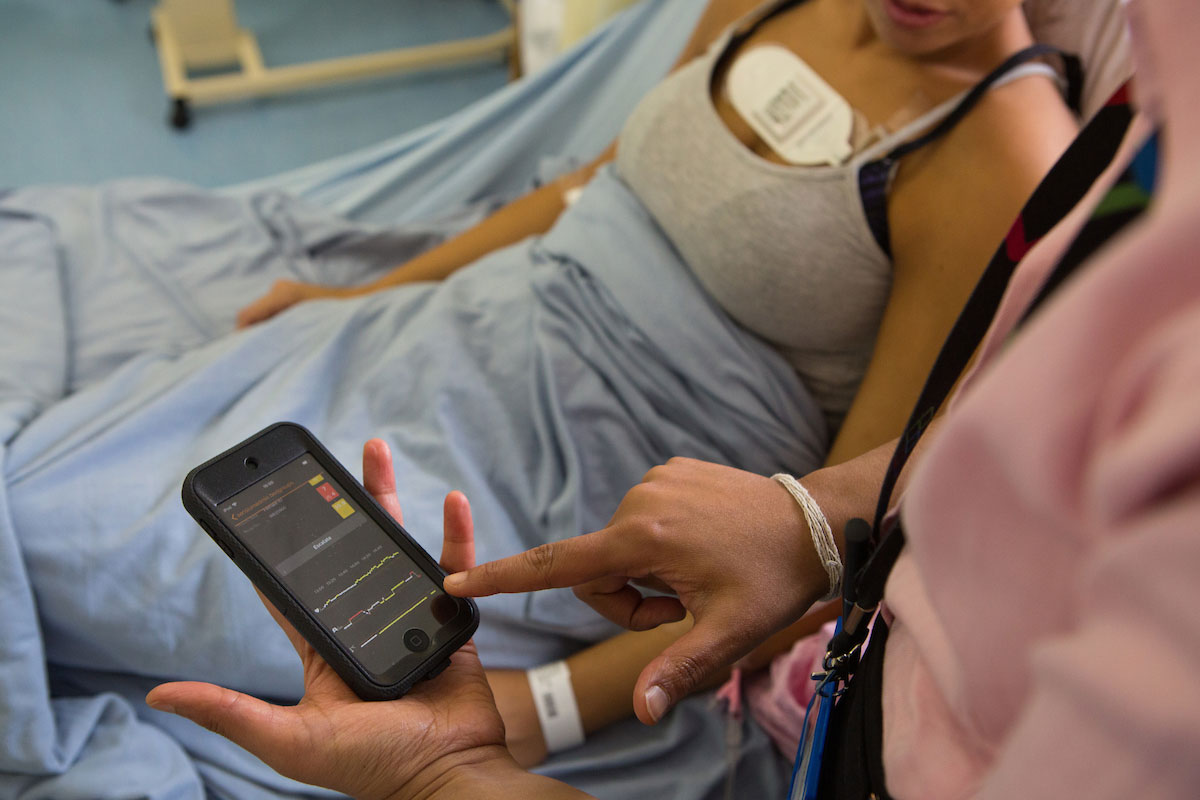
A doctor showing a patient vital signs on a smartphone
Image credit: CW+ and Mile91/Ben Langdon

Our immune system serves to protect our bodies from threats, such as rogue cells that could turn cancerous, or infections that could harm our health. But the immune system can also go wrong, and do more harm than good.

This is what happens in sepsis, or “blood poisoning”, where the immune system goes into overdrive while attempting to clear an invader, such as harmful bacteria, and inadvertently attacks person’s tissues and organs. This life-threatening reaction is estimated to affect close to 150,000 people each year in the UK alone.

World Sepsis Day, on September 13th, seeks to raise awareness of this serious condition, which could take as many as 6 million lives across the globe each year. It’s also an opportunity to celebrate those who have made it their mission to tackle sepsis. We caught up with IGHI researcher, Meera Joshi, who is doing exactly that.

Why is sepsis such a major concern in healthcare?

“Sepsis remains a massive problem, not only in the UK but globally. You only need to pick up a newspaper to spot recurring headlines; it’s a huge killer; as many as 1 in 4 people with sepsis will unfortunately die from the condition. And there’s been evidence to suggest that for every hour delay in diagnosis, the mortality rate goes up by 8%. Data show that if you pick sepsis up earlier, people are much more likely to have better outcomes.”

Why is sepsis tricky to diagnose?

“One of the main problems is that it’s hard to spot. There’s no established molecular marker that can be used to pick up sepsis to date; there’s no single blood test for diagnosis, either. There are markers that are sometimes used, but they lack specificity. Patients also often have vague symptoms that could be attributed to something else, meaning it can go undetected.”

What’s the aim of your research?

“One of the things we’re looking at doing is seeing if novel technology can help identify patients with sepsis sooner. One of the ways that healthcare professionals can check for deterioration of a patient’s condition on hospital wards is to measure their vital signs. Currently, nurses do this on wards around every 4-6 hours, checking things like heart rate, blood pressure, temperature, etc. But we know delays can happen in making these observation rounds. So there could be an opportunity for us to detect sepsis, and deterioration more broadly, quicker.

“We’re looking at new wearable technology, originally developed at the College, which can measure a patient’s vital signs more often, up to every two minutes instead of hours apart. We want to see if this can speed up the detection of clinical deterioration.”

How does the wearable work?

A woman having the wearable sensor attached to her chest.
Image credit: CW+ and Mile91/Ben Langdon

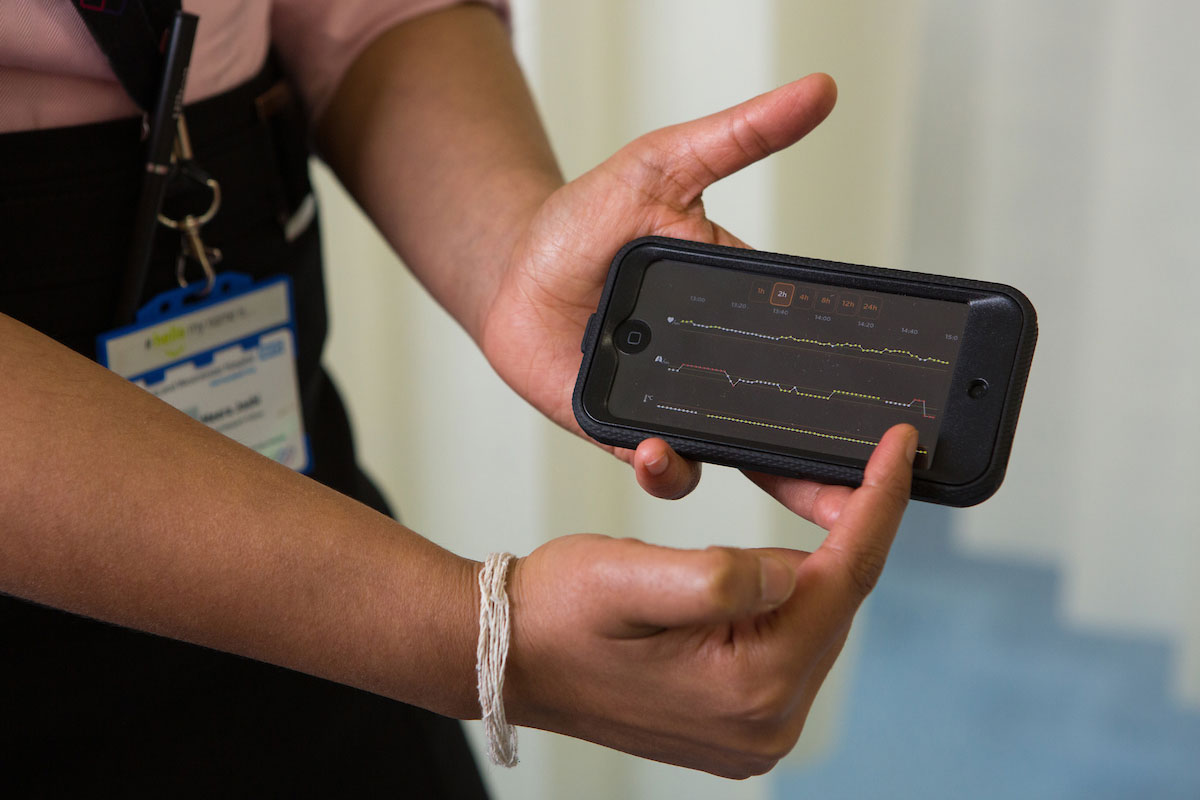
“It’s a lightweight wearable device that attaches to a patient’s chest via electrodes. The sensor, provided by Sensium, records heart rate, respiratory rate and temperature every two minutes. Packets of data are then uploaded to the server before notifications can be sent to desktop computers or handheld devices used by clinical staff.

“We’ve been developing computer algorithms that will generate alerts when this data detects there is a problem. Through these, we’re identifying the best ones for nursing staff, so that the alert can be raised to nurses in real-time, as a patient’s condition is deteriorating.”

Could this sensor have other applications?

“At the moment our focus is on sepsis, but we are looking at any patient deterioration more broadly on hospital wards.

“We’ve just completed a study involving 500 patients at a North West London hospital, where we looked at all sorts of patients with a host of different conditions. Some patients deteriorated for reasons other than sepsis, so we want to see if we can apply this technology and algorithm for other causes.”

How have you involved patients and professionals in this work?

“We’ve been working closely with patients and healthcare professionals throughout all of this research. Out of the 500 patients in our trial so far, we’ve got questionnaire data for around 450 patients, to find out their opinions on the technology and whether they find them acceptable to use. We’ve also done in-depth interviews with both patients and staff, speaking to junior nurses, junior doctors, senior nurses and consultants, among others, who are all shaping our work for the better.”

What stage is your research project at?

“I’m coming towards end of my PhD now, for which I’m hugely grateful to my funders – the NIHR Imperial PSTRC, Royal College of Surgeons and CW+.

“Largely at West Middlesex University Hospital, so far we’ve looked at the reliability of the sensor, its potential for earlier detection, and lot of work with our patient and staff cohort to explore their opinion about device and the use of technology in healthcare.”

What do you hope to achieve with this work?

“I’m hoping we can use wearable technology in the future to help detect sepsis and patient deterioration quicker than is currently possible. And ultimately improve patient outcomes and survival; that’s the next step, to see how this can make a real difference to patients in practice.”

Image credit: CW+ and Mile91/Ben Langdon

Meera Joshi is a Clinical Research Fellow at the Institute of Global Health Innovation’s NIHR Imperial Patient Safety Translational Research Centre

Eliminating Viral Hepatitis: ‘Missing Millions or Missing Billions’

By Professor Mark ThurszProfessor of Hepatology within the Department of Surgery and Cancer, Imperial College London

According to the World Health Organisation it is estimated that 250 million people worldwide are chronically infected with the hepatitis B virus (HBV) and 70 million with the hepatitis C virus (HCV). Untreated, these infections can lead to premature death from cirrhosis and liver cancer; recent statistics suggest that together HBV and HCV are responsible for more deaths than HIV.

(more…)

Ending stigma and HIV transmission

By Dr Julia Makinde is a Research Associate with the International AIDS Vaccine Initiative at Imperial College London

It is estimated that there are 36.7 million people living with HIV globally with 1.8 million new infections in 2016 alone (1). This number represents an 11% drop in the number of new infections from 2010 . Some might consider this an achievement or a testament to the impact of strategic national and global policies aimed at tackling the epidemic. But in reality, these numbers mask the discrepant pace in the effort to tackle transmission and AIDS-related deaths in countries across the globe. UNAIDS recently reported a steep decline in new infections in sub-Saharan Africa against an alarming increase in the number of new infections in eastern Europe and central Asia in the same period (2). In the UK where the HIV burden is considerably lower, the number of new infections has been steadily falling (3). The reasons for these differences are complex and certain socio-economic factors have the potential to undermine the global effort to tackle transmission.

(more…)

Hepatitis: Why early screening matters

By Professor Mark Thursz, Professor of Hepatology within the Department of Surgery and Cancer, Imperial College London

Five viruses, hepatitis A – E, specifically infect the liver and cause acute hepatitis or chronic hepatitis.

Over 350 million people worldwide are chronically infected and are therefore at risk of cirrhosis, liver failure and liver cancer. Hepatitis B and Hepatitis C virus are together responsible for over a million deaths per year. The majority of infections and deaths related to these viruses occur in low and middle income countries. In 2010 the United Nations World Health Assembly passed a resolution which recognised the burden of disease imposed by these viruses and initiated a public health response to viral hepatitis which included the inception of World Hepatitis Day.

Chronic viral hepatitis infections rarely cause any symptoms or signs of the disease and therefore patients do not seek help until the final stages of disease when treatment is usually futile. However, if the infections are picked up early then they can be treated (Hepatitis B) or cured (Hepatitis C) in the majority of cases. It is therefore vital that people with viral hepatitis infection are diagnosed in good time which requires active case-finding or screening. Our work in West Africa demonstrated that screening for infection in the community is feasible, acceptable to the public and cost effective. (more…)