My move from paediatric intensive care nursing to research nursing was a natural and exciting one. Both roles require excellent communication skills, whether that’s talking to patients and their families, or members of the multidisciplinary team.
Growing up in a Caribbean familythat had experienced various traumas and challenges, Ihad some awareness of how mental illness impacted myself and myrelatives.However, it wasn’t until I attended a masterclass last year on Black mental health hosted by BAME in Psychiatry & Psychology and the Centre of Pan African Thought that I realised the nuanced challenges faced by members ofthe Black community.(more…)
IGHI is home to a team of staff who are skilled and passionate about their roles. Our talented people are the reason we’re able to tackle some of the most pressing global health challenges through cutting-edge innovation.
Health and care organisations have historically lagged behind those in other industries in making the most of digital technologies and data solutions. Yet the rapid onset and escalation of the COVID-19 pandemic has essentially forced organisations to embrace these tools to quickly adapt to new ways of working and delivering their services.
This overhaul of industry norms has led to a number of key questions: how widespread has this adoption been? Which tools and technologies have been implemented, and how have these solutions affected staff productivity and service delivery? What will ‘stick’ after the pandemic ends and we return to some semblance of pre-COVID normality?
Our new report, Embracing digital: is COVID-19 the lasting catalyst for change?, delves into these questions and more. The bulk of this paper centres on a multi-country survey by YouGov of over 2,200 people working in health and human services (HHS). The survey was conducted in September of last year, approximately 6 months after many countries had implemented lockdown measures and other restrictions aimed at curbing the spread of the pandemic. We also carried out expert interviews to flesh out additional insights.
The rise of digital health technologies
Unsurprisingly, we found that nearly two-thirds of survey respondents reported an increase in the use of digital and data solutions since the onset of the pandemic. Use of phone and video consultations was most common, with phone consultations offered by 81% of respondents (compared to 39% pre-pandemic) and video consultations offered by 71% of organisations (compared to 22% pre-pandemic). While less widespread, the use of AI-powered diagnostic tools also more than doubled among our sample (38% compared to 18% pre-COVID).
Encouragingly, our survey suggests that adoption of data solutions and digital technologies has led to a number of positive effects. 63% of respondents agreed that the use of these tools has improved staff productivity since the onset of the pandemic. A similar number reported that the use of these solutions has been effective in improving access to care when and where people need it; and 62% cited an improvement in the quality of care experience for citizens.
Short-term solution or long-term shift?
With coronavirus vaccines being rolled out across the globe, many organisations are beginning to plan for post-pandemic operations. So the question remains: was the use of many of these digital solutions a temporary measure, or will we see lasting, transformative change?
The picture is mixed among our respondents, with almost half agreeing that the introduction of data solutions and digital technologies was a temporary measure to help their organisation get through the pandemic period. Yet a third neither agreed nor disagreed, highlighting a number of uncertainties in the industry over future strategies.
Continued use, broader adoption, and sustainability of these tools will depend on a number of factors. While emergency funding and temporary reimbursement fuelled an uptake in digital/remote delivery of care, permanent changes to incentives and reimbursement will be necessary to sustain these services. Similarly, hastily developed and implemented tools may need updating to comply with standard privacy and data regulations, which may have been relaxed during the pandemic.
Additionally, once the acute need for these solutions ebbs, health and care providers may be hesitant to continue using clunky tools that lack interoperability and contribute to additional administrative burden. This highlights the need for organisations to invest in coordinated strategies and infrastructures across these solutions, as well as ensuring that all tools are user-friendly. People’s preferences may also play a role, with many now becoming accustomed to tech-enabled services that offer speed and convenience.
Maintaining momentum
We are at a unique crossroads with the opportunity to use the traction gained for these solutions to drive further improvements in care delivery and outcomes for citizens across the globe. To achieve this, all stakeholders – payers, regulators, vendors, and providers – must each do their part to ensure that we move forward and do not lose momentum.
The report, ‘Embracing digital: is COVID-19 the lasting catalyst for change?’ was led by the Institute of Global Health Innovation and commissioned by our partners, EY. Download the report here.
Didi Thompson is a Policy Fellow at the Institute of Global Health Innovation
People with dementia are some of the most vulnerable, most isolated, and least able to adapt. COVID-19 has therefore made our work with Imperial College’s UK Dementia Research Institute Care Research and Technology Centre all the more urgent.
The Centre develops technologies for a smart ‘Healthy Home environment‘, supported by remote clinical monitoring, to improve the lives of people affected by dementia and further our understanding of this common disease.
The technology aims to make an impact in a number of ways, including early identification of infection, preventing falls, understanding the relationship between sleep and dementia symptoms, and predicting and managing agitation and difficult behaviours. All with the goal of reducing hospitalisation and improving the resilience of at-home care.
Our team at the Helix Centre is using our human-centred design methods to put patient and carer needs at the core of everything the Centre does. This includes designing the monitoring dashboard to optimise the relationship between the monitoring team and the at-home participants, and creating a companion app for people to access their data and assist with the daily tasks of caring for someone with dementia.
We’re also working with science and engineering labs throughout Imperial College London and the University of Surrey to inform the creation of new devices. These range from at-home UTI diagnostics with the synthetic biology team, a smart speaker voice agent to assist in care tasks, and radar sensors and wearables to help monitor behaviour within the house.
Adapting during COVID-19
Our co-design process relies on spending time with people, in their homes, getting to know their lives, aspirations and needs. In response to COVID-19 restrictions, we moved this process online, using video conferencing software to hold regular co-design sessions with a surprising increase in engagement and richness of connection.
Out of this came an idea to help reduce isolation for people with dementia and their family carers during the pandemic. We joined forces with the Alzheimer’s Society Innovation team and the Association of Dementia Studies at the University of Worcester to explore how technology could play a role for this vulnerable and extremely isolated group.
Families living with dementia rely heavily on community support groups, visiting friends, neighbours, carers and community services to help manage the heavy burden of caring for someone with dementia in their own home. All of this support evaporated when lockdown measures were imposed, and the isolation has had a profound impact on the wellbeing and resilience of carers. The alternative of residential care homes has been even less attractive during lockdown for well-documented reasons.
Through this collaboration, we identified a need to help existing groups in the community to go digital and move their support online, so that they could continue to reach their members.
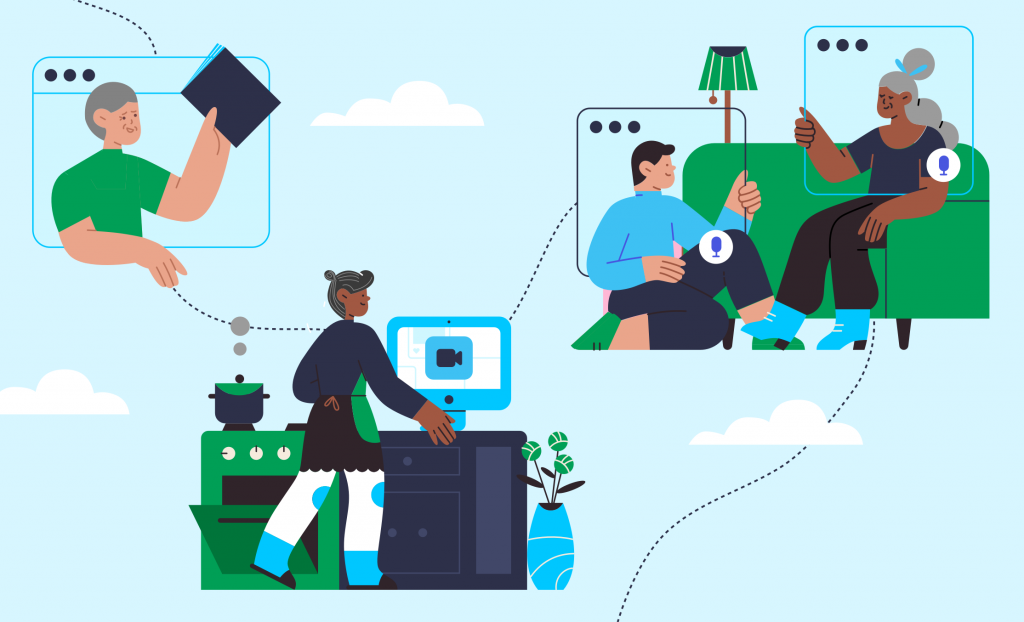
An illustration of Community Makers
Supporting people affected by dementia
We developed Community Makers, a digital resource to help groups set up local online networks to replace the face-to-face meetings that provided key support pre-COVID. This includes a knowledge exchange network that meets online monthly to share experiences and advice, and a library of creative ideas to inspire groups with different approaches to digital involvement.
We also have a Slack workspace, currently consisting of 64 community organisers representing groups from Scotland, Wales and England, rural and urban settings, and including groups focussing on ethnic and minority populations. Groups within the network vary in size from supporting over 150 people with dementia to new groups just setting up. One example is Dementia Matters Here(forshire), established during the pandemic as a digital-first group on the back of our Community Makers collaboration.
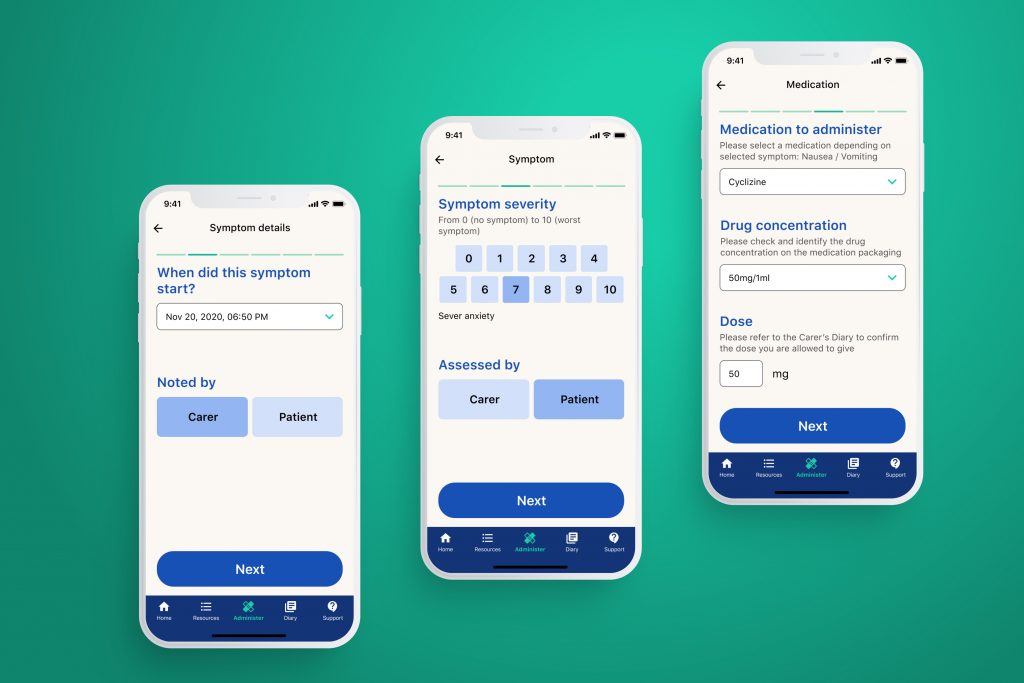
The majority of people who die every year would prefer to die at home, yet only about half achieve this.
This is often due to not being able to manage symptoms at the end of life. People often have to wait longer than what feels acceptable to them for district nurses to come and administer injections. When this happens, symptoms can escalate, carers and patients can become distressed and families lose control of the situation. (more…)
Having a background in economics, I have always cared about improving resource allocation, accountability and making a positive impact in policymaking. Working in health economics helps me to fulfil these goals and improve decision-making in health policy from different standpoints. (more…)
For young men who identify as black and minority ethnic (BME), mental health is not always an easy topic to discuss. Many feel restricted by fear, stigma and barriers inside and outside of the communities they are part of. For some, the available support isn’t appropriate for their needs.
 My move from paediatric intensive care nursing to research nursing was a natural and exciting one. Both roles require excellent communication skills, whether that’s talking to patients and their families, or members of the multidisciplinary team.
 IGHI is home to a team of staff who are skilled and passionate about their roles. Our talented people are the reason we’re able to tackle some of the most pressing global health challenges through cutting-edge innovation.
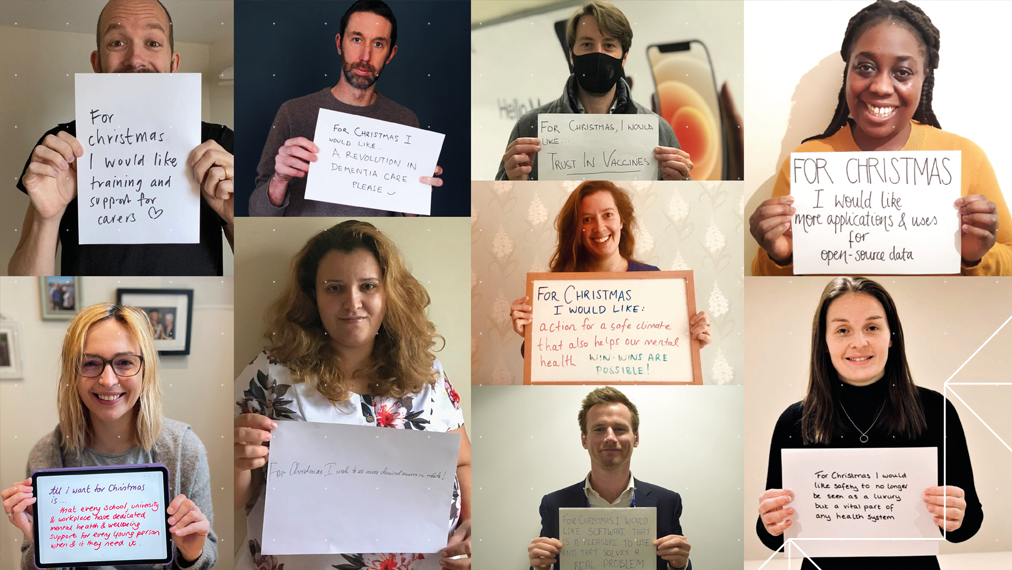 As we approach Christmas and the end of a challenging year, it’s a time to reflect on our progress and the changes we’d like to see.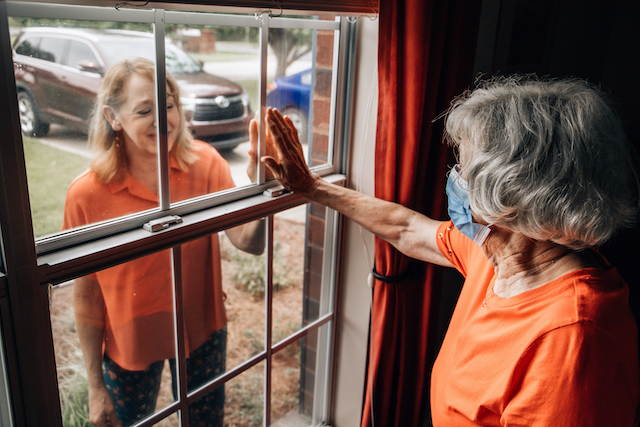
 By
By