Category: Maternal and child health

Rising Faster Than the Sea Levels: Building Youth Resilience in the Philippines

In the Philippines, where typhoons and extreme heat are intensifying, young people are not only witnessing the climate crisis, but they are also living it. The research project Rising Faster Than the Sea Levels is working to understand and support the mental health and wellbeing of Filipino youth as they navigate the climate crisis. 

  Photo of the sea in Leyte


The study is an example of co-developed research done with researchers including Dr John Aruta from De La Salle University, researchers at the Climate Cares Centre and codesigned by the Young Person Advisory Group (YPAG). Sophia Pahulayan, a recent graduate of Dr Aruta’s, is a project facilitator who helped to manage the project and cofacilitate the group discussions alongside young people, a vital linking point between the young cohort and the researchers. This was especially true due to Sophia’s previous research, passion for climate change work, and her ability to speak the local Bisaya dialect in a country with hundreds of dialects and local languages.  


Sophia Pahulayana talks about connecting to young people for Rising Faster than the Sea Levels


Involving young people in research 

Sophia recruited young people in the area to join the committee which was part of the decision-making process for the research materials and group discussion conversations. This helped to make the project more relevant to the experiences of young people when conducting semi-structured group discussions. This project helped to create spaces where young people can share their experiences of climate change and feel less alone. What makes this more natural free-flowing approach powerful and inclusive is its emphasis on solidarity and active listening. Sophia noted about the young people involved that: “they realised that they’re also basically the same. They may express it differently, but the core of the problem is the same.” The project tailors its methods to local contexts, using dialect and culturally resonant questions to foster trust and connection. 


Connecting the climate crisis to our feelings 

Sophia explained that the initial prompts were focused on big topics and concepts around climate change and mental health before YPAG realised that the better approach would be to focus on how local changes affected them and those they cared about. While young people may not always have the precise language for climate anxiety, they are deeply aware of how the climate has changed in their lifetimes. “They notice it has gotten different from when they were younger,” Sophia said, “they could still play outside during the summer, but now it’s not the same”. She also highlighted how they wanted the young people to make that connection between the climate crisis they’re seeing to the emotional struggles and the general anxiety they have when talking about the future. 


Sophia Pahulayana talks about how Mental Health doesn’t exist in Filipino languages


Validation and Empowerment 

For the young people, the project provides a space for validation and empowerment. As Sophia explains, their conversations are deeply intertwined with politics, as they are acutely aware of how government policy and corruption intensify climate catastrophes. They discuss painful memories like the mishandled billions in relief funds after Typhoon Yolanda which severely impacted their developmental years. The typhoon left survivors in their communities without adequate food, housing, or jobs and the corruption after made recovery even harder for the community. To finally voice these frustrations in a supportive environment is profoundly empowering. It transforms a sense of isolated helplessness into a shared realisation: “I’m not the only one thinking this way. I’m not the only one being concerned about this.” This awakening fosters a powerful sense of solidarity, making them feel less alone and more emboldened to empathise and get involved with climate action with their peers, a link which has been highlighted in a study published in Educational and Developmental Psychologist. The study says that “Filipinos who face a greater risk from climate consequences engage in actions that mitigate the climate crisis and prepare for future disasters.” 


A meeting with the YPAG about the Rising project


For Sophia personally, she describes the project as a source of hope and purpose. It allows her to connect with young people on a profound level, facilitating not just discussions but the birth of actionable ideas. Asked what she finds most rewarding about the project, Sophia explained that it is hearing participants say the sessions have given them hope and taught them things they never learned in school.  


A group discussion takes place where the young people are listened to about their thoughts and feelings

Time for action

However, this hope is coupled with a driving urgency: “it gives me hope, but at the same time it makes me feel like there’s so much more that we could do”. While processing this emotional weight is crucial, Sophia is eager to take the project to the next level: moving from conversation to concrete action. The goal is to harness this newfound solidarity and sense of agency to help these passionate young people channel their feelings into tangible change within their communities, transforming hope into a resilient force for the future. 

Sophia Pahulayan talks to young people outside


The plan is to host spaces like the group discussions where young people and researchers alike can combine the therapeutic benefits whilst also allowing connections with their peers. Young people already working to address the climate crisis need to be provided with a space to collaborate and bring their ideas to life. However, the space also needs to be one where young people can unpack what’s happened to them and deal with the trauma that was ever present when discussing climate disasters like Typhoon Yolanda. Spaces similar to climate cafes can be healthy places to decompress and provide emotional support to young people looking to act against future climate events in their community. Sophia does emphasise that whatever is created must be “tailored to our needs, to the needs of our community and our context.”  


Now that the project team has completed the group discussions, they are working on designing interventions. On the 24 September they will be going to Cebu city in the Visayas region of the Philippines to present the preliminary results of the project. This should hopefully open the project to wider connections in the climate action space in the Philippines as a lot of the work takes place in the capital of Manila and few if any of the organisations in this climate crisis hotspot focus on mental health. The project has also just won $30,000 to expand their research in collaboration with John Aruta and Renzo Guinto and Duke University. 


Sophia Pahulayana final takeaways from the Rising Faster than the Sea Level project


Rising Faster than the Sea Levels is a project led by Climate Cares Centre funded by AXA Global Research Fund 


Further Reading: 

Building Youth Resilience by Understanding and Intervening on the Mental Health Impacts of Climate Awareness 

Ten years after Haiyan: Building back better in the Philippines 

2013 State of the Climate: Record-breaking Super Typhoon Haiyan 

Measurement of climate change anxiety and its mediating effect between experience of climate change and mitigation actions of Filipino youth 

The Need for Mental Health Support for Environmental Defenders in the Philippines 

Veronica’s Lived Experience story – Mental health impacts of climate change – Philippines 

An agenda for climate change and mental health in the Philippines 

Climate change and mental health in the Philippines Special Paper 


Co-investigators: Dr Emma Lawrance, Dr John Jamir Benzon Aruta, Dr Ans Vercammen, Prof Fiona Charlson, Dr Chloe Watfern, Teaghan Hogg, Dr Sandeep Maharaj, Sophia Pahulayan, D, Georgia Monaghan, Court Kovac, Dr Daniella Watson  


Affiliations: Imperial College London, UK; De La Salle University, Philippines; Curtin University, Australia; The University of Queensland, Australia; University of New South Wales, Australia; University of Canberra, Australia; The University of the West Indies, St. Augustine Campus, Ecomind, Australia 


Ukraine: Better care for children with complex long-term health needs

Our third blog post for the two-year anniversary of the invasion of Ukraine addresses the importance of prioritising better care for children with complex long-term health needs.

This is part of a series of blog posts sharing insights from our Ukraine Health Summit, hosted in partnership with the British Red Cross to further efforts in supporting the delivery and restoration of health services in Ukraine. This piece is written by Alexandra Shaw, Institute of Global Health Innovation, Imperial College London, with colleagues.

[Ukraine Health Summit: attendees chatting]
Ukraine Health Summit: attendees chatting

In Ukraine, many children continue to be cared for in institutions. Estimates vary widely and suggest that between 90,000-200,000 children reside in these institutions, and approximately 20,000-50,000 of them have disabilities.1 2

Children have a range of disabilities including congenital abnormalities of the nervous and cardiovascular systems, foetal alcohol spectrum disorders, genetic disorders and chromosomal abnormalities, visual impairments, cerebral palsy and epilepsy.3  Factors impacting institutionalisation include poor infrastructure for children with disabilities, including education and community-based therapy services. There is a lack of crucial services, including rehabilitation and palliative care, and support in the community, making caring for a child with complex health needs even more challenging. Social challenges also drive institutionalisation including poverty, social stigma and the lack of support means families are left isolated.3 An estimated 90% of children placed in institutions have parents or family but are placed in institutions because of the challenges of caring for them in the community. Other factors include the inability of parents to care for their children, neglect or substance abuse.2   

Impact of institutionalisation 

In 2019, the 74th UN General Assembly adopted the resolution on ‘Rights of the child’ which urges that family and community-based care should be promoted over placement in institutions, and that children with disabilities should enjoy all human rights and fundamental freedoms on an equal basis with other children, including access to a family life.4 Children living in institutional environments can suffer significant harm including the impact on their quality of life, their ability to adapt to society, mental health and overall development.5 Facilities often fail to meet basic needs, address individual requirements and provide emotional and social stimulation.

Institutionalisation can lead to poor physical and mental health outcomes, stunting and a lack of development from inadequate nutrition, and infectious disease. Children who have been institutionalised can be left with difficulties processing and integrating sensory information, poor language development, damaging behaviours and significantly shortened life expectancy.6 Staff to child ratios are often inadequate, leading to inappropriate methods of restraint, and a lack of supervision means children are not provided with adequate sanitary care, or assistance with feeding.2

Reform and impact of war

Before the war, the government had adopted the National Strategy on Reform of the Institutional Care System (2017-2026), however there have been delays in implementation and children with disabilities have been excluded included in these reforms.7 The war has made the situation for children with complex long-term health needs even more desperate. Whilst children with more mild disabilities are being evacuated, many children have been moved from facilities in the east of Ukraine to inadequate facilities in the west. This had led to overcrowding, further reduced staff ratios, and a lack of medical records leaving staff looking after children with no background information about their condition and care needs.8

In some cases, children have been returned to their families without support or guidance to ensure the child’s health needs are adequately met.1 The European Commission has provided 230 million in humanitarian aid to the Ukrainian government which brings an opportunity to ensure disabled children benefit from the assistance provided to Ukraine.9

[Ukraine Health Summit: Dr Ulana Suprun]
Ukraine Health Summit: Dr Ulana Suprun

Moving forward 

There is still progress to be made to improve care for children with complex health needs in Ukraine. A unified approach is required which clearly defines the responsibilities and powers of government authorities and local organisations to apply standards to protect children’s rights and care. Key recommendations include:

     1. Reform for the provision of community based care 

  • Change of policy and legislation, alongside political commitment, to prevent future institutionalisation and protect the rights of children, particularly those with disabilities.   
  • Implement programmes to develop long-term family-based environments for children currently living in institutions. 
  • Develop services to support children and families in the community including early intervention, social care support systems, family-based care, rehabilitation services, social services and paediatric palliative care. 
  • Enable a holistic approach to care for children with complex health needs, including the role of education, sport, family and culture. 

     2. Paradigm and cultural change campaign 

  • Launch a comprehensive and sustained campaign to enable a shift in attitudes and paradigms across all professions and the workforce. 
  • Implement policy and a public campaign to encourage a societal shift in the way children with complex long-term health needs are viewed. 
  • Enable the empowerment of families to advocate for their own children and specialist needs. 

      3. Development of health and social care workforce  

  • Implement educational programmes to increase the size of the workforce in the areas of medical rehabilitation services, paediatric palliative care and social services. 
  • Upskill professionals and expand access to continuing development for staff working across paediatric health and social care. 
  • Develop capability in the community for family members, carers, social workers, rehabilitation staff, and other allied professionals such as speech and language therapists to support children in the community. 

     4. Strategic allocation of reconstruction funding 

  • Develop a strategic plan to guide the allocation of reconstruction and support funding for children to be cared for outside of institutions.  
  • Enable collaboration across different ministries which oversee education, social care and health to bring a more unified effort towards reducing the number of children living in institutions. 
  • Prevent the reconstruction and rebuilding of institutions and instead invest in foster care, family and community-based services. 


References 

  1. Ukraine war response: Children with disabilities. UNICEF; 2022 (https://www.unicef.org/emergencies/ukraine-war-response-children-disabilities, accessed 18 February 2024).
  2. No Way Home: The exploitation and abuse of children in Ukraine’s orphanages. Disability Rights International; 2015.  (https://www.driadvocacy.org/reports/no-way-home-exploitation-and-abuse-children-ukraines-orphanages, accessed 18 February 2024).
  3. Behind the mask of care: A report based on the results of the situation analysis of baby homes in Ukraine. Hope and Homes for Children, USAID, UK Aid; 2020.  (https://www.hopeandhomes.org/publications/a-report-based-on-the-results-of-the-situation-analysis-of-baby-homes-in-ukraine/, accessed 18 February 2024).
  4. Rights of the child: resolution adopted by the General Assembly. 74th UN General Assembly; 2019: United Nations.
  5. Slozanska H, Horishna N. Functioning of boarding schools negative impact on pupils. Social work and education. 2021;8:18-41.
  6. Huseynli A. Implementation of deinstitutionalization of child care institutions in post-soviet countries: The case of Azerbaijan. Child Abuse Negl. 2018;76:160-72.
  7. Rosenthal E, Kurylo H, Ciric Milovanovic D, Ahern L, Rodriguez P. Protection and safety of children and disabilities in the residential institutions of war-torn Ukraine: The UN Guidelines on Deinstitutionalization and the role of International Donors. International Journal of Disability and Social Justice. 2022;2(2).
  8. In Ukraine, children with disabilities live in horrific conditions. Handicap International; 2022 (https://www.hi.org/en/in-ukraine–children-with-disabilities-live-in-horrific-conditions#:~:text=The%20situation%20of%20disabled%20children,risk%20of, accessed 18 February 2024).
  9. The forgotten victims of the war against Ukraine: European Network on Independent Living; 2022 (https://enil.eu/the-forgotten-victims-of-the-war-against-ukraine/, accessed 19 February 2024).


A vision for the future of safe care: Maternal and newborn safety during COVID-19

An illustration of maternal safety for world patient safety day

The Institute of Global Health Innovation hosted their third World Patient Safety Day event on the 17th September, with the theme of safer maternal and newborn care. The aim of this year’s World Patient Safety Day was to raise awareness of maternal and newborn safety and engage different stakeholders – from healthcare professionals to decision-makers – in adopting strategies to improve them. This virtual event was chaired by Dr Mike Durkin, IGHI’s Senior Advisor on Patient Safety Policy and Leadership, and included a range of speakers and panellists. Throughout the event a graphic artist created a live illustration that captured key messages, displayed above. On this third World Patient Safety Day, Dr Durkin recognised the thousands of events taking place across the globe as a testament to the commitment of patient safety champions, but most of all patients and their affected families.

The event was opened by Professor the Lord Ara Darzi, IGHI’s co-director, who stated that maternity is a key focus of patient safety, yet he acknowledged that the pandemic had had adverse consequences on maternity staff and patients. The Rt Hon. Jeremy Hunt MP emphasised that there are around 150 avoidable deaths a week, which are wrongfully seen as a “cost of doing business”.

Providing safe maternal care during a pandemic

The safety of maternal and newborn care has seen incredible progress but many challenges remain. To gain a greater understanding of these, a team from the IGHI’s NIHR Imperial Patient Safety Translational Research Centre held focus groups with people who have recently used these services. Participants discussed their experience of childbirth and access to services, both before and during the pandemic, to inform the event’s panel discussion. The focus groups also discussed how women could be given holistic support in a remote context, given their feelings of anxiety and partners’ absence from appointments due to restrictions.

The challenges of remote maternal care were explored further in the event’s live panel discussion by Mandy Forrester, midwife advisor at the International Confederation of Midwives, who reported that maternal health services were not regarded as essential during the pandemic. She labelled this lack of recognition as a “human rights issue” and stated that systems designed to uphold the rights and safety of women have been forgotten.

Both Dr Aidan Fowler, national director of NHS patient safety, and Professor Jacqueline Dunkley-Bent, chief NHS midwifery officer, recognised the inequality in maternal and neonatal health outcomes experienced by Black, Asian and Minority Ethnic groups. Professor Darzi supported this notion in his keynote speech, where he pointed out people from minority ethnic backgrounds and those in socially deprived or other disadvantaged groups have higher stillbirth and maternal mortality rates.

Addressing the burden on healthcare staff

The pandemic has placed a heavy burden on healthcare workers, particularly in the field of maternal and neonatal healthcare. Professor TG Teoh, Director of Women’s & Children’s Services at Imperial College NHS Healthcare Trust, commented that if we do not care for our own staff, then we cannot provide effective care for patients. His biggest struggle in the pandemic was communicating continuously changing protocols and restrictions to staff, while operating in an already entirely new context. Forrester added that since in some contexts midwives were not recognised as essential workers, they were not always entitled to personal protective equipment (PPE).

Midwives were redeployed, which further deteriorated their pre-existing shortage, resulting in unsafe and unsupervised care. Combined with the fact that many women faced the absence of their partners, Professor Teoh stated that midwives and doctors had to balance remaining a caring professional with the added element of support for their patients. The pressure of the additional workload on healthcare professionals exacerbates what is known as the “second victim” concept, mentioned by Hunt. This concept, originally introduced by Professor Albert Wu, addresses the blame felt by doctors and nurses when their care leads to harm. The second victim causes a fight or flight response, which prevents a learning culture and breaks the bond between patient and clinician. These pressures of the pandemic have highlighted the importance of caring for those who care.

Global perspectives on the pandemic

The event considered how the pandemic has been experienced differently across the globe. Darren Welch, Director of Global Health for the Foreign, Commonwealth and Development Office, described how their work was made increasingly difficult in countries where health systems were already strained and under-resourced. It is estimated that the pandemic has forced over 150 million back into extreme poverty, which has inevitable impacts on their access to healthcare.

Discussions suggested that racial disparity in childbirth is faced across the world. Professor Dunkley-Bent proposed the Michael Marmot principle of proportionate universalism as a future approach for equity in maternal and neonatal care. This states that healthcare must be applied at a scale and intensity that is equal to the level of need. In other words, disadvantaged groups have the greatest need in healthcare, so they must be prioritised to progress towards equity.

Towards safe and equitable maternal care

Speakers and panellists considered the next steps for safe and equitable maternal and neonatal care. Professor Darzi was first to mention the importance of vaccinating all pregnant women. The need to learn from past mistakes was emphasised, as TG Teoh suggested vaccine hesitancy in pregnant women may have been, in part, due to them being excluded in research and clinical trials from the beginning.

Although the pandemic has had a negative impact on the mental health of healthcare workers, it has also provided an opportunity for positive change and comradery. Dr Suzanna Sulaiman, Head Consultant in Obstetrics and Gynaecology at KK Women’s and Children’s Hospital in Singapore, saw her hospital employ social workers for staff to voice their concerns. Hospital leadership was therefore able to effectively understand how to help their team. Such initiatives can serve to build the foundations for future progress.

A key recurring theme was shifting from a blame culture to a learning culture. Dr Fowler discussed the importance of this in addressing inequality; he stated that we must seek to understand why harm is experienced more by certain groups and the cultural competencies of staff. This is a vital first step, he said, in developing communication techniques agnostic of background.

An important quote from the event was one from Dr Henry Kessinger, who described diplomacy as the ‘patient accumulation of partial victories’, which Jeremy Hunt suggested was a great way to describe progress in patient safety. Not to be disappointed by a partial victory, and not to be put off by the patience involved.

How can we safely and effectively dose medicines for children with obesity?

The legs of an overweight child standing on a set of digital scales.

By Alex, Nick, Jonny and Calandra, IGHI’s Helix Centre.

The number of children with obesity has risen rapidly over the past 40 years.

According to data from the World Health Organization the number of overweight children increased 8-fold between 1975 and 2016, from 1% of children to 6% of girls and 8% of boys. In 2013 there were 42 million under-fives worldwide who were overweight or obese. And over a quarter of 2-15 year olds in England are estimated to be overweight or obese today. This poses a significant challenge to the safe and effective dosing of medications for children. (more…)

On entrepreneurship and seizing opportunities to make healthcare safer

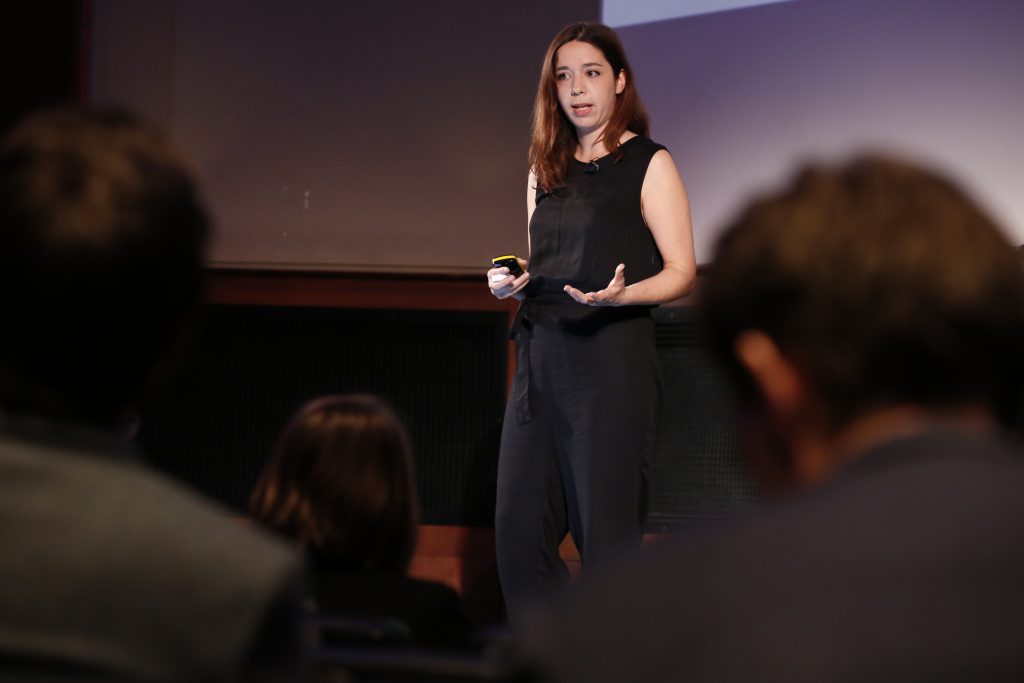
A photo of Ana talking on stage

By Ana Luisa Neves, co-founder of momoby, GP and IGHI Research Fellow. 

At momoby, we believe every woman should have access to prenatal care, regardless of where she lives. To tackle this challenge, we’re developing a low cost, pocket-sized device that tests for diseases that could harm pregnancy, using a single drop of blood. (more…)

Towards safer and more equitable maternal health care

by Ana Luisa Neves, General Practitioner and Research Associate at Imperial NIHR PSTRC

Making motherhood safe is a human rights imperative. In the last 20 years, a steady decline has been observed in maternal mortality rates worldwide, but much more needs to be done: nearly 300,000 women still die every year because of pregnancy or childbirth-related complications (1). This means that a mother dies every two minutes.

(more…)

Supporting midwives in The Gambia to save the lives of mothers and children

5 May 2017 marked the International Day of the Midwife. Recognising the important role that midwives play to families and mothers, the day was first established in 1992. Midwives endure rigorous training to ensure that they can provide quality care for those in need. The level of skills amongst midwives however, can vary across the world.

March 2017 saw the arrival of Dr Beverly Donaldson, her midwifery colleagues Maggie Welch and Judith Robbins and paediatrician Dr Anna Battersby from Imperial College London/Imperial NHS Trust to facilitate the third midwifery training programme at the MRC Fajara The Gambia. The aim of the training was to support local midwives in their clinical practice by teaching them the necessary skills to manage basic obstetric emergencies in order to save the lives of mothers and babies in their care. Together, they give their account of the event.

“It was a busy few days following our arrival; preparing all the equipment and teaching materials over the weekend in readiness for the start of the intensive two day training programme on the Monday morning.

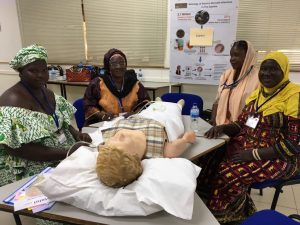
Midwives attended practical emergency skills training in the management of Eclampsia, Postpartum Haemorrhage and blood loss estimation.

The first day began with lectures in maternal and neonatal mortality and the management of high risk pregnancy in The Gambia. The afternoon was dedicated to practical emergency skills training in the management of Eclampsia, Postpartum Haemorrhage and blood loss estimation – the major causes of maternal mortality. Running concurrently to the skills stations was a question and answer session in the library which gave participants the opportunity to openly discuss concerns related to maternal and neonatal care.

The second day focused on helping babies breathe

The second day focused on neonatal wellbeing and ‘Helping Babies Breathe’- an evidence-based educational program to teach neonatal resuscitation techniques in resource-limited countries- an initiative of the American Academy of Pediatrics (AAP) in collaboration with the World Health Organization (WHO). Anna and the team had previously adapted these materials to meet the needs of the Gambian staff and shortened it to make it more accessible to more midwives. We found this to be a simple and effective teaching method which was well received by the lovely midwives in the picture.

Following the formal training sessions, we then visited three participating maternity facilities to evaluate the effectiveness of the training by meeting with the lead midwife from each establishment and then assessing their ability to lead the teaching in their own unit. Consequently, we met with very enthusiastic midwives who were very happy to share the knowledge and skills they had been taught.

It quickly became evident that the midwives were very good at leading the teaching but they lacked the necessary equipment to continue training at their respective units. After discussion with our training faculty it was decided that we would donate the training mannequins with a view to replacing them before we facilitate the next programme.
Overall the training was very successful, was well evaluated and received very positive feedback from  the midwives who attended”.

The training was organised and facilitated by Dr Beverly Donaldson with Dr Anna Battersby and the Centre of International Child Health (CICH) at Imperial, led by Prof Beate Kampmann, who also regularly works at the MRC Unit. Prof Kampmann stated: “I am very pleased that the CICH can support this training effort, as it is an excellent example of our vision to involve a multi-disciplinary group of health care professionals and advocates in our work to improve maternal and child health. Midwives worldwide play such an important role in achieving this goal and I thank the imperial team for their efforts and dedication.”

Mums step up to make vaccines work at all ages – even before their babies are born!

By Dr Beth Holder and Professor Beate Kampmann Paediatrics, Centre for International Child Health, Imperial College London

The great success of vaccination during pregnancy

MatImmsPregnancy. For millions of women and their partners, discovering that they are expecting a baby is a very exciting time. However, it can also be a quite stressful time; suddenly there are lots of things to think about. There’s the fun stuff – wondering whether you are having a boy or a girl, thinking about baby names and buying first items of tiny baby clothes. Then there’s the more serious stuff- thinking about a birth plan, and suddenly having to attend several doctor and hospital appointments. One other thing for expectant parents to think about is whether they get vaccinated against specific infections whilst pregnant – this is called maternal immunisation.

This week, we celebrate European Immunisation week with the slogan of “Vaccines work- at all ages”. Pregnant women are a group that might not be on everyone’s radar for vaccinations, which we usually associate with children, right? However, maternal immunisation is a really clever way of enhancing what mother nature already does anyway: passing protective antibody from the mum to her unborn baby across the placenta. Therefore, giving certain vaccines in pregnancy will boost protective antibody in both mum and baby, therefore not only protecting the mothers from the infection, but their child in their first weeks of life.

Maternal immunisation has been a huge success story – initially in countries in the world where a lot of babies used to die from tetanus infection – and now also in Europe. The two most widely used vaccines in pregnant women in Europe protect against influenza (flu) and pertussis (whooping cough). The whooping cough vaccine was introduced in several countries following large-scale outbreaks of the disease. Whooping cough is extremely serious in young infants, and in the UK alone it caused the deaths of 27 babies between 2012 and 2015. The response by public health authorities was decisive; vaccinating mums could help protect these vulnerable children. Following the rollout of maternal pertussis vaccination, large studies have shown that it is safe, and extremely effective at preventing whooping cough in young infants.

But we still have some way to go. Studies in the UK show that despite overall maternal vaccination coverage continuing to rise, it’s still only reaching an average of 60% of the women who should have it. As part of our research at Imperial College London, funded by the NIHR Imperial BRC, we have held detailed interviews with pregnant women to seek their opinions on maternal immunisation and to find out why some chose to decline vaccination whilst pregnant. Their views were diverse, but one key thing we realised that we as researchers could address, was their desire for more information. As a result, we designed an app to fill this need- MatImms.

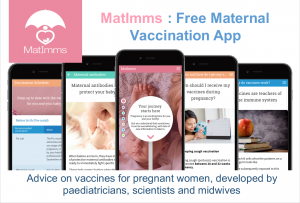
Developed by a team of scientists, clinicians and midwives, the MatImms app provides reliable information to expectant parents. It includes information about the immune system and how vaccines work, written in a clear and understandable way. It also provides detailed information on the current vaccines available to pregnant women, including how and when women can receive these vaccines. Finally, the app has a personalisable vaccination calendar, based on the woman’s due date, which provides reminders. Currently focused on the UK setting, we hope in the future to extend the app to include country-specific information to cover the rest of Europe.

In line with this year’s motto for European Immunisation week, we know that vaccines in pregnancy work and many mums are already stepping up to help protect their unborn babies from life-threatening infections; now we want to make sure that our research helps and supports as many mums as possible in this decision.

The MatImms app is freely available for iPhones and Android in iTunes and Google Play.

Life after miscarriage – one year on

By guest blogger, Alex, from That Butterfly Effect to mark Pregnancy and Infant Loss Remembrance Day on Saturday 15th October 

The 6th October marked a rather sad day for me and for my little family. On this day in 2015, I was admitted to hospital for a procedure called ERPC which stands for Evacuation of Retained Products of Conception and means a surgical removal of the remains of a pregnancy. It was a day that I had never thought I would ever have to experience and yet it happened to us. Just as it happens to more than one in five pregnancies in the UK every year – around a quarter of a million each year…

This second pregnancy started off wonderfully well, just as the first one. A bit of nausea, very sore breasts and some fatigue experienced during the day but overall, I felt really great. This carried on for a few weeks and then, suddenly, all the symptoms stopped, around week six or seven. I found the sudden disappearance of the soreness of breasts particularly worrying – I just had this feeling in my gut that this was way too early for them to stop hurting. And so what I did next was what we’re always told not to do – I googled the symptoms. There were quite a few forums with similar topic threads and the women discussed that dreaded M-word. Miscarriage.

Missed miscarriage (when the baby stops growing inside you but isn’t expelled from your body) was mentioned there and some things just clicked in my head. “This is exactly what has happened to me.” So I confided in my husband. He was concerned about me worrying and looked into miscarriage, but from a more pragmatic point of view, looking into ‘scientific’ evidence behind a sudden loss of pregnancy symptoms. There was nothing there to suggest a miscarriage could be easily ‘diagnosed’ simply by the loss of symptoms – there are just too many factors caused by hormonal changes happening in all stages of pregnancy. In my heart though, I just knew something was not ‘right’. The rational and optimistic part of me wanted to listen to my husband and the midwife who at the booking appointment told me not to worry as “everything will be fine”. Luckily, our dating scan was booked at 10 weeks rather than at 12 weeks so I couldn’t wait to have my mind put at rest. Going to friends’ wedding two days before the scan was not a pleasant experience – worrying about the worst case scenario whilst trying to put on a happy face and avoiding friends’ offers for a drink was so hard. They just knew I was pregnant and everyone started congratulating us. What do you say to that other than ‘thank you’? I felt emotionally drained from the past few weeks’ rollercoaster of thoughts and emotions – stuck between two sides of me, one telling me “you’re over-analysing it, just calm the f* down” and the other one crying hysterically “why do bad things always happen to good people?” before actually being told the worst. The days leading up to the scan couldn’t have dragged on for longer. (more…)

FEAST – five years on

By Professor Kathryn Maitland, Director of the IGHI Centre of African Research and Engagement

First published by the Hippocratic Post on 22/8/16.

kath 3
Professor Kathryn Maitland

‘Back in 2011, my research team published the results of the largest trial of critically ill children ever undertaken in Africa (FEAST trial), a trial that examined fluid resuscitation strategies in children with severe febrile illnesses (including malaria and bacterial sepsis). Contrary to expectation, the trial showed that fluid boluses were associated with an increased mortality compared to no-bolus (control), the greatest effect was in children with the most severe forms of shock. We were delighted when the FEAST trial won the prestigious 2011 BMJ Research Paper of the Year award and expected that doctors around the world would sit up and take notice – and guidelines for management of children suffering from shock due to sepsis would change.

However, five years on, I have to say that I am disappointed that the WHO guidelines in resource-poor settings are still largely unaltered. Although the humanitarian aid charity Medicins sans Frontieres changed its own procedures within nine months of our results becoming public, the directing and coordinating agency for international health of the United Nations has so far left existing guidelines in place. This is despite the fact that we found that the intervention of rapidly administering fluids was actually harmful to children in our study which was robust and based on sound scientific evidence. One statistician said it was the most consistent he had ever seen. (more…)