In the Philippines, where typhoons and extreme heat are intensifying, young people are not only witnessing the climate crisis, but they are also living it. The research project Rising Faster Than the Sea Levels is working to understand and support the mental health and wellbeing of Filipino youth as they navigate the climate crisis.
The study is an example of co-developed research done with researchers including Dr John Aruta from De La Salle University, researchers at the Climate Cares Centre and codesigned by the Young Person Advisory Group (YPAG). Sophia Pahulayan, a recent graduate of Dr Aruta’s, is a project facilitator who helped to manage the project and cofacilitate the group discussions alongside young people, a vital linking point between the young cohort and the researchers. This was especially true due to Sophia’s previous research, passion for climate change work, and her ability to speak the local Bisaya dialect in a country with hundreds of dialects and local languages.
Sophia recruited young people in the area to join the committee which was part of the decision-making process for the research materials and group discussion conversations. This helped to make the project more relevant to the experiences of young people when conducting semi-structured group discussions. This project helped to create spaces where young people can share their experiences of climate change and feel less alone. What makes this more natural free-flowing approach powerful and inclusive is its emphasis on solidarity and active listening. Sophia noted about the young people involved that: “they realised that they’re also basically the same. They may express it differently, but the core of the problem is the same.” The project tailors its methods to local contexts, using dialect and culturally resonant questions to foster trust and connection.
Connecting the climate crisis to our feelings
Sophia explained that the initial prompts were focused on big topics and concepts around climate change and mental health before YPAG realised that the better approach would be to focus on how local changes affected them and those they cared about. While young people may not always have the precise language for climate anxiety, they are deeply aware of how the climate has changed in their lifetimes. “They notice it has gotten different from when they were younger,” Sophia said, “they could still play outside during the summer, but now it’s not the same”. She also highlighted how they wanted the young people to make that connection between the climate crisis they’re seeing to the emotional struggles and the general anxiety they have when talking about the future.
For the young people, the project provides a space for validation and empowerment. As Sophia explains, their conversations are deeply intertwined with politics, as they are acutely aware of how government policy and corruption intensify climate catastrophes. They discuss painful memories like the mishandled billions in relief funds after Typhoon Yolanda which severely impacted their developmental years. The typhoon left survivors in their communities without adequate food, housing, or jobs and the corruption after made recovery even harder for the community. To finally voice these frustrations in a supportive environment is profoundly empowering. It transforms a sense of isolated helplessness into a shared realisation: “I’m not the only one thinking this way. I’m not the only one being concerned about this.” This awakening fosters a powerful sense of solidarity, making them feel less alone and more emboldened to empathise and get involved with climate action with their peers, a link which has been highlighted in a study published in Educational and Developmental Psychologist. The study says that “Filipinos who face a greater risk from climate consequences engage in actions that mitigate the climate crisis and prepare for future disasters.”
For Sophia personally, she describes the project as a source of hope and purpose. It allows her to connect with young people on a profound level, facilitating not just discussions but the birth of actionable ideas. Asked what she finds most rewarding about the project, Sophia explained that it is hearing participants say the sessions have given them hope and taught them things they never learned in school.
Time for action
However, this hope is coupled with a driving urgency: “it gives me hope, but at the same time it makes me feel like there’s so much more that we could do”. While processing this emotional weight is crucial, Sophia is eager to take the project to the next level: moving from conversation to concrete action. The goal is to harness this newfound solidarity and sense of agency to help these passionate young people channel their feelings into tangible change within their communities, transforming hope into a resilient force for the future.
The plan is to host spaces like the group discussions where young people and researchers alike can combine the therapeutic benefits whilst also allowing connections with their peers. Young people already working to address the climate crisis need to be provided with a space to collaborate and bring their ideas to life. However, the space also needs to be one where young people can unpack what’s happened to them and deal with the trauma that was ever present when discussing climate disasters like Typhoon Yolanda. Spaces similar to climate cafes can be healthy places to decompress and provide emotional support to young people looking to act against future climate events in their community. Sophia does emphasise that whatever is created must be “tailored to our needs, to the needs of our community and our context.”
Now that the project team has completed the group discussions, they are working on designing interventions. On the 24 September they will be going to Cebu city in the Visayas region of the Philippines to present the preliminary results of the project. This should hopefully open the project to wider connections in the climate action space in the Philippines as a lot of the work takes place in the capital of Manila and few if any of the organisations in this climate crisis hotspot focus on mental health. The project has also just won $30,000 to expand their research in collaboration with John Aruta and Renzo Guinto and Duke University.
Co-investigators: Dr Emma Lawrance, Dr John Jamir Benzon Aruta, Dr Ans Vercammen, Prof Fiona Charlson, Dr Chloe Watfern, Teaghan Hogg, Dr Sandeep Maharaj, Sophia Pahulayan, D, Georgia Monaghan, Court Kovac, Dr Daniella Watson
Affiliations: Imperial College London, UK; De La Salle University, Philippines; Curtin University, Australia; The University of Queensland, Australia; University of New South Wales, Australia; University of Canberra, Australia; The University of the West Indies, St. Augustine Campus, Ecomind, Australia
On International Women’s Day, we shine a spotlight on the incredible women at the Institute of Global Health Innovation (IGHI) who are shaping the future of healthcare worldwide. From pioneering research to innovative policy work, these leaders are tackling some of the most pressing global health challenges —making a real difference in in the UK and beyond.
Group photo of IGHI staff at the summer social.
In this blog, we celebrate their achievements and highlight how their expertise and dedication continue to inspire change. Read on to learn about some of these fantastic women at the IGHI and discover key examples of their work.
Professor Bryony Dean Franklin – Visiting Professor at IGHI
Professor Franklin is widely recognised as a research leader within patient safety, both nationally and internationally. She has specific expertise in evaluating technologies that aim to reduce medication errors in both primary and secondary care. She led a recent revision of the World Health Organization’s Medication Safety Curriculum Guide and has recently contributed to collaborative research and quality improvement studies in Brazil, India and Finland. As Co-Editor-in-Chief of the journal BMJ Quality and Safety she seeks to support and encourage others in publishing high-quality research and opinions that seek to improve patient care the world over.
Jennifer Bennett – Senior Postgraduate Administrator
Jennifer Bennett is a Senior Postgraduate Administrator for the PG Dip and MSc Digital Health Leadership (DHL) Programmes. She is responsible for the day-to-day administration of the programmes, supporting the students from recruitment to award and all the processes in between, working closely with faculty and teaching fellows to make sure the students get the best academic and pastoral support.
Jenny gained a new perspective on the student experience last year when she completed a L3 Team Leader qualification (CMI). She particularly enjoyed learning about leadership and communication models and evaluating how she could apply them to her work. This echoes the workplace assessments which the PG Dip students are doing, applying theory to practice. The PG students on the DHL programmes are all balancing work, study and personal or family commitments and Jenny has even greater empathy for students with looming deadlines! She is pleased to have achieved a Distinction. One of the projects she reflected on was the 2024 refurbishment of the office environment of 1070 at QEQM which has become a more inviting space for collaboration with colleagues.
Recently Jenny has introduced some processes to streamline the administration of benchmarking assessments and bulk uploading feedback to the VLE. She is also looking forward to contributing on further working parties to identify Imperial’s new VLE.
Melanie Leis – Director of Policy and Analysis
Melanie Leis is the Director of Policy and Analysis of the Centre for Health Policy, part of the IGHI. She leads the Centre’s development of analytics tools and policy outputs to support global decision-makers in fields such as patient safety, digital health and mental health.
Melanie leads our partnership with WHO’s Global Patient Safety Collaborative, which provides an opportunity to develop global and country-specific patient safety leadership support and resources. She also leads our collaboration with the charity Mental Health Innovations to deliver policy reports that highlight the key role that digital mental health services play in supporting the UK population. One of the projects she is most proud of is the collaboration with the charity Patient Safety Watch, through which IGHI produces reports on the national and global state of patient safety. The annual launch events of the reports bring together national and global patient safety leaders, including patients. These reports and events ensure that patient safety is at the top of system leaders’ agendas.
Jodie Chan – Public Involvement Officer, Helix Centre
Jodie Chan is a Public Involvement Officer at the IGHI’s Helix Centre, working on projects around safely involving women experiencing homelessness in research, understanding the mental health experiences and support needs of 10- to 13-year-olds, and analysing the impact of long waiting times on patients and the health system.
Jodie works across IGHI to support the meaningful involvement of patients, carers, and public members in research. Within her work, she has a strong focus on deepening and diversifying IGHI’s relationships with its local community and is passionate about supporting community-led research.
She is particularly proud of the relationships she has built with women at the Marylebone Project, a local women’s homelessness service, and of their ongoing work to make research safer and more psychologically informed.
Jessica Shields – Impact Officer, Helix Centre
Jessica Shields is an Impact Officer at the IGHI’s Helix Centre, working across the Centre to keep it running smoothly. Jess works on everything from supporting the scaling up of Helix projects and looking for funding opportunities to communications and coordinating Helix events. Jess also co-chairs the IGHI Wellbeing Working group, heading iniatives to improve workplace wellbeing at IGHI.
Jess is proud to support the Helix team to bring design to healthcare and being involved in the Wellbeing Working Group at IGHI. A particular highlight has been bringing the Helix team together over games and food for the Christmas All-Staff meeting and supporting team members to find funding for projects they’re passionate about.
Dr Jang Ah Kim – Lecturer at the Hamlyn Centre
Dr Jang Ah Kim is a Lecturer at the Hamlyn Centre for Robotic Surgery, Department of Mechanical Engineering. She is interested in researching multidisciplinary approaches to understanding and controlling the interactions between materials and their surrounding environments at the micro/nanoscale. By leveraging this knowledge, she aims to develop innovative and highly precise, minimally invasive strategies for biomedical sensing and robotics, addressing challenges unique to these scales.
The mini lab (micro-nano innovation lab) that Dr Kim leads is built on the belief that big breakthroughs start small. The lab focuses on micro and nano-scale engineering, exploring how light and other physical stimuli interact with materials to push the frontiers of biomedical sensing, soft robotics, and healthcare technologies. The name mini lab itself reflects this vision—written in lowercase to symbolise its commitment to micro/nano-scale research and precision-driven, minimally invasive healthcare solutions, where even the smallest changes can lead to transformative impact. Through this work, Dr Kim and her team strive to bridge fundamental science with real-world applications, advancing the next generation of biomedical engineering solutions.
Although newly established in September 2023, the mini lab has already embarked on exciting foundational research in manipulating micro/nanoparticles and bacterial swarms using light, as well as engineering shape-changing microrobots. These efforts aim to lay the groundwork for novel applications in personalised medicine, such as targeted drug delivery, cellular-level surgery, and local immunotherapy. In the long run, these highly targeted and efficient biomedical solutions could also contribute to addressing broader clinical challenges, including optimising therapeutic strategies and reducing unnecessary antibiotic use, ultimately supporting efforts to tackle antimicrobial resistance—all of which resonate with IGHI’s vision for advancing global healthcare innovation.
Dr Ana Cruz Ruiz — Project Manager, Hamlyn Centre
Dr Ana Cruz Ruiz is the Project Manager at the Hamlyn Centre for Robotic Surgery, where she coordinates centre-wide projects across various Technology Readiness Levels, ranging from basic research to medtech translation initiatives. In addition to this role, she leads the Hamlyn Centre’s Global Surgery working group, which focuses on how frontier technologies—such as AI, robotics, 3D printing, and the Internet of Things—can enhance surgical care in low- and middle-income countries.
One of her recent achievements includes organising the Global Surgery Forum at the Hamlyn Symposium 2024, where she co-moderated a panel with Dr Kee Park, Director of Policy & Advocacy at Harvard Medical School. The session, titled “Can Technology and Innovation Help Improve Health Equity?”, addressed the challenges faced by low- or middle-income countries in accessing safe, affordable surgical and anaesthesia care. The panel explored how technology is already helping to address some of these barriers, while also emphasising the need for further collaboration with the engineering community to create scalable solutions.
Ana is passionate about improving health equity in Honduras and in Latin America. Recently, she travelled there to meet with local surgeons, learn about regional needs, and explore ways to collaborate on making surgical care more accessible. She also contributes as a member of the Advisory Council for Honduras’ 2026 National Human Development Report, organised by the United Nations Development Programme.
Georgia Butterworth – Senior Strategy Advisor to Lord Darzi
Georgia Butterworth is a Senior Strategy Advisor to Lord Darzi, supporting the delivery of his wide-ranging portfolio across academic, policy and parliamentary priorities. In this role, she provides strategic advice and coordination across a diverse range of projects, from the Fleming Initiative to the NHS Independent Investigation. Her work is dynamic and varied, often requiring close collaboration with colleagues across the IGHI to ensure alignment across its centres.
One of the best things about my role is seeing the great achievements of the different centres in the IGHI and thinking about how we bring it all together for greatest impact. I find it really exciting to contribute to shaping the future of health and care through the IGHI, and inspiring to work alongside many exceptional women in this field.
Jessica Newberry Le Vay – Climate Change and Health Policy Fellow
Jessica Newberry Le Vayis a Climate Change and Health Policy Fellow in the Climate Cares Centre, working on the interconnections between climate change and mental health. Jess recently worked on the Connecting Climate Minds Global Research and Action Agenda, bringing together the perspectives of 960 experts across 100 countries to set out global priorities for climate change and mental health research and a vision for implementing and translating that research to action. Jess was also recently part of developing the People’s Petition, a global collective climate justice call submitted to the International Court of Justice in December 2024 that amplifies the testimonies of 18 witnesses from communities experiencing and responding to the worst impacts of the climate crisis, including impacts to physical and mental health.
Jess currently leads The Compass Project: Guiding minds and inspiring action through climate change education, working with young people and educators in schools and universities to ensure climate change education can equip and support young people with the resilience, knowledge, skills and agency to take climate action and live in an uncertain future.
Dr Emma Lawrance – Climate Cares Centre Lead
Dr Emma Lawrance is the Climate Cares Centre Lead and Mental Health Lead at the IGHI. Emma also leads the Wellcome-funded global initiative Connecting Climate Minds, which has involved over 1000 people across 100 countries to date. She holds an AXA Climate and Health Fellowship to more deeply understand the experiences of young people in the climate crisis in different cultures, what this means for their mental health and wellbeing, and to co-design and evaluate support that can build agency and resilience.
Emma is a recognised global leader in the emerging climate and mental health field, building awareness and capacity across sectors and countries to acknowledge and act for a climate of health and wellbeing. She is an author of key research and policy papers on the topic, including: the first global policy brief; leading reviews of the field as a whole, relevant interventions, and temperature and mental health; studies with young people in the UK, Caribbean and the US (under review), and the Global Research and Action Agenda for climate change and mental health. She has presented globally, for instance at the World Economic Forum, four UNFCCC COP conferences, the World Congress of Psychiatry, OECD and the European Commission and been featured in international media, including Die Zeit, Guardian, Al Jazeera, Sky News, BBC, Forbes, Reuters and others.
She believes in the power of community, and in connecting people and ideas to foster resilience to thrive in a changing world and to create a safer climate for our mental health.
Dr Laura-Maria Horga – Communications and Events Officer
Dr Laura-Maria Horga is a Health Communications and Events Officer at IGHI. She delivers communications and engagement projects across IGHI’s seven research centres of excellence, supporting the Institute’s mission to tackle global health challenges.
She is currently leading the organisation of IGHI’s annual in-person event, Demo Day, which helps staff learn more about the different workstreams at IGHI, connect with colleagues, foster collaborations, and celebrate the Institute’s achievements.
Dr Ivet Angelova has recently joined the MedTechOne programme at Imperial College London as a MedTech Specialist. Her journey into healthtech began with a PhD in Chemical Engineering, where she focused on developing genetically encoded biosensors for monitoring Botulinum Neurotoxins—a project that deepened her passion for turning scientific discovery into practical healthcare solutions.
Shaping the future of healthcare means not only driving research and innovation but also ensuring it reaches those who need it most. As part of MedTechOne, Ivet is currently working towards building a knowledge base that equips early career researchers (ECRs) with the tools to translate medtech discoveries into real-world impact. This resource is shaped by the needs and feedback of researchers across IGHI, the Hamlyn Centre and the wider Imperial community. Covering everything from regulations and quality standards to commercialisation and team building, this resource is designed to help bridge the gap between research and commercialisation. Additionally, she is co-leading the launch of the MedTech ECR Network at Imperial, creating a space for emerging medtech leaders to connect, collaborate, and thrive.
Ivet said “This International Women’s Day is a chance to celebrate the women driving healthcare forward, breaking barriers, and shaping a future where innovation is inclusive, impactful, and accessible to all. I am grateful to be part of a community filled with inspiring women whose work and determination continue to push the boundaries of what is possible in medtech and beyond.”
Cohort 7 Trainees – Julia Anderson (JA) Training Programme
Caitlin Murphy is as a JA Behavioural Science Trainee in the Fleming Initiative team. She is working in a patient / public facing project focusing on the use of antibiotics and encouraging individuals to finish a course of antibiotics if prescribed.
Arlette Albert is another JA Behavioural Science Trainee in the Fleming Initiative team. She is working part-time alongside Caitlin to develop her skills in qualitative research, behavioural science, patient engagement, and co-designing interventions.
Miranda Watson joined as the JA Trainee in Digital Health. She is working in the Patient Safety team to develop her skills in translating evidence into measurable interventions to improve patient safety in virtual care. She is involved in reviewing the literature, extracting data, and critically appraising available literature to identify safety indicators relevant to virtual consultations.
The Connecting Climate Minds (CCM) Global Event in Barbados involved 70 in-person participants and more than 600 virtual participants. Together, we celebrated the initiative’s first year of work led by seven regional communities, youth, Indigenous Nations and Peoples, and small farmers and fisher peoples.
At the Global Event:
The Connecting Climate Minds Hub was launched – an innovative digital platform designed as a collaborative space for researchers, policymakers, educators, and community groups to share their knowledge, resources, and experiences on the climate-mental health nexus including the CCM outputs.
The global event featured keynote sessions delivered by prominent experts in climate change and mental health, along with the marketplace, regional spotlight sessions, and breakout sessions to discuss the Global Research and Action Agenda.
“Need for measurement and data” on climate-related mental health impacts, “community” and “co-creation” were the key recurring themes highlighted by participants.
The first Global Research and Action Agenda on climate change and mental health was discussed and will be finalised for launch in July.
The global event also launched the key CCM outputs, including ten regional and community research and action agendas, lived experiences, case studies and toolkits. The CCM community discussed opportunities to support the capacity of the Regional Communities of Practice to fulfil the imperative agendas created through the project.
Join us on this journey as we recap the highlights of COP28 in the UAE. The Climate Cares Centre team shed light on the profound interconnections between mental health and climate change, and the critical window for shifting from a vicious to a virtuous cycle, enabling people and the planet to thrive.
The 28th UN Climate Change Conference (COP28) was a turning point for the centring of human health in climate negotiations. Political leaders began to acknowledge climate change as a health emergency, including at COP’s first ‘Health Day’, where more than 140 countries made a historic commitment to the UAE Declaration on Climate and Health, and one billion USD in finance commitments were pledged for climate and health.
This progress follows years of advocacy by the climate and health community, who have worked tirelessly to put people and health at the centre of the multilateral climate processes. The health community collectively used its trusted voice to achieve recognition of the fact that in negotiating the amount of fossil fuels that can be dug up and burned, what is ultimately being negotiated is how many people will lose their lives, their health, their land, and their livelihoods. The 7 trillion USD given in fossil fuel subsidies in 2022 alone is also subsidizing air pollution and the premature deaths of more than 8 million people. It is additionally subsidising the increased intensity of a changing climate and all the associated hazards, which is recognised by the World Health Organisation (WHO) as the greatest threat to human health. And it is not only physical health that is on the line.
COP28 also saw growing recognition of the deep interconnections between climate change, mental health and well-being. Starting with the first-ever mental health event at a COP in Glasgow, the Climate Cares Centre has been part of international efforts to bring attention to the psychological stressors and traumas of the climate crisis. At every COP, we highlighted how climate impacts are raising the risk of people dying by suicide, new cases and worsened symptoms of mental health problems, and reduced well-being through more distress, stress, and negative sentiment in the population. The extra mental health burden from extreme weather events, air pollution, and lack of access to green space has been estimated at 537 billion USD every year by 2050. The mental health toll of the climate crisis is reducing the capacity of individuals, communities, and systems to take action to prevent and adapt to the increasing climate hazards they face.
From a vicious to a virtuous cycle, the opportunity for action should not yet be missed. Climate action is an opportunity multiplier for creating the conditions that foster good mental health such as more connected and equal societies, clean air, and access to green spaces, while good mental health and psychological resilience can be an enabler of sustained climate action.
[Climate Cares Centre Delegation: Nienke Meinsma, Dr Omnia el Omrani, Dr Emma Lawrance, Jessica Newberry Le Vay]
Recognizing the climate-mental health nexus
Out of the many “firsts” for health at COP was a COP Presidency-led dialogue on mental health and climate change, hosted at the COP28 Youth Climate Champion Pavilion. The Climate Cares Centre supported the organisation by the co-hosts of Wellcome and the Health Working Group of the official Children and Youth Constituency.
[Jessica Newberry Le Vay speaking at the COP28 Youth Climate Champion event on Mental Health and Climate Change]Dr Emma Lawrance set the stage for the open discussion by summarising the current evidence exploring the multiple pathways by which climate change interacts with mental health. Jessica Newberry Le Vay also presented highlights of the youth perspectives gathered by the Wellcome-funded Connecting Climate Minds (CCM) dialogues on climate-related mental health consequences. Further efforts were shared including the COP² Roadmap for Care and Change to build psychological resilience, the UNICEF Climate-Changed Child Report, and the upcoming Youth Mental Health toolkit by the African Union Youth Envoy on emerging issues affecting mental health in Africa including climate change, in a packed room of diverse young people – standing room only!
Participants also shared the overlooked impacts of climate change on the mental health of people with disabilities including social isolation and increased vulnerability during climate-related disasters. A powerful question came from one of the COP28 youth delegates, who spoke of the need to understand how people with disabilities are affected in particular in the climate crisis, and what these risks and burdens do to their mental health. She noted, “Mental health is often overlooked, but we often become stressed in our minds, and then sick in our bodies.”
[Session participants at the Youth Climate Champion Pavilion]
Introducing Connecting Climate Minds at COP
One of the Climate Cares Centre’s flagship initiatives is Connecting Climate Minds (CCM), a global Wellcome-funded project that aims to develop an aligned and inclusive agenda for research and action on climate change and mental health that is grounded in the needs of those with lived experience of mental health challenges in the context of climate change. Over the last year, the CCM project has developed communities of practice in climate change and mental health around the world, including diverse expertise including that of lived experience.
[Connecting Climate Minds team]
The second day at COP28 had us brimming with enthusiasm as we held the first official in-person Connecting Climate Minds (CCM) as a UNFCCC side event. We focused on the methodology by which the seven regional communities have developed research and action priorities for climate-mental health nexus. We also highlighted the priority themes that emerged from the eighteen virtual and in-person dialogues across Peru, Nigeria, India, and Cameroon with indigenous communities, smallholder farmers, and young people. Professor Sir David Nabarro chaired a lively discussion with remarks by exceptional representatives from the CCM global team and youth ambassadors, Wellcome, the International Federation of Red Cross and Red Crescent Societies and the International Federation of Medical Students Association.
[Dr. Britt Wray presenting findings on behalf of Connecting Climate Minds Lived Experience Working Group]Dr. Britt Wray, Director of CIRCLE at Stanford Psychiatry shared “The CCM dialogues surfaced the fact that many young people are typically looked to as the beacon of hope for climate action by older generations and powerholders, but this puts a deeply unfair burden on their shoulders for fixing a crisis that they did not create. Youth participants also told us that they want and need safe collective spaces where they can find legitimization and support for their frustrations and grievances. Several audience members shared that this portrait of youth activist mental health aligned with their experience and helped them feel validated and resourced. Sometimes, just a little bit of information can go a long way in terms of providing psychosocial support that can make a difference in the lives of individuals. COP28 was an unexpected venue to do just that.”
Later that day, Jess presented the work and process led by the CCM team to develop a youth-led agenda for research and action in climate change and mental health level based on the insights and expertise of the 150+ young participants. Jess highlighted “Critically, young people want and need to be at the heart of research to better understand and respond to the impacts of climate change on their mental health. We also heard many young people share the need to integrate mental health into climate education, which is one of the Climate Cares Centre’s areas of focus for 2024”.
[Jessica Newberry Le Vay presenting the findings of the CCM youth dialogues at COP28 Children and Youth Pavilion]
Insights and hopes of young people
The second week of COP began with Youth, Children, Education, and Skills Day, which aimed to bring the perspectives and actions led by young people to the centre of climate diplomacy. Not only are young people among the most vulnerable when it comes to the intersecting risks of climate change for mental health, but they also have important perspectives on actions that can foster both psychological and climate resilience. Thus, involving young people in decision-making around climate action is a critical pathway for supporting their mental health and well-being in the context of climate change.
[Dr. Emma Lawrance speaking at a joint mental health event at the WHO Pavilion organised by the Climate Cares Centre and the United Nations University]That is why we co-organized a panel discussion with the United Nations University (UNU-CRIS and UNU-Merit) to discuss the impacts of climate change on the mental health and well-being of young people and the opportunities to build resilience. “From COP28’s groundbreaking focus on climate and health to the vital recognition of the climate-mental health nexus in academic, media, and policy discourses, we’re on the promising pathway toward transforming advocacy into action. The coming together of climate and health professionals on the sidelines of COP28 reflected the importance of stakeholders coming together to shape the future of climate and health research and collective activities.” says Prof. Dr. Nidhi Nagabhatla, Program Lead- Nature, Climate and Health, UNU CRIS.
In addition, we had the opportunity to speak at the Entertainment and Culture Pavilion demonstrating the impacts of climate change on livelihood and culture leading to ecological grief as a reaction to threatened and realized loss. Conversely, the connection of many young people to culture, land, and communities has been strengthened by their engagement in collective climate action. Omnia El Omrani shared that: “As the COP27 President Youth Envoy, I saw the exceptional ability of youth to communicate the urgency of climate action in ways that resonate with communities and build agency through the lens of culture and arts, bridging the gap between science and lived experiences.”
[Dr. Omnia El Omrani at the COP28 launch of the first ever Youth Stocktake, a comprehensive analysis of youth involvement in the COP process]
Elevating the political profile of mental health
At COP28, our team focused on making the case for mental health as a priority action in the health response to climate change. We were inspired to see that the climate and mental health intersection was integrated in the first section of the UAE Climate and Health Declaration on common objectives: “Promoting a comprehensive response to address the impacts of climate change on health, including, for example, mental health and psychosocial wellbeing, loss of traditional medicinal knowledge, loss of livelihoods and culture, and climate-induced displacement and migration.”
[Climate and Health Ministerial led by WHO Director-General Tedros Adhanom Ghebreyesus]Furthermore, the climate and health ministerial session, co-moderated by Dr. Maria Neira, WHO, Dr. Githinji Gitahi, Amref Health Africa, and Climate Care’s Dr Omnia El Omrani, saw 50 Ministers of Health and senior health delegates come to COP for the first time. They were provided the space to showcase progress made on climate and health by their countries, alongside their country priorities, needs, and opportunities for action and continued collaboration. We witnessed only fourteen mentions of mental health in the statements delivered by the UAE, Canada, Philippines, Senegal, Vanuatu, the European Commission, and others – as tracked by United for Global Mental Health. “The importance of people’s mental health and emotional resilience in the climate emergency is increasingly recognized: the massive positive impact of investing in the mental well-being and resilience of societies may be less well appreciated,” said Professor Sir David Nabarro, Co-Director, IGHI.
On the last day, the COP28 Global Stocktake outcome was adopted and included the first-ever mention of transitioning away from fossil fuels, and several country delegates used their final interventions following the text adoption to acknowledge that, for them, COP28 negotiations had represented a step forward in being more “heart-centred”. Such mention can be a springboard for the development of concrete targets with the finance needed and the means of implementation to equitably phase out fossil fuels aligning with what the science says is urgently needed to protect people from the worst consequences of climate change on their health and well-being. Dr. Emma Lawrance shared her reflections with The Guardian: “The COP negotiations are ultimately negotiating human health and wellbeing – mental and physical. Unless developed countries lead the way in delivering emission cuts and the fair funding structures other countries need to act, the cost of inaction will be lives and quality of life.”
[Adoption of the GST during the final plenary]
What’s next?
Despite the progress made on the recognition of mental health in the context of climate negotiations, the awareness and prioritization of the climate-mental health nexus remains more concentrated on climate anxiety in young people. It was also evident that research and action remained disconnected, with successful interventions being quietly implemented but not widely identified and elevated at COP. Climate and mental health policies and practices continued to operate siloed, missing opportunities for co-beneficial cost-effective action. This could be attributed to the under-researched complexity of the interactions between climate and mental health leading to the inadequate consideration of all mental health impacts and actions across climate discussions and vice versa. Nienke Meinsma noted: “It was great to see mental health prominently featured on the Health Day and throughout COP. However, we need to see concrete commitments to research, policy, and funding for climate and mental health as to safeguard the mental health of the most affected communities by the climate crisis.”
This presents a significant opportunity for future COPs to increase the awareness and deep understanding of the overlooked climate-related mental health presentations, economic outcomes, and interventions that respond to them such as post-traumatic stress disorders due to extreme weather events, suicide due to increased traumas and livelihood impacts (e.g. crop failure), and physical heat stress risks for people with pre-existing mental health challenges (e.g. psychotropic medication side effects in extreme heat impairing ability to regulate temperature).
To effectively address this, funding institutions such as multilateral development banks and philanthropic foundations could fund research and research capacity building/awareness raising to better understand and address the linkages between climate and mental health. The research findings could provide policymakers with scientific data and indicators to integrate mental health into climate policy and vice versa.
Thus, on 19-21 March 2024, we will come together in person in Barbados to finalize the Connecting Climate Minds Global Research and Action Agenda on climate change and mental health, celebrate the communities that have been built and the past year’s tremendous work and discuss how the agenda can be translated into policy and practice. You can sign up to join us virtually here.
Villagers pray for their family members at a flooded public cemetery due to rising sea levels. Often, residents live with the seawater, as homes are commonly flooded. Sayung subdistrict, Demak, Central Java, Indonesia. Photo credit: Aji Styawan / Getty Images Climate Visuals Grant recipient
As climate change continues to reshape our world, it’s not just landscapes that are transforming; the mental health of communities worldwide is also on the line. Over the past month, Connecting Climate Minds has been uniting global experts, researchers, and stakeholders in the diverse fields relevant to climate change and/or mental health from across the world. These discussions transcend borders, bringing together experts from seven regions of the world: Latin America and the Caribbean; Sub-Saharan Africa; Northern Africa and Western Asia; Central and South-Eastern Asia; Eastern and South-Eastern Asia; Oceania; and Europe and North America. The current field of mental health and climate change are disconnected and siloed, which reflects an urgent need to align research and action at the intersection of these two fields. The Connecting Climate Minds’ project aims to address this gap, with the goal of creating an actionable research agenda informed by lived experiences, while also connecting communities of practice across the globe. This agenda will capture the vast diversity of regions and groups of people that are affected by the climate crisis, allowing for an inclusive and comprehensive outline for future researchers, with investment and action from policymakers and relevant stakeholders.
The current field of mental health and climate change are disconnected and siloed, which reflects an urgent need to align research and action at the intersection of these two fields.
The first dialogues proved to be a stunning success, with a total of 288 attendees representing 42 different countries across the world. This impressive turnout reflects the pressing need for collaborative efforts to address climate change and the enthusiasm among experts to contribute their knowledge and skills to this global challenge. Each dialogue kicked off with a dynamic plenary session followed by breakout rooms, where lived experiences and on-ground stories were shared from attendees. The breakout rooms consisted of a variety of different perspectives, including medical practitioners, public health and psychology researchers, climate experts, economists, anthropologists, clinical professionals, disaster management personnel, and beyond. A few groups represented at the dialogue include the president of the Jordanian Association of Psychiatrists, United Nation Youth Delegates, and senior leaders within the World Health Organization (WHO).
Attendees shared personal stories and experiences related to climate change, underscoring the real-world impacts of the crisis on individuals and communities. One attendee from Afghanistan shared, “People lose their assets, their livestock, and people are getting injured, killed, especially when flash floods occur at night. Just recently, a few months back, there were flash floods in nine or ten provinces. We had around 20, 29 people dead, and then more than a hundred injured. That caused a huge level of anxiety in the households that lost their relatives.” Another attendee from South Africa shared, “We are all impacted by climate change. And people with money have insurance and can survive. But the rest of the population loses everything.” These lived experiences served as a powerful reminder of the urgency of the interplay between climate change and mental health. From the diverse array of perspectives shared, a rich tapestry of themes and discussions emerged from the breakout sessions.
Some of the notable themes include:
Socioemotional stress: With extreme weather changes, people may be prevented from seeing their family members and friends, and children may not be able to go to school. Increased social isolation leads to detrimental effects on mental health and wellbeing.
Economic impacts: Temperature and drought affects farmers, as well as the physical and cognitive demand of workers. In the long term, changes in the environment have led to significant food insecurity amongst communities.
Community Resilience: There is a pressing need to provide culturally-sensitive and accessible psychosocial support for people who have suffered disasters or other impacts from climate change. Long-term support is necessary to build community resilience in the face of environmental change and disaster.
Context-Specific Research: Each region has different needs and varied mechanisms by which climate change affects mental health. Thus, research priorities are not a “one size fits all” solution–instead, it should be context specific and informed by lived experiences.
The first Connecting Climate Minds dialogue is only the start of the collective effort to align research and action at the intersection of climate change and mental health. Participants at the dialogues expressed their gratitude for the opportunity to have their stories heard and collaborate with experts from different disciplines.
One attendee noted, “I had the opportunity to unburden my heart. Many thanks for creating this space to inspire change and action.”
Looking ahead, there are one more dialogues scheduled in the coming months for each of the seven global regions. The aims of the first dialogues were to create knowledge through research, and to foster evidence-based policy and action. Attendees will continue to work together to refine the research priorities that have been identified from these dialogues. Through collaboration, each region will build an inclusive research agenda and actionable plan aimed at addressing the nexus of mental health and climate change within their respective communities. Furthermore, pre- and post-dialogue surveys will be conducted to gather insights from attendees, such as their perception of themes identified in the dialogues and their views on what criteria can be used to prioritize future research.
It’s safe to say that the first Connecting Climate Minds Regional Dialogue represents a significant step forward in the global effort to combat climate change through knowledge- sharing, collaboration, and structured discussion. As we move forward, the goal remains clear: to work together, across disciplines and generations, to build an equitable research framework in the face of climate change for the people of our planet.
Connecting Climate Minds is funded by Wellcome and delivered through Imperial Projects.
Environmental issues like climate change can bring up a wide range of feelings for people at different times. The feelings that arise are typically (though not always) uncomfortable ones, related both to the impacts of climate change and our sense of how they are being handled by people in positions of power. (more…)
Having access to a healthy environment is important for our health and wellbeing. Yet what a healthy environment means to people varies. Everyone’s unique situation and past experiences will influence their views.
In addition, when it comes to supporting healthy environments, what may be a priority for policymakers might not be important to the public. Research funders therefore face difficult decisions when deciding how to focus their work in this area. (more…)
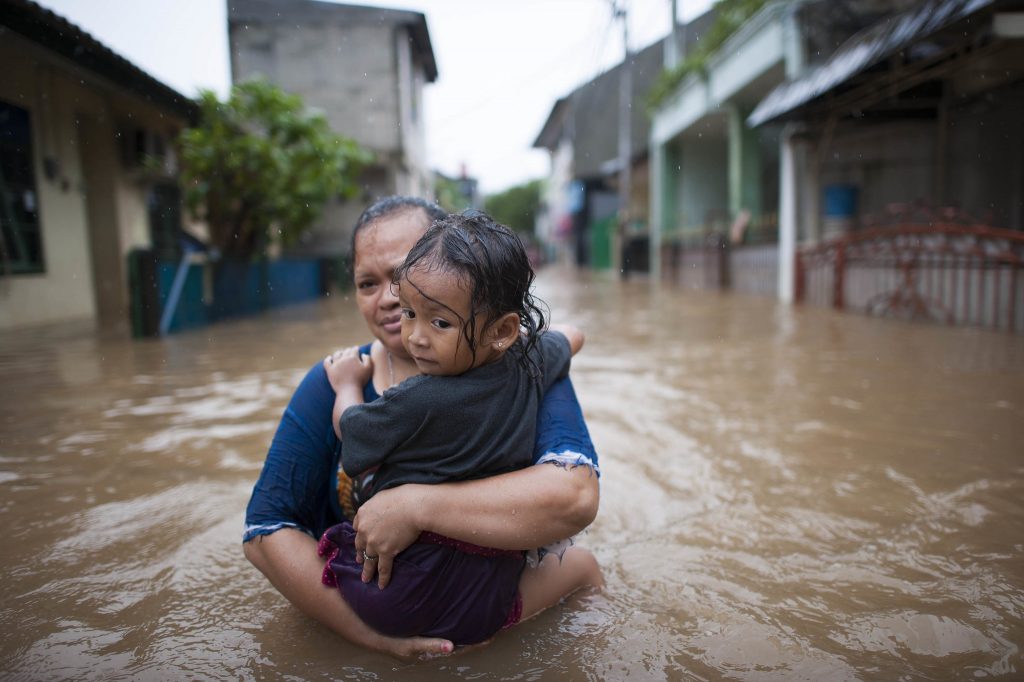
Image credit: Banjir Jakarta, World Meteorological Organization
I have spent the last 18 months encouraging effective international responses to COVID-19. I have learned that the coordinated and connected responses needed for responses to global threats are not easily achieved in today’s world. Yet unless nations can find ways to agree on the challenge, combine their responses and work willingly in synergy, success will be elusive.
Building the habit of working together is even more important when tackling climate change and its consequences. This particularly applies when exploring how changing climates affect people’s mental wellbeing.
There is indeed mounting evidence that climate change is affecting people’s minds as well as their bodies. The number who end their lives during extreme weather and climate events is on the increase. Following a climate-driven disaster, cases of psychological trauma can exceed those of physical injury by 40 to 1.
Yet the potent psychological effects of climate change are largely absent from the public and policy discourse. They need to be made tangible and accessible. This is even more important given the expected increase in the extent and severity of extreme weather all over the world.
The issue needs attention now because it has the potential to undermine the lives of millions of people. It needs professional bodies, universities, local authorities, governments and international organisations to act together now. If effective action is delayed, the scale of the challenge will increase sharply, as will the cost of action.
The Climate Cares team from Imperial’s Institute of Global Health Innovation and Grantham Institute has laid bare some of these issues in a major new review, released last week. The review sets out best how to support people whose mental wellbeing is undermined by changing climate. The proposed actions will enable them to live their lives to the full, enjoying good mental health. There is a clear appreciation of who needs to act, and how they should do so. Actions should be implemented with a view to their being adapted to local context and reviewed regularly.
Implementation can be challenging as those most at risk of climate-related mental ill-health often have limited power and agency and are hard to reach. Those who are at risk should be incorporated into any response. As health and social care systems adapt to their specific needs, they will make an even more important contribution to fair, healthy and happier futures for all.
Professor David Nabarro is co-director of the Institute of Global Health Innovation and WHO Special Envoy on COVID-19.
Download the report, ‘The impact of climate change on mental health and emotional wellbeing: current evidence and implications for policy and practice’, by clicking this link.
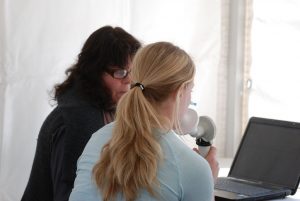
Asthma is a relatively common disease that hinders the respiration of over 300 million individuals globally, leading to episodes of wheezing, chest tightness and other severe problems.
Limitations
Indeed inhalers and other medications exist to manage the disease. However, many of these manufactured treatments have critical side effects and fail to provide relief for around one-third of asthma suffers. Bronchodilator inhalers are used by the majority of asthma suffers and although effective in treating respiratory conditions there are still some gaps in understanding on how and why these inhalers work.
According to recent reports US prices for biologics that combat asthma are to be reviewed this year.
After examining over 6,000 compounds, researchers from Rutgers New Jersey Medical School and Shanghai University in China have identified a new drug that relaxes the muscles and opens airways in egg and dust mite induced asthma sufferers.
Luis Ulloa, a lead author and immunologist at Rutgers New Jersey Medical School notes that the treatment could provide hope for asthma suffers without many options currently.
The study discovered that asthmatic lung tissue had lower levels of the protein metallothionein-2 (MT2). In fact, mice without this protein were twice as vulnerable to asthma. Treatment with MT2 improved breathing troubles.
The treatment the researchers developed from the M2-2 protein (TSG12) was found to relax airway muscle cells, widen pulmonary airways and lower pulmonary resistance.
The next stage for the candidate, which is not toxic to human cells and more successful in reducing pulmonary resistance than other FDA approved medications according to the medical school, is for it to enter clinical trials.
Luis Ulloa said: “We found that the TSG12 used in the study is both non-toxic and more effective in reducing pulmonary resistance and could be a promising therapeutic approach for treating asthma without losing their effectiveness overtime.”
By Paul Huxley, Research Postgraduate, Faculty of Medicine, School of Public Health
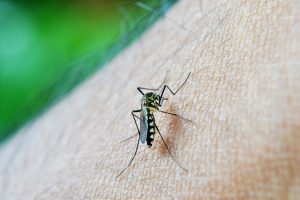
Ronald Ross, a British medical doctor of the late-19th and early 20th centuries, was first to identify the mosquito as the winged-insect carrier of malaria-causing parasites. Prior to this breakthrough, bad air (mal aria in Italian) was thought to have been the culprit. Together, Ross and Giovanni Grassi (who’s work, unlike Ross’, was controversially ignored by the Nobel Committee in 1902) uncovered a truth of huge ecological and epidemiological significance and sparked an ongoing international research effort aimed at answering fundamental questions about the processes that drive patterns of human morbidity and mortality caused by diseases carried by mosquitoes.


 Jennifer Bennett is a Senior Postgraduate Administrator for the
 Jodie Chan is a Public Involvement Officer at the IGHI’s
  Jessica Shields is an Impact Officer at the IGHI’s

 Georgia


 Caitlin Murphy is as a


 Researchers have uncovered a new drug candidate
 Ronald Ross, a British medical doctor of the late-19th and early 20th centuries, was first to identify the mosquito as the winged-insect carrier of malaria-causing parasites. Prior to this breakthrough, bad air (mal aria in Italian) was thought to have been the culprit. Together, Ross and Giovanni Grassi (who’s work, unlike Ross’, was controversially ignored by the Nobel Committee in 1902) uncovered a truth of huge ecological and epidemiological significance and sparked an ongoing international research effort aimed at answering fundamental questions about the processes that drive patterns of human morbidity and mortality caused by diseases carried by mosquitoes.