Author: Justine Alford

5 ways our researchers are working to better spot and treat cancer
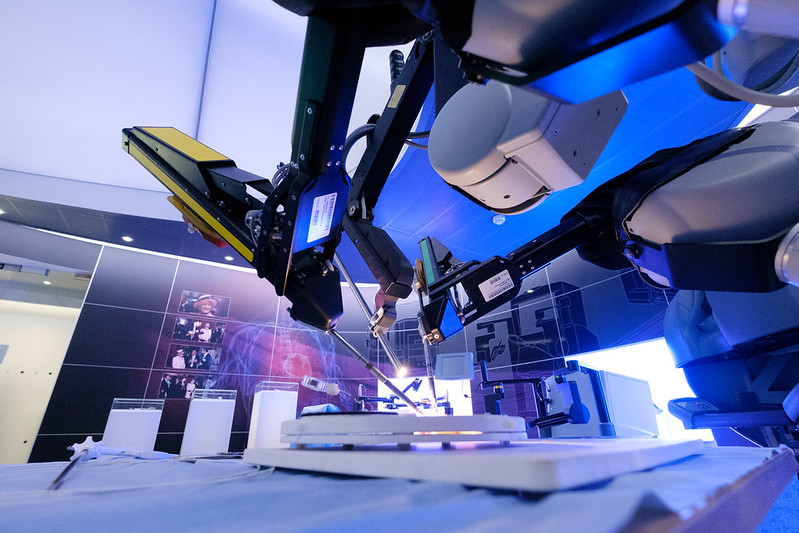
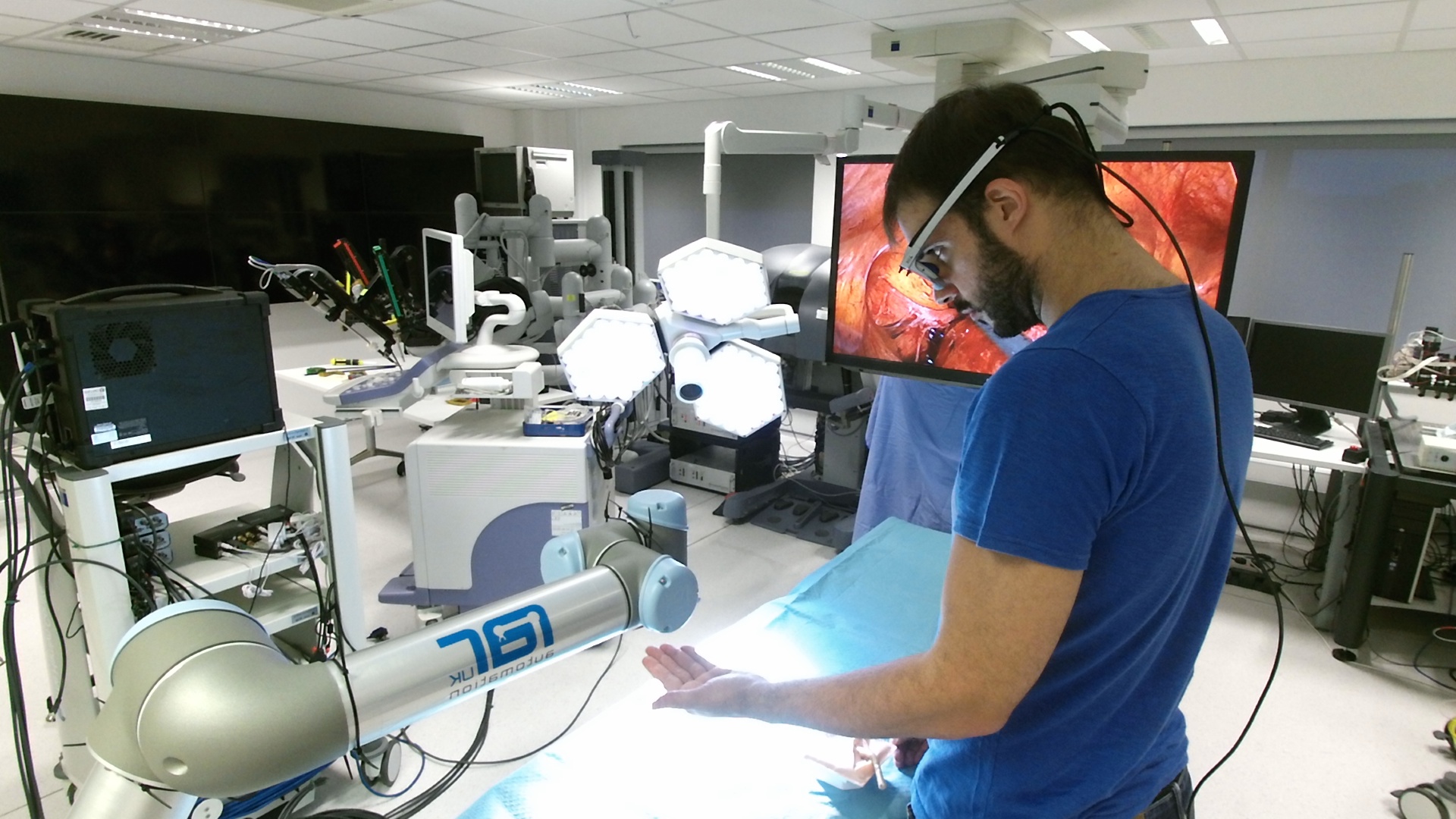
IGHI researchers are developing surgical platforms like this robot, which could improve cancer surgery.
Photo by Owen Billcliffe

Cancer survival is improving and today, half of people diagnosed will survive their disease. This is thanks to research. Research that’s guiding governments to change their policies, underpinning awareness campaigns and educational initiatives, turning discoveries into treatments and prevention measures.

But there’s still much to be done to help more people survive, by catching the disease earlier and developing better treatments.

This World Cancer Day, and as part of our celebrations to mark IGHI’s 10th anniversary this year, find out how our researchers are working to make that happen. Join us in exploring some of our projects that could lead to better detection, diagnosis and treatment of cancer.

Using AI to help spot breast cancer

We’re helping to prove the potential for artificial intelligence to improve breast screening.
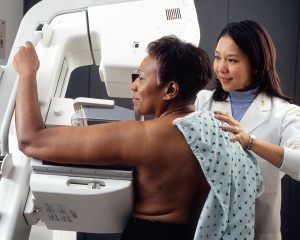
A woman being screened for breast cancer
Mammograms use x-rays to image breast tissue. Photo by National Cancer Institute on Unsplash

IGHI is part of a collaboration – including DeepMind and Google Health – which is training computers to identify tumours in mammograms using a technique called machine learning. The team’s recent study, published in Nature, found that their AI system was as good as doctors at picking up cancers – and in some cases even outperformed them.

Breast screening involves taking x-ray images, or mammograms, of breast tissue which are then analysed by human experts. While screening continues to help save lives by picking up cancers earlier, sometimes tumours are missed. It can also lead to unnecessary treatment for tumours that wouldn’t have gone on to do any harm. That’s why our researchers are examining whether artificial intelligence could reduce the rate of error in the analysis of breast screening, and ultimately improve the management of breast cancer.

“We hope this work could minimise the burden of breast cancer in the UK and internationally,” says Mr Hutan Ashrafian, study author and IGHI scientific advisor. “Not only that, but we also believe this system has the ability to support clinicians by freeing up resources and allowing them to spend more time with patients.”

Robots for safer brain tumour surgery

Our researchers are working to make brain tumour treatment more precise, with the assistance of a bespoke intelligent robotic platform.

Researchers led by Dr Stamatia Giannarou from our Hamlyn Centre are integrating a number of imaging techniques and robotic instruments to develop a system that can more accurately characterise brain tumour tissue, and distinguish this from surrounding healthy tissue. In doing so, not only could the platform enable more accurate diagnosis, but it could also guide treatment decisions and help surgeons remove more of the cancerous tissue.

Brain tumours are very difficult to treat and survival remains stubbornly low. Surgery is the mainstay of treatment for many brain tumours, but being surrounded by delicate tissue makes the procedure particularly problematic. Surgeons can’t afford to remove too much tissue or risk serious side effects, yet remove too little and the treatment will be ineffective. Giannarou’s system hopes to change this.

“I’m passionate about contributing to a highly challenging research area, where we need significant advances in robotic vision to be able to navigate challenging and dynamic environments like the brain,” she says.

Supporting decision-making for suspect cancer

We’re launching a new project to guide the development of tools that are designed to support GPs’ decisions when managing patients with suspect cancer.

Cancer risk tools are algorithms that combine certain risk factors – like age and smoking status – with tell-tale symptoms to work out the probability of a person being diagnosed with cancer within a specific timeframe. Many patients present with symptoms that could indicate cancer, so these tools assist GPs in their decisions on who to investigate and refer.

Dr Olga Kostopoulou, research lead from our NIHR Patient Safety Translational Research Centre, will be investigating how these algorithms interact with GPs’ clinical judgment. She’ll be assessing things such as user trust and control, and looking at other concerns from GPs which could influence their decisions for urgent referral.

“The project aims to provide empirical evidence on these issues,” says Dr Kostopoulou. “And, in doing so, contribute to the currently expanding knowledge base about how such tools should be designed and introduced in clinical practice.”

Imaging to detect and track advanced disease

IGHI researchers are developing an imaging tool that they hope could detect or diagnose changes in cancer that has spread, or metastasised.

Endoscopies are a commonly used investigative technique, which traditionally relies on white light to image tissue inside the body. Prof Dan Elson from our Hamlyn Centre is testing out a different type of endoscopic imaging, called Polarization- and Multispectral-resolved Endoscopy. This uses different properties and wavelengths of light to reveal more information about tissues than is possible with traditional techniques, which can essentially only capture what the naked eye can see.

Prof Elson is investigating whether this type of imaging could help detect and characterise metastases in the tissue that lines the abdomen (peritoneum). For this work, they’re collaborating with the PIPAC trial that’s testing out a new treatment for advanced bowel cancer.

“The PIPAC trial is a good setting for us because the team regularly performs biopsies which we can image in the operating theatre,” says Prof Elson. “We also have the opportunity to image in vivo at different phases of treatment, potentially in the same patient.” Ultimately, doing so could help guide decisions in the clinic.

Making tissues glow to improve breast cancer surgery

Scientists at our Hamlyn Centre are developing an imaging system based on fluorescence that could help guide breast-conserving surgery. A photograph of the GLOW camera

They’re using a fluorescent dye that could help highlight differences between healthy and cancerous tissue, and a special camera system that can image these characteristics. The researchers hope this work could make the treatment more accurate by enabling surgeons to see tumours during surgery, reducing the likelihood of cancerous tissue being left behind.

“By making it easy for the surgeon to see both the location of the tumour and the extent to which it invades, our goal is to eliminate the risk that women require further surgery as the first operation did not remove all of the tumour,” says Clinical Research Fellow Dr Martha Kedrzycki, who is recruiting patients onto a trial that’s testing the system. “This technology could also be extrapolated for use in other cancers, aiding surgeons by highlighting targeted tissues.”
Feedback First – making patient complaints easier to digest

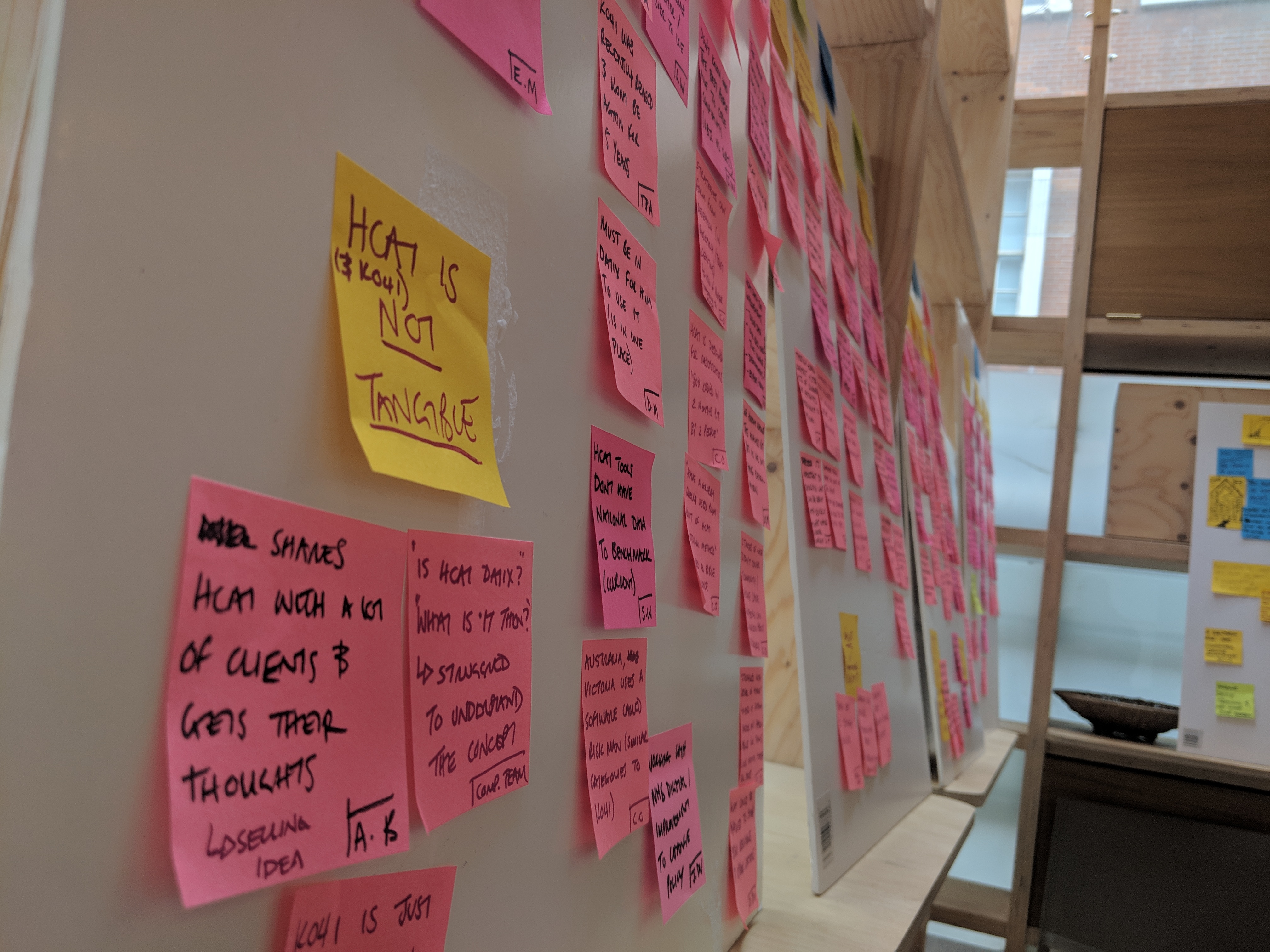
Coloured post it notes on a white board

People complain for a variety of reasons. But international evidence consistently finds that most people complain to prevent incidents from happening to others – they want to see change as a result, when they feel something isn’t right. Making a complaint can therefore be an empowering process, if people know – or feel – that their actions could make a difference.

Dealing with complaints is an important learning process for those that the complaint is directed against, but also the institution more widely. They can highlight problems that may have otherwise slipped through the net, prompting action that can prevent the same mistakes happening again and affecting more people.

That’s why complaints are such a valuable resource for health systems. They’re a gold mine of information that represents people’s unfettered thoughts, feelings and real experiences with health care, representing an important opportunity to reflect, learn and improve.

But they can also be messy.

People’s unstructured feedback is difficult to navigate and laborious to extract meaningful insights from, particularly since the NHS receives some 570 written complaints every single day. Arguably, though, this is part of what makes the feedback so valuable.

“The unstructured nature of feedback is what provides the complexity,” says Pip Batey, designer at our Helix Centre. “But this complexity is also the value. Written feedback, especially complaints, are a rich narrative of personal experiences across multiple touchpoints within the system; hospitals, GP surgeries, community services, etc.”

So how do healthcare professionals begin to make sense of this melting pot of data?

“One solution is to categorise or ‘code’ this data to make it structured, so that it can be analysed more efficiently and, in turn, fed back to hospital wards in a meaningful way that can prompt change,” says Jackie van Dael, PhD student at IGHI’s NIHR Imperial Patient Safety Translational Research Centre.

“This is exactly what the Healthcare Complaints Analysis Tool does. The issue is, it’s a well-kept secret among the complaints community. We want to drive greater engagement with this tool so that patients and families can have a greater impact on health systems, and we hope our new platform, Feedback First, will help towards that goal.”

A catalyst for change

Developed at the London School of Economics, the Healthcare Complaints Analysis Tool (HCAT) is a coding method that allows organisations to standardise the way they analyse patient complaints, and thus turn them into an effective springboard for improvement. It’s a powerful tool with great potential, yet this has yet to be realised across much of the healthcare community.

Many professionals aren’t aware of HCAT, which is in part due to the fragmented nature of the complaints community.

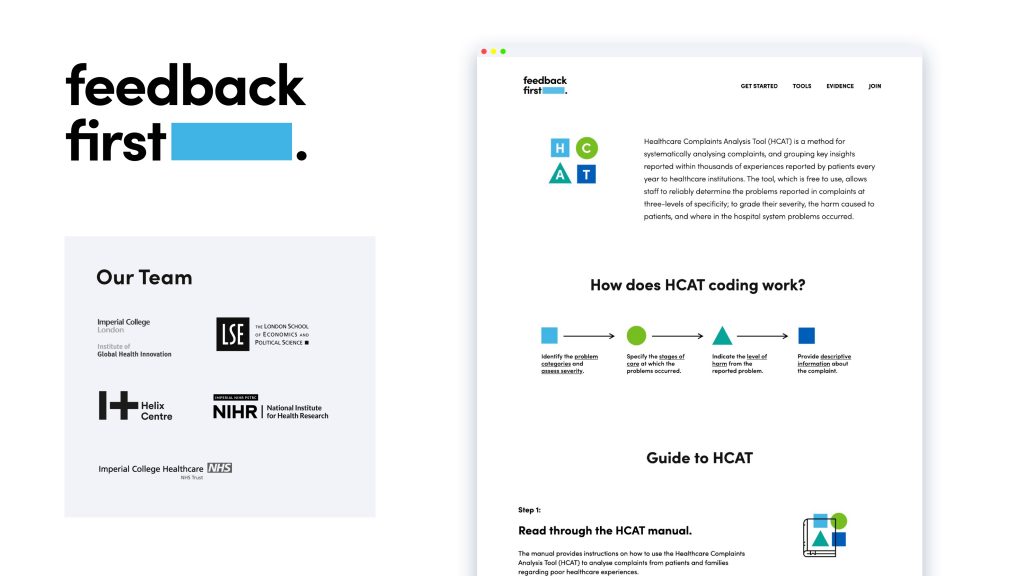
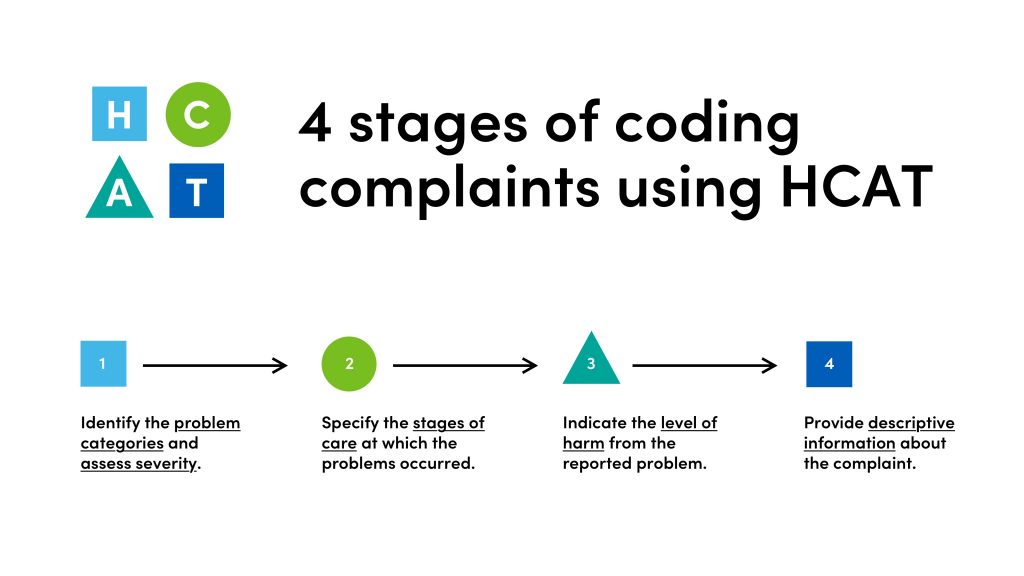
An infographic showing the four stages of coding patient compaints using HCAT
How patient complaints are coded using HCAT

Professionals therefore have little opportunity to come together to share best practices, meaning few people know what works well and what doesn’t. Added to this is the fact that patient experience data exists in siloes across the NHS, taking many different forms such as complaints, PALS, social media comments, the Friends and Family Test, among others.
Cognisant of these issues, Jackie’s and Pip’s teams came together to find a solution that could help leverage HCAT and increase its potential as a driver of quality improvement.

The researchers interviewed and shadowed a range of people, from HCAT users to patient complaints teams, and coalesced all of this information to identify emerging themes and pain points.

“We then ran a number of workshops with different users and stakeholders – clinicians, members of complaints teams, patients and the public – to try to figure out people’s priorities and needs,” says Pip.

“We started off just looking at patient complaints, but then we realised these are part of a much wider world of patient feedback.”
One major finding, Jackie says, was that staff didn’t feel empowered to give feedback to their colleagues because there was a lack of consistency and clear policies on doing so.

“This work highlighted the need for a common language that can align the feedback process and profession, and a way to highlight existing evidence on best practices to give them credibility,” she adds. “This will, in turn, provide patients and families reassurance that their concerns are listened to, and learned from.”

A spotlight on patient complaints

The team’s solution is simple. They’ve created a web-based platform for the feedback community – a toolbox for Trusts, researchers, and patient experience organisations to unite, share and learn. The idea is that this website, Feedback First, is a one-stop-shop for users to discover best practice tools, like HCAT; explore evidence that demonstrates the value of these tools, and connect with others who are seeking to make the most of patient feedback.

“By including a community section on the website, we hope to encourage people to take ownership of feedback, recognising that it’s everyone’s responsibility,” Pip says. “We’re also aiming to be a collaborative hub so that partners can join and bring in their analytical tools, enabling people to make sense of lots of different types of feedback data.”

No longer is the task of crunching thousands of comments seemingly impossible. But the end goal goes further than analysis. Ultimately, the team wants to use this data to trigger positive change in hospitals.

“In addition to traditional case-by-case complaint resolution, we want to help Trusts to systematically monitor trends in complaints data so that they can identify, for example, recurring or high severity complaints across the board,” Jackie says. “A tool like HCAT can help hospitals to visualise patient complaints data they get from using these tools. We call this ‘spotlight’ analysis.”

A screenshot of the Feedback First website, showing partners and how the coding process works
A snapshot of the Feedback First website


Scan, zoom, dissect

Spotlight analysis allows researchers to scan the high-level trends to spot areas that should be probed in finer detail. By performing further in-depth analyses of patients’ journeys through care, teams can then pick out lessons that Trusts can learn from and act on to prevent similar situations from happening in the future.

“It’s an antidote to the often fragmented and clinically-focused quality and safety data that is used in healthcare,” says Jackie, “which can be somewhat limited in providing a comprehensive picture of incidents or negligence.”

Our researchers hope these tools and techniques can enable Trusts to tangibly show how they’re responding to patients’ voices, and track the impact that resulting changes are having. It’s about listening, learning and improving.

It’s still early days for Feedback First, but the team hopes that growing this community is one important step towards safer, better quality healthcare.

If you’re interested in partnering with Feedback First, please contact Jackie (j.van-dael18@imperial.ac.uk) or Pip (pip@helixcentre.com) to find out more about this opportunity.

A simple piece of paper to help make taking medicines safer

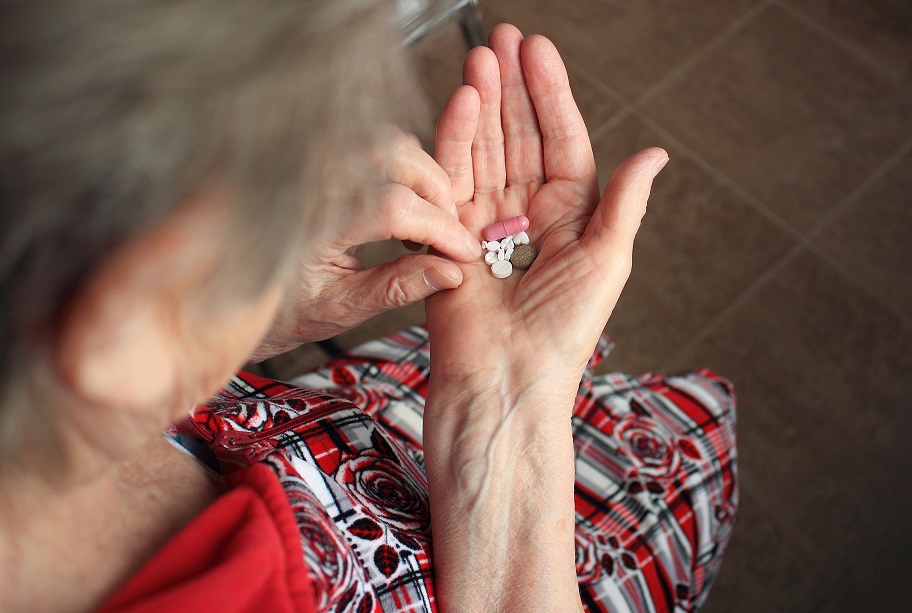
A woman taking her medicine

Taking medicines is the most common way that we attempt to stave off or treat illness. Every day people all across the world use medicines to help improve their health and wellbeing. They’ve transformed the treatment and outlook for many diseases, helping people live longer and healthier lives. Yet medicines are also a major risk to patients’ safety. And this risk is not only a result of drugs’ side effects.

Mistakes in the treatment process can also lead to patient harm. Errors can happen at any stage of the pathway; when professionals prescribe, dispense and administer drugs. In England alone, it’s estimated that over 230 million such errors occur every year, causing hundreds of deaths and contributing to thousands more. And the figure worldwide is just as grim. Medication errors cost countries across the world $42 billion annually.

That’s why our researchers want to make medicines safer, and their latest research highlights a remarkably simple solution that could help towards this goal. Published in BMJ Quality and Safety, they’ve found that basic tools for patients to record their own medication information – like paper ‘passports’ and mobile apps – could help to lower some of the risks associated with medicines. Encouraging more people to use these simple interventions could lead to greater patient empowerment, the researchers say, and enhance the safety of their care.

Obstacles to ownership

When patients move from one care setting to another – for example transitioning from hospital to the community – mistakes can happen in their care. Often this is because the systems aren’t well joined-up, meaning that patients’ information isn’t transferred properly. When this happens, patients are sometimes relied on to recount their own medical details to fill in the gaps. Not only is this frustrating for patients, but it leaves room for error if they forget certain bits of information, such as details of the medications they’re taking.

Supporting patients or their carers to be more involved in their medication could potentially help the flow of information during this process, and therefore lower some of the risks associated with transitions of care. One approach to facilitate such patient empowerment is the use of tools that our researchers refer to as ‘PHIMed’, or patient-held information about medicines. These could be a written record of their current and past treatment history, or digital apps that store the same information.

Previous research has identified some of the barriers to using PHIMed, but our researchers wanted to know more about them. They also wanted to better understand how these tools could help reduce the risks of medication errors happening.

Professor Bryony Dean Franklin and Dr Sara Garfield led the research. They interviewed two groups of patients and carers, and 16 healthcare professionals, including doctors, nurses, pharmacists, dentists and opticians. They next interviewed 60 people who use PHIMed. The research team then combined this information with existing literature to come up with a list of the most desired features of these tools, and tested several commonly used ones – both digital and paper – with a group of people to see if they matched up to people’s needs.

Finding the right match

The researchers found that many patients and carers don’t use PHIMed. People often didn’t realise the need for these tools, because they believed that accurate and up-to-date information about their medicines would be automatically available. “We were surprised that people thought healthcare information systems were all connected,” said Prof Franklin, who leads IGHI’s medication safety research. “Participants quickly considered carrying information about medicines when they found out they weren’t.”

But people who did already use PHIMed found these tools to be very helpful – as did healthcare professionals. The researchers found that patients and carers used a wide range of both paper and digital tools – from medicine passports and medical alert cards, to making notes on smartphones or using health apps. Although people generally used paper tools, the work highlighted how different people have different needs and preferences and that no single tool matched everyone’s wish list of key features.

“We found different types of PHIMed are likely to be best for different people – there’s no ‘one-size-fits-all’ solution that we should be recommending,” said Dr Sara Garfield. “Instead, it’s more important that people find a solution that works for them.”

Joining the dots

Importantly, the work also identified how these tools can help make medicines safer. Users and professionals reported that PHIMed helped ensure a complete and accurate list of medicines. By filling in gaps in patchy records, they smoothed the process of information transfer between care settings. They also seemed to empower patients to take ownership of their health, enabled better monitoring of conditions over time, and allowed patients and professionals to track whether medicines were working or not.

On top of this, one scenario where PHIMed may be particularly important is in emergency situations. In these cases patients may be unable to communicate with professionals and their carer may not be present to do so.

A step towards safer medicine use

As such a simple way to enable better communication about medicines, and therefore facilitate their safe use, the researchers hope that research like this will help to promote the benefits of PHIMed and encourage their uptake.

“We need to raise awareness of the purpose and value of carrying PHIMed among patients, carers and healthcare professionals alike,” said Prof Franklin. “Our findings suggest that many more people may be willing to carry it if they knew how helpful it could be.”

But such endeavours should avoid a bias towards one type of tool over another. Instead, they should empower patients and carers to find a method that works for them.

“Everyone is different, so we need to help patients to find the PHIMed tool that best suits their needs,” added Dr Garfield.

“PHIMed isn’t a panacea for medication errors. But it is one small step that we hope more people will take to enhance the safety of their healthcare.”

NHS data is valuable – how can it ensure a fair return?

This photograph of a doctor and patient represents a discussion over NHS patient data

By Gianluca Fontana and Saira Ghafur, Centre for Health Policy

Our National Health Service owns some of the most comprehensive patient data sets across the globe. This makes these data a very valuable asset – not just as a springboard for improving health and care through learning from the data, but also in terms of the potential for financial return. It is critical that if the NHS shares this data with companies, in an appropriate and secure way, it also receives a fair share of this financial return.

These are arguments we make in a new article published in Lancet Digital Health. We also highlight the need for a wide and transparent debate on this topic, alongside making some key recommendations for policy and practice change in this area. By taking these critical actions, we believe that we all stand to benefit – both as patients and taxpayers.

The value of NHS data

Healthcare data is extremely valuable. Through increasing our understanding of health and how healthcare systems are working, it has the potential to make care more effective and efficient. Thus, improving patient outcomes and financial sustainability. In other words, it can help providers and health systems, like the NHS in the UK, get better at what they do.

It can also enable the discovery of new drugs or the development of new technologies, including digital health applications and artificial intelligence algorithms. Accessing healthcare data is therefore a priority for businesses and research institutions, which traditionally drive this type of innovation. In doing so, they certainly can help develop a better future for our healthcare systems.

However, giving access to sensitive data, even in anonymised form, to private organisations is something that the public has often expressed concerns about or rejected altogether. It is therefore critical that if the data is shared, it is done with the awareness and support of the public. And, according to secure and well-defined processes. Shortcuts should be avoided. The public should also be properly consulted and listened to, not nudged towards what policy wonks like us, even if well-meaning, think is right.

The issue of how to share the financial value generated from healthcare data merits a lot more attention and discussion than what has been the case so far. If NHS data leads to successful products or innovations, should the NHS receive something in return? We believe the answer is yes.

Ways to ensure a fair share

Our recent article in the Lancet Digital Health is an attempt to start a more vibrant and wider debate on this topic. We believe this should involve the public, healthcare practitioners, policy-makers, academics and colleagues from the private sector.

In the article, we suggest the need for an updated policy and decision-making framework to ensure that the NHS realises fair financial value from its data. We strongly recommend that NHS organisations consider a wide range of mechanisms to capture some of the value, including:

  • Getting free or discounted access to products developed from the data
  • Receiving a one-off payment in exchange for data access or a series of one-off payments based on regulatory and commercial milestones
  • Receiving a royalty payment or share of the revenue from the products that are developed using the data (including by leveraging shared ownership of intellectual property generated in connection with the partner’s data mining)
  • Receiving a share of the profits of the company commercialising the data
  • Receiving a share of the equity in the company commercialising the data
  • Receiving a so-called ‘golden share’, which in specific predetermined circumstances can out-vote all other shares in the company commercialising the data

The right approach will vary from case to case, but it is important to consider the full range of options.

It is critical that this issue is discussed more widely and that an approach supported by the public is identified and implemented. As shown by recent press coverage and by the debate leading up to the last UK general election, less-than-transparent or rushed attempts to take action in this area are likely to generate significant resistance, and to negatively impact trust in the NHS and the progress towards a better, data-supported future in healthcare.

Gianluca Fontana is the Director of Operations at IGHI’s Centre for Health Policy. Dr Saira Ghafur is the Centre’s Lead for Digital Health. 

Our year: IGHI’s proudest moments

IGHI lit up the Queen's Tower on Imperial campus to celebrate world patient safety day
Lighting up the Queen’s Tower in honour of World Patient Safety Day was just one of our many proud moments this year.

As the year draws to a close, we look back at some of IGHI’s best moments over the past 12 months. From launching new trials to test out promising health innovations, to partnering for better mental health, our Institute has achieved many things we’re proud of.

Find out how our progress is leading us towards our ambition of transforming health and care for all. (more…)

Not just for Christmas – how Xbox technology could help transform healthcare

A man with a robot in a laboratory
Xbox tech could soon offer a helping hand in operating theatres

Many will be wishing to discover an Xbox-shaped gift glittering under the Christmas tree this year. Aside from the seemingly endless hours of entertainment, joy, frustration and competition that these consoles offer, Xbox technology – and other similar gadgets – is finding uses outside of the gaming world, and in the healthcare research sphere. (more…)

Sharing healthcare data for better and safer care

A photograph of a stethoscope and healthcare data

By Dr Ana Luisa Neves, General Practitioner and IGHI Research Fellow

The promise of healthcare data is staggering and now, we have the information and tools to use it effectively that we’ve never had before.

Electronic health records can contribute to making life-altering changes in patient education and treatment. We’re increasingly realising their potential as a powerful resource for researchers and policymakers. Applying big data analytics in electronic health datasets can help us better understand patient needs. We can identify underserved or excluded groups and therefore contribute to delivering safer, better, and more patient-centred care.

However, much still needs to be done to increase the availability of healthcare data before these goals can be realised. Current barriers to access and sharing could include public buy-in and a lack of engagement by healthcare providers. Worldwide, governmental initiatives have been advocating for the use of electronic health records to widen access to patient data.

In 2013, for example, NHS England launched Care.data with the same vision of opening up patient data, including to researchers and organisations outside of the NHS. Yet, progress of the programme stalled for a variety of reasons and was finally abandoned in 2016. It was criticised due to the lack of information about the benefits of data sharing, and general concerns about data security.

Early engagement of healthcare professionals is key

What have we learned from these experiences? One of the key messages was that although governmental endorsement is important, it is not enough to ensure successful implementation of data sharing initiatives.

To be effective, any communication around data sharing must get healthcare professionals on board with the policy early. They should be encouraged to make the case for data sharing to their patients. At the frontline of care delivery, they’re often the first and closest contact point for patients to discuss the purposes and the benefits and risks of sharing healthcare data.

At our multi-stakeholder event in 2017, “Sharing Data, Shaping Views”, John Norton, Patient, Public and Carer Representative aptly said, “nothing will ever replace a one-to-one explanation by a healthcare professional”. As such, healthcare professionals can have a critical impact on patient awareness on this subject, and ultimately on the availability of healthcare data.

And that is why it’s so important to understand their perspectives, listen and address their concerns – and engage them early and meaningfully in the design and communication of data sharing processes to patients.

Acknowledging the concerns of healthcare professionals

In our most recent paper published in the Journal of Medical Internet Research, we explored the perspectives of healthcare professionals across England on using healthcare data for secondary purposes, i.e. those that aren’t directly related to patient care, such as research.

We interviewed 30 individuals from a variety of roles in both primary and secondary care. Our results highlight that healthcare professionals widely acknowledge the benefits of using healthcare data to understand patient needs, and to improve and tailor the planning and delivery of healthcare services. Yet they still have concerns on a range of issues including the accuracy of the records, patients’ willingness to share data, and the overall lack of understanding of current policies on data sharing.

Translating evidence into change

Through our research, healthcare professionals expressed that they felt the need for clear policies to assess and monitor data quality. They suggested using established guidance to obtain informed consent, and promote a strong cybersecurity culture. To achieve this, both infrastructure investment and culture change are crucial to minimising both accidental and malicious data breaches that could threaten patient trust and safety.

To be successful, decision-makers must listen to and incorporate these views into national and international data sharing policies. Strategies to overcome the concerns will be critical to increase public awareness and patient buy-in, and therefore data availability, if we are to fully embrace the potential of using healthcare data.

Read the paper, ‘Health Care Professionals’ Perspectives on the Secondary Use of Health Records to Improve Quality and Safety of Care in England: Qualitative Study’ in full here.

Dr Ana Luisa Neves is a General Practitioner and Research Fellow in Clinical Analytics and Patient Safety at IGHI’s Patient Safety Translational Research Centre.

Melting minds: how is the climate crisis affecting our mental health?

A hand emerging out of open water
Photo by Nico Macaspac on Unsplash

By Dr Emma Lawrance, IGHI Mental Health Innovations Fellow

It is the cliche refrain that every new generation hears: “You don’t know how lucky you are. Back in MY day…” [insert terrible circumstance here]. And young people today are indeed lucky in many ways, with new opportunities facilitated by new technologies always emerging. But they also face rising mental health challenges. Levels of emotional distress are increasing in UK youth to the extent it’s oft branded a “crisis”.

The finger of blame is pointed to numerous potential causes – increased pressure in the schooling system, social media and cyberbullying, unstable employment prospects. No-one knows for sure.

Young people today are also facing a global future that looks more uncertain and more challenging for humanity thanks to the impacts of the climate crisis and ecological breakdown. And thanks to hyper-connectivity, the threats to our ecosystems and civilisation itself are now presented to us constantly, through the 24/7 news cycle straight to our pockets. It is young people around the world who are leading the charge on climate action, because they are only too aware of what will happen if they don’t. But what is this awareness doing to their mental health?

A rising tide

A growing number of people are sharing their struggles to process loss, fear and anger about ecological breakdown and the climate crisis. Parents are writing into newspapers, and psychologists are reporting more and more people seeking support for what they are terming “eco-anxiety” or “ecological grief”. The feelings of loss and distress about the transformation of one’s homeland has been termed “solastalgia“. There was an outpouring of ‘me too’ following a character on the TV show “Big Little Lies” hiding in the cupboard in her classroom after learning about climate change.

Young people protesting about climate change
Young people across the world have been striking in protest of human-induced climate change. Photo by Mika Baumeister on Unsplash

Sometimes, the testimonies are of those who find their symptoms of mental illness worsening when confronted with the facts of the climate crisis. For others, such information or experiences generate new symptoms. From a neuroscientific perspective, these difficulties make sense. Neuroscience tells us that those with a tendency to experience anxiety struggle with uncertain situations, and that a lack of control over outcomes can further drive anxiety. Both uncertainty and a lack of control characterise many current global trends.

But beyond these conjectures and anecdotal reports, there are currently more questions than there are answers. What is the prevalence of mental ill-health worsened by concerns over our uncertain future? Who is affected? How? Is this really a factor driving increased emotional distress in children and young people? When is the response of fear and anger unhealthy and unhelpful, and when is it a healthy and rational response to the facts?

There is limited hard evidence here, though a few survey results indicate it warrants attention. A Yale study of US adults found that of those who know climate change is happening, 62% feel afraid and helpless. In the UK a smaller (and perhaps less rigorous) survey found 40% of 16-24 year-olds feel “overwhelmed” by climate change. This echoes another small commissioned US survey revealing 72% of 18-34 year-olds reported negative news stories about the environment sometimes impact their emotional wellbeing.

Bringing hard evidence to a hot topic

The mental health implications of climate change are receiving growing clinical and academic attention. The American Psychological Association issued a 2017 report on “Mental Health and Our Changing Climate“, and a recent issue of Nature Climate Change was dedicated to the mental health implications. These reports are echoed in a flurry of recent papers, media articles and conferences. While the more intangible, indirect links still lack evidence, we know more about the direct impacts of climate change on mental health. Many are shocked to learn that psychiatric medications can impair the body’s ability to regulate temperature, including patients themselves. Heatwaves and atypical weather are linked with worsened mood, more severe symptoms of mental illness and increased episodes and hospitalisations for psychosis and other mental health issues (e.g. see here, here and here). At a local and global scale, are healthcare systems prepared for this?

The picture is complex, and hence effect sizes hard to measure and plan for. With mental health far less understood and generally overlooked compared with physical health issues, it perhaps comes as no surprise that it has been absent from the conversation on climate crisis action and adaption. This needs to change.

The Institute of Global Health Innovation will work with the Grantham Institute to begin to understand what we know, and importantly what we don’t know, about the implications of climate change for mental health. We can work with clinicians, health economists, climate change researchers and public health experts to address these questions. And importantly, work towards solutions. We can work with IGHI’s network of mental health charity partners to understand the impact on the mental health of young people. Only once we have a growing evidence base can we properly account for this in government, in the healthcare system, and in our plans to help individuals and communities adapt to a changing climate. We want to help young people feel lucky again.

A rainbow emerging from clouds on a black background
There is reason to be hopeful for the future. Photo by Makoto Tsuka on Unsplash

Dr Emma Lawrance is the Institute of Global Health Innovation’s mental health innovation fellow. You can read more about her work here.

Playing with nature and technology for innovative children’s hospice care

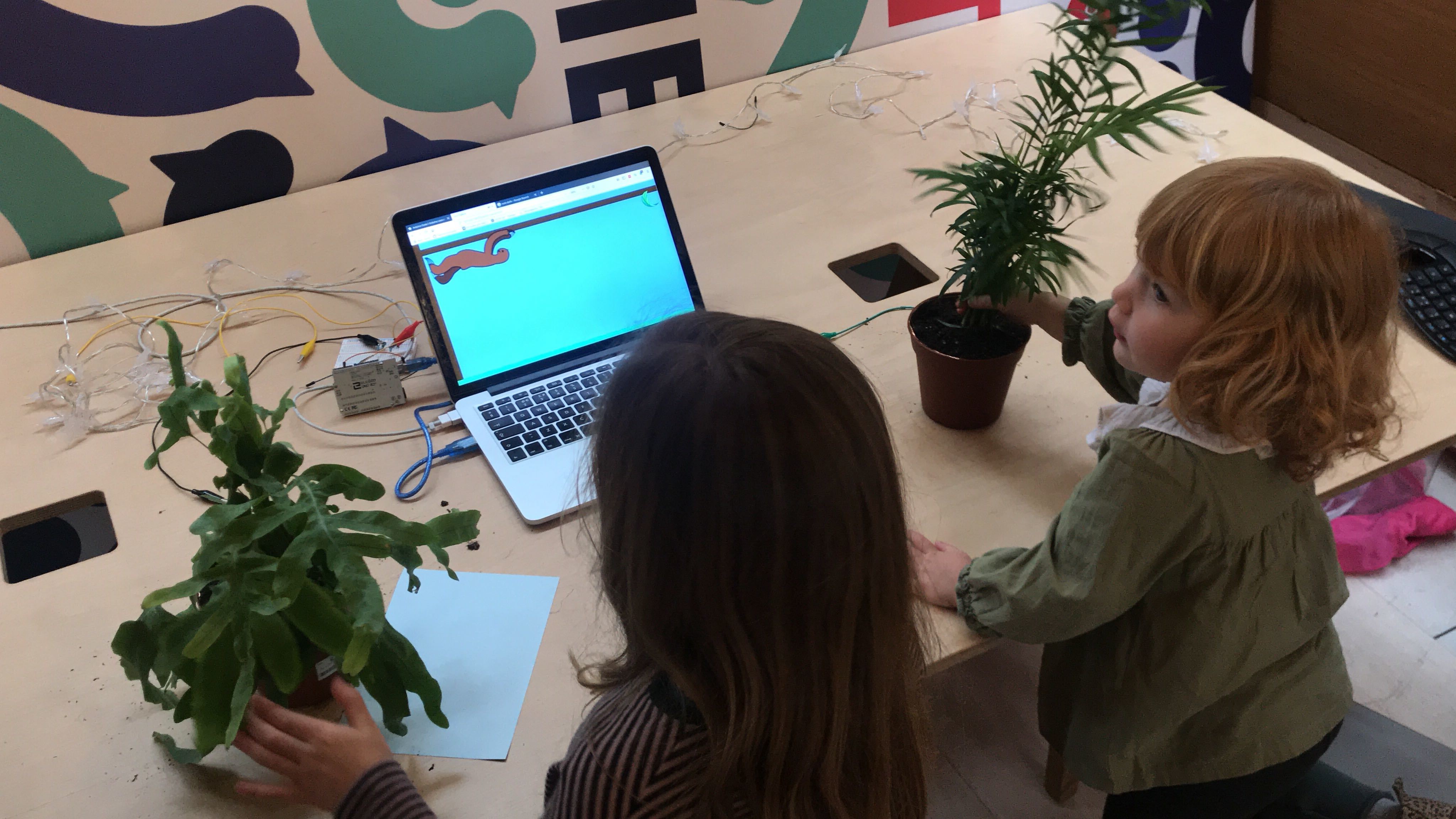
Two young girls playing a game using plants
Blending design, nature and technology to improve children’s hospice care.

By Ivor Williams, Senior Design Associate

Every day, around 360,000 babies are born around the world. Most will lead long, healthy lives into adulthood. Sadly, a minority experience a very short life due to illness or live with a long-term or life-limiting disease. For these children, palliative care can transform their experience, helping them live with a greater quality of life, while also supporting their family and friends.

Palliative care is an active and total approach to care, from the point of diagnosis, throughout the child’s life, to death and beyond. As a holistic care it embraces physical, emotional, social and spiritual elements and focuses on improving the quality of life of everyone involved. It includes the management of distressing symptoms, care at the end of life and bereavement support.

Children’s hospices provide the most comprehensive palliative care. But globally, there is a chronic lack of them. The demand is high yet hospitals and other organisations have limited resources and capability to offer holistic care required. Hospice care has therefore traditionally been left to the charitable sector. Indeed, most children’s hospices begin life as families grouping together to create the service themselves, due to the rarity of many diseases and illnesses affecting children.

Thanks to advances in healthcare more children now survive their illness for longer, and live to adulthood. This means there is a greater need to act systemically about how hospice care is delivered. Developments in technology and changes in care delivery mean that the hospice service itself moves beyond the walls of a building, into the community. With this evolution in mind, what might innovative children’s hospice care look like now and in the near future?

Designing with children at the centre

As designers, technologists and clinicians at the Helix Centre, we’re using an approach called human-centred design to help transform children’s hospice care. This is a creative process that begins with the people we want to design something for – such as patients, their families and professionals – and spending time with them, to learn about their needs and understand the problems they face. It ends with innovative, tangible solutions tailored to meet those needs. We believe hospice care that can use design and technology successfully and meaningfully can transform the way professionals deliver care, and significantly improve the care experience for patients and their families.

To understand the human needs within the children’s hospice environment, we conducted interviews with families and staff; shadowed children’s hospice staff; reviewed the literature of potential technology applications; and profiled best-practice children’s hospices from around the world. These helped generate many key insights that drove our work, but some stood out as particularly important.

Firstly, we learned that every hospice we encountered offered emotional and psychological support for patients and parents, but only a few did so for siblings. Furthermore, for the family of an ill child, one of the biggest problems was often around the deterioration of the family unit itself. Siblings of an ill child would often become a carer to their brother or sister, spending lots of time in medical environments, and often losing opportunities to bond with their siblings in a way that other families would do normally.

We believe that innovative technologies could help better support family and professional needs, largely because their use in children’s hospices are very limited. There is a huge scope for change to support families, particularly siblings. We also learned of the unique spaces that children’s hospices created, and how that might support innovation.

Plant power

For a children’s hospice, a garden can be a place of refuge, play and relaxation. The leading hospices we assessed placed great value on the ability for children, young people and families to be in nature if they wish. The reason is clear: being in nature can take us away from ourselves, invoke feelings of calm and appreciation, and makes us feel happier.

A signpost about a garden at a children's hospice
Some hospices put great emphasis on outdoor space and interacting with nature.

After spending time in children’s hospices – both in the UK and abroad – we were inspired to consider the outdoor space to be as integral to the hospice service as any of the indoor facilities or medical care. It also provided an opportunity for us to investigate innovative approaches to holistic care, using new research and practices that are emerging in palliative care around the world, notably garden therapy. Furthermore, we saw this as a way to potentially meet the identified needs of children and families through the simple act of engaging with nature in a unique, specialised setting.

With that framing and insight we created a prototype: the Connected Garden. This unique product fuses the concept of horticultural, or garden therapy with meaningful uses of technology. Garden therapy uses nature to support wellbeing, and so our goal was to enable and support accessible use of garden space. We wanted to design something for every visitor and patient of the hospice.

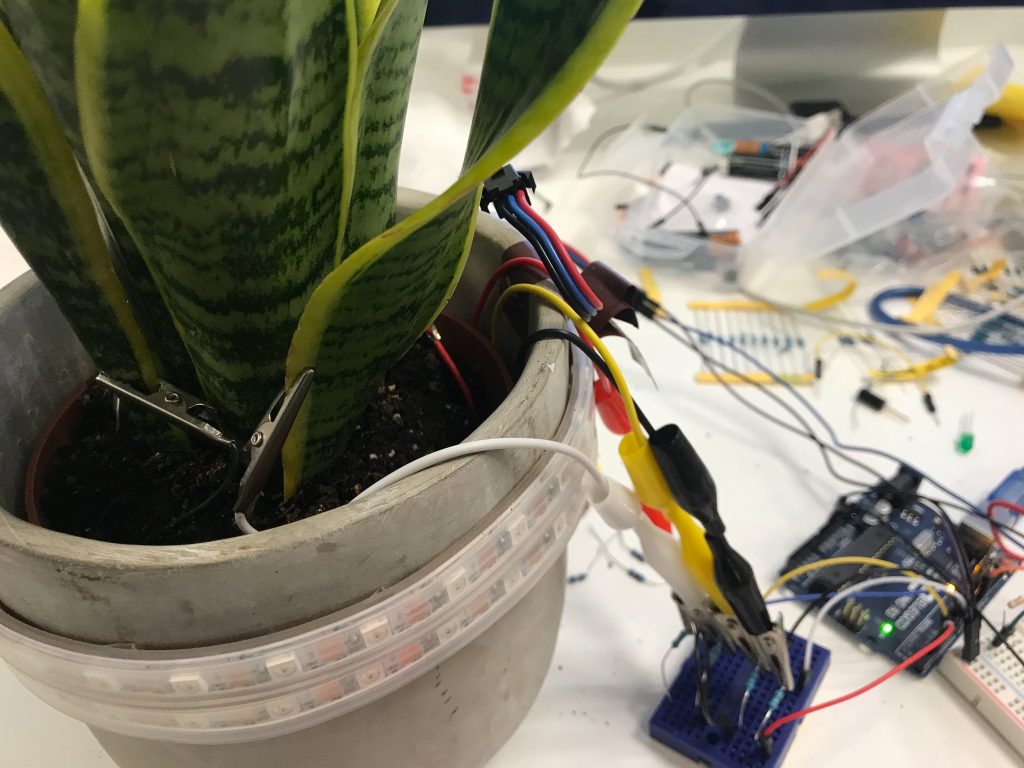
The Connected Garden is an interactive ‘plant synthesizer’ that acts as a tandem activity between two children. We use plants as a physical touch device that generates an output – such as music and light – that enables children to play screen-based games and engage with each other in a highly accessible way.

A photograph of a plant connected to electronics
The Connected Garden merges technology with horticultural therapy.

A unique approach to palliative care

In our testing sessions with children and young people at the Helix Centre and St Mary’s Hospital, children playing with each other didn’t communicate verbally to cooperate. Instead they figured out how to touch or let go of the plants in order to win our simple games, through the feedback of the game itself. We think that children with limited speech and mobility but unaffected mental function could therefore really benefit from this type of approach.

As we observed, the experience seemed to take children away from the reality of being at the hospital. One child remarked they were scared of being at the hospital before playing, but was bright and upbeat afterwards. They seemed to be happy and immersed in the experience.

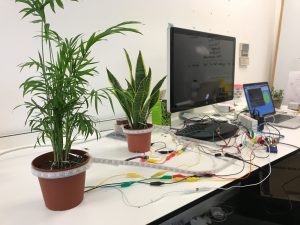
A photograph of plants connected to a computer that could be used in a children's hospice
Plants-as-interfaces could help children engage with their siblings in hospices.

We believe there is a fantastic opportunity to blend the technological approach in prototype with the horticultural therapy practices that are used in hospices, set in the unique garden space and interior spaces at the children’s hospice. The Connected Garden prototype is the first experimental step in developing holistic products and services for young people and their families.

We also believe it is important to bring the hospice outside to nature. We feel there is a huge opportunity for outdoor activities in which the children explore nature, play in safe surroundings, and experience the sights, sounds and smells of the outside world as part of an overall therapeutic experience.

We want to ensure that every child and family has access to the services they need, harnessing the best products, services and experiences possible. We believe that future hospice care that uses technology can transform the way that care is delivered and experienced, helping professionals, patients and their families alike.

You can see the Connected Garden prototype at the Imperial Lates event on 9th October. Register for free here.

Ivor Williams is a Senior Design Associate at the Institute of Global Health Innovation’s Helix Centre.

How robots in space could lead to better healthcare on Earth

An image of a robot's finger touching an astronaut's finger in space

Working in space comes with its fair share of challenges, to put it lightly. There’s the lack of gravity, extreme temperatures, intense cosmic radiation, delays in communication, clunky space suits, to name just a few things that astronauts contend with.

This complex environment means that tasks we would consider straightforward back on planet Earth, such as gripping and manipulating objects, are surprisingly difficult and time-consuming to accomplish. As humans continue to ramp-up their space exploration endeavours, attempting more daring feats and travelling deeper than ever before, scientists need to address these obstacles for future missions to be successful.

One potential helping hand could come in the form of robots. While the likes of R2-D2 and C-3PO remain in the realms of science fiction, robots have been used successfully in space for some time – think the ISS’s Canadarm, and the rovers trundling across Mars. But through project FAIR-SPACE, our researchers are hoping to improve the way that astronauts interact with them.

“We’re working on human-robot interactions in space, specifically how astronauts can operate robots from a distance,” says Dr Fani Deligianni, FAIR-SPACE researcher from IGHI’s Hamlyn Centre. “We’re aiming to enable more automation in space and to facilitate ways for people to be able to work with robots in a more collaborative way, and ultimately apply what we’ve learned to healthcare back on Earth.”

Sensing human capabilities and intentions

FAIR-SPACE, or Future AI and Robotics for Space, is a collaborative hub led by the University of Surrey that’s aiming to accelerate the development of artificial intelligence and robotics for space exploration. Deligianni and the Imperial College London research team are focussing on remotely, or tele-operated tasks in environments where it’s difficult for astronauts to travel safely.

Astronauts orbiting a distant planet from the safety of a station, for example, could control robots on the ground without having to land themselves. Robots could also make lighter work of much simpler operations like routine station maintenance, where the lack of dexterity offered by space suits, coupled with strength limitations due to deteriorating muscle mass from working in low gravity, create difficulties.

To develop better systems for such situations, the FAIR-SPACE work is focused on using virtual/augmented reality to run simulated tasks. In these simulations, the user operates a robotic arm – much like what happens, in reality, on the ISS. The researchers investigating a number of potential ways to improve performance. One of these is an emerging field called neuroergonomics, which studies the brain in relation to work.

“What we’re doing is monitoring the brain state of an operator to provide feedback that can hopefully enhance their performance, and also minimise performance differences between operators,” Deligianni explains.

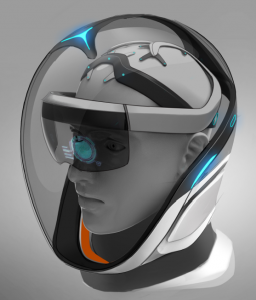
An artist's illustration of a hololens headset underneath an astronaut's helmet.
An illustration of an astronaut wearing an augmented reality headset underneath his helmet.

How this works is a number of wearable technologies are employed to take various measurements from an operator, which are then fed into an AI algorithm. These readings include brain activity through an EEG skull cap, and eye-tracking through smart glasses (i.e. a hololens headset).

“The idea is that we integrate these measurements and use AI to determine the operator’s awareness and mental workload, and when their performance deteriorates,” says Deligianni. “We can then use the augmented reality feature of the hololens headset to provide direct feedback to the user as they’re working. This will hopefully improve their attention and make them more aware of the task at hand.”

Stress, sweat, share

The brain isn’t the only part of the body that the researchers are interested in. Dr Bruno Rosa and Panagiotis Kassanos are also developing flexible electronic sensors that can be worn on the body. These wearables would again monitor various different signals, including heart rate and a reaction to stress called galvanic skin response, where increased sweating changes the electrical characteristics of the skin.

The idea is that this information would be pooled to determine an individual’s stress levels, again with the ultimate aim of improving performance.

“When people are under pressure it can improve their performance up to a point because it makes the task more interesting,” says Deligianni. “But there’s an upper limit, beyond which performance begins to suffer. We want to be able to detect where this peak is and respond, either by alerting the operator or their team so that they can intervene and share the load.”

Fellow teammates aren’t the only option for divvying up tasks at critical times. This is again another opportunity for humans and robots to work together on a job, combining the strength and dexterity of robotics with the judgment and decision-making skills of a human.

“A major part of this work is shared autonomy – operating modes where the machine accomplishes part of the task, but the operator is in control to some degree,” Deligianni explains. “We want to find the right balance between the two for the best performance in a task.”

Already the group is exploring varying degrees of autonomy in their virtual reality simulations, coupling performance measures like gripping accuracy with the physiological signals collected through the wearable devices. “If we can find differences in performance, then this could indicate ways to effectively modulate their workload,” Deligianni says.
[youtube https://www.youtube.com/watch?v=KPF4Qm5ToqQ]

Watch this simulation, from Deligianni’s team, of an astronaut’s interaction with robotic systems at the ISS.

From robots in space to the operating theatre

At the moment the work is specifically looking at interactions in space, but the research could also be applied to other extreme environments on Earth where it’s dangerous for humans to be working. And while this research journey may seem an unconventional path for a Centre that’s fabled for its work in medical robotics, the project actually has roots in the operating theatre back on Earth.

Like astronauts, surgeons need to work on intricate and highly delicate procedures, under an enormous amount of stress. Space missions and surgery are also safety-critical and require specialist skills and lengthy training. Surgeons and astronauts also need to cope with incredibly high workloads, which is why Deligianni is collaborating with Hamlyn surgeon Mr Daniel Leff, who helped develop the “cancer-sniffing” iKnife, to share learnings between these two different yet parallel environments.

More than just rooted in medicine, Deligianni has aspirations that all of this work could have healthcare applications back on Earth. For example the group is working on a wearable electronic suit, or exoskeleton, that could not only facilitate task performance, but also tackle the issue of low gravity-induced muscle atrophy. “These exoskeletons could also help people who have musculoskeletal diseases or tremor,” Deligianni says.

“My hopes are that ultimately, we’ll be able to actually see this research used in healthcare and in space soon.”

Dr Deligianni gives thanks to Daniel Freer, Rejin Varghese, Shamas Khan, Anh Nguyen, Stephanie Pau, Yao Guo, Bruno Gil Rosa, Panagiotis Kassanos, Fani Deligianni, Robert Merrifield, Guang-Zhong Yang, who have all contributed to this project.