Month: July 2018

Master’s 3.60 – An Opportunity for Public Engagement

by Rosie Dutt, MRes student in the Department of Chemistry

Within academia, each individual is working diligently towards their research aims. It is fair to say there have been many nights where some may be working tirelessly to fix a programming code, whilst others ponder over why their reaction series has not worked. Eventually, we reach the end of our research once our scientific questions have been fully explored, with the aim of a publication into a prestigious scientific journal. However, this results in our work being read by our peers within the field, and on some occasions, by individuals with allied interests into the research area – but seldom by the general public.

This is unfortunate, as most the research conducted at Imperial – and indeed around the world – has significant impact, not only in academia, but also to society, the economy and the environment. Consequently, there has been a lot of emphasis recently to engage individuals outside the discipline and to raise awareness as to how the current research can impact them. I believe the Master’s 3.60 competition endeavoured to do just this, within Imperial itself!

The Competition

This was the second year of the cross-departmental initiative across all the master’s courses at Imperial. The first phase required students to submit a single slide detailing the background, methods and impact of their research; alongside a recording describing their study within 2 minutes. The process of preparing the submission required us to command a detailed understanding of what our research entailed, in order to get the key points across. Hereafter, 16 individuals were selected as finalists, including myself!

The second phase required us to present our research within 3 minutes, to an audience of our peers, and a panel of judges, with the aid of 4 slides. The slides were split such that there was now one for each aspect of the requirements (introduction, background, method and impact). Finalist were required to present in succession of each other, with judges ensuring the 3-minute rule was adhered too. When the results were announced I was awarded second place!

My Experience

My research is in partnership with Great Ormond Street Hospital and focuses on investigating traumatic brain injuries in children, to see how this results in structural, functional and cognitive brain changes – as assessed by imaging techniques and neuropsychological assessments. Preparing for the competition required me to assess what I had done, how I had done it, and the impact it would have on society, the economy and academia itself. This allowed me to identify key aspects of my research, and succinctly deliver it in a manner which was accessible to all.

Whilst preparing for the presentation, I attended a Mastering Presentation Skills workshop run by Dr Helal Ahmed. This required contestants to practice their presentations alongside each other and obtain feedback. I found this exercise extremely useful, as I was able to learn more about what further skills needed to be showcased, that being: confidence, enthusiasm, clarity, accessibility and relatability. I also took the opportunity to present in front of my research group, who provided feedback on how to better the presentation.

Personally, the competition helped me to develop my presentation skills by honing in on being as concise as possible; since conveying research conducted over 8 months, in 3 minutes, was quite a task. This has no doubt helped me with the structure of writing my manuscript and to focus on the application, and wider impact of the study. Furthermore, this was a great opportunity to communicate science, develop public engagement skills, and represent our respective departments.

Having a strong interest in science communication myself, I was very excited to hear about the research conducted by my peers. It was truly inspiring to see the amount of impactful research that was occurring within Imperial. Thus, I would recommend everyone to apply to the competition as it is a great way to start thinking about your research in a wider context, develop your confidence and presentation skills, as well as learn about the great research occurring within the university.
Cross CDT Reunion at Karaoke @ “The Star of Kings”

by Martin Prießner, PhD researcher in the Department of Chemistry

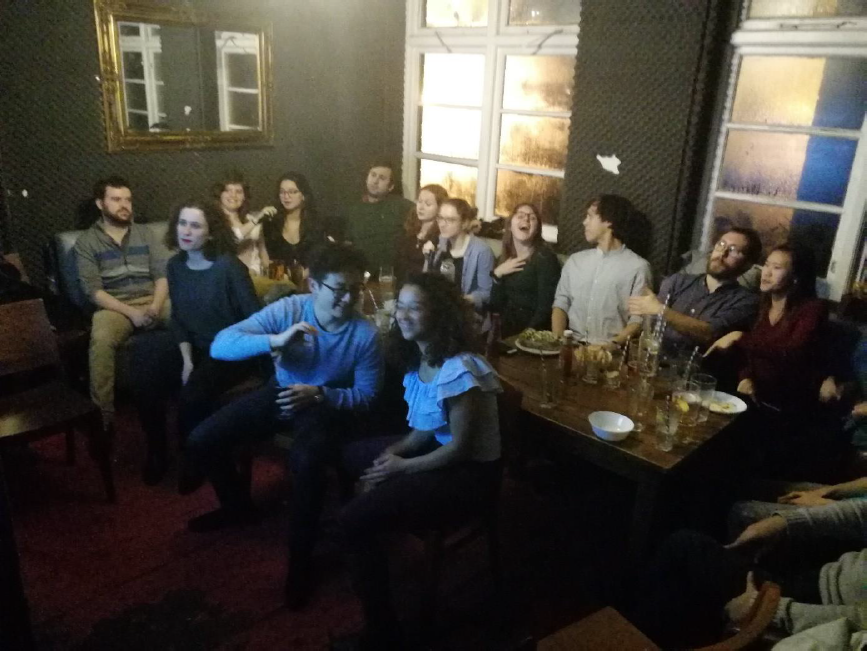
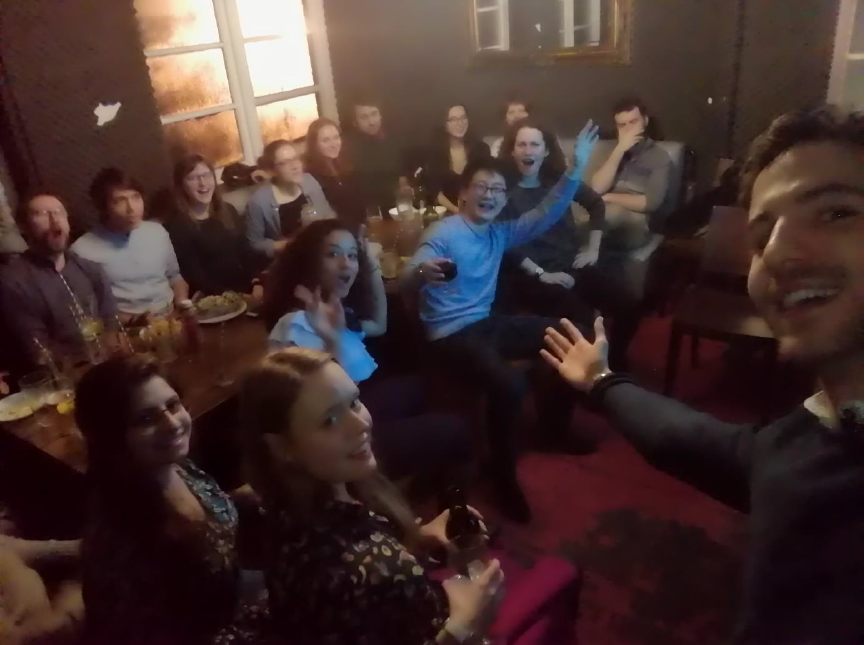
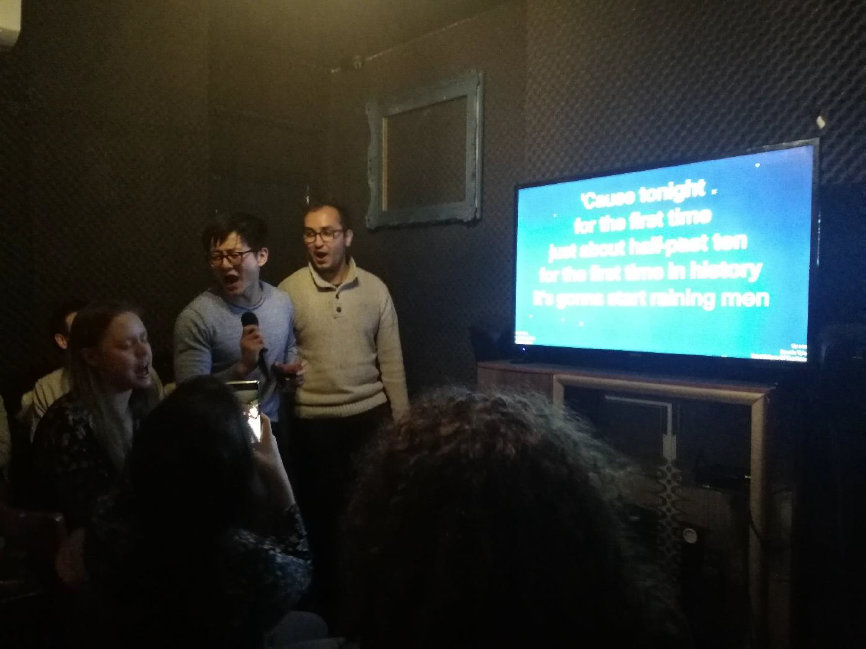
On the 3rd of March was the first official Reunion of the Cross-CDT Cohort 2016/17 after the winter break. For this occasion, 15 CDT students from 3 different CDT programmes (CDT Neurotechnology, CDT HiPEDs, CDT Mathematics of Planet Earth) came together to experience an enjoyable night at the famous Karaoke Bar “The Star of Kings” close to St. Pancras Station.

The evening started with a cosy dinner where everyone could catch up what has happened for each of the different PhD students after they have successfully finished their MRes in autumn the year before. After everyone was finished with eating their dinner-burgers or chips, the time had come to prove musicality by at the Karaoke machine. Throughout the night several different music genres were explored. Songs like “500 miles” from The Proclaimers, “Slim Shady” from Eminem and “Let it go” from the Movie Frozen were not missing in the repertoire of their passionate karaoke performance.

After 3 hours of extensive singing, “The Star of Kings” bar offered a free professional performance of the famous Drag-Queen Westend musical performer (“Everybody’s Talking About Jamie”) where everyone was able to admire an unforgettable show performance.

A special thanks goes to the Graduate School of Imperial College London which financially supported this cohort building activity.

Some impressions of this unforgettable reunion you can see here in this movie: https://photos.app.goo.gl/NGpXs9siFalUVKMP2

And in the following pictures:

Flowers Building Wine and Cheese Party, Jan 2018

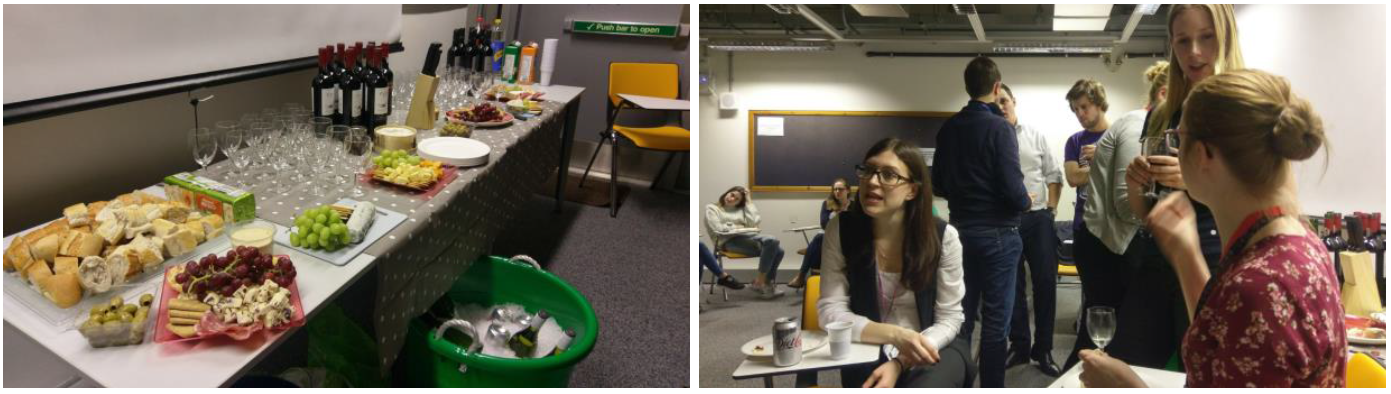
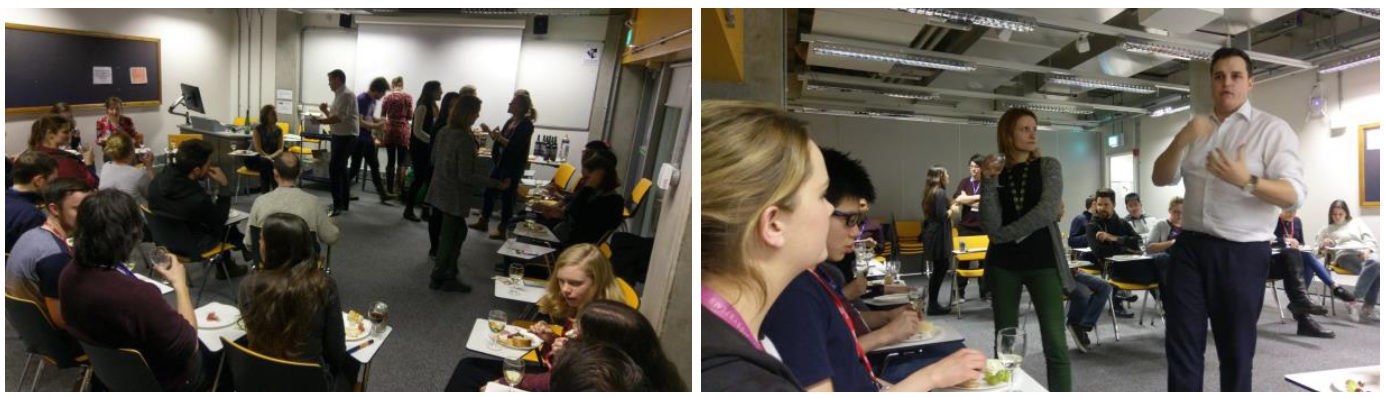
The Flowers Building Wine and Cheese Party was hosted on the 11th January by the CMBI Postgraduate Student Committee (CPG) and was funded by the Graduate School’s Research Community Fund. As well as washing away some post-holiday January blues this event provided an excellent opportunity for postgraduates both old and new to become fully engaged within the CMBI community. Around 40 postgraduates and postdoctoral researchers from the Departments of Medicine and Life Sciences attended and mingled in this informal setting.
The evening was guest hosted by James, an experienced wine expert previously of the Humble Grape wine bars, who guided us through comparisons of Old-World and New-World whites and reds and provided much highly appreciated wine trivia. The cheese was duly demolished long before the port appeared and we can report that the crowd favourite was a Swiss Mont d’Or “Winter-Cheese”.
The event definitely succeeded at its primary aim of providing research students the space and opportunity to integrate with peers across all floors and research groups as well as meet postgraduate researchers. We believe that events like this will continue encouraging cohort building and development of an integrated CMBI identity as research students will get to both expand their social circles and increase the diversity of research within them. We also hope that this event will help encourage attendance at our more regular CPG events including our monthly student-led research seminars, which provide an opportunity for students to practice presentations in an informal setting.

The CPG would like to thank the Graduate School once again for making the evening possible and we encourage others to make use of this excellent resource.

Inter-group Bowling Event 2018

by Adrian Brown, Investigative Medicine

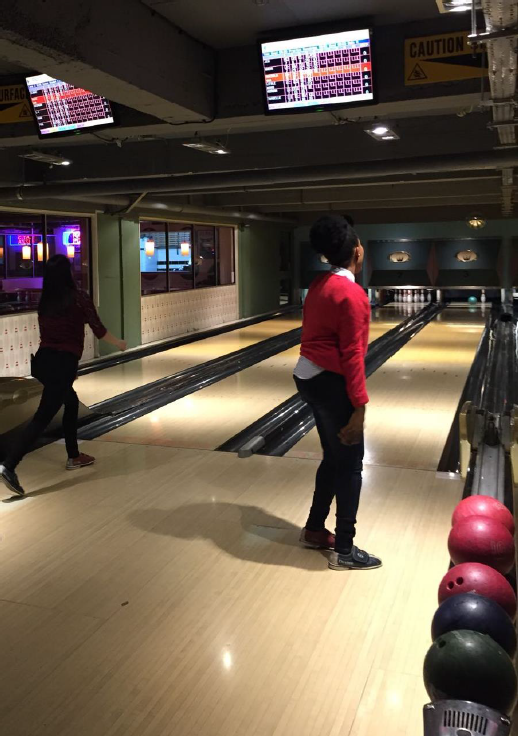
We originally decided to organise a social event to try and help our fellow colleagues beat the January blues! Once we had a spare moment, and to stop the students going on a New Year’s strike, we decided to organise an after-work bowling event. We invited students from Investigative Medicine and the Division of Brain Sciences to attend the inter-group networking event on Friday 12th January 2018. We were very fortunate and extremely grateful as this event was funded by the Graduate School. Attendees were randomly divided into teams across the three bowling alleys hired and participated in some friendly competition to find the top scoring team and player. We also shared some delicious pizza and drinks. After one game, the teams were reshuffled and play resumed. While the bowling skills among the group varied Jamie was the bowling champion among the group!

Aygul Dagbasi, a 1st year PhD student in Investigative Medicine particularly enjoyed the event commenting “I had a great time at my first PhD social event! It was a fantastic way to get to know people from the lab in a more informal setting”. Katerina Petropoulou, a final year PhD student also added “I haven’t bowled in years but the event was the most fun I’ve had at a social event during my PhD”.

Thank you again to the Graduate School for funding the event. As you can see from the photographs, everyone had a lot of fun and we look forward to the next event!

Connections and Collaborations: The Global Fellows Programme on Cities of the Future. Charishma Ratnam, PhD Candidate, University of New South Wales Australia

by Charishma Ratnam, PhD Candidate, University of New South Wales, Australia

Introduction

It is becoming a household statistic: by 2050, 66% of the world’s population will live in cities[1]. This statistic holds much value for me as I pursue my research on migration (specifically in regard to refugees and asylum seekers) and how migrants settle in places. When I was given the opportunity to apply for the Global Fellows Programme: Cities of the Future with this year’s focus on health and well-being, this statistic resonated with me even more. The current state and future of our big cities has become contentious, and the programme was able to offer a space for interdisciplinary discussions to take place.

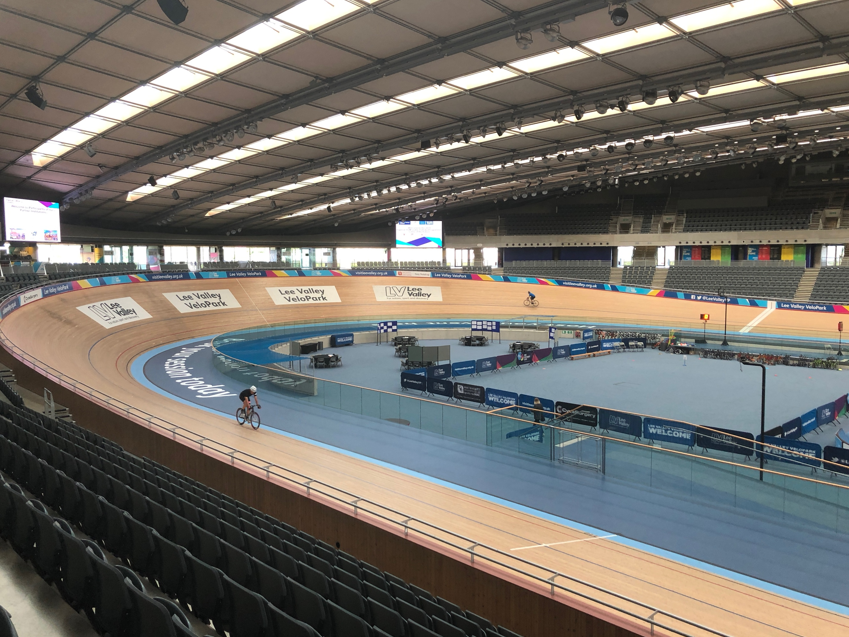
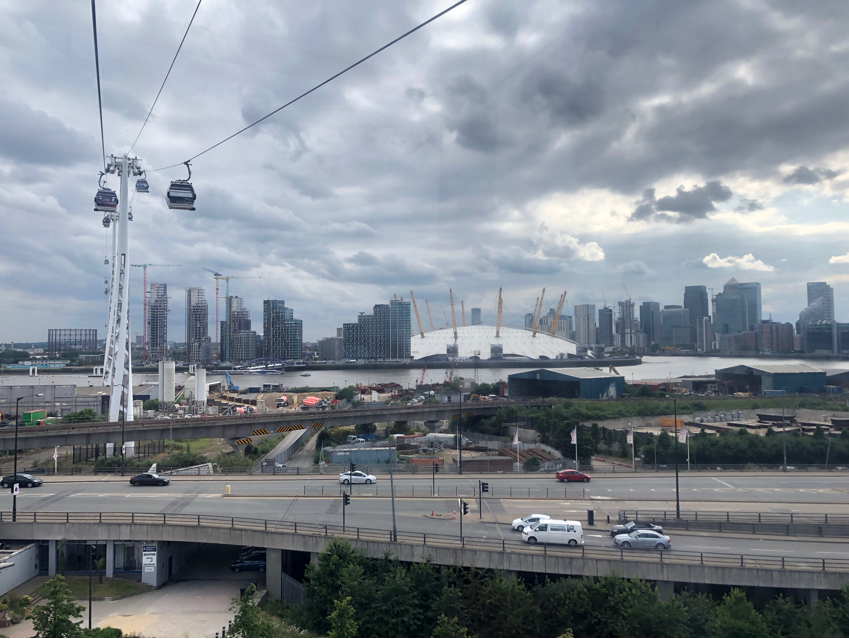
The Global Fellows Programme was held from June 10 to 15, 2018 at the Velodrome, Olympic Park, London, a place that saw much victory for England in the 2012 Olympics. Before arriving in London, each participant was placed in a team, and each team was allocated a theme for the week: health, mobility/transport, smart data/interconnectivity, housing, and business/infrastructure. These themes would form the framework for our project ideas and pitches. On entering the Velodrome, I was excited by the opportunity and motivation, as I saw the cyclists making their way around the track. The first day was about meeting and connecting with the group and the teams we were placed in. The most challenging task of the day: coming up with a team name. Our team (after much deliberation) settled on ‘The Lazy Foxes’! Lazy, defining some of the members of our group, and foxes, being the clever strategies and initiative we would take throughout the week. The second day tested our teamwork skills, where we undertook five fast-paced team-building exercises, followed by a period of reflection. After these team-building exercises, there were several outings that took place for the rest of the week. A few highlights included a visit to The Crystal – one of the world’s most sustainable buildings by Siemens, showcasing an exhibition about the future of cities – next to London Royal Docks, the Emirates Cable Car trip to North Greenwich where we were able to see the scale of redevelopments occurring in East London, and a visit to Imperial’s new White City campus.

After absorbing all the information delivered to us, we were left to our own devices. Although overwhelming and challenging, my team managed to come up with a concrete idea that focused on business and infrastructure. I gained important experience and knowledge from this collaborative process. Working together with other interdisciplinary, inter-institutional and international PhD researchers, academics and industry professionals meant that we learned a lot from each other. Delivering our final team pitch was a highlight for me – we were given feedback from a range of academics and industry professionals from different fields.

I would encourage PhD researchers to apply for similar professional development opportunities when they are offered. I was able to build networks, collaborations and connections with participants in the programme, and also benefit from the professional/personal development, team-building skills and interdisciplinary exchanges. I have gained a wider perspective on research that engages with the cities of our future, and I am interested in expanding on this area of concern further with the new friends, collaborators and research networks I have fostered at the Global Fellows Programme on Cities of the Future.

[1] https://esa.un.org/unpd/wup/publications/files/wup2014-highlights.pdf.

Photos

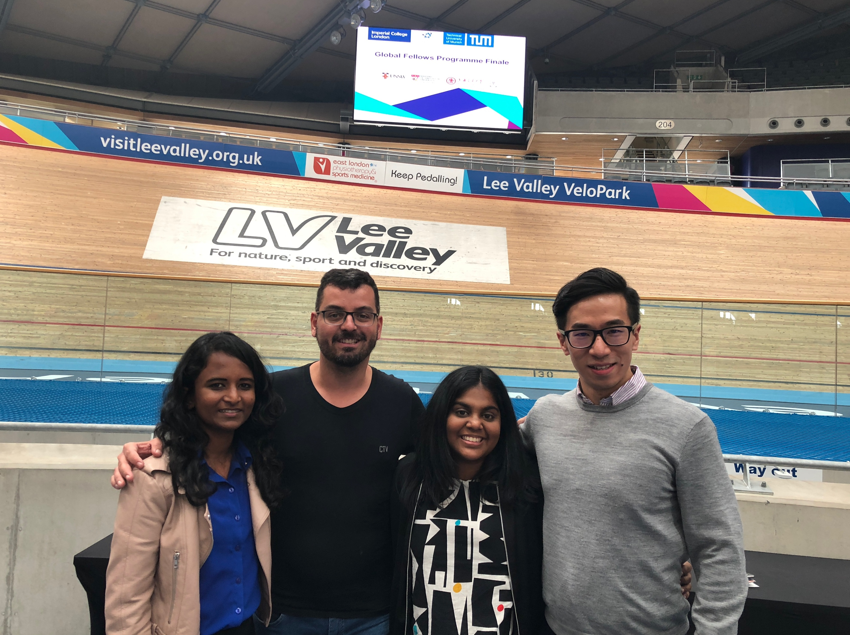
UNSW PhD researchers (L to R): Malshika Dias, Henrique Benites and Charishma Ratnam and UNSW Visiting Researcher Daniel Lu (Nanyang Technological University, Singapore).
Cycling track at the Velodrome, Olympic Park, London.
View of East London redevelopments from the Emirates Cable Car from Emirates Royal Docks to North Greenwich.
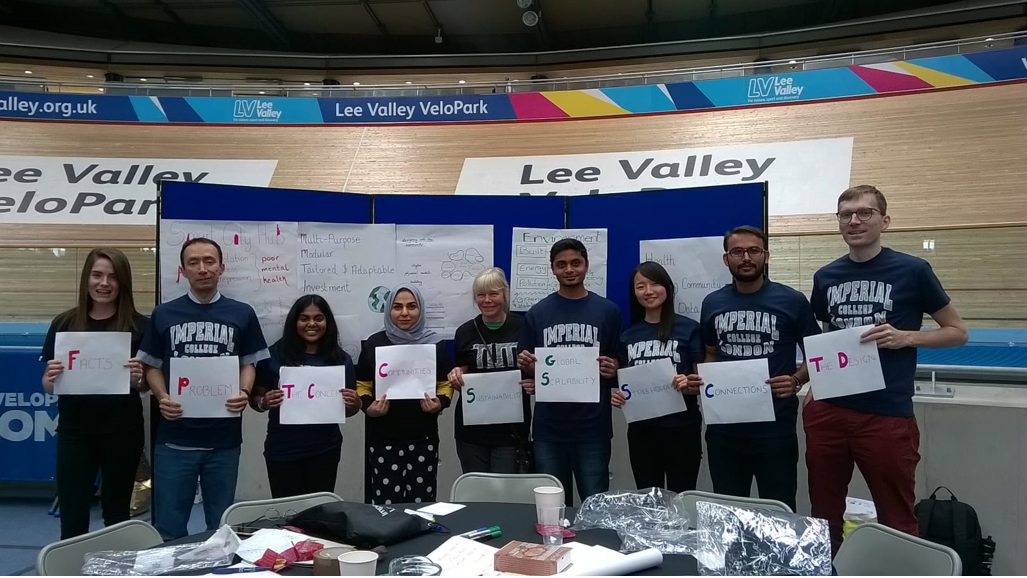
My team that worked on a business and infrastructure idea for the week (L to R): Stephanie Hewitt (ICL), Kahar Abula (TUM), Charishma Ratnam (UNSW), Heba Awadh (ICL), Clare Hunt (ICL), Shreyash Hadke (NTU), Mayu Sakuma (TUM), Mudussir Ayub (TUM), and Christopher Voss (TUM).