Month: February 2018

Theoretical Physics Student Research Seminars, Winter Term, Oct – Dec 2017

by Scott Melville

The Theoretical Physics cohort are a reclusive bunch. But nothing brings them out of their shells better than the promise of knowledge (and pizza). Thanks to the generous support of the Graduate School, this term saw the Theoretical Physics PhD students come together each week for a heart-warming exchange of ideas and discussion of how their research is progressing, bringing together not only the graduate students, but also a great number of Master’s students and postdocs to share in the fun.
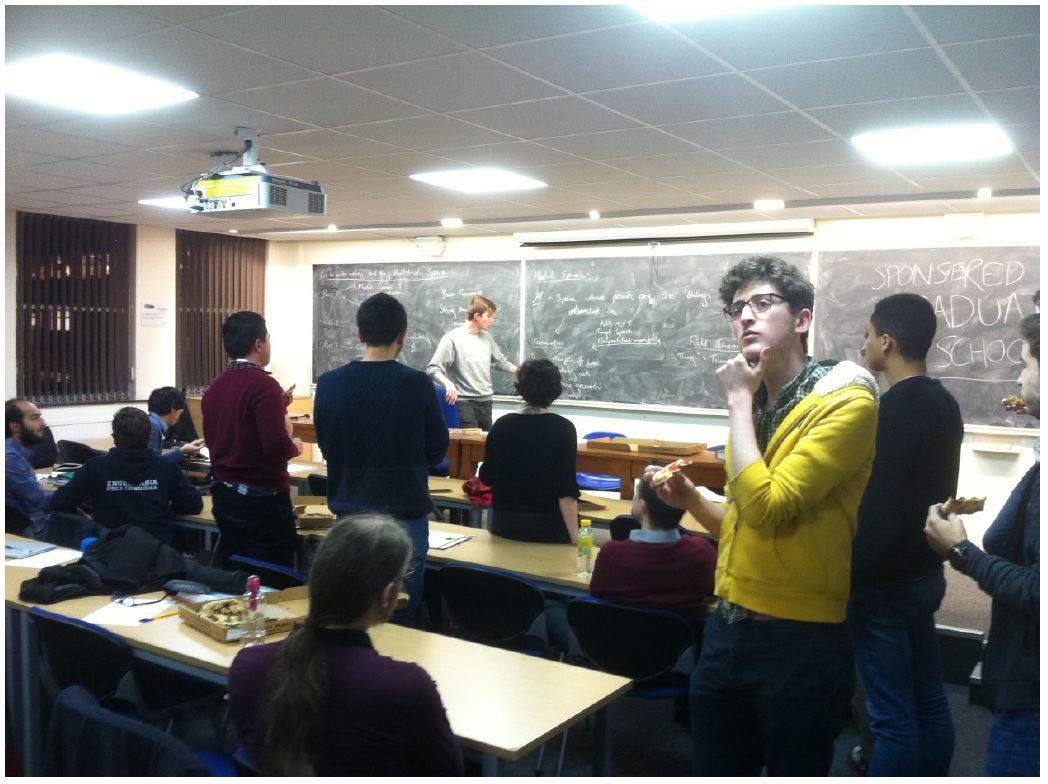
The seminars took place every Thursday from 17.00-18.00 in Huxley 503. On average, 16 PhD students, 15 Masters students and 2 postdocs attended.

One particularly successful session was a Master’s students Q&A, in which the current undergraduate students could chat informally with the PhD students about their favourite physics, and what it was like doing a PhD. This really helped solidify a sense of community among the cohort.

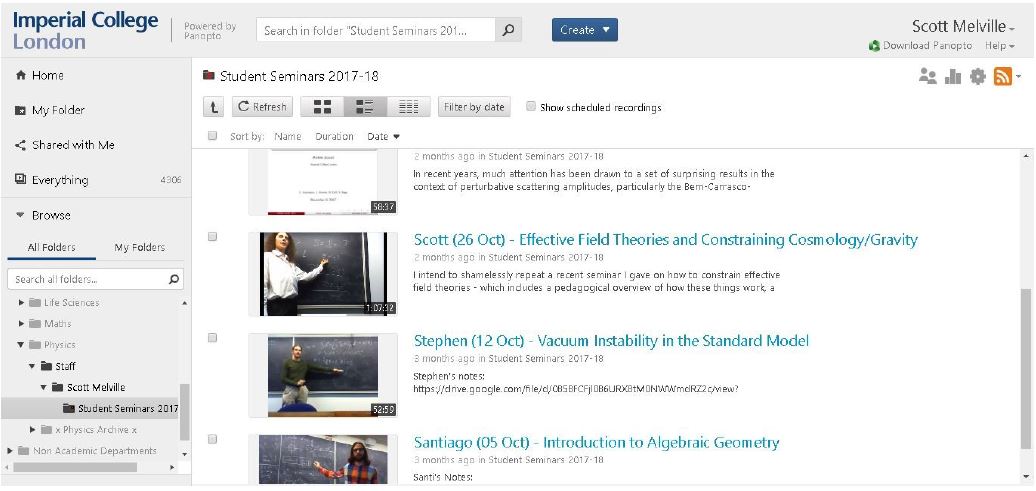
The event was given visibility through posters in the department and a weekly email. The presentations were recorded, and made available online through a dedicated folder on Imperial’s Panopto system. This not only allows participants to relive the heady joy of the event, but also serves as a useful tool for the speakers to review their own performance and think critically about how they can improve.
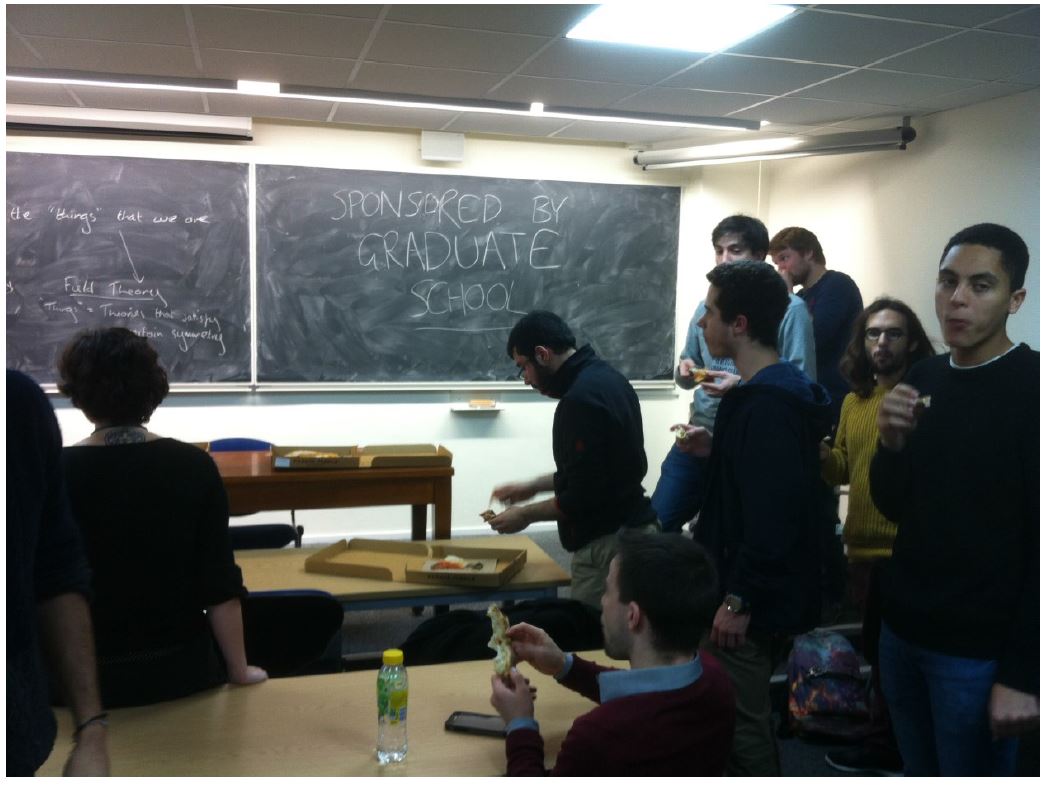
The invaluable support of the Graduate School was acknowledged both on the posters advertising the event, and at the beginning of each seminar.

Overall, the seminars succeeded in bringing together the cohort and establishing lasting links both with each other and with the wider physics community at Imperial. We look forward to continuing the Student Seminar series long into the future.
Meet the Scientist – Open Days at the Division of Brain Science

By Luigi Montibeller

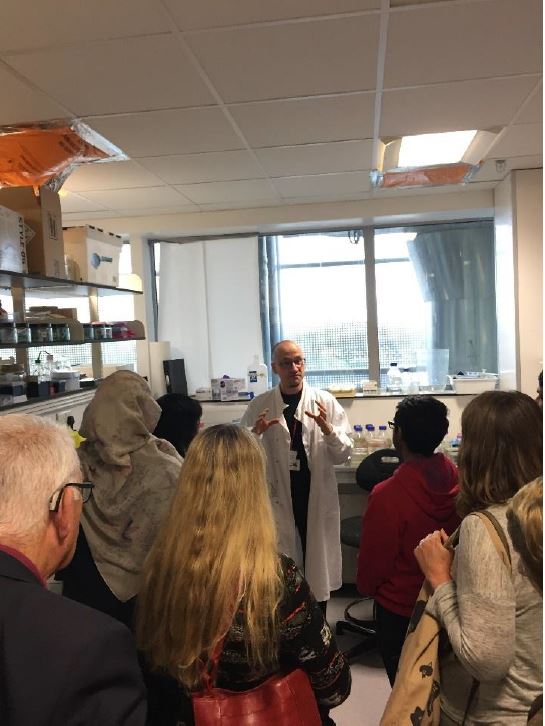
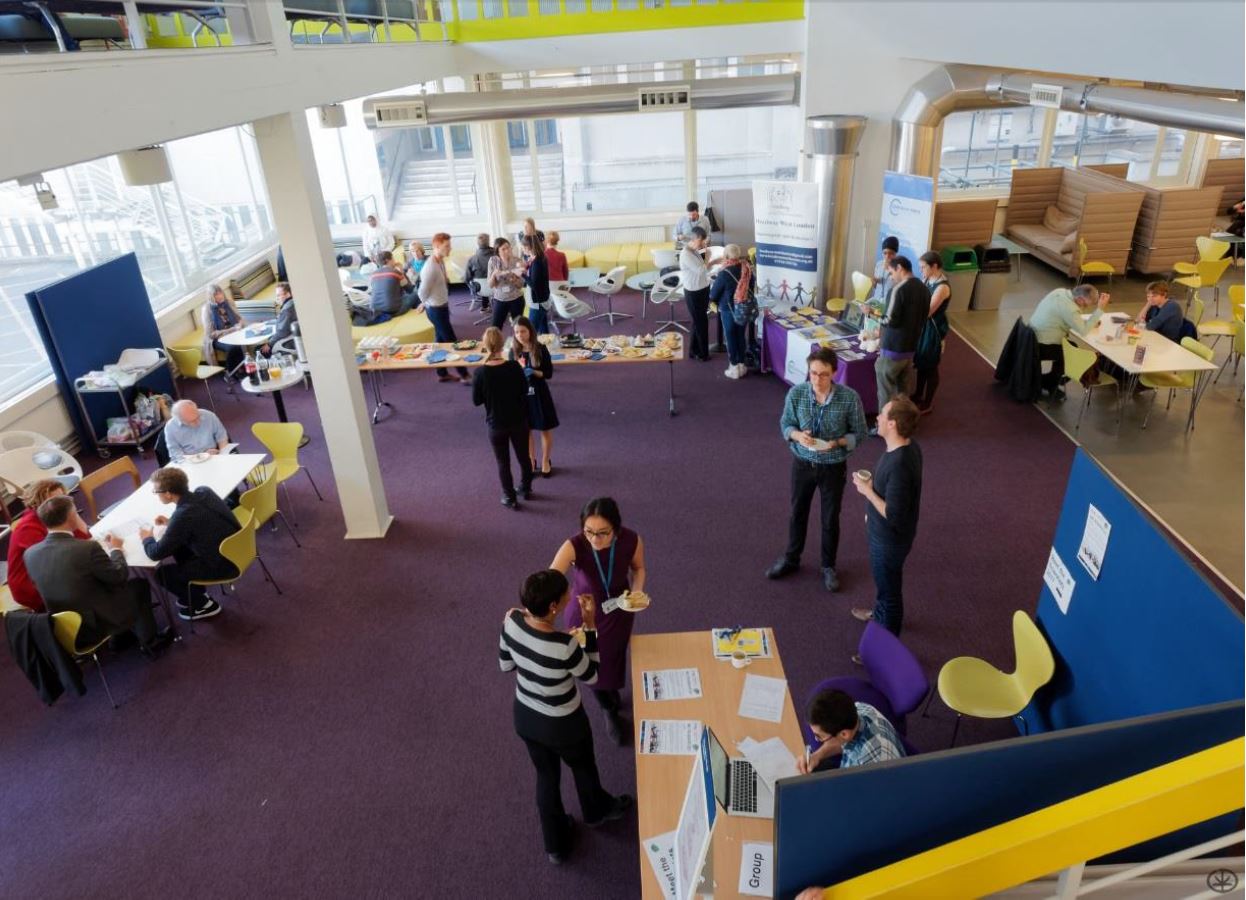
The laboratories of Brain Division of Imperial College London (ICL) opened its doors on the 23rd and 25th of October to display it’s state-of-the-art technology, experiments and research through interactive talks and guided tours run by its researchers, specializing in the field of neurodegenerative diseases.

More than 100 people including patients, relatives and members of the public attended the event. The tour and presentations gave attendees the opportunity to talk to leading researchers and medical professionals, exploring the latest research, tackling conditions like Parkinson’s disease, Alzheimer’s disease and brain injury.

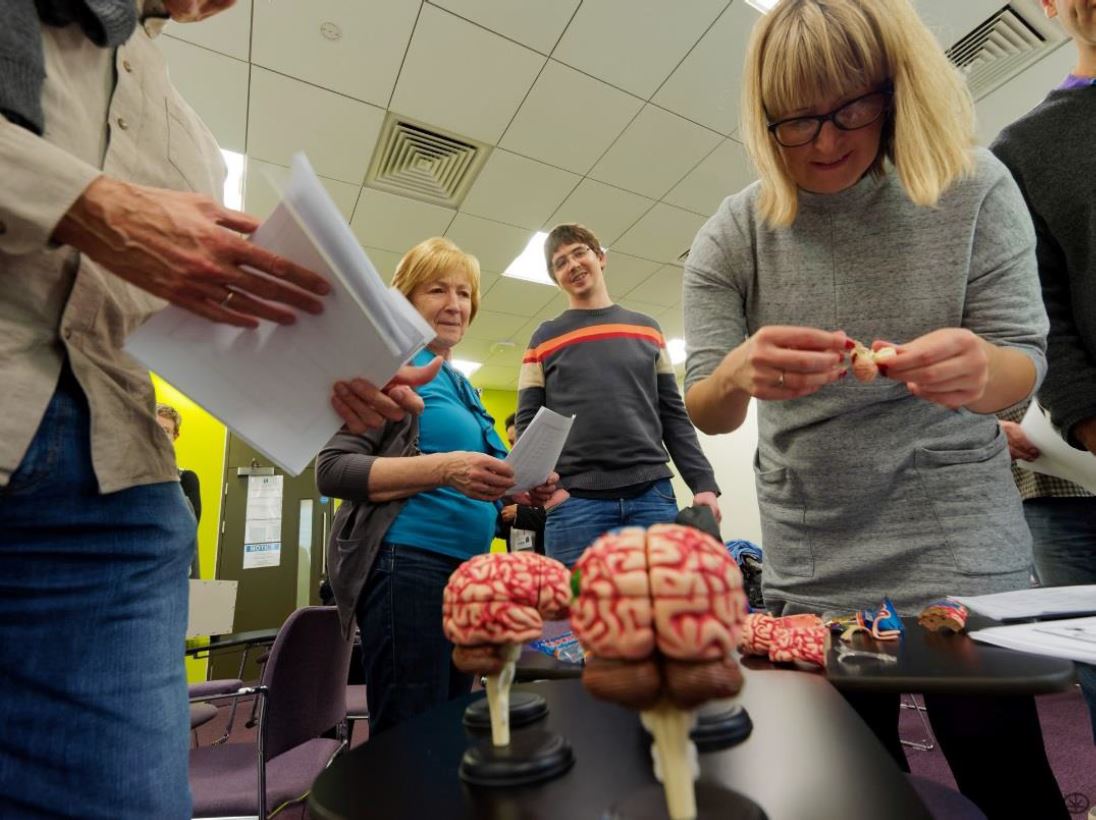
A presentation about each specific neurological disorder was given followed by a visit through the labs and the Brain bank. For example, visitors witnessed the dissection of a human brain by Dr. Steve Gentleman, highlighting brain function and it’s impairment in such diseases.

With additional ‘hands-on’ demonstrations, the participants had the unique opportunity to participate in experiments that researchers conducted inside the labs. These included learning about cell culture, immunohistochemistry and microscopy.

The event received great feedback from attendees. With comments like “Very well organized. Complicated research presented in plain English. Very enthusiastic stuff. Thank you all”, “Super day: excellent, translated well for lay man’s language”.

Diversity in Physics Ice Skating Group

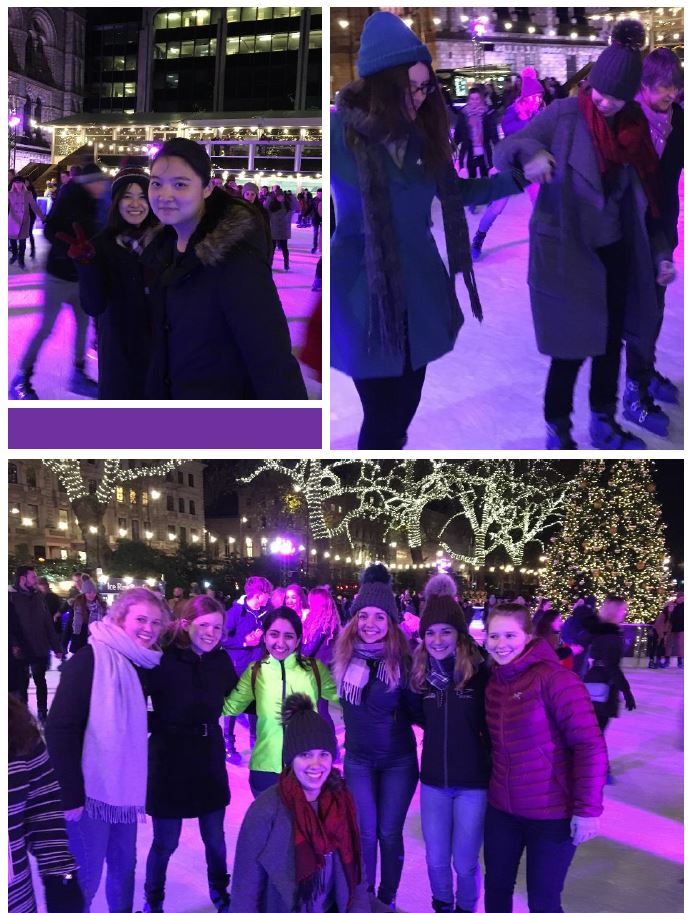
For the post-grad Women in Physics Christmas social we organized an ice skating outing to the rink at the Natural History Museum. This event was also open to PG women in Computing, as we hope to run many events together in the future. The group was a mix of physics, maths and computing students and we had a mixture of all years of students and a couple of post docs. This was the first event combining the two departments. We all met and introduced ourselves in the Physics Department before walking over to the Natural History Museum together. Within the group there were a few girls who have never ice skated before and the rest of us have been at least a few times before. This made for a nice group. The inexperienced skaters were shown what to do and helped around the rink by various other girls. Everyone really enjoyed the skating! We skated for 50 minutes and then headed up to the bar for mulled wine to warm up and chat. The event was a great success and we will be holding it again next year. It was also a positive start for what we hope to be a collaborative and supportive community between the PG women in physics, maths and computing.