Category: World health

Health in Ukraine: Prioritise health care reform across the Ukraine health system for recovery and stable peace

Two years on from the invasion of Ukraine, we share a series of blog posts highlighting insights from our Ukraine Health Summit last year, hosted in partnership with the British Red Cross to reflect on and support the delivery and restoration of health services in Ukraine.

The second blog post focuses on the prioritisation of health care reform across the Ukraine health system for recovery and stable peace, and is written by Niki O’Brien, Institute of Global Health Innovation, Imperial College London, with colleagues.

Ukrainian flag colours. Credits: Tina Hartung/Unsplash
[Ukrainian flag colours. Credits: Tina Hartung/Unsplash]

The war in Ukraine has caused substantial disruption to a health system that was already having to manage complex transitions.1

In 2014 the Ministry of Health of Ukraine initiated a national strategy to improve quality and access to care and sought to address longstanding challenges in strengthening primary health care (PHC), among other reforms.2 Since then, a guaranteed benefit package to reduce out-of-pocket payments was set up and enrolment with contracted PHC providers expanded to cover over 70% of the population as of 2020.

Since 2014, initial armed conflicts in the Donetsk and Luhansk regions have had implications on regional health services. However, the ongoing Russian invasion in 2022 has led to widespread disruption and destruction of infrastructure and resources across the country. Nationwide attacks on civilian infrastructure also target healthcare facilities, with over 1,500 damaged or destroyed as of 15 June 2023.3 The occupied territories have been hit particularly hard and face a severe shortage of health care workers (HCWs), medications, and supplies. For example, in the municipality of Melitopol, half of the doctors were forced to leave in the first months of the war.4 National and regional progress towards health policy ambitions has been drastically curtailed as resources have been reallocated to the immediate needs of the emergency response including frontline medical care.

Armed conflicts cause both direct and indirect morbidity and mortality with the latter occurring from both communicable and non-communicable diseases (NCDs). As expected, a rapid increase in infections has been reported, and the destruction of the Kakhovka Dam may further affect many thousands of local inhabitants while increasing the risk of the waterborne diseases.5 Moreover, cancers, oncology, and stroke in particularly can occur as a result of or be exacerbated by stress-mediated pathways.6 In Ukraine, cancer mortality was already high, however, recent research suggests that war-related delay in care of four months for five of the most prevalent cancers could lead to an excess of over 3,600 cancer deaths in the coming years.4

The war has also interrupted reform at the patient, health delivery and policy levels which had been initiated through disease-specific lenses in secondary and tertiary care pre-2022. For example, a significant proportion of Ukraine’s radiotherapy is based on Cobalt-60, rather than modern linear accelerators (LINACs) reflecting a wider need not just to increase basic modern technologies (CT, MR scanners etc) but also to upgrade existing hospital infrastructure.7 Volunteer and humanitarian help are essential but currently fulfil only some of the gaps, challenged further by lack of a nationwide coordination to address the needs of healthcare institutions.

Ukraine Health Summit woman in the audience speaking
[Ukraine Health Summit: woman in the audience speaking]

Measures to support Ukraine’s health system both now and in the early recovery period will need to focus on investment in HCWs and working with patient groups. For HCWs, examining and addressing the various push-pull factors, at a policy and systems level are required to support return. Pull factors for return include security and the potential to resume professional advancement and renumeration by re-establishing links between health service delivery and continuing education. Subject to budgetary constraints, the Ministry of Health could consider capitation-based payments and non-financial benefits to encourage relocation to resource-limited geographic areas or specialties.

Research in post-conflict settings highlights the value of indirect financial incentives (e.g., subsidised meals, childcare facilities, support for continuing education) and non-financial incentives (e.g., career development, improved healthcare facility resources and infrastructure).8 Digital learning platforms can further offer HCWs the opportunity to develop their knowledge by undertaking education and training remotely. There is also a need to invest in the PHC workforce (both physician and non-physician) together with substantial investment support and treat patients in the post-war period.

Ukraine is fortunate to have strong physician and patient organizations who can advocate for the needs of patients and communities. Advocating across disease areas and advising on where treatment can be sought, these organizations connect to patients and communities through social media while also working with high-level policymakers to drive change. When ProZorro, an electronic procurement system was launched in 2020 as part of reforms, 100% Life, one of the largest patient organizations in Ukraine used data from the system to fight corruption, with tangible benefits for the Ukrainian health system.9

After one year of war, in 2023 the organisation had collected $968,000 USD for humanitarian aid and provided 4,773,296 packages of medical goods.10 In 2024, the organisation and its partners has continued to support health service delivery by facilitating training and purchasing medical equipment.11 12Importantly, all individuals, organizations, and groups involved in delivering and receiving health care in Ukraine must come together to through a ground-up, community-led approach to realise a people-centred health system and drive people-centred reforms.

To be successful, efforts must be driven by patient, community, and population needs, led by government, and supported by providers and other stakeholders across the public and private sectors. As further atrocities are reported daily as the war in Ukraine rages on, there may be a reluctance to prioritise the planning of future health services. However, health, and therefore health care, is a prerequisite for recovery and stable peace.

References

1. Roborgh S, Coutts AP, Chellew P, Novykov V, Sullivan R. Conflict in Ukraine undermines an already challenged health system. Lancet. 2022 Apr 9;399(10333):1365-1367. Available at: https://www.thelancet.com/journals/lancet/article/PIIS0140-6736(22)00485-8/

2. WHO. Health financing reform in Ukraine: progress and future directions. World Health

Organization, 2022. Geneva, Switzerland. Available at: https://www.who.int/ukraine/publications/i/item/WHO-EURO-2022-5639-45404-64974

3. Міністерство охорони здоров’я України. За понад 15 місяців повномасштабної війни росія пошкодила або зруйнувала 1 554 об’єкти медзакладів. Міністерство охорони здоров’я України, 2023. Kyiv, Ukraine. Available at: https://moz.gov.ua/article/news/za-ponad-15-misjaciv-povnomasshtabnoi-vijni-rosija-poshkodila-abo-zrujnuvala-1-554-ob’ekti-medzakladiv-

4. Khanyk N, Hromovyk B, Levytska O, Agh T, Wettermark B, Kardas P. The impact of the

war on maintenance of long-term therapies in Ukraine. Front Pharmacol. 2022;13:1024046. Available at: https://www.ncbi.nlm.nih.gov/pmc/articles/PMC9731218/

5. Pavlenko D, Pavlenko M, Pavlenko R. Advantages and limitations of teleophthalmology during the war in Ukraine. Graefes Arch Clin Exp Ophthalmol. 2023 Jun;261(6):1761-1763. Available at: https://link.springer.com/article/10.1007/s00417-022-05967-1

6. Jawad M, Hone T, Vamos EP, et al. Estimating indirect mortality impacts of armed conflict in civilian populations: panel regression analyses of 193 countries, 1990–2017. BMC Med, 2020; 18, 266. Available at: https://www.ncbi.nlm.nih.gov/pmc/articles/PMC7487992/

7. Price P, Sullivan R, Zubarev M, Zelinskyi R. Radiotherapy in conflict: lessons from Ukraine. Lancet Oncol. 2022 Jul;23(7):845-847. Available at: https://www.sciencedirect.com/science/article/pii/S1470204522002984?via%3Dihub

8. Witter S, Tulloch O, Martineau T. Health workers’ incentives in post-conflict settings – a review of the literature and framework for research. ReBUILD RPC, 2012. London, United Kingdom. Available at: https://assets.publishing.service.gov.uk/media/57a08a7be5274a31e0000614/rebuild_hwi_lit_review.pdf

9. Hrytsenko, Y. Fight for life: how Ukraine is fixing medical procurement and serving patients better. Open Contracting Partnership, 2021. Available at: https://www.open-contracting.org/2021/02/22/fight-for-life-how-ukraine-is-fixing-medical-procurement-and-serving-patients-better/

10. 100% Life. 100% LIFE, A Year Of Courage. 100% Life, 2023. Available at: https://network.org.ua/en/100-life-a-year-of-courage/

11. 100% Life. With the USAID support, 100% Life covered all primary care physicians in Lviv the training. Available at: https://network.org.ua/en/with-the-usaid-support-100-life-covered-all-primary-care-physicians-in-lviv-the-training/

12. 100% Life. Japanese Ministry of Foreign Affairs funds purchase of equipment for Ukrainian hospitals. Available at: https://network.org.ua/en/japanese-ministry-of-foreign-affairs-funds-purchase-of-equipment-for-ukrainian-hospitals/

Mental health services must be a priority in post-conflict Ukraine

Two years on from the invasion of Ukraine, we publish a series of blog posts sharing insights from our Ukraine Health Summit, hosted in partnership with the British Red Cross to further efforts in supporting the delivery and restoration of health services in Ukraine.

The first post addresses the importance of mental health services in post-conflict Ukraine, and is written by Melanie Leis, Institute of Global Health Innovation, Imperial College London, with colleagues.

Ukraine Health Summit 2023
[Ukraine Health Summit 2023]

On April 25th 2023, Imperial College London hosted the first Ukraine Health Summit. This event presented an opportunity to discuss how Ukraine’s health system must be re-built to ensure it addresses the needs of its population in a post-conflict setting. A focal point of the discussion was around the provision of mental health services.

The WHO projects that, of populations affected by conflict at any time during the prior 10 years, 22% will develop a mental health condition. Applying these estimates to the population of Ukraine (44M), this would lead to approximately 10M who will have a mental health condition such as depression, anxiety, post-traumatic stress disorder, bipolar disorder or schizophrenia, in addition to existing mental health cases1. Estimates by Ukraine’s government suggest that over 60% of its soldiers are affected by post-traumatic stress disorder, and approximately 50% of the population needs mental health services to cope with the impact of the war2.

Mental health experts at the Ukraine Health Summit agreed that post-conflict mental health service provision should be planned and coordinated across three key themes: policy and regulation, training and education, and family support.

Policy and regulation

The healthcare system in Ukraine, including its mental health services, is a legacy of its Soviet past. Prior to the war, there had been a trend towards reform of the mental health system to address challenges such as limited social services for people with mental health disorders, large institutionalised psychiatric populations (at times associated with human rights violations), and public stigma around mental health3

In December 2022, Ukraine’s First Lady launched the Ukrainian Prioritized Multisectoral Mental Health and Psychosocial Support Actions During and After the War: Operational Roadmap4This roadmap, informed by international and national policies and best practice, aims to provide an overview of mental health and psychosocial priorities to stakeholders involved in the immediate response and the recovery efforts in Ukraine.

One of the issues in the provision of healthcare services in the current conflict setting is the lack of coordination between Government, international organisations and NGO activities. To effectively deliver mental health and psychosocial support in a post-conflict setting the Government must coordinate service delivery. This includes providing greater clarity on service availability, treatment pathways and enforcing regulation to ensure that the services that are delivered meet the highest quality standards. At the same time, non-public sector mental health providers must follow the Government’s leadership.

Training and education

Raising public awareness about mental health issues in the Ukraine is of paramount importance. This includes launching information campaigns and educating the general public about PTSD, depression, panic attacks, and other mental health conditions likely to affect the population.

Crucially, the conflict will have decreased the number of staff available to deliver mental health and psychosocial services. Effective psychosocial support can be delivered by professionals who do not necessarily have to be mental health specialists, but they must be adequately trained. Volunteers who are deployed with no training and are exposed to traumatic events risk developing their own mental health disorders. Furthermore, the impact of inadequately delivered mental health interventions can range from ineffective to ultimately harmful5.

Additionally, those providing mental health and psychosocial support services must have their own mental health needs adequately supported to deliver these services effectively and sustainably. One approach to do this is through mental health providers becoming “trauma informed organisations”, where safeguards are in place to provide physical and emotional safety to staff and avoid re-traumatisation6.

[Ukraine Health Summit 2023 – IGHI Centre for Health Policy Banner]

Family support

Mental health needs vary significantly across different population groups. People with pre-existing mental health conditions may have deteriorated during the war, both due to the direct impact of the conflict and to the decrease in access to care. Additional groups that require mental health services include active military personnel and their families, veterans and their families, bereaved families, children exposed to war, and relocated/displaced families. An individual may be part of several of these groups at once.

There is an opportunity to leverage digital mental health interventions to support families. A scoping review7.identified 36 studies of these interventions, the majority of which targeted young people and parents/carers. These were self-guided, potentially improving access to psychological support without increasing demand on limited clinical services. Most of the interventions tested were associated with improved psychopathology.

Mental wellbeing is strongly associated with a person’s basic needs being met. This is even more the case in a post-conflict setting. One study that looked at the use of healthcare and community-based services in war-affected regions of Croatia found that, although a variety of services were put in place to help the affected population, only the solution of housing (accommodation support) significantly predicted traumatic stress recovery8.

The importance of safety and stability for the affected populations cannot be overstated, as these are crucial to people’s mental well-being. For some specific populations, a key factor in mental health recovery will the passage of time and the return to a safe and predictable routine.

Government leadership, well supported frontline mental health workers and a focus on wider societal support will create the conditions for successful mental health service in post-conflict Ukraine.

References

1. World Health Organization. (2022, December). Scaling-up mental health and psychosocial services in war-affected regions: best practices from Ukraine. Retrieved from https://www.who.int/news-room/feature-stories/detail/scaling-up-mental-health-and-psychosocial-services-in-war-affected-regions–best-practices-from-ukraine#:~:text=In%20applying%20these%20estimates%20to,have%20a%20mental%20health%20condition (Accessed 2023/07/28)

2. Euronews. (2023, February). War in Ukraine having a devastating impact on people’s mental health. Retrieved from https://www.euronews.com/2023/02/20/war-in-ukraine-having-a-devastating-impact-on-peoples-mental-health (Accessed 2023/07/28)

3. World Health Organization. (2020, July). Ukraine WHO Special Initiative for Mental Health Situational Assessment.Retrieved from https://cdn.who.int/media/docs/default-source/mental-health/who-special-initiative-country-report—ukraine—2020.pdf?sfvrsn=ad137e9_4 (Accessed 2023/07/28)

4. World Health Organization. (2022, December). Ukrainian Prioritized Multisectoral Mental Health and Psychosocial Support Actions During and After the War: Operational Roadmap. Retrieved from https://reliefweb.int/report/ukraine/ukrainian-prioritized-multisectoral-mental-health-and-psychosocial-support-actions-during-and-after-war-operational-roadmap-enuk (Accessed 2023/07/28)

5. Jarrett, C. (2008, January). When therapy causes harm. The Psychologist. Retrieved from https://www.bps.org.uk/psychologist/when-therapy-causes-harm (Accessed 2023/07/28)

6. Office for Victims of Crime Training & Technical Assistance Center (not dated). Building trauma-informed organizations. Retrieved from https://www.ovcttac.gov/views/TrainingMaterials/NVAA/ASI/index.cfm?nm=nvaa&ns=asi&nt=sgo&nf=btio (Accessed 2023/07/28)

7. Danese et al. Digital mental health interventions for children and adolescents affected by war: a scoping review. The Global Resources for War-affected youth (GROW) Network. Currently under review at JAACAP.

8. Francisković T, Tovilović Z, Suković Z, Stevanović A, Ajduković D, Kraljević R, Bogić M, Priebe S. Health care and community-based interventions for war-traumatized people in Croatia: community-based study of service use and mental health. Croat Med J. 2008 Aug;49(4):483-90. doi: 10.3325/cmj.2008.4.483. PMID: 18716995; PMCID: PMC2525834. Retrieved from https://www.ncbi.nlm.nih.gov/pmc/articles/PMC2525834/ (Accessed 2023/07/28)

COP28: Centring Mental Health in the Health Response to Climate Change

Join us on this journey as we recap the highlights of COP28 in the UAE. The Climate Cares Centre team shed light on the profound interconnections between mental health and climate change, and the critical window for shifting from a vicious to a virtuous cycle, enabling people and the planet to thrive. 

The 28th UN Climate Change Conference (COP28) was a turning point for the centring of human health in climate negotiations. Political leaders began to acknowledge climate change as a health emergency, including at COP’s first ‘Health Day’, where more than 140 countries made a historic commitment to the UAE Declaration on Climate and Health, and one billion USD in finance commitments were pledged for climate and health.

This progress follows years of advocacy by the climate and health community, who have worked tirelessly to put people and health at the centre of the multilateral climate processes. The health community collectively used its trusted voice to achieve recognition of the fact that in negotiating the amount of fossil fuels that can be dug up and burned, what is ultimately being negotiated is how many people will lose their lives, their health, their land, and their livelihoods. The 7 trillion USD given in fossil fuel subsidies in 2022 alone is also subsidizing air pollution and the premature deaths of more than 8 million people. It is additionally subsidising the increased intensity of a changing climate and all the associated hazards, which is recognised by the World Health Organisation (WHO) as the greatest threat to human health. And it is not only physical health that is on the line.

COP28 also saw growing recognition of the deep interconnections between climate change, mental health and well-being. Starting with the first-ever mental health event at a COP in Glasgow, the Climate Cares Centre has been part of international efforts to bring attention to the psychological stressors and traumas of the climate crisis. At every COP, we highlighted how climate impacts are raising the risk of people dying by suicide, new cases and worsened symptoms of mental health problems, and reduced well-being through more distress, stress, and negative sentiment in the population. The extra mental health burden from extreme weather events, air pollution, and lack of access to green space has been estimated at 537 billion USD every year by 2050. The mental health toll of the climate crisis is reducing the capacity of individuals, communities, and systems to take action to prevent and adapt to the increasing climate hazards they face.

From a vicious to a virtuous cycle, the opportunity for action should not yet be missed. Climate action is an opportunity multiplier for creating the conditions that foster good mental health such as more connected and equal societies, clean air, and access to green spaces, while good mental health and psychological resilience can be an enabler of sustained climate action.

[Climate Cares Centre Delegation: Nienke Meinsma, Dr Omnia el Omrani, Dr Emma Lawrance, Jessica Newberry Le Vay]

Recognizing the climate-mental health nexus

Out of the many “firsts” for health at COP was a COP Presidency-led dialogue on mental health and climate change, hosted at the COP28 Youth Climate Champion Pavilion. The Climate Cares Centre supported the organisation by the co-hosts of Wellcome and the Health Working Group of the official Children and Youth Constituency.

[Jessica Newberry Le Vay speaking at the COP28 Youth Climate Champion event on Mental Health and Climate Change]
Dr Emma Lawrance set the stage for the open discussion by summarising the current evidence exploring the multiple pathways by which climate change interacts with mental health. Jessica Newberry Le Vay also presented highlights of the youth perspectives gathered by the Wellcome-funded Connecting Climate Minds (CCM) dialogues on climate-related mental health consequences. Further efforts were shared including the COP² Roadmap for Care and Change to build psychological resilience, the UNICEF Climate-Changed Child Report, and the upcoming Youth Mental Health toolkit by the African Union Youth Envoy on emerging issues affecting mental health in Africa including climate change, in a packed room of diverse young people – standing room only!

Participants also shared the overlooked impacts of climate change on the mental health of people with disabilities including social isolation and increased vulnerability during climate-related disasters. A powerful question came from one of the COP28 youth delegates, who spoke of the need to understand how people with disabilities are affected in particular in the climate crisis, and what these risks and burdens do to their mental health. She noted, “Mental health is often overlooked, but we often become stressed in our minds, and then sick in our bodies.”

session participants at the Youth Climate Champion Pavilion
[Session participants at the Youth Climate Champion Pavilion]
 

Introducing Connecting Climate Minds at COP

One of the Climate Cares Centre’s flagship initiatives is Connecting Climate Minds (CCM), a global Wellcome-funded project that aims to develop an aligned and inclusive agenda for research and action on climate change and mental health that is grounded in the needs of those with lived experience of mental health challenges in the context of climate change. Over the last year, the CCM project has developed communities of practice in climate change and mental health around the world, including diverse expertise including that of lived experience.

[Connecting Climate Minds team]

The second day at COP28 had us brimming with enthusiasm as we held the first official in-person Connecting Climate Minds (CCM) as a UNFCCC side event. We focused on the methodology by which the seven regional communities have developed research and action priorities for climate-mental health nexus. We also highlighted the priority themes that emerged from the eighteen virtual and in-person dialogues across Peru, Nigeria, India, and Cameroon with indigenous communities, smallholder farmers, and young people. Professor Sir David Nabarro chaired a lively discussion with remarks by exceptional representatives from the CCM global team and youth ambassadors, Wellcome, the International Federation of Red Cross and Red Crescent Societies and the International Federation of Medical Students Association.

Dr. Britt Wray presenting findings from the lived experience expert dialogues that Connecting Climate Minds has been hosting with youth, Indigenous populations and smallholder farmers
[Dr. Britt Wray presenting findings on behalf of Connecting Climate Minds Lived Experience Working Group]
Dr. Britt Wray, Director of CIRCLE at Stanford Psychiatry shared “The CCM dialogues surfaced the fact that many young people are typically looked to as the beacon of hope for climate action by older generations and powerholders, but this puts a deeply unfair burden on their shoulders for fixing a crisis that they did not create. Youth participants also told us that they want and need safe collective spaces where they can find legitimization and support for their frustrations and grievances. Several audience members shared that this portrait of youth activist mental health aligned with their experience and helped them feel validated and resourced. Sometimes, just a little bit of information can go a long way in terms of providing psychosocial support that can make a difference in the lives of individuals. COP28 was an unexpected venue to do just that.”

Later that day, Jess presented the work and process led by the CCM team to develop a youth-led agenda for research and action in climate change and mental health level based on the insights and expertise of the 150+ young participants. Jess highlighted “Critically, young people want and need to be at the heart of research to better understand and respond to the impacts of climate change on their mental health. We also heard many young people share the need to integrate mental health into climate education, which is one of the Climate Cares Centre’s areas of focus for 2024”.

[Jessica Newberry Le Vay presenting the findings of the CCM youth dialogues at COP28 Children and Youth Pavilion]

Insights and hopes of young people

The second week of COP began with Youth, Children, Education, and Skills Day, which aimed to bring the perspectives and actions led by young people to the centre of climate diplomacy. Not only are young people among the most vulnerable when it comes to the intersecting risks of climate change for mental health, but they also have important perspectives on actions that can foster both psychological and climate resilience. Thus, involving young people in decision-making around climate action is a critical pathway for supporting their mental health and well-being in the context of climate change.

[Dr. Emma Lawrance speaking at a joint mental health event at the WHO Pavilion organised by the Climate Cares Centre and the United Nations University]
That is why we co-organized a panel discussion with the United Nations University (UNU-CRIS and UNU-Merit) to discuss the impacts of climate change on the mental health and well-being of young people and the opportunities to build resilience. “From COP28’s groundbreaking focus on climate and health to the vital recognition of the climate-mental health nexus in academic, media, and policy discourses, we’re on the promising pathway toward transforming advocacy into action. The coming together of climate and health professionals on the sidelines of COP28 reflected the importance of stakeholders coming together to shape the future of climate and health research and collective activities.” says Prof. Dr. Nidhi Nagabhatla, Program Lead- Nature, Climate and Health, UNU CRIS.

In addition, we had the opportunity to speak at the Entertainment and Culture Pavilion demonstrating the impacts of climate change on livelihood and culture leading to ecological grief as a reaction to threatened and realized loss. Conversely, the connection of many young people to culture, land, and communities has been strengthened by their engagement in collective climate action. Omnia El Omrani shared that: “As the COP27 President Youth Envoy, I saw the exceptional ability of youth to communicate the urgency of climate action in ways that resonate with communities and build agency through the lens of culture and arts, bridging the gap between science and lived experiences.”

[Dr. Omnia El Omrani at the COP28 launch of the first ever Youth Stocktake, a comprehensive analysis of youth involvement in the COP process]

Elevating the political profile of mental health

At COP28, our team focused on making the case for mental health as a priority action in the health response to climate change. We were inspired to see that the climate and mental health intersection was integrated in the first section of the UAE Climate and Health Declaration on common objectives: “Promoting a comprehensive response to address the impacts of climate change on health, including, for example, mental health and psychosocial wellbeing, loss of traditional medicinal knowledge, loss of livelihoods and culture, and climate-induced displacement and migration.

[Climate and Health Ministerial led by WHO Director-General Tedros Adhanom Ghebreyesus]
Furthermore, the climate and health ministerial session, co-moderated by Dr. Maria Neira, WHO, Dr. Githinji Gitahi, Amref Health Africa, and Climate Care’s Dr Omnia El Omrani, saw 50 Ministers of Health and senior health delegates come to COP for the first time. They were provided the space to showcase progress made on climate and health by their countries, alongside their country priorities, needs, and opportunities for action and continued collaboration. We witnessed only fourteen mentions of mental health in the statements delivered by the UAE, Canada, Philippines, Senegal, Vanuatu, the European Commission, and others – as tracked by United for Global Mental Health. “The importance of people’s mental health and emotional resilience in the climate emergency is increasingly recognized: the massive positive impact of investing in the mental well-being and resilience of societies may be less well appreciated,” said Professor Sir David Nabarro, Co-Director, IGHI.


On the last day, the COP28 Global Stocktake outcome was adopted and included the first-ever mention of transitioning away from fossil fuels, and several country delegates used their final interventions following the text adoption to acknowledge that, for them, COP28 negotiations had represented a step forward in being more “heart-centred”. Such mention can be a springboard for the development of concrete targets with the finance needed and the means of implementation to equitably phase out fossil fuels aligning with what the science says is urgently needed to protect people from the worst consequences of climate change on their health and well-being. Dr. Emma Lawrance shared her reflections with The Guardian: “The COP negotiations are ultimately negotiating human health and wellbeing – mental and physical. Unless developed countries lead the way in delivering emission cuts and the fair funding structures other countries need to act, the cost of inaction will be lives and quality of life.”

[Adoption of the GST during the final plenary]

What’s next?

Despite the progress made on the recognition of mental health in the context of climate negotiations, the awareness and prioritization of the climate-mental health nexus remains more concentrated on climate anxiety in young people. It was also evident that research and action remained disconnected, with successful interventions being quietly implemented but not widely identified and elevated at COP. Climate and mental health policies and practices continued to operate siloed, missing opportunities for co-beneficial cost-effective action. This could be attributed to the under-researched complexity of the interactions between climate and mental health leading to the inadequate consideration of all mental health impacts and actions across climate discussions and vice versa. Nienke Meinsma noted: “It was great to see mental health prominently featured on the Health Day and throughout COP. However, we need to see concrete commitments to research, policy, and funding for climate and mental health as to safeguard the mental health of the most affected communities by the climate crisis.”


This presents a significant opportunity for future COPs to increase the awareness and deep understanding of the overlooked climate-related mental health presentations, economic outcomes, and interventions that respond to them such as post-traumatic stress disorders due to extreme weather events, suicide due to increased traumas and livelihood impacts (e.g. crop failure), and physical heat stress risks for people with pre-existing mental health challenges (e.g. psychotropic medication side effects in extreme heat impairing ability to regulate temperature).


To effectively address this, funding institutions such as multilateral development banks and philanthropic foundations could fund research and research capacity building/awareness raising to better understand and address the linkages between climate and mental health. The research findings could provide policymakers with scientific data and indicators to integrate mental health into climate policy and vice versa.


Thus, on 19-21 March 2024, we will come together in person in Barbados to finalize the Connecting Climate Minds Global Research and Action Agenda on climate change and mental health, celebrate the communities that have been built and the past year’s tremendous work and discuss how the agenda can be translated into policy and practice. You can sign up to join us virtually here.


Climate Change and Mental Health: Insights from Connecting Climate Minds’ First Regional Dialogues 

Villagers pray for their family members at a flooded public cemetery due to rising sea levels. Often, residents live with the seawater, as homes are commonly flooded. Sayung subdistrict, Demak, Central Java, Indonesia.
Photo credit: Aji Styawan / Getty Images Climate Visuals Grant recipient


As climate change continues to reshape our world, it’s not just landscapes that are transforming; the mental health of communities worldwide is also on the line. Over the past month, Connecting Climate Minds has been uniting global experts, researchers, and stakeholders in the diverse fields relevant to climate change and/or mental health from across the world. These discussions transcend borders, bringing together experts from seven regions of the world: Latin America and the Caribbean; Sub-Saharan Africa; Northern Africa and Western Asia; Central and South-Eastern Asia; Eastern and South-Eastern Asia; Oceania; and Europe and North America. The current field of mental health and climate change are disconnected and siloed, which reflects an urgent need to align research and action at the intersection of these two fields. The Connecting Climate Minds’ project aims to address this gap, with the goal of creating an actionable research agenda informed by lived experiences, while also connecting communities of practice across the globe. This agenda will capture the vast diversity of regions and groups of people that are affected by the climate crisis, allowing for an inclusive and comprehensive outline for future researchers, with investment and action from policymakers and relevant stakeholders.

The current field of mental health and climate change are disconnected and siloed, which reflects an urgent need to align research and action at the intersection of these two fields.


The first dialogues proved to be a stunning success, with a total of 288 attendees representing 42 different countries across the world. This impressive turnout reflects the pressing need for collaborative efforts to address climate change and the enthusiasm among experts to contribute their knowledge and skills to this global challenge. Each dialogue kicked off with a dynamic plenary session followed by breakout rooms, where lived experiences and on-ground stories were shared from attendees. The breakout rooms consisted of a variety of different perspectives, including medical practitioners, public health and psychology researchers, climate experts, economists, anthropologists, clinical professionals, disaster management personnel, and beyond. A few groups represented at the dialogue include the president of the Jordanian Association of Psychiatrists, United Nation Youth Delegates, and senior leaders within the World Health Organization (WHO).

Attendees shared personal stories and experiences related to climate change, underscoring the real-world impacts of the crisis on individuals and communities. One attendee from Afghanistan shared, “People lose their assets, their livestock, and people are getting injured, killed, especially when flash floods occur at night. Just recently, a few months back, there were flash floods in nine or ten provinces. We had around 20, 29 people dead, and then more than a hundred injured. That caused a huge level of anxiety in the households that lost their relatives.”  Another attendee from South Africa shared,  “We are all impacted by climate change. And people with money have insurance and can survive. But the rest of the population loses everything.” These lived experiences served as a powerful reminder of the urgency of the interplay between climate change and mental health. From the diverse array of perspectives shared, a rich tapestry of themes and discussions emerged from the breakout sessions.

Some of the notable themes include:

  • Socioemotional stress: With extreme weather changes, people may be prevented from seeing their family members and friends, and children may not be able to go to school. Increased social isolation leads to detrimental effects on mental health and wellbeing.
  • Economic impacts: Temperature and drought affects farmers, as well as the physical and cognitive demand of workers. In the long term, changes in the environment have led to significant food insecurity amongst communities.
  • Community Resilience: There is a pressing need to provide culturally-sensitive and accessible psychosocial support for people who have suffered disasters or other impacts from climate change. Long-term support is necessary to build community resilience in the face of environmental change and disaster.
  • Context-Specific Research: Each region has different needs and varied mechanisms by which climate change affects mental health. Thus, research priorities are not a “one size fits all” solution–instead, it should be context specific and informed by lived experiences.


The first Connecting Climate Minds dialogue is only the start of the collective effort to align research and action at the intersection of climate change and mental health. Participants at the dialogues expressed their gratitude for the opportunity to have their stories heard and collaborate with experts from different disciplines. 

One attendee noted, “I had the opportunity to unburden my heart. Many thanks for creating this space to inspire change and action.” 


Looking ahead, there are one more dialogues scheduled in the coming months for each of the seven global regions. The aims of the first dialogues were to create knowledge through research, and to foster evidence-based policy and action. Attendees will continue to work together to refine the research priorities that have been identified from these dialogues. Through collaboration, each region will build an inclusive research agenda and actionable plan aimed at addressing the nexus of mental health and climate change within their respective communities. Furthermore, pre- and post-dialogue surveys will be conducted to gather insights from attendees, such as their perception of themes identified in the dialogues and their views on what criteria can be used to prioritize future research.

It’s safe to say that the first Connecting Climate Minds Regional Dialogue represents a significant step forward in the global effort to combat climate change through knowledge- sharing, collaboration, and structured discussion. As we move forward, the goal remains clear: to work together, across disciplines and generations, to build an equitable research framework in the face of climate change for the people of our planet.


Connecting Climate Minds is funded by Wellcome and delivered through Imperial Projects.

Our global project team brings together experts across Imperial College London, the Red Cross Red Crescent Climate Centre, the Climate Mental Health NetworkSustyVibesForce of NatureSt Luke’s Medical Center, The Planetary Health Alliance, Jordan Health Aid Society International, BRAC James P Grant School of Public Health (JPGSPH), Queensland Centre for Mental Health Research (QCMHR), The University of Queensland (UQ), the University of the West Indies and Claretian University of Nigeria.

Using pulse oximetry to monitor COVID-19 patients at home

Image of a pulse oximetry device on someone's finger

The beginning of the COVID-19 pandemic was riddled with clinical uncertainty. Technologies which could be used to monitor patients at home such as pulse oximeters were widely adopted by patients. But how safe is it to use a pulse oximeter at home when you have COVID-19? In this blog, we share IGHI’s experiences of being part of the COVID-19 Oximetry at Home Programme. This blog was written by Meesha Patel (Communications and Events Officer, IGHI) and Dr Ahmed Alboksmaty (former Research Associate, IGHI).

(more…)

‘We were born global’ – IGHI’s latest Health Innovation Prize winners share their journey to success

Two women and a man looking at the camera

During our final year at Imperial College London, the three of us – Akhilesh, Jeannine and Hansa – came together with the vision to reduce healthcare inequity. Akhilesh was born and raised in London and is of Sri Lankan heritage. Hansa was born in India where she remained well into her teenage years and then immigrated to the UK with her family to finish high school, and has been in the UK for nearly a decade. Jeannine was born and brought up in Pakistan, where she is currently based, and spent four years at Imperial in the UK. So we have always known we wanted to break startup norms by starting off a business in a low-income country and then expanding that to the UK. We were born global. (more…)

Health Innovation Prize winners: Where are they now?

Health Innovation Prize winning team holding their trophy
Photo by Owen Billcliffe

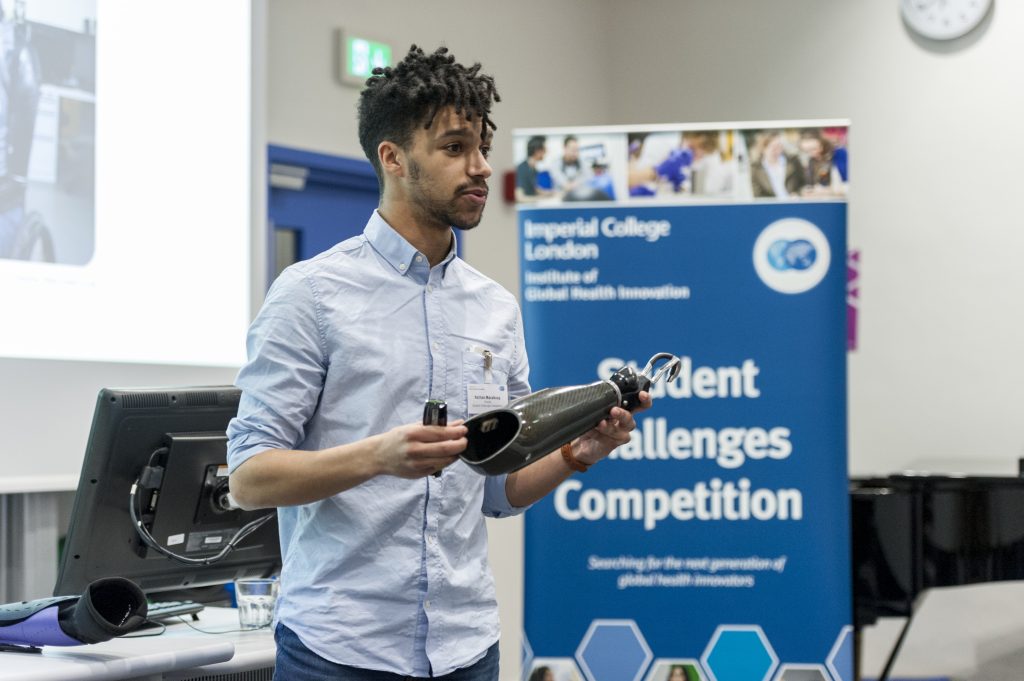
A decade ago, Imperial medical student John Chetwood darted from his Varsity hockey match to try his hand at another competition, with a different prize at stake. It was the inaugural IGHI Health Innovation Prize, giving UK university students the opportunity to win cash towards their global health idea.

John was one of five finalists to face our panel of judges at the Dragon’s Den-style final, and took home the top prize of £2,000 towards his new diagnostic tool for an aggressive type of bile duct cancer.

Since then, teams from all across the country have competed in our annual competition, now in its 10th year and growing, with £10,000 up for grabs for the top team. Prize-winning ideas have ranged from a smart handheld instrument to make microsurgery more precise, to a mobile-phone-based test for tuberculosis and an intelligent mattress topper for preventing bedsores.

As we launch this year’s event, a decade after it all began as the ‘Student Challenges Competition’, we caught up with some of our winners to find out their journeys since taking home the prize. If you want the chance to win £10,000 towards your global health idea, click here to find out more and apply now.

Spreading SMILE across the world

Kitty and Abellona, 2017 winners

“Our innovation, the SMILE (SMart-last mILE) vaccine cooling system, is the only last-mile solution that reduces human error and vaccination spoilage. It’s patented, low-tech (freeze-free) and fail-proof. SMILE can last for three to six days without power while monitoring and displaying the remaining cool-life of temperature-sensitive products, like vaccines.

“We have made a tremendous amount of progress since we won the IGHI competition. SMILE has been iterated, lab tested and field-proven. We conducted a successful field trial in remote villages in Madagascar at the end of 2019. We are entering the manufacturing and commercialisation stage. We are also working on an upgrade for a second version with extended features.

“SMILE’s help is not limited to developing countries. It will also help in biomedical research and cold-chain applications in the developed world. We are looking for trial partners in the UK and are keen to work with institutions to improve their work efficiency with SMILE.

“Winning IGHI has helped with running our IDEABATIC platform and helped raise awareness of the last-mile cold-chain challenges. After winning the competition, we won funding from the Expo 2020 Dubai, Royal Academy of Engineering and InnovateUK which also helped in this journey. We were also selected as finalists for the MIT-Solve global challenges.

“We encourage everyone who has a passion to solve important issues to take part. Make sure you tell people the story behind the innovation and share your passion with them. Good luck!”

Getting smart with parasitic worms

Laura and Kai, 2019 winners

Capta is a smart, low-cost tool to accurately and rapidly diagnose parasitic worm infections, which are responsible for soil-

Laura and Kai

transmitted helminth infections and diseases such as schistosomiasis. Compared to current labour-intensive testing, their handheld microscope uses machine learning and automatic imaging to analyse samples. The device also records data to provide real-time statistics on global disease burden. Team Capta hope that their tool will allow for faster diagnosis of these infections, and help target treatment to areas that need it the most.

“Winning the IGHI student challenge competition provided a huge opportunity for Capta. Shortly after the competition we expanded our team and used the funding to prototype the diagnostic tool. This was crucial to demonstrate to future partners and investors that we do have the capability and expertise to develop this tool. We have recently won a grant that will support our data collection in sub-Saharan Africa, and are excited to make progress following a break throughout lockdown.

“We couldn’t recommend the IGHI competition highly enough – it is a friendly pitching competition that provides a fantastic opportunity to network and meet fellow health-tech start-ups.”

Third Eye Intelligence: Buying time for people with organ failure

Sam Tukra, 2020 winner

Third Eye Intelligence is an artificial intelligence-driven platform that brings together a vast array of patient data to predicts their risk of organ failure, acting as an early warning system for doctors working in intensive care.

The platform design

“Ever since we won the Health Innovation Prize our development speed increased significantly. Following the award, we were able to hire bright engineers from Imperial College who were hungry to grow and implement their machine learning skills in a real clinical problem case. To wit, we completed our prototype of our early warning system for organ failure software to a presentable state. Using this new developed system we were able to present to 2 hospital partners whom we will be collaborating with for a clinical trial of our system in an intensive care unit.

“Currently, we are in the process of raising our seed round to fund this multi-centre trial to continue our development for market entry with product v1. Hence, the initial winnings from the health innovation prize really helped us to accelerate our growth not only from the technology development perspective but also from the commercial perspective. Additionally, the network effects from the pitching event, lead to attracting bright minds that joined our team and helped us grow Third Eye organically.

“My advice to student innovators would be, that Imperial is full of resources to accelerate their commercial journey that goes beyond R&D. Hence, just go out there and utilise all resources at your disposal, this includes competitions, events and more importantly people, that share your mission and can join your team to help you grow and reach the next stage.”

Could you be the next Health Innovation Prize winner?

Our annual student competition is open for applications, open to students at any UK university. Click here to find out more and apply for your chance to win £10,000 towards your global health idea.

Former winner Nate Macabuag presenting his project to the 2018 judging panel.

Collaborating globally for better healthcare


Healthcare is for all.

Here at the Institute of Global Health Innovation, we know there’s no better way to make progress towards this than working together.

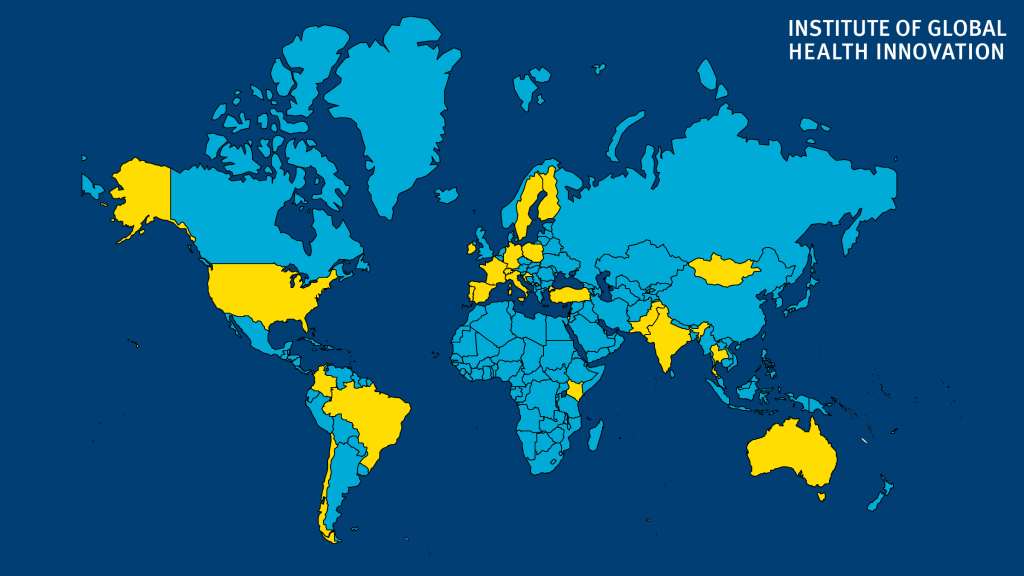
Global collaboration allows us to learn from each other’s experiences and successes and can result in unique solutions which carefully consider cultural and systemic differences.

To mark World Health Day, we’re shining a light on five IGHI projects, where working with international partners has brought tremendous benefits when creating innovative responses to healthcare challenges.

(more…)

COVID-19 reveals the injustices that underlie health inequities: what are the implications?

Person receiving vaccine

The COVID-19 pandemic has laid bare the social injustices that are holding back equity in health and care.

People living in poverty and deprivation are some of the hardest to reach and easiest to leave behind.

This means poor people are absorbing much of the brunt of the pandemic’s impacts, faced with challenges that leave them among the worst affected by the virus and exacerbating the struggles they already carry. (more…)