At IGHI’s NIHR Imperial Patient Safety Translational Research Centre, I lead research projects relating to the role that patients and carers can play in making sure medicines are used safely.
IGHI is home to a team of staff who are skilled and passionate about their roles. Our talented people are the reason we’re able to tackle some of the most pressing global health challenges through cutting-edge innovation.
According to the Department for Transport, between June 2017-18, 1,770 people lost their lives due to a road traffic collision in Great Britain.
But this isn’t an issue that only affects developed countries. It’s a global problem with many low-and-middle-income countries having even higher numbers of victims. Road traffic incidents can result in the loss of loved ones for families and friends, and for those who do survive, they can mean sustaining life-changing injuries and trauma. These impacts stretch beyond the individual, affecting economies and put pressure on health systems.
His healthcare innovation, Third Eye Intelligence, an artificial intelligence (AI) driven platform that predicts a patient’s risk of organ failure impressed the competition judges. Sam’s pitch earnt him the top prize of £10,000. But behind every start-up, there is a journey full of twists and turns.
I started my research on wearable sensors when I was appointed as a researcher in a UK Trade & Investment (now Innovate UK) funded project, while I was working on my PhD on a completely different topic.
When I first started working on sensor research, the concept of wireless sensor networks had just been introduced. I was one of the first few researchers who started the development of body-worn sensors for healthcare and wellbeing applications. Being one of the pioneers in this emerging field, I have developed a number of novel sensing platforms, and some have been widely used in the research community.
In wearable sensing research, we often have to start from scratch. We build our own sensing hardware, compose the embedded software, design the networking infrastructure, and develop the data analysis algorithms, as well as conducting the clinical validation studies. Basically, we have to start from generating the new ideas, turning the ideas into working prototypes, and then carry out the studies to evaluate the technologies’ potential benefits to patients. Although it is very challenging, I have learnt and gained invaluable experience in multi-disciplinary research. Apart from addressing healthcare challenges in the UK, our work has been extended to address some global health challenges.
Currently, I am leading a Bill & Melinda Gates Foundation funded project with a team of researchers from the UK and US to develop wearable and AI technologies to enable accurate assessment of dietary intake. The project aims to develop the technology to support large-scale nutritional studies, in particular assessing family nutritional intakes in low- and middle-income countries.
We plan to deploy and trial our technologies in rural and urban households in African countries. It is a very ambitious and challenging project, but at the same time,
One of the sensors Dr Lo has been working with
it has given us an opportunity to develop technologies which could potentially transform the field of dietary intake analysis.
While tackling the challenges in conducting field studies in Africa, my research group is also working closely with a research partner in Thailand. This project is deploying and testing our low-cost wearable sensors for fall preventions in local hospitals and residential care homes. Apart from healthcare applications, I have also explored the applications of sensing technologies for elite sport training and other applications.
With the advances in 5G mobile networks and Internet of Things (IoT) technologies, we anticipated that sensors will be widely used in supporting the digital transformation of our society. In particular with the current COVID-19 crisis, pervasive and low-cost sensing technologies could help alleviate the pressure on our healthcare services while providing quality care remotely.
As I started my research in this new field at its infancy, it has been a very exciting journey. It has given me opportunities to investigate novel technologies to tackle major healthcare challenges. The most rewarding part of my work is seeing our technologies being deployed and used to help patients.
Excess sugar consumption has been a critical public health matter for some years.
Too much sugar in our diet can contribute to health problems such as obesity and diabetes. Large amounts of sugar are often found in soft drinks such as fizzy drinks and fruit juices, as well as many of the foods we commonly eat, from cereals to sauces. For instance, just one can of cola can contain nearly nine teaspoons of sugar when our recommended sugar intake shouldn’t exceed 5-6 teaspoons per day.
By Laura Braun, co-founder of Capta, 2018/19 winners of IGHI’s Student Challenges Competition
Parasitic worms affect more than one sixth of the world’s population (WHO). They target the most marginalised communities that lack safe water, sanitation, and health care. These worms, including hookworm and the flatworms that cause schistosomiasis, are contracted through contaminated water, soil or food.
IGHI is home to a team of staff who are skilled and passionate about their roles. Our talented people are the reason we’re able to tackle some of the most pressing global health challenges through cutting-edge innovation.
For the UK workforce, the challenge of mental health at work is significant.
There is an ongoing stigma that prevents an open discussion on the topic. And with more people working longer hours, uncertainty in job security and a lack of understanding about mental health, this a problem which has repercussions for both employers and employees.
By Mr Guy Martin, Clinical Lecturer, Department of Surgery & Cancer
The COVID-19 pandemic is the biggest health crisis the world has faced in a generation. It has led to an unprecedented reaction from every corner of the globe.
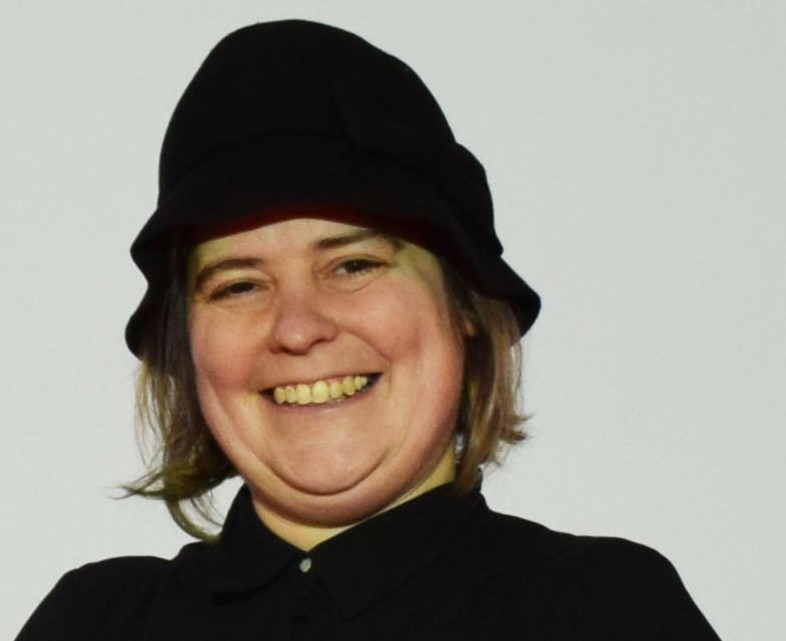 By Dr Sara Garfield, Research Associate, NIHR Imperial Patient Safety Translational Research Centre, Institute of Global Health Innovation

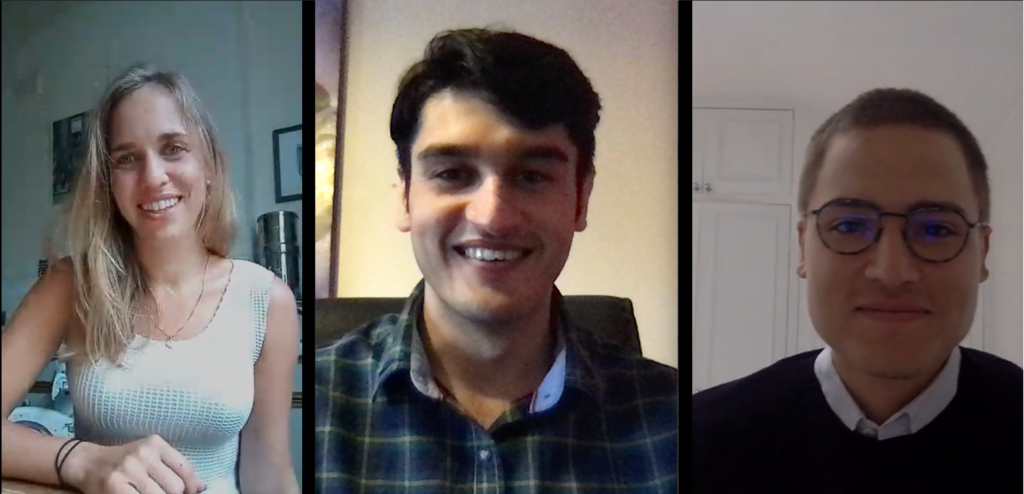 It’s been almost a month since Imperial PhD student Sam Tukra won IGHI’s
 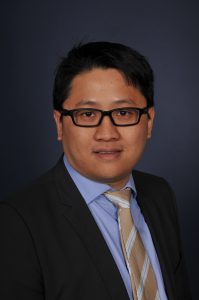 By
By 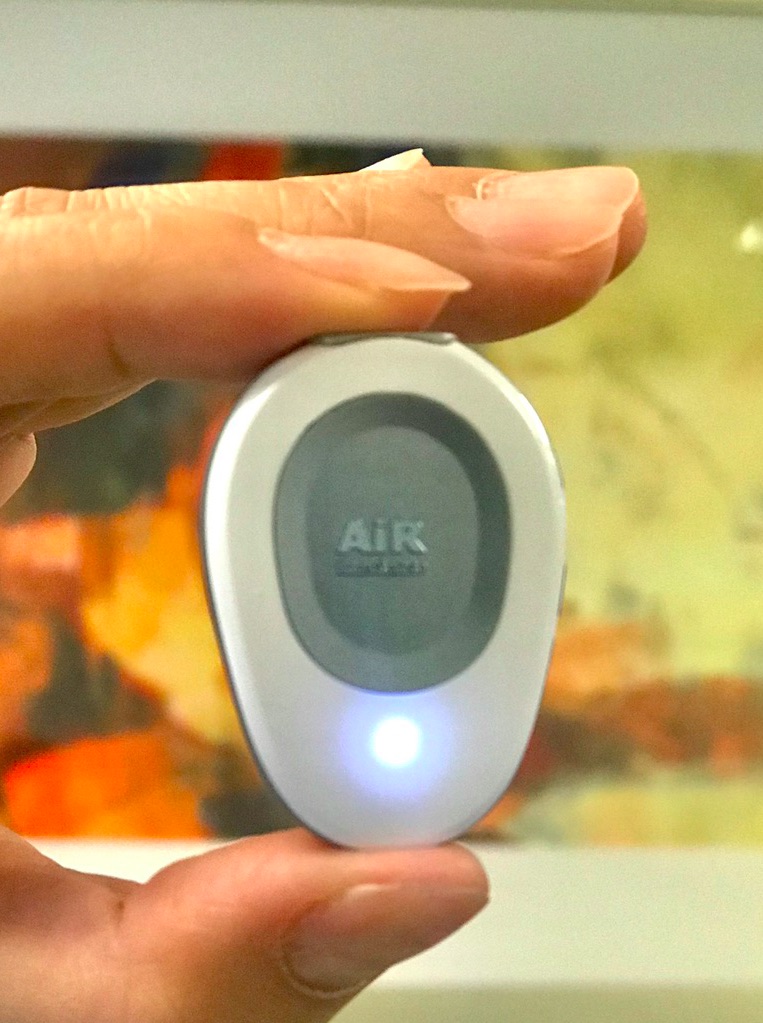

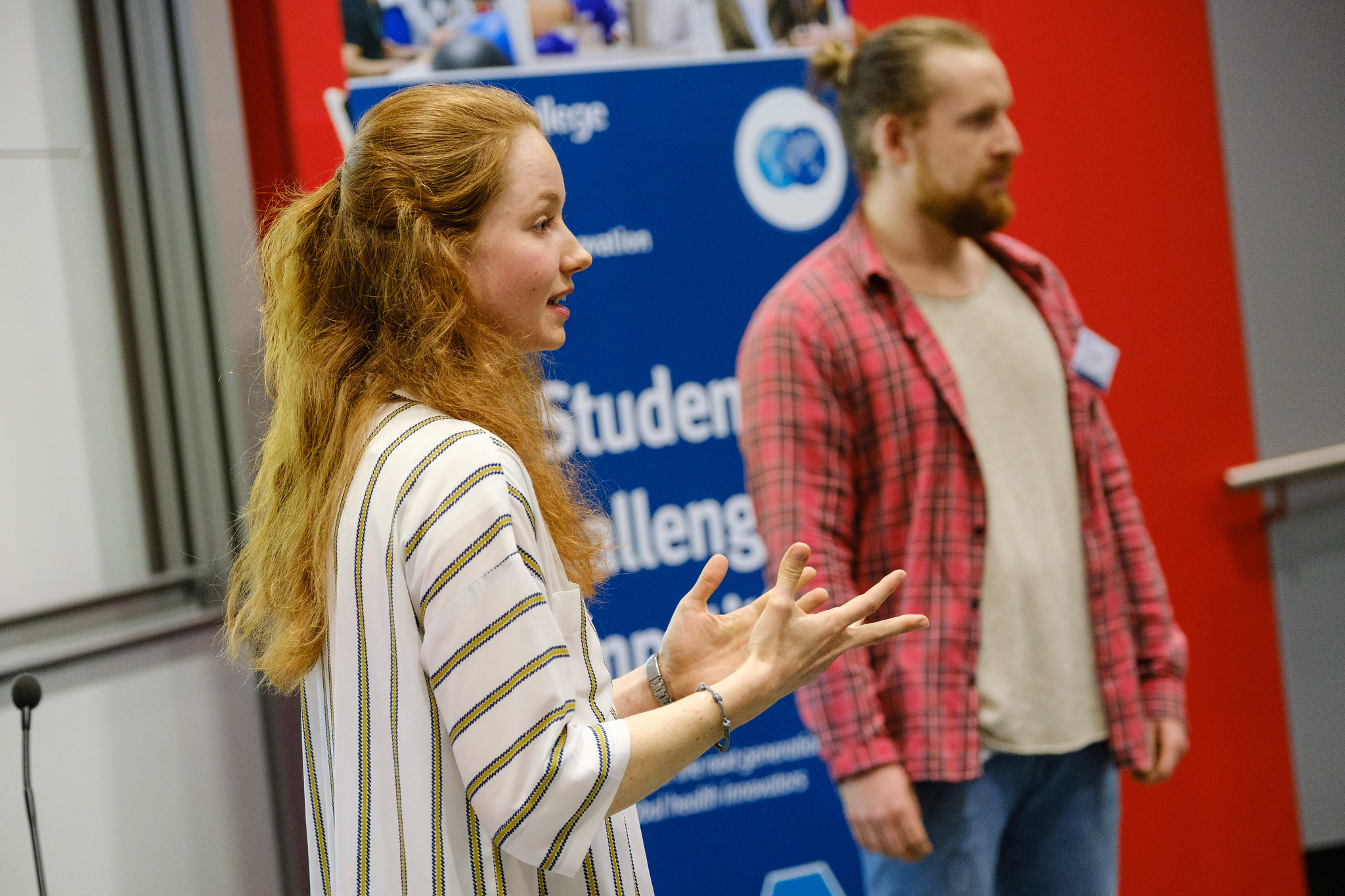 By Laura Braun, co-founder of Capta, 2018/19 winners of IGHI’s Student Challenges Competition