Tag: Events

4Cs Science Communication Writing Competition – 1st Place

by Stephanie Martin, MRes student in the Department of Life Sciences

Dear Present

Dear Sister,

I recently had an experience which reminded me of the stories Grandma used to tell us. I was hiding in what I thought was an animal’s den after being chased by water-raiders through the desert. The den turned out to be a large chamber, full of nothing except hundreds and hundreds of binders and a sign which said ‘The Daintree Rainforest – Lest We Forget.’

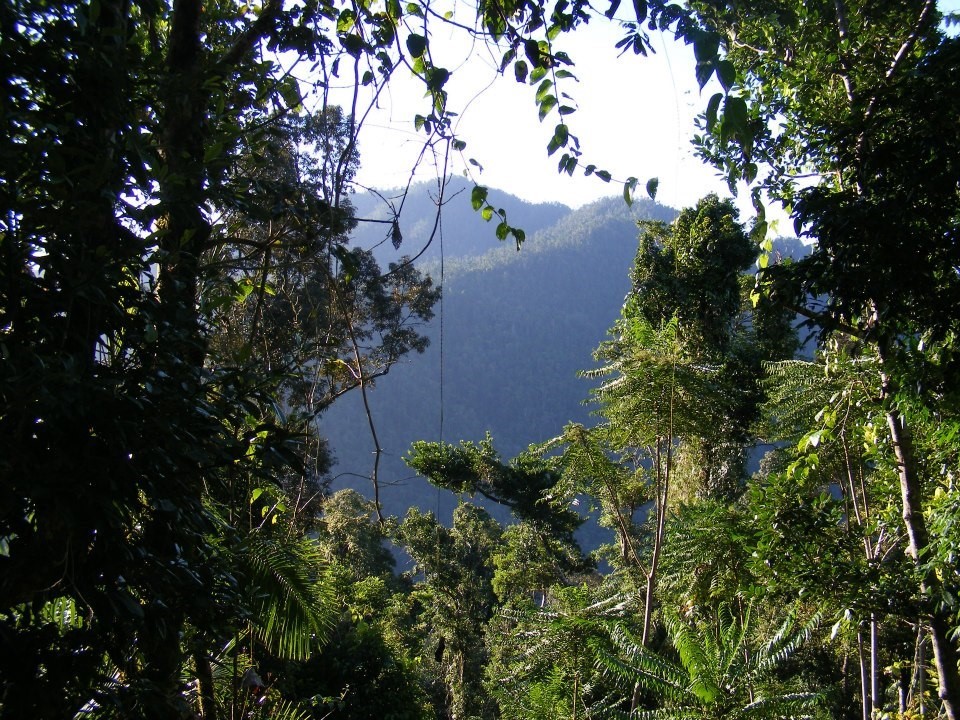
Do you remember what Grandma used to tell us about the Daintree? That luscious mythical jungle that used to inhabit these lands in Australia that we never really believed ever existed. I have included in this letter an old photograph that I found in an album marked ‘2019’, everything she told us about is there; trees too tall to climb, six-foot tall birds of electric blue running through the undergrowth, flowers, butterflies, and frogs… they’re all there.

The binders were full of scientific research from ages past. One paper caught my attention, ‘An Investigation into the Physiology of Trees and Lianas under Experimental Drought Conditions – by Stephanie Martin.’ I read the paper, taking in the (extremely sophisticated) statistical analyses and reading the (detailed and worthy of a distinction) manuscript written by this long since departed Master’s student. ‘Access to the rainforest canopy was gained via a crane’ she writes, ‘measurements were taken from tree species under standard tropical rainforest conditions, as well as those included in the drought experiment.’ I am jealous of this person’s existence in a time when they had to simulate drought conditions when we have lived through it our whole lives!

She goes on to detail her research, which I think you will find interesting. An instrument called a porometer was used to measure stomatal conductance; the rate of carbon dioxide entering and water vapour exiting the leaves via pores called stomata. The drought experiment covered 0.4ha and was evidently constructed using a series of clear-panel plastic roofing structures.

I’ll skip over the Results and Discussion sections, which were written in August 2019, and share with you the passage that has affected me most;

‘The simulated drought conditions reflect a possible future where seasonal rainforests experience hotter and longer dry seasons as a result of climate change. This project is important as global temperatures are set to increase by at least 2 °C degrees by the year 2100 (Raftery et al., 2017). It is essential that we assess the impact this warming effect may have on carbon sinks such as tropical rainforests in order to formulate management plans and influence governments and corporations to take action to prevent dangerous warming scenarios.’

It’s difficult to comprehend the magnitude of failure our ancestors caused when they ignored scientists calling for action to prevent climate change, resulting in a world now where people kill one another for water, and where rainforests are nothing but ancient history.

Maybe one-day things will get better.

All my love,

Your sister.
Cross-CDT Trip 2019 & World Cup Dinner

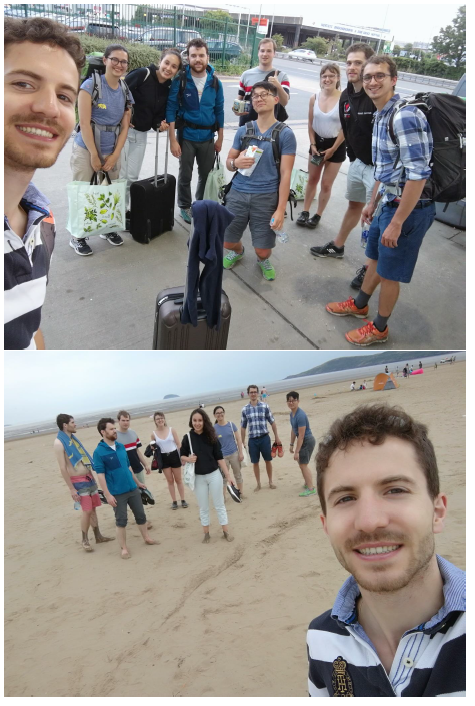
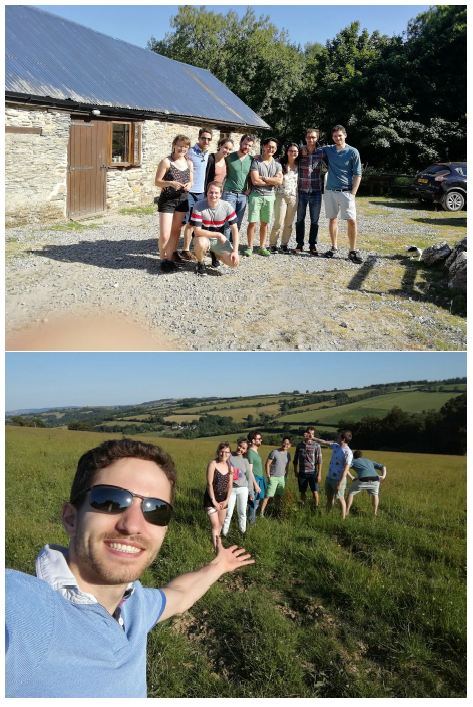
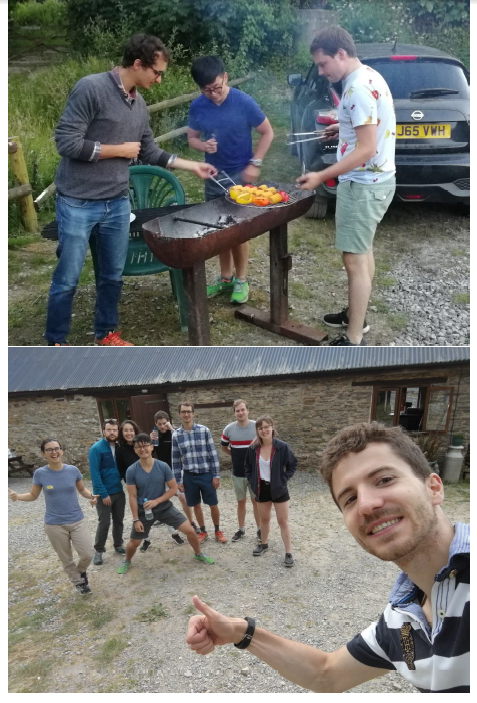
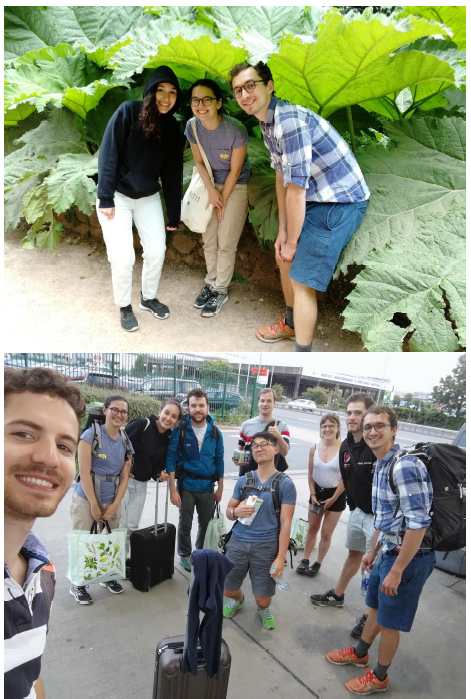
On 29th of June 9 CDT PhD students from 2 different CDTs left London for a 3 days trip to the countryside to explore West England.

On Friday morning all of us met at Heathrow airport at the Sixt car rental shop. After everyone arrived and after we got our cars we drove towards Bristol and then turned further left to reach a town called Tauton. There we bought some groceries and continued our journey to finally reached our end destination with was a small farm located between Taunton and Exeter.

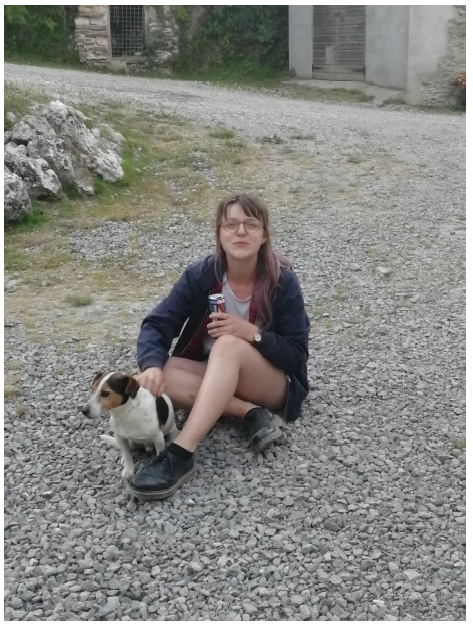
Immediately the AirBnB owner welcomed us with her lively 3 dogs Bisket, Douglas and Holly. After playing a bit with the dogs which we decided to go for a walk and discover the area of where we would stay the next 3 days. One speciality about this place was that it was so far from any other bigger city or town that there was no internet and mobile connection at all. Everyone felt it as a relieve not being connected to the rest of the world which made us enjoy the beautiful nature even more.

When we returned to the house we prepared dinner where the more talented chefs amongst us prepared a delicious pasta for us. We spoke a lot played some card games and at night we enjoyed watching the full moon and the stars.

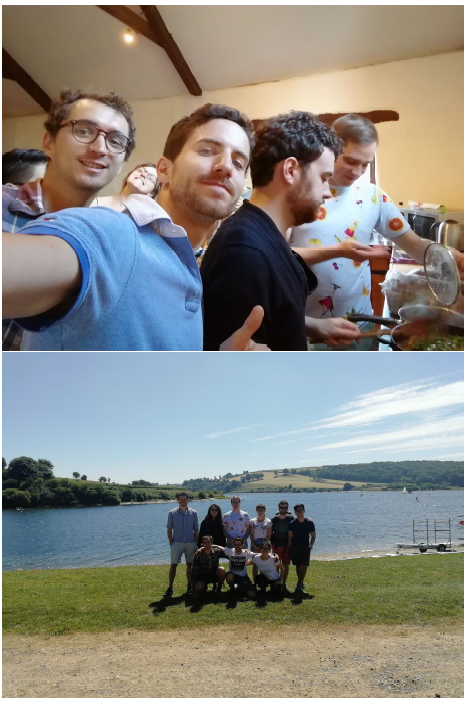
On Saturday the highlight of the day was that we took our cars to go to Wimbleball Lake. There we enjoyed the warm summer weather and borrowed some rowing boats to explore the lake. Furthermore, we managed to borrow a football and a tennis ball and played around with them on the grass. In the evening we prepared a BBQ and traditional Shakshuka which one of our friends knew very well how to cook it. We ended the second evening listening to music, playing some board and card games and exchanging other funny stories about our lives.

On Sunday we left the dorm quite early straight after breakfast to drive to a nearby castle called “Dunster Castle”. Although it started raining a bit we found joy in discovering and exploring a medieval town with its watermill, church, a beautiful garden and also the tiny houses and narrow streets. After that we continued with our cars to go to the coastal region in the north to a small city called “Weston-Super Mare”. There we enjoyed the sandy beach and also the mud which was left over due to the ebb of the sea.Finally, we enjoyed a last lunch together after returning back to London.

Here we also want to take the opportunity to thank the Graduate School for their financial support for this really joyful Cross-CDT Trip.

Here some impressions from our Journey

Cross-CDT World-Cup Dinner

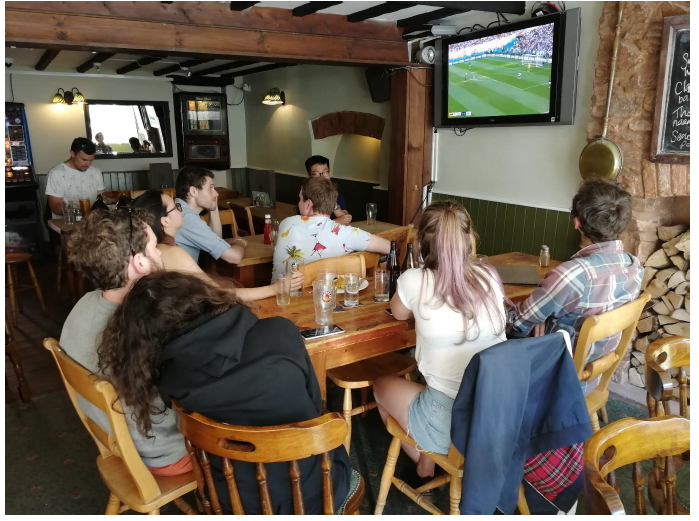
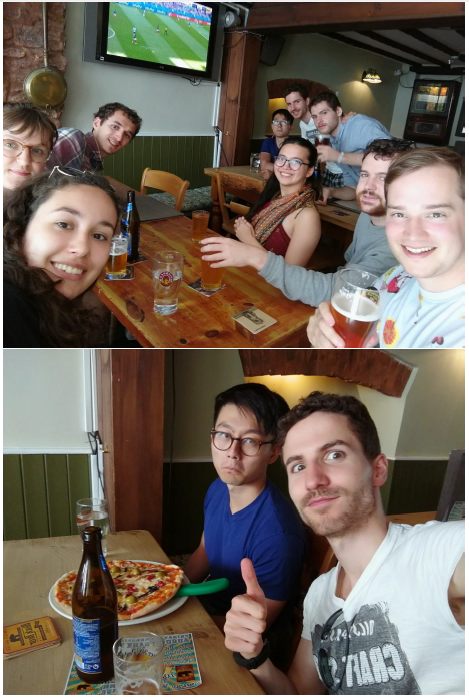
To celebrate the end of the term and to also exchange our football knowledge 10 CDT-PhD students from 2 different CDTs met up at a bar to watch the game Argentina against France.

It has been a quite long time that some of us have seen each other and therefore this reunion was very enjoyable by also hearing about the lives of our former MRes colleagues. The world-cup game of the day was France against Argentina. After discussing our bets on who is more likely to win the game and who we thought would score first the game started. While watching we enjoyed our dinner at the bar which was also very delicious, and which made the whole reunion experience even more enjoyable. The football-game was very exciting because throughout the match both teams were showing their best and most creative moves and strategic brilliance. Finally France ended up winning against Argentina 4:3. Since most of us were supporting France we were very relieved about this outcome and discussed the game in more detail also after the referee finished the game.

Here we also want to take the opportunity to thank the Graduate School for their financial support for this very nice reunion at the Cross-CDT World-Cup Dinner.


NHLI Careers Panel

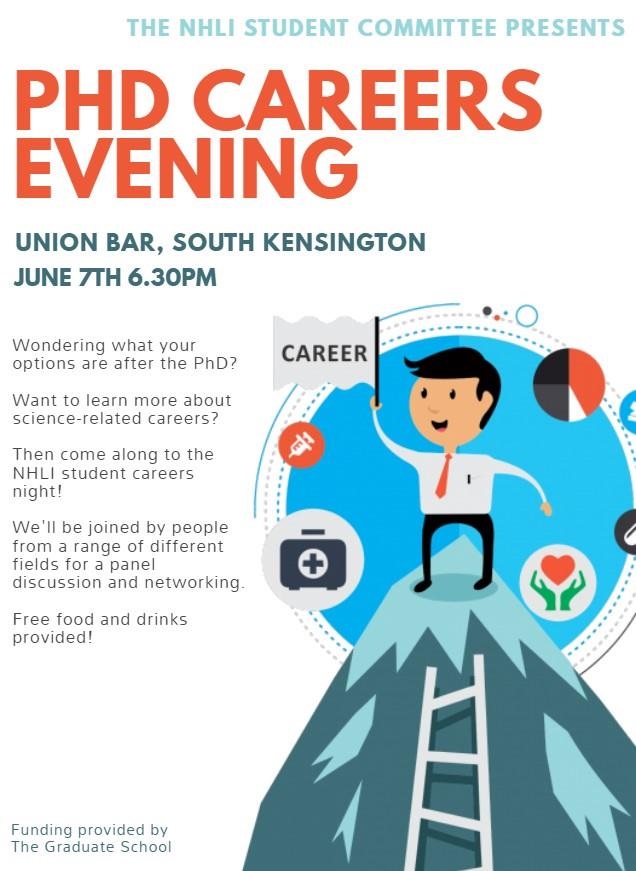
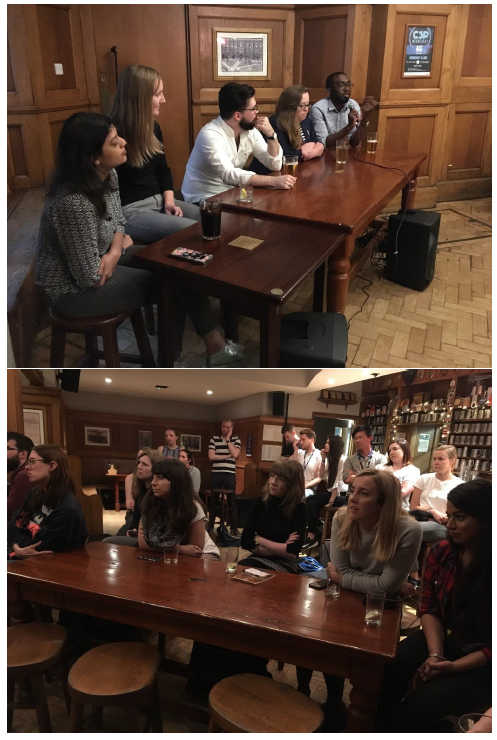
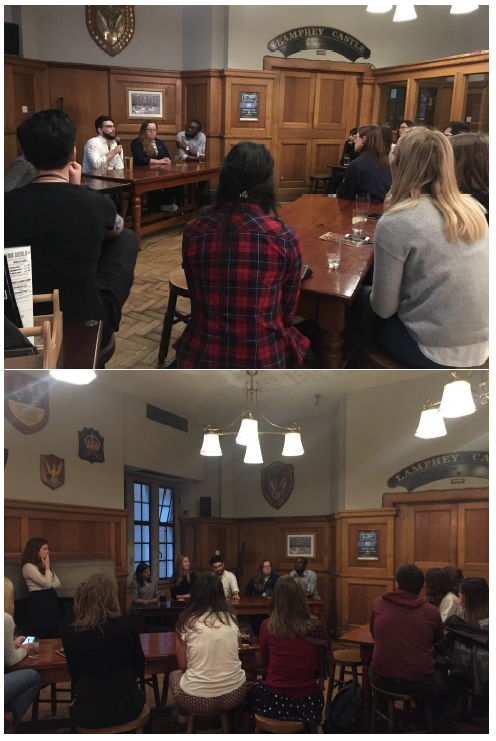
The National Heart and Lung Institute Postgraduate committee organised a PhD careers panel on the 7th June with great success. The event, which was held at the union bar in South Kensington, was extremely well attended. Students travelled from all the Imperial campuses, which is often a challenge to achieve. Our five panellists were all working in non-academic areas such as industry, medical writing and scientific consulting. Students asked questions about interviews, their day to day life at work and why they chose their career paths.

After the panel session, students had the opportunity to chat one on one with the panellists and ask more specific questions. The atmosphere during the Q&A and networking was made even better with drinks and buffet which were provided thanks to the Research Community fund.

The feedback received by the students and those involved was overwhelmingly positive. Students commented on how it was a great chance to learn about career possibilities outside of the university setting.

We as a committee believe that events like these are an essential part of the PhD experience and for career development in the department. We are therefore grateful to the graduate school for providing funding without which nights like these wouldn’t be possible.

How interventions are spread: Winning second prize at the Research as Art Summer Showcase

By Sophie Spitters, PhD Student, Department of Medicine

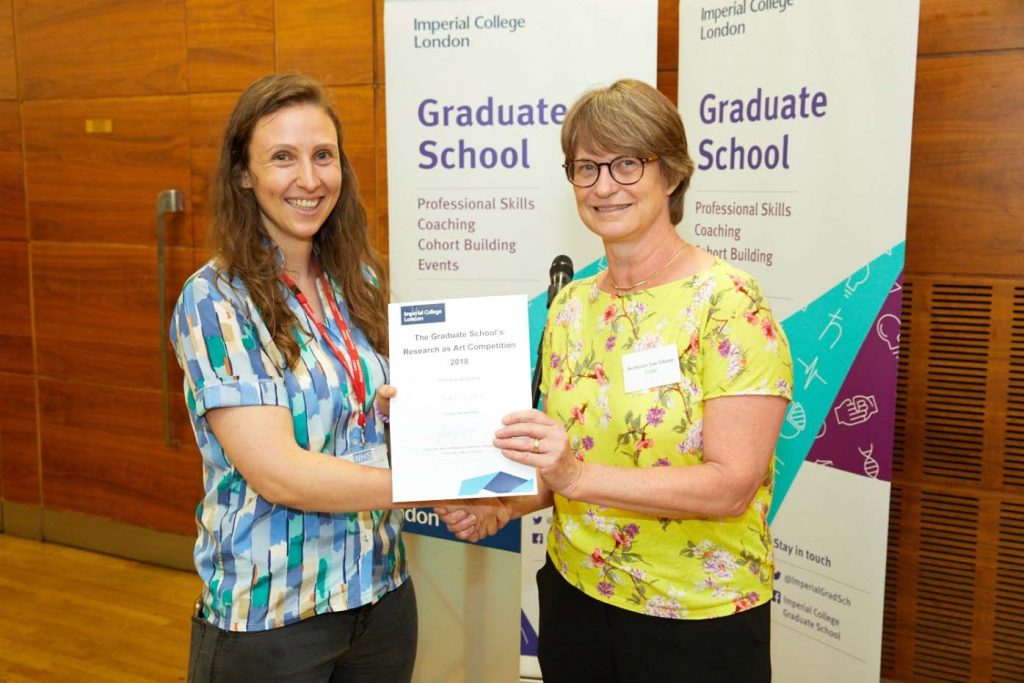
The Imperial College London Graduate School organised their annual Summer Showcase on Friday July 13th. The showcase aims to celebrate research undertaken by PhD students at Imperial and invites staff, students and visitors to find out more about their work via a poster and a research as art exhibition. I joined the research as art exhibition, showcasing my NIHR CLAHRC NWL research, and won second prize! First prize was won by Iman Ibrahim, who demonstrated what it takes to get clean drinking water to our taps in her mandala called ‘the ripple effect’. And third prize was won by Laura Braun for her ‘sludge cake’ made from sewage, demonstrating the value of faecal waste treatment in order to return it safely to the environment as a natural fertiliser.


How interventions are spread

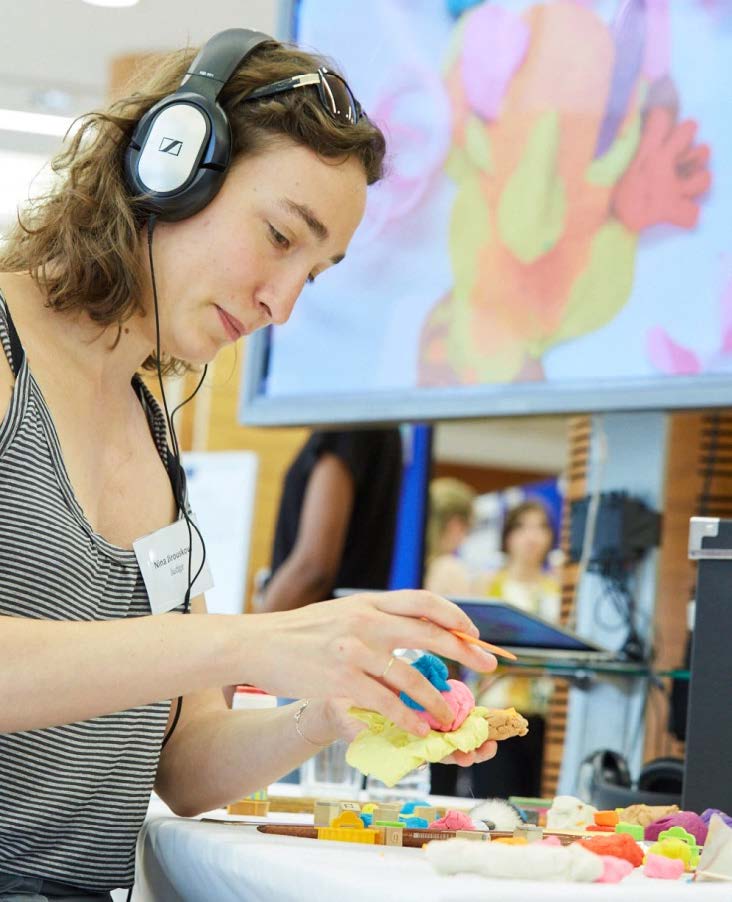
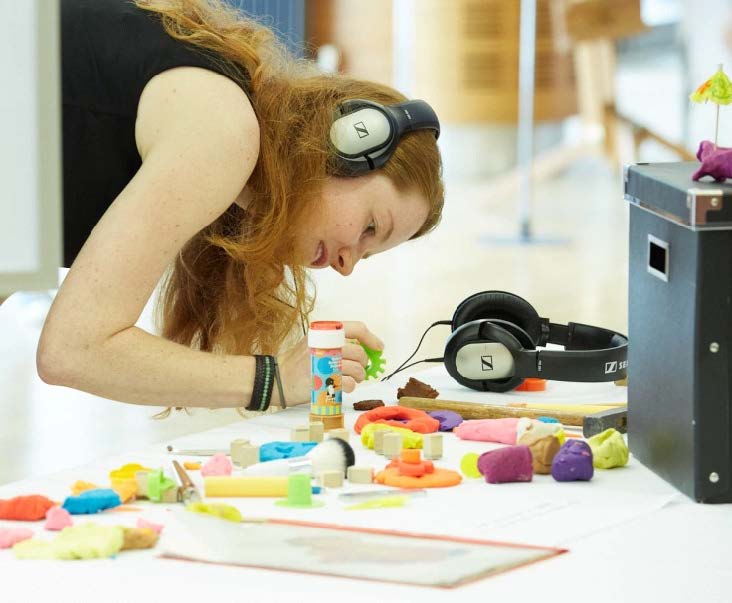
My art installation, titled ‘How interventions are spread’, aimed to communicate the reality of spreading healthcare improvement interventions, which often does not follow the expected trajectory. Healthcare improvement is often depicted as a linear straightforward process. First, a problem is identified. Then, a potential solution or intervention gets implemented in one area. Finally, if that intervention has shown to be successful, it is spread to other areas. The aim of spread in this context is to replicate the successful intervention exactly as is. Big investments are made to demonstrate that positive outcomes are linked to a particular intervention. So why change a winning formula? Why change an evidence-based intervention?

My research shows how in reality, the process of spread is a lot more complex. Evidence-based interventions often get presented as nicely packaged products with a clear step-by-step manual, not reflecting the messiness of interpersonal relationships, hard work and contextual dependencies underpinning its development. Hence, interventions do not just get picked up in one place and dropped off in another. When spreading to other areas, interventions change and develop depending on local priorities, capabilities and resources. This work is based on the spread of an allergy service improvement initiative.

I tried to communicate these issues through my art installation via two components: the video below and an interactive element encouraging people to build their own intervention with the (flawed) information and materials provided in the black box.


Exhibiting at the Summer Showcase

Joining the research as art competition was a great opportunity for me to communicate one of my research findings in a creative way. During the creation of the project, I realised that replicating a simple playdoh sculpture (which I used as a visual analogy) had many subtleties in common with replicating interventions in real-life quality improvement efforts. I never actually expected to see that. The Summer Showcase gave me the chance to explore these similarities and differences further with the visitors. It was great talking to people from different disciplines and different backgrounds about my research and to hear about their thoughts and insights. The art installation proved to be a great vehicle to start discussion, explore connections with people’s own experiences, and to visually demonstrate a key take home message from my research.

Master’s 3.60 – An Opportunity for Public Engagement

by Rosie Dutt, MRes student in the Department of Chemistry

Within academia, each individual is working diligently towards their research aims. It is fair to say there have been many nights where some may be working tirelessly to fix a programming code, whilst others ponder over why their reaction series has not worked. Eventually, we reach the end of our research once our scientific questions have been fully explored, with the aim of a publication into a prestigious scientific journal. However, this results in our work being read by our peers within the field, and on some occasions, by individuals with allied interests into the research area – but seldom by the general public.

This is unfortunate, as most the research conducted at Imperial – and indeed around the world – has significant impact, not only in academia, but also to society, the economy and the environment. Consequently, there has been a lot of emphasis recently to engage individuals outside the discipline and to raise awareness as to how the current research can impact them. I believe the Master’s 3.60 competition endeavoured to do just this, within Imperial itself!

The Competition

This was the second year of the cross-departmental initiative across all the master’s courses at Imperial. The first phase required students to submit a single slide detailing the background, methods and impact of their research; alongside a recording describing their study within 2 minutes. The process of preparing the submission required us to command a detailed understanding of what our research entailed, in order to get the key points across. Hereafter, 16 individuals were selected as finalists, including myself!

The second phase required us to present our research within 3 minutes, to an audience of our peers, and a panel of judges, with the aid of 4 slides. The slides were split such that there was now one for each aspect of the requirements (introduction, background, method and impact). Finalist were required to present in succession of each other, with judges ensuring the 3-minute rule was adhered too. When the results were announced I was awarded second place!

My Experience

My research is in partnership with Great Ormond Street Hospital and focuses on investigating traumatic brain injuries in children, to see how this results in structural, functional and cognitive brain changes – as assessed by imaging techniques and neuropsychological assessments. Preparing for the competition required me to assess what I had done, how I had done it, and the impact it would have on society, the economy and academia itself. This allowed me to identify key aspects of my research, and succinctly deliver it in a manner which was accessible to all.

Whilst preparing for the presentation, I attended a Mastering Presentation Skills workshop run by Dr Helal Ahmed. This required contestants to practice their presentations alongside each other and obtain feedback. I found this exercise extremely useful, as I was able to learn more about what further skills needed to be showcased, that being: confidence, enthusiasm, clarity, accessibility and relatability. I also took the opportunity to present in front of my research group, who provided feedback on how to better the presentation.

Personally, the competition helped me to develop my presentation skills by honing in on being as concise as possible; since conveying research conducted over 8 months, in 3 minutes, was quite a task. This has no doubt helped me with the structure of writing my manuscript and to focus on the application, and wider impact of the study. Furthermore, this was a great opportunity to communicate science, develop public engagement skills, and represent our respective departments.

Having a strong interest in science communication myself, I was very excited to hear about the research conducted by my peers. It was truly inspiring to see the amount of impactful research that was occurring within Imperial. Thus, I would recommend everyone to apply to the competition as it is a great way to start thinking about your research in a wider context, develop your confidence and presentation skills, as well as learn about the great research occurring within the university.

Cross CDT Reunion at Karaoke @ “The Star of Kings”

by Martin Prießner, PhD researcher in the Department of Chemistry

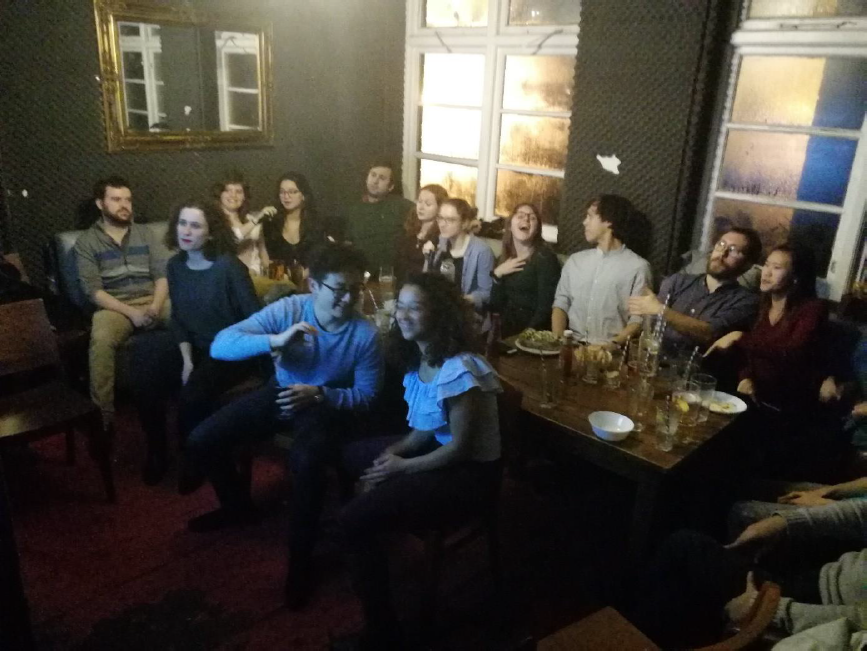
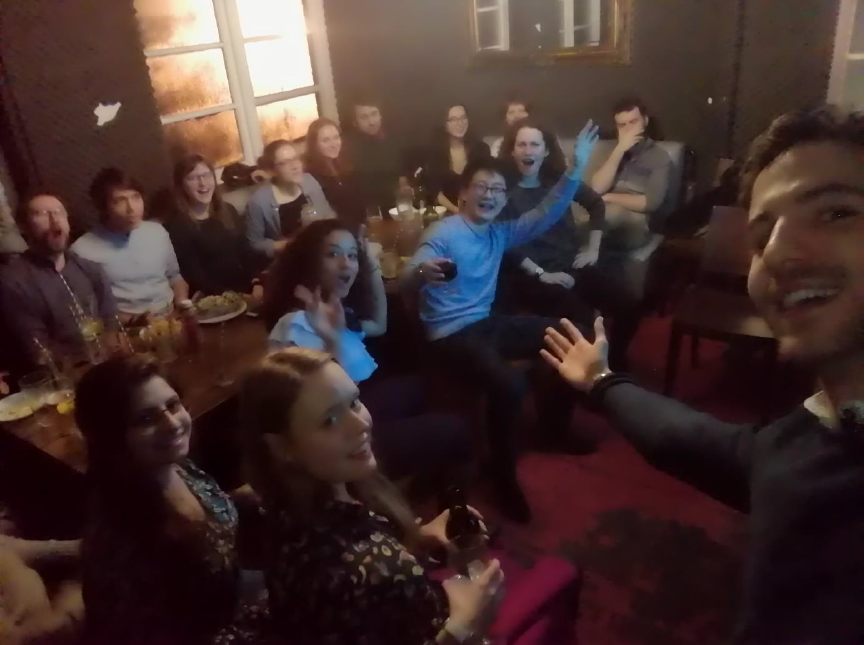
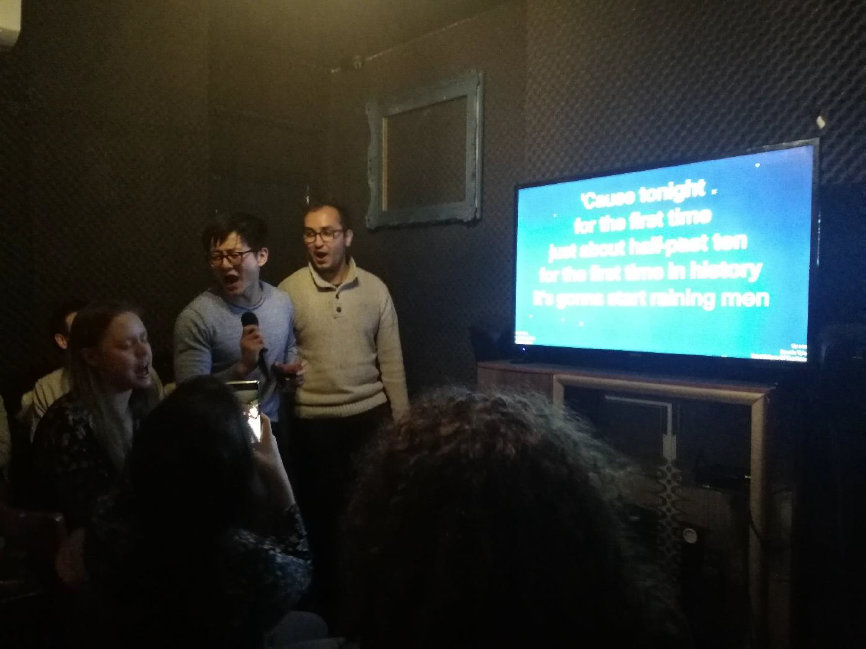
On the 3rd of March was the first official Reunion of the Cross-CDT Cohort 2016/17 after the winter break. For this occasion, 15 CDT students from 3 different CDT programmes (CDT Neurotechnology, CDT HiPEDs, CDT Mathematics of Planet Earth) came together to experience an enjoyable night at the famous Karaoke Bar “The Star of Kings” close to St. Pancras Station.

The evening started with a cosy dinner where everyone could catch up what has happened for each of the different PhD students after they have successfully finished their MRes in autumn the year before. After everyone was finished with eating their dinner-burgers or chips, the time had come to prove musicality by at the Karaoke machine. Throughout the night several different music genres were explored. Songs like “500 miles” from The Proclaimers, “Slim Shady” from Eminem and “Let it go” from the Movie Frozen were not missing in the repertoire of their passionate karaoke performance.

After 3 hours of extensive singing, “The Star of Kings” bar offered a free professional performance of the famous Drag-Queen Westend musical performer (“Everybody’s Talking About Jamie”) where everyone was able to admire an unforgettable show performance.

A special thanks goes to the Graduate School of Imperial College London which financially supported this cohort building activity.

Some impressions of this unforgettable reunion you can see here in this movie: https://photos.app.goo.gl/NGpXs9siFalUVKMP2

And in the following pictures:

Inter-group Bowling Event 2018

by Adrian Brown, Investigative Medicine

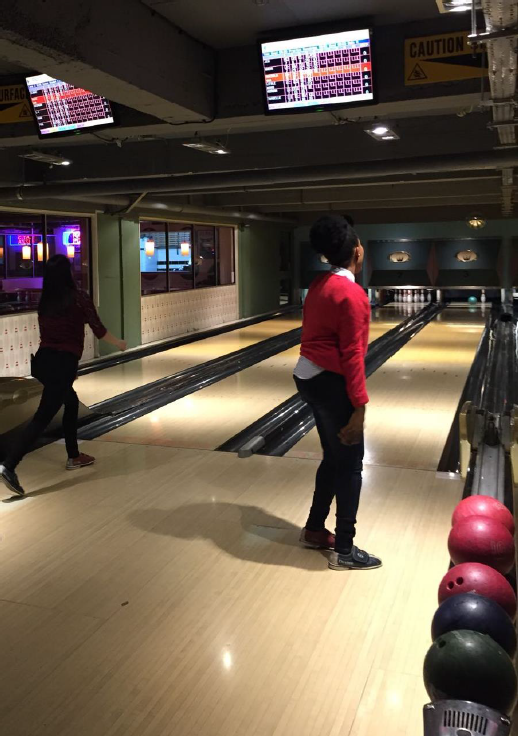
We originally decided to organise a social event to try and help our fellow colleagues beat the January blues! Once we had a spare moment, and to stop the students going on a New Year’s strike, we decided to organise an after-work bowling event. We invited students from Investigative Medicine and the Division of Brain Sciences to attend the inter-group networking event on Friday 12th January 2018. We were very fortunate and extremely grateful as this event was funded by the Graduate School. Attendees were randomly divided into teams across the three bowling alleys hired and participated in some friendly competition to find the top scoring team and player. We also shared some delicious pizza and drinks. After one game, the teams were reshuffled and play resumed. While the bowling skills among the group varied Jamie was the bowling champion among the group!

Aygul Dagbasi, a 1st year PhD student in Investigative Medicine particularly enjoyed the event commenting “I had a great time at my first PhD social event! It was a fantastic way to get to know people from the lab in a more informal setting”. Katerina Petropoulou, a final year PhD student also added “I haven’t bowled in years but the event was the most fun I’ve had at a social event during my PhD”.

Thank you again to the Graduate School for funding the event. As you can see from the photographs, everyone had a lot of fun and we look forward to the next event!

Connections and Collaborations: The Global Fellows Programme on Cities of the Future. Charishma Ratnam, PhD Candidate, University of New South Wales Australia

by Charishma Ratnam, PhD Candidate, University of New South Wales, Australia

Introduction

It is becoming a household statistic: by 2050, 66% of the world’s population will live in cities[1]. This statistic holds much value for me as I pursue my research on migration (specifically in regard to refugees and asylum seekers) and how migrants settle in places. When I was given the opportunity to apply for the Global Fellows Programme: Cities of the Future with this year’s focus on health and well-being, this statistic resonated with me even more. The current state and future of our big cities has become contentious, and the programme was able to offer a space for interdisciplinary discussions to take place.

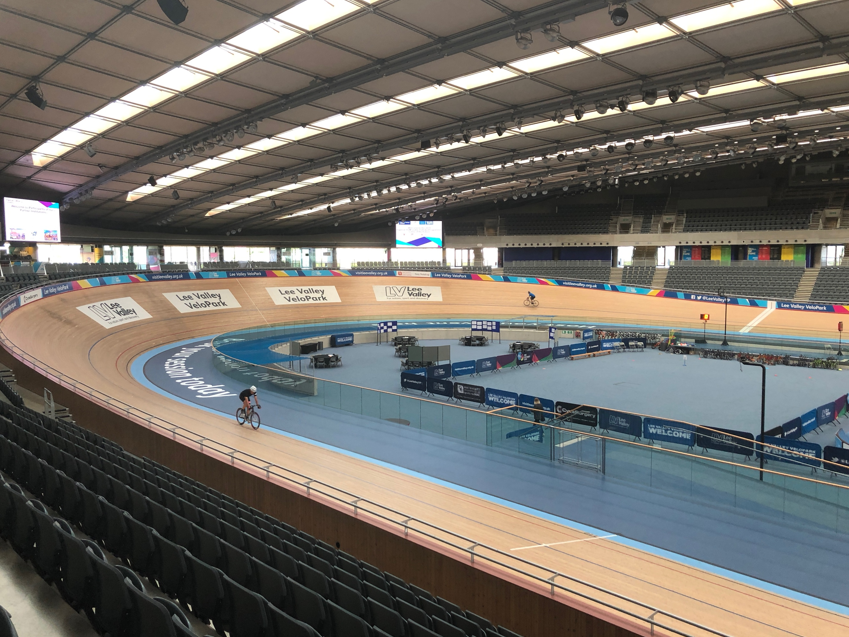
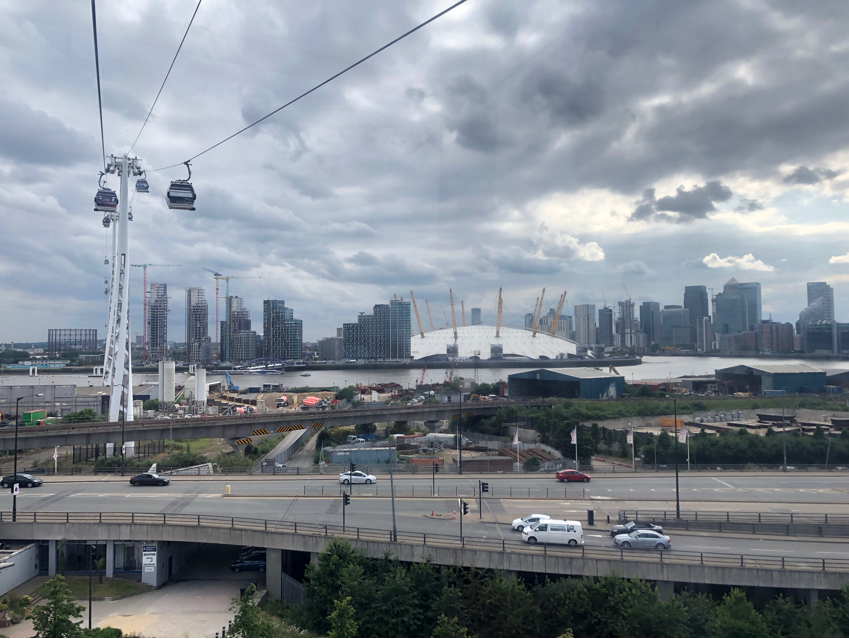
The Global Fellows Programme was held from June 10 to 15, 2018 at the Velodrome, Olympic Park, London, a place that saw much victory for England in the 2012 Olympics. Before arriving in London, each participant was placed in a team, and each team was allocated a theme for the week: health, mobility/transport, smart data/interconnectivity, housing, and business/infrastructure. These themes would form the framework for our project ideas and pitches. On entering the Velodrome, I was excited by the opportunity and motivation, as I saw the cyclists making their way around the track. The first day was about meeting and connecting with the group and the teams we were placed in. The most challenging task of the day: coming up with a team name. Our team (after much deliberation) settled on ‘The Lazy Foxes’! Lazy, defining some of the members of our group, and foxes, being the clever strategies and initiative we would take throughout the week. The second day tested our teamwork skills, where we undertook five fast-paced team-building exercises, followed by a period of reflection. After these team-building exercises, there were several outings that took place for the rest of the week. A few highlights included a visit to The Crystal – one of the world’s most sustainable buildings by Siemens, showcasing an exhibition about the future of cities – next to London Royal Docks, the Emirates Cable Car trip to North Greenwich where we were able to see the scale of redevelopments occurring in East London, and a visit to Imperial’s new White City campus.

After absorbing all the information delivered to us, we were left to our own devices. Although overwhelming and challenging, my team managed to come up with a concrete idea that focused on business and infrastructure. I gained important experience and knowledge from this collaborative process. Working together with other interdisciplinary, inter-institutional and international PhD researchers, academics and industry professionals meant that we learned a lot from each other. Delivering our final team pitch was a highlight for me – we were given feedback from a range of academics and industry professionals from different fields.

I would encourage PhD researchers to apply for similar professional development opportunities when they are offered. I was able to build networks, collaborations and connections with participants in the programme, and also benefit from the professional/personal development, team-building skills and interdisciplinary exchanges. I have gained a wider perspective on research that engages with the cities of our future, and I am interested in expanding on this area of concern further with the new friends, collaborators and research networks I have fostered at the Global Fellows Programme on Cities of the Future.

[1] https://esa.un.org/unpd/wup/publications/files/wup2014-highlights.pdf.

Photos

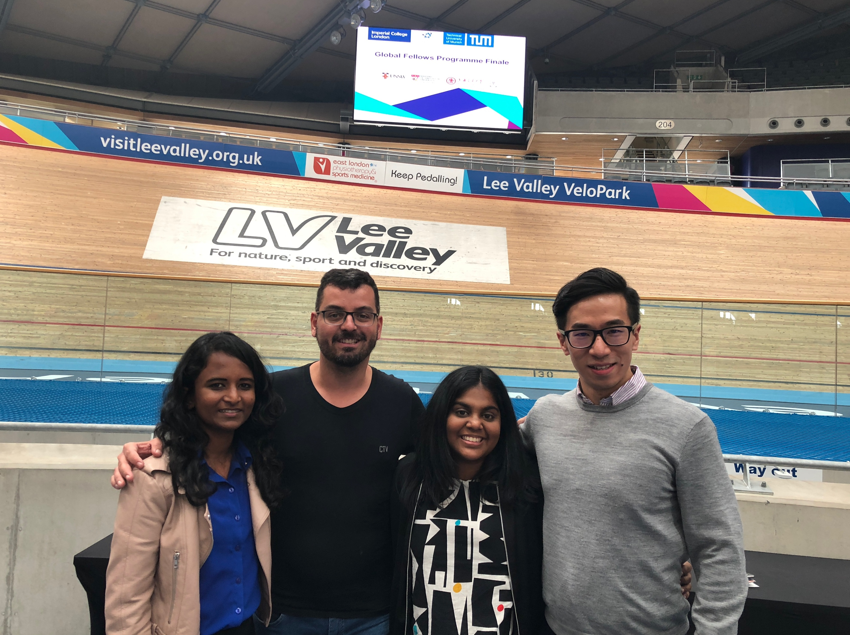
UNSW PhD researchers (L to R): Malshika Dias, Henrique Benites and Charishma Ratnam and UNSW Visiting Researcher Daniel Lu (Nanyang Technological University, Singapore).
Cycling track at the Velodrome, Olympic Park, London.
View of East London redevelopments from the Emirates Cable Car from Emirates Royal Docks to North Greenwich.
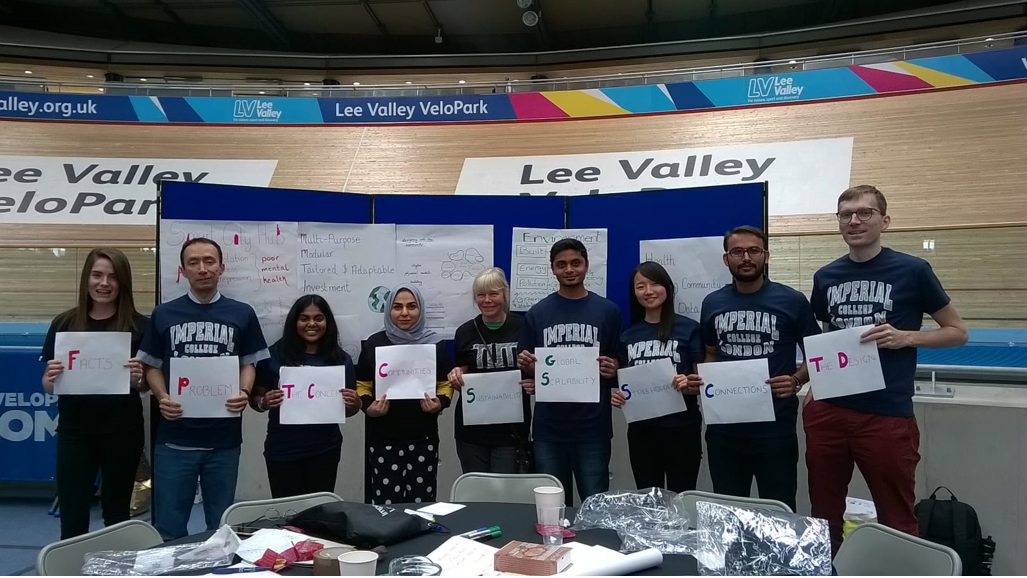
My team that worked on a business and infrastructure idea for the week (L to R): Stephanie Hewitt (ICL), Kahar Abula (TUM), Charishma Ratnam (UNSW), Heba Awadh (ICL), Clare Hunt (ICL), Shreyash Hadke (NTU), Mayu Sakuma (TUM), Mudussir Ayub (TUM), and Christopher Voss (TUM).


Rising Scientist Day

by Anwar Sayed, PhD student in the Department of Medicine

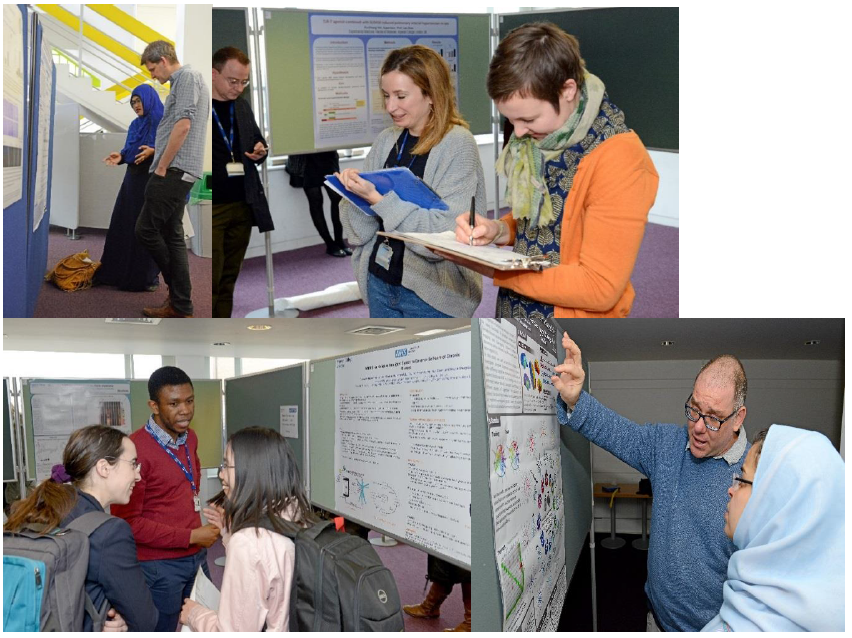
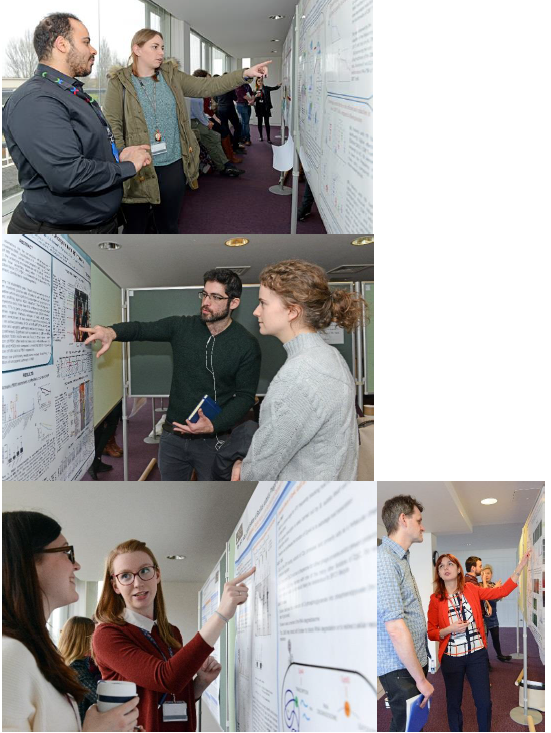
The Department of Medicine celebrated another successful Rising Scientist Day event following on from last year’s success. Rising Scientist Day is aimed at all PhD research students within the Department of Medicine. The event was held at the Wolfson Education Suite with 57 posters submitted and displayed both in the Café Area and the break-out space.

Andy Pritchard, Technician, Faculty of Medicine Centre, took many wonderful photographs of the day: here (above and below) we can see the research students explaining aspects of their research and posters to the judges and attendees.

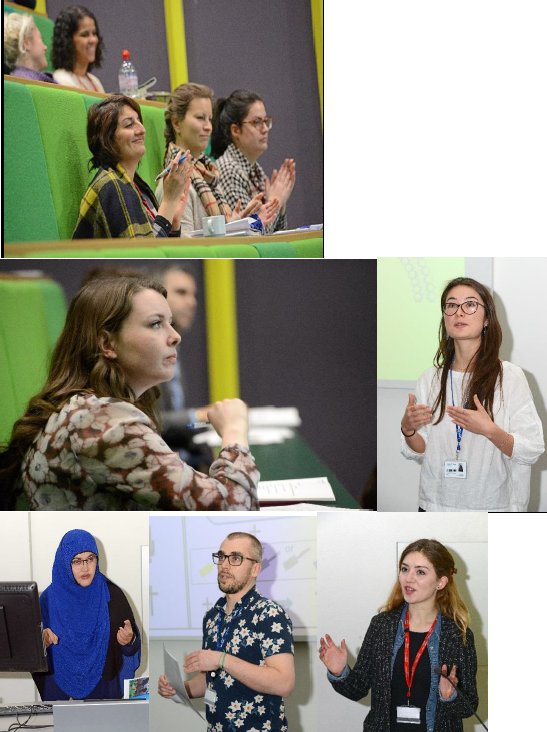
Following the poster presentation sessions and refreshments, everyone went up to Lecture Theatre II for the welcome by Professor Kevin Murphy, Director of Postgraduate Studies (Research). Then the 3 minute thesis presentations began. There were presentations from 12 PhD Students representing the Sections of Virology, Brain Sciences, Diabetes, Endocrinology and Metabolism, Immunology, Genomics, Microbiology, Haematology and Experimental Medicine. After the presentations there were talks given by the following Post Doctorate Researchers:

1. Dr Claire Byrne, Research Associate, Department of Medicine. Dr Claire Byrne was a PhD in the Department of Medicine, her research interests are in “The role of colonic short chain fatty acid production in appetite regulation and how they signal to the brain” and “The impact of spices and herb consumption on the composition and activity of the colonic microbiota and establishing a potential gut-brain signal”.
2. Dr Myrsini Kaforou, Senior Research Fellow, Department of Medicine. Dr Myrsini Kaforou was also a PhD in the Department of Medicine, received a Sir Henry Wellcome Postdoctoral Fellowship on “understanding and diagnosing infectious diseases using multi-level ‘omics data”.
3. Dr Michal Barski, Research Associate Department of Medicine. Dr Michal Barski’s research is in structural biology and biochemistry of retroviral integration. Dr Michal Barski offered his help again after last year and the Department is very grateful for this.
4. Dr Alex Thompson, Research Fellow, Department of Medicine. Dr Alex Thompson completed his PhD in the Physics Department at Imperial College London. Dr Alex Thompson is now a Research Fellow investigating the use of optical spectroscopy as a tool for non – invasive assessment of gut health.

The Post Docs gave honest and insightful briefs into their journey from PhD to their current posts.

The audience was comprised of PhD students, Post Docs, Academics and Administrative staff. The Presenters were engaging and did very well answering questions about their research.

The process was very competitive. Prizes were awarded as follows:
For the poster presentation:
Helen Groves in 1st place for – “The impact of respiratory infections on the gut microbiota”.
Nathalie MacDermott in 2nd place for – “A GWAS in West Africa: early serological evidence for a genetic susceptibility to Ebola virus disease.”
Hannah Maude in 3rd place for – “Type 2 Diabetes risk loci regulate nuclear encoded mitochondrial genes.”

For the 3 minute Thesis competition
Hannah Maude 1st place for – “Type 2 Diabetes risk loci regulate nuclear-encoded mitochondrial genes.”
Maria Lucey 2nd place for – “Food for Thought: Inhibiting Appetite with Prokineticin”
Michael Ankcorn 3rd pace for – “Identification, diagnosis and management of persistent hepatitis E virus infection.”

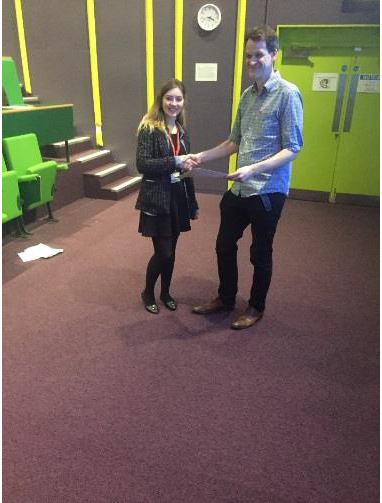
Professor Kevin Murphy presenting Hannah Maude with the First Prize for the 3 minute Thesis Competition

Rising Scientist Day concluded with a drinks & crisps reception which provided a great opportunity for students to network with one another. The Post Docs Speakers also attended the reception making themselves available to any questions. These types of events are extremely important to the Department of Medicine as they enable us to bring our Research Students together from all of the different sections and campuses.
In conclusion I would like to thank everyone involved (a special thanks to Professor Kevin Murphy for devoting all day to this event) for their valuable time and note that Rising Scientist Day would not have been possible without the generous support of the Graduate School.
We are looking forward to next year’s Rising Scientist Day!

IC Data Challenge – GSU President reflections

by Luke McCrone, Graduate Student Union President

In my December 2017 blog post, as I was setting out as GSU President, I referred to the importance of bringing together students from all faculties in a space which is collaborative. I am proud to announce that the recent genesis of the IC Data Challenge event has played a major part in fulfilling that vision…

Who was involved?

70 students, 7 companies and a lot of data made for an incredibly exciting hackathon event at the start of May 2018! We partnered with some great minds from the Imperial College Data Science Society to design and deliver this event. Companies involved included Deliveroo, DSTL, GSK, Fidessa, NewDay, Smarkets, Transport for London and Tableau. The event was also supported and endorsed by the Enterprise Lab, Graduate School and Business School.

All 7 companies submitted challenges and industry data for pre-assigned multidisciplinary teams of students to tackle. We had over 270 applications from students in all faculties and at all levels of study.

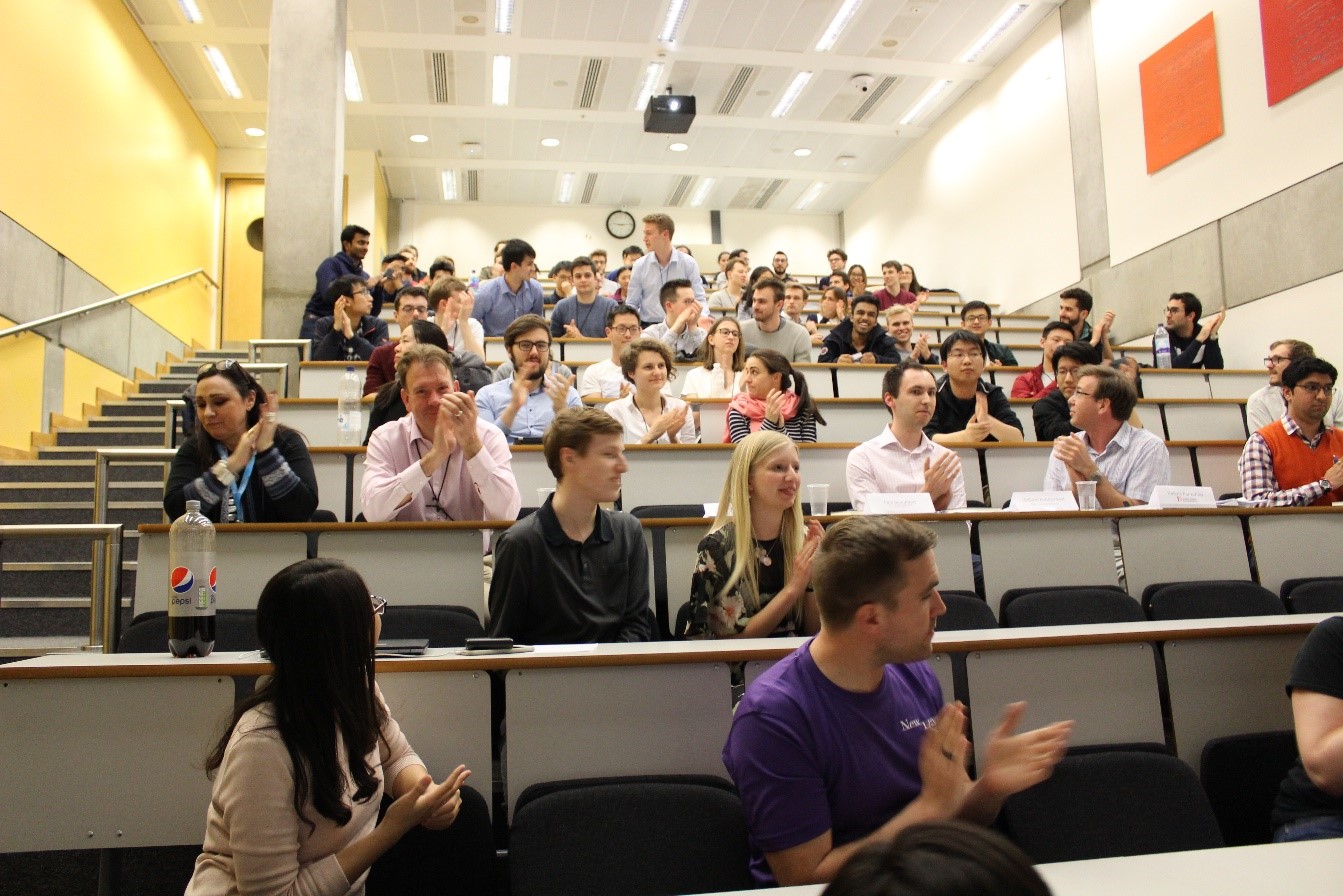
Students, industry and judge panel members applauding presentations

Event format

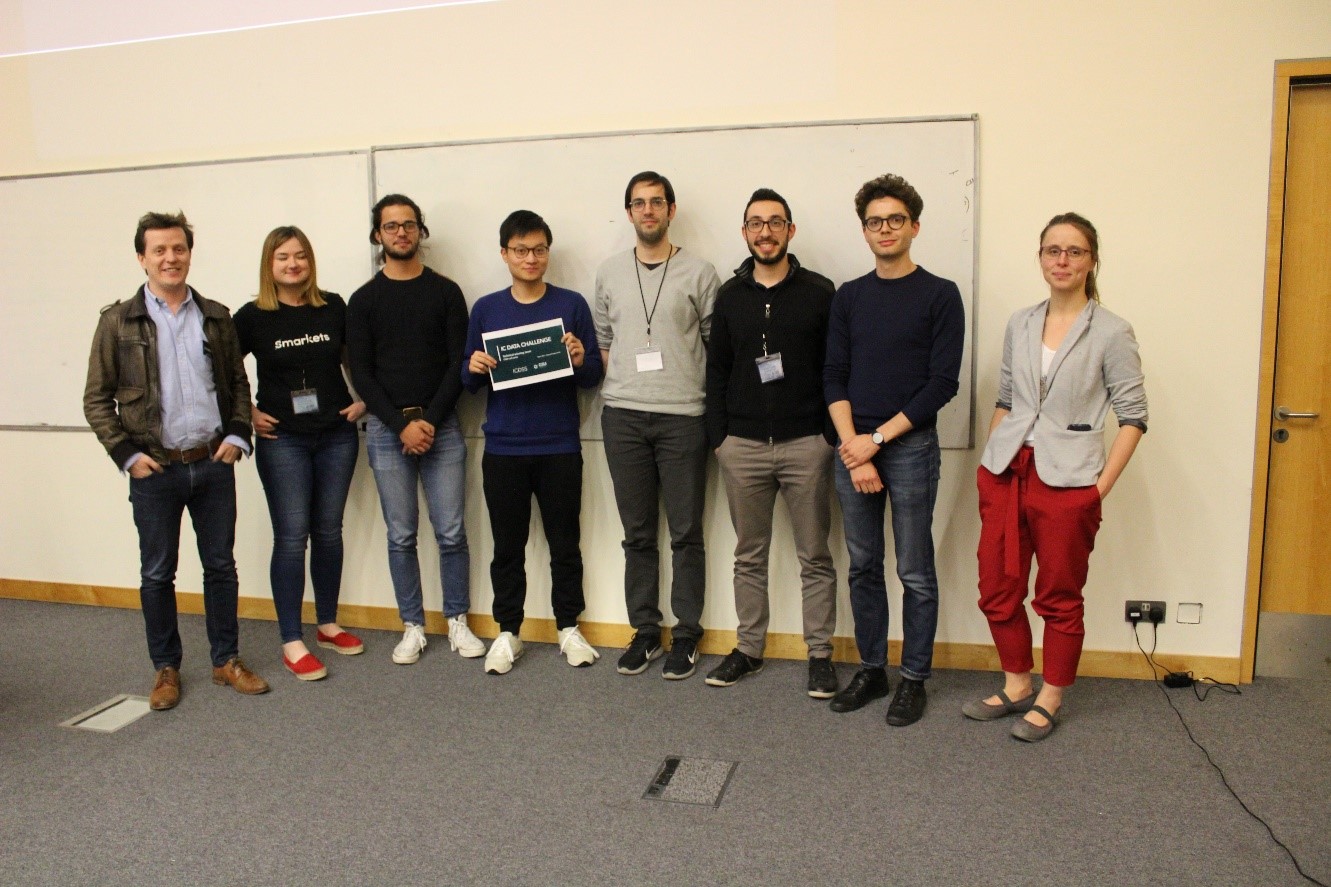
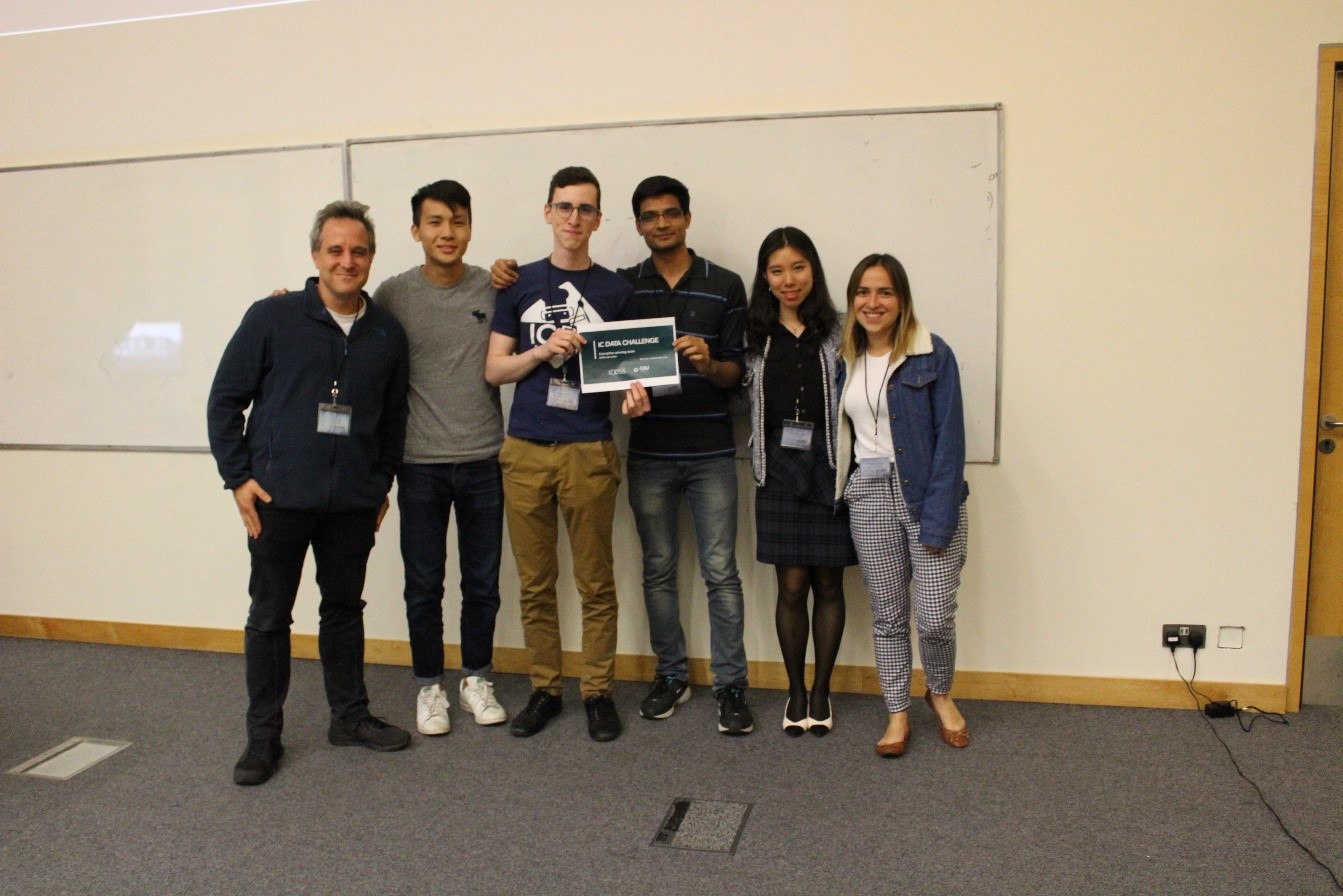
The event ran for 12 hours on Saturday 5th May and for the most part involved teams of students discussing their challenge over laptops under the supervision of industry members. The whole event culminated into a set of presentations from each participating team. The best technical team and best enterprise team were each awarded £500 cash prizes after being selected by an esteemed judge panel comprised of industry and academic members.

Best Technical: Smarkets team
Best Enterprise: Deliveroo team

Positives

The event was interesting for many reasons, firstly for the educational value it provided for all participants who were required to work with industry folk and fellow students from different technical backgrounds. Secondly, the unique marriage of academia and industry was an aspect highly commended by attendees from both sides!

My general opinion is that Imperial students should be exposed more to industry opportunities like this, not only for professional development reasons but also for exposure to different problem-solving approaches and for the development of commercial awareness in their fields. One student picked out this interaction with industry as the most prominent strength:

“I was assigned to one of the New Day teams – and their employees were professional, supportive and quite willing to nurture and coach us. This turned out to be the best feature of the event – the interaction with the New Day employees was top notch and that resulted in a day infused with valuable practical data science learning – simply priceless”

Lessons learnt

Despite most of the feedback being positive, we acknowledge the need to make improvements for next year. A few attendees mentioned how the event should be longer so that participants can get more out of the data with which they are provided. Equally, there seemed to be great difference between the format of different company challenges so more coordination and consistency between these needs to be achieved for next time.

Get involved in the next IC Data Challenge

I believe and hope that this will be the start of an annual event which builds in esteem and popularity year on year. The current team feel it has the potential to become a national event which involves students from other universities. Yet before deliberation, we need great people to take this forward; hence if you’re interested in being a part of the team that develops next year’s event then please either run for a GSU or ICDSS position or get in touch with us at gsu.president@imperial.ac.uk

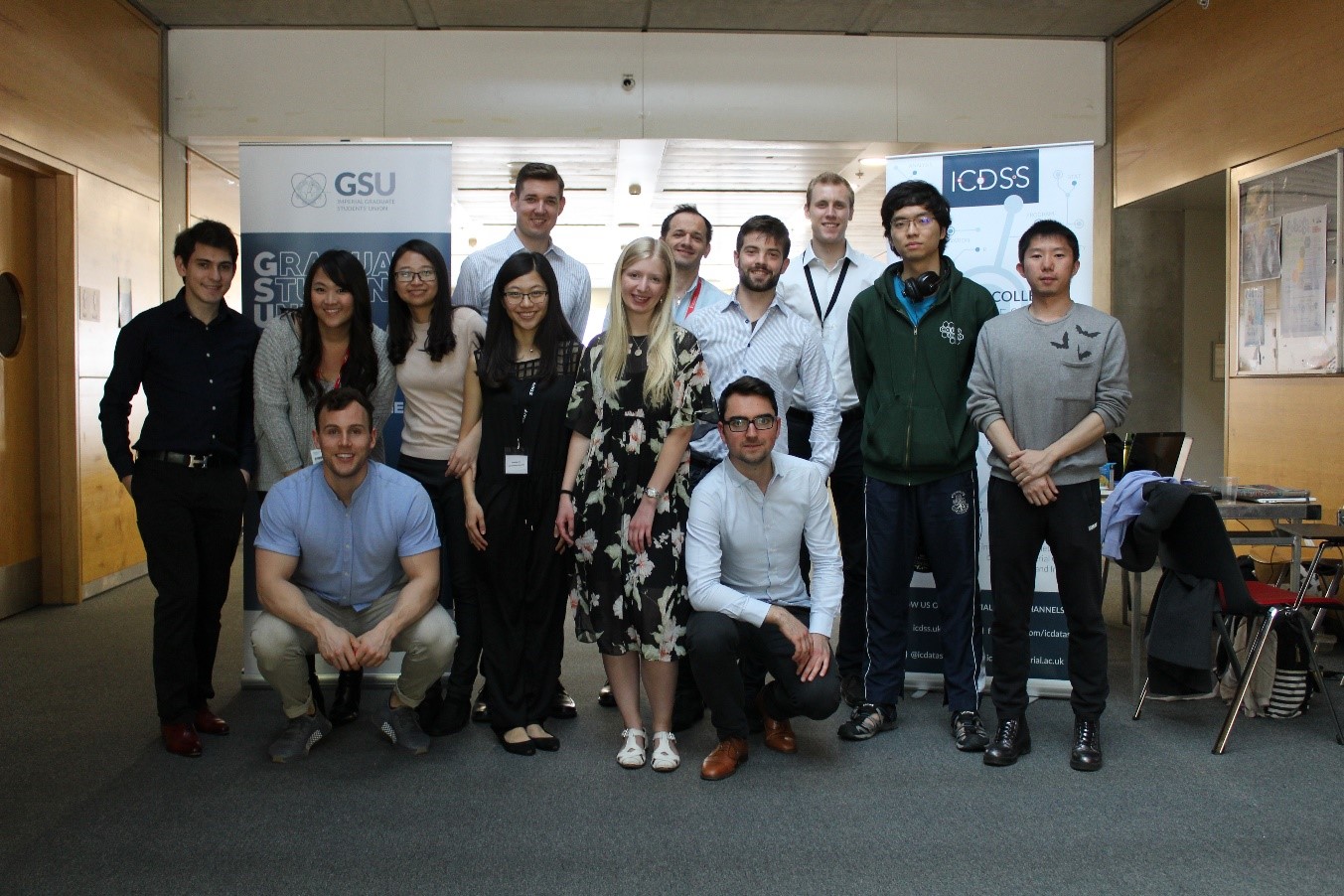
GSU and ICDSS members behind the IC Data Challenge 2018