Tag: Cohort Building Fund

SPIKE Goes Karting

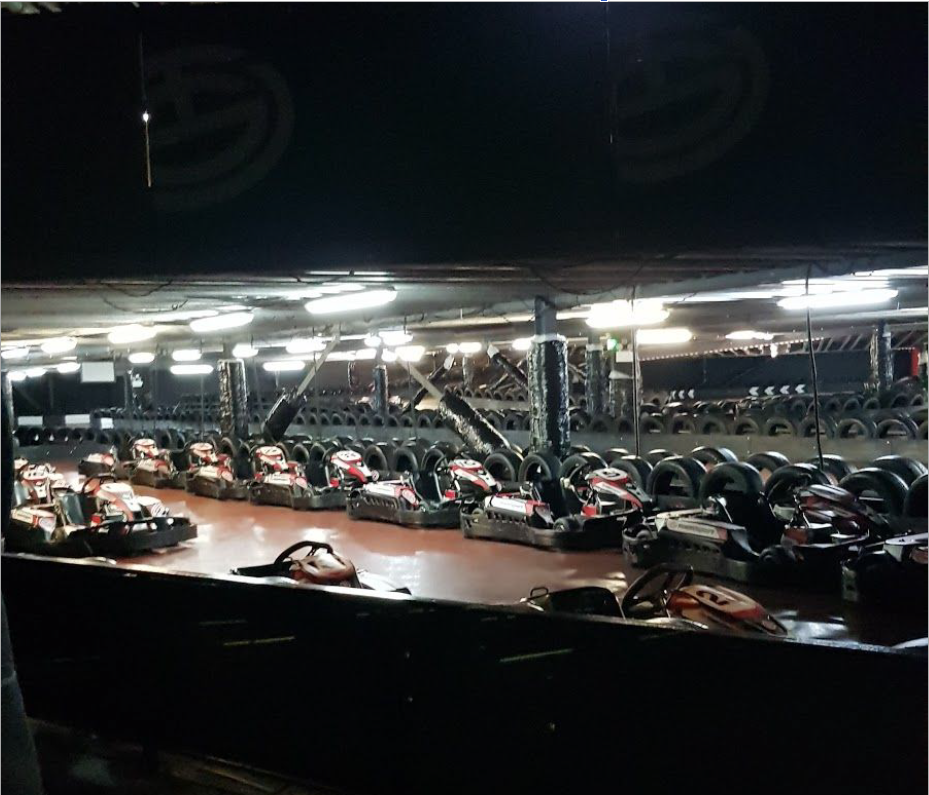
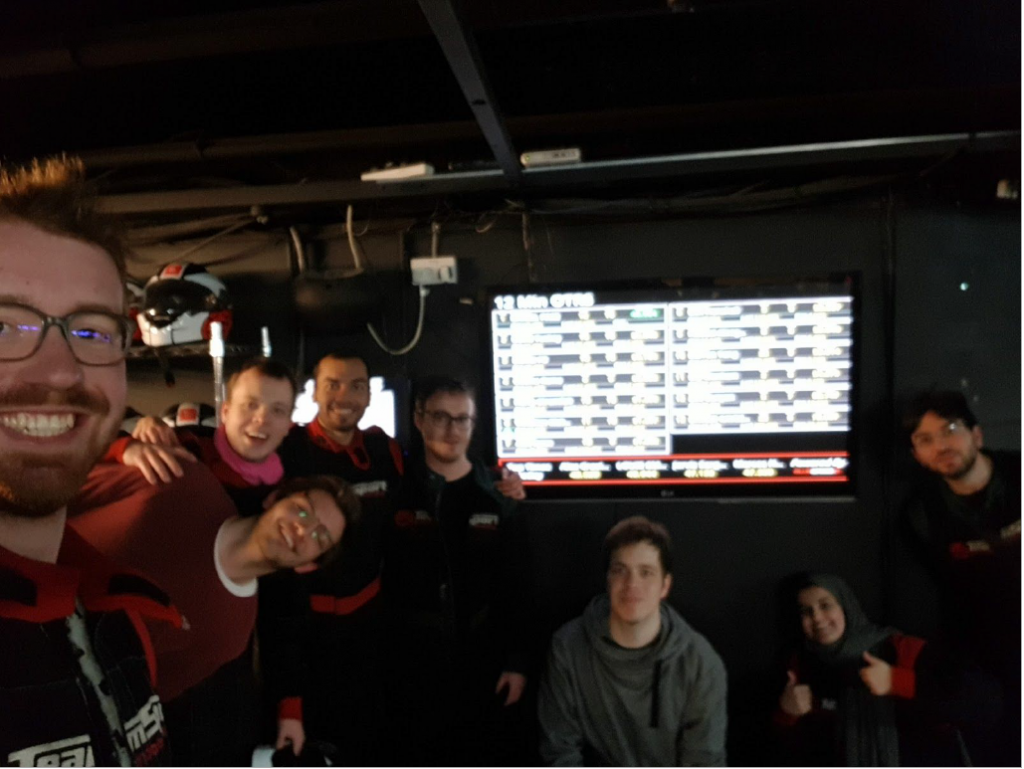
After weeks of online SuperTuxKart championships, it was time for the PhD members of the SPIKE research group to race in real life. On Sunday, 8 March, 2020 (just before a pandemic took over the world), SPIKE members enjoyed an eventful evening of go karting followed by a group dinner.

The evening was a chance to help foster the team spirit of the research group, and enable collaboration that goes beyond the day to day activities of each member’s individual research journey. As one PhD student put it:

“Karting was an unequalled experience: the wind on my face, the speed making the kart almost fly… It would have been that, if I had not worn a helmet, and I had not driven as slow as a stroll in the park (cit.).
But it was my first time karting at all, and as they say, better safe than sorry, right?
Anyway, it was a fun experience. It was cool to see people you normally see at work in a more relaxed atmosphere, where you don’t feel guilty if you’re not discussing work.​”

All in all, it was an evening to remember. Thanks to the Graduate School for sponsoring it.

London Malaria ECR Network Launch Event

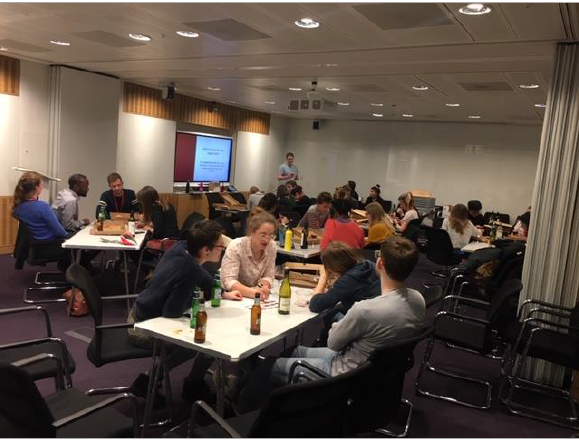
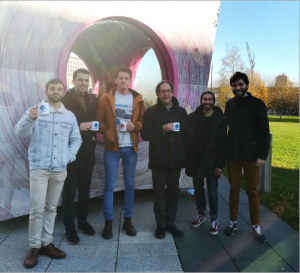
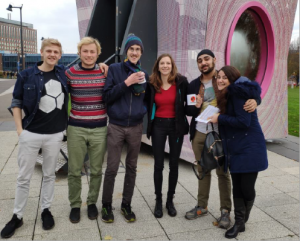
In their effort to establish an Early Career Research (ECR) community for all malaria researchers based at London research institutes, PhD students organized a launch event at the Crick Institute to bring everyone together. Research assistants, research technicians, PhD students and junior postdocs who work under either computational or laboratory settings were encouraged to interact with researchers outside their own social/departmental circles and suggest their ideas about the future of this network. None missed the chance to also show-off their ‘Knowles-it-all’ expertise on a malaria-based pub quiz, while enjoying nibbles and drinks.

Over 50 people from four different London-based institutes registered for the event, with a turnout of 30. It was a fantastic success and the outputs of the evening have included launch of a Slack and Twitter account which will facilitate the direct communication between researchers, a speed-networking event where researchers will have a few minutes to talk about their work with each other and more future social events where researchers will have the opportunity to mainly have fun and build new friendships and collaborations. Everyone in the end left with an ‘Ano-pheeling good’ attitude!

The workshop was made possible through the generous financial support of the Graduate School.


PhD students are bringing science to your ears

Usually a medical tool used to check your ear canal, Otoscope is now also the name of a project led by PhD students at the MRC London Institute of Medical Sciences (LMS).

Learning how to surf the wave of podcast popularity, the students are producing interview-style episodes with the aim of discussing complex medical science topics in a way that is informative to other students who may not be familiar with biomedical jargon.

This activity, now sponsored by the Imperial Graduate School, is currently under preparation and the first episodes are expected to be released later this year.

Photo after the first recorded episode at The Pod, White City Place. From left to right: Macia Sureda Vives, Eren Akademir, Matt Newton, Dr. Richard Festenstein, Manos Stylianakis, Eliano  Santos
Second recorded episode at The Pod. From left to right: Saul Moore, Vassili Kusmartsev, Dr. Peter Sarkies, Radina Georgieva, Virinder Reen, Monica Della Rosa


Recorded at The Pod in White City Place, the podcast is bringing together in the studio experts on different fields of biomedical research with PhD students to discuss topics such as precision medicine, ageing as a drug target or how genes affect behaviour. These topics are discussed with the aim of being informative to the bioscience-curious individual and of providing both the students and the public with tools to think critically about evidence and science.

Recording session at The Pod. From left to right: Macia Sureda Vives, Dr. Richard Festenstein, Eren Akademir, Manos Stilianakis

Organising the activity are PhD students at the LMS, while other students are taking part as guests to pitch their own research in the segment ‘Publication of the month’. ‘We thought this project would be a nice way to learn how to communicate science effectively, while networking and having fun at the same time. But also learning key skills that could help us with our post-PhD careers’, says Eliano dos Santos, the PhD student coordinating the project.

This science communication project is supported by the Grants, Engagement and Communications team at the LMS. And the voice of Dr Sophie Arthur, the Science Communication Officer at the MRC LMS and author of the award-winning blog Soph Talks Science, will guide you through each episode.

The first episode is expected to be released later this year, and from then on monthly talks will be available on the usual platforms. To receive the latest Otoscope updates, follow @MRC_LMS on Twitter and @mrc.lms on Instagram.

Institute of Clinical Sciences – Greening LMS Launch Event

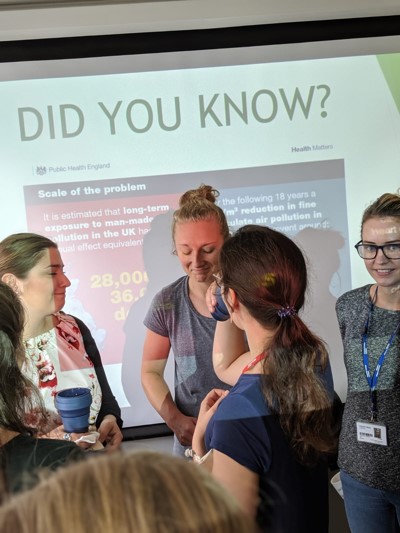
On a brisk Wednesday at the end of September we launched our programme to encourage sustainable practices within the MRC LMS at the “GreeningLMS launch event”. The main aims of our event were to give LMS members the opportunity to get to know the team and find out about its initiatives. This event also allowed important informal chats inspiring new ideas and collaborations! The suggestion box was full of lots of exciting thoughts of how the GreeningLMS and LMS staff members can come together to create the most impact.  It was a fantastic event with a great turnout including all LMS Imperial students on the 6th floor of the CRB building, Hammersmith Campus.

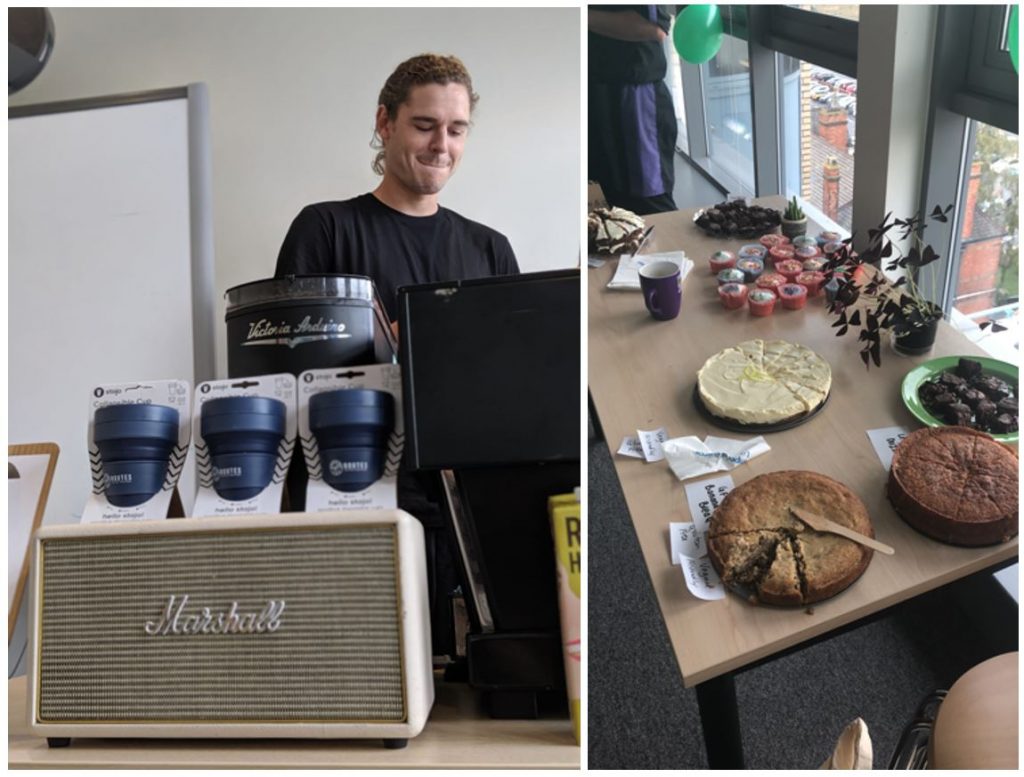
Routes coffee, an independent barista with an environmental conscience, generously donated their time. Needless to say delicious coffee was enjoyed by all! Members of the team made homemade cakes, catering for gluten intolerant and vegans alike.

An informative presentation was projected and ran on loop in the event room, advertising the main aims and goals of the team, some practical tips for sustainable practices in and outside the lab. In addition, a plethora of frightening facts about the effects of the current environmental situation on health and the world’s ecosystems and how we contribute to it where shown. Feedback highlighted how many of the attendees were unaware of the current state of play.

Finally, the event saw the signing up of Greening representatives for each lab – a point of contact between the lab and GreeningLMS – ensuring that best sustainability practices are maintained by all. These representatives will also be key in the ongoing evolution of sustainable practice implementation and will provide constant feedback about the success of the different GreeningLMS initiatives.

This event engaged the whole institute, raising awareness of sustainable issues and it was wonderful to see the general enthusiasm and support from all. In particular, it was great to see so many students attending, especially the newbies, as you will be pioneers – doing lab work as sustainably as possible from the beginning with no bad habits ;).

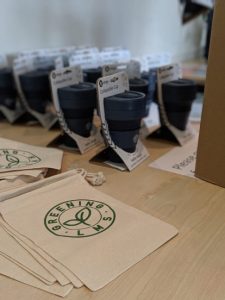
Due to the generous funding by the Research Community Fund, we were able to fund this event and buy sustainable freebies to pass out to attendees and bites to eat. Attendees were able to take a collapsible cup for their morning coffee on the go and a 100% cotton bag for their fruit and packed lunch. Without this funding the event would not have had record attendance or such widespread impact. So, a massive thank you to the Research Community Fund for helping to make our event possible and the success it was!

CMBI Christmas-Themed Games Night

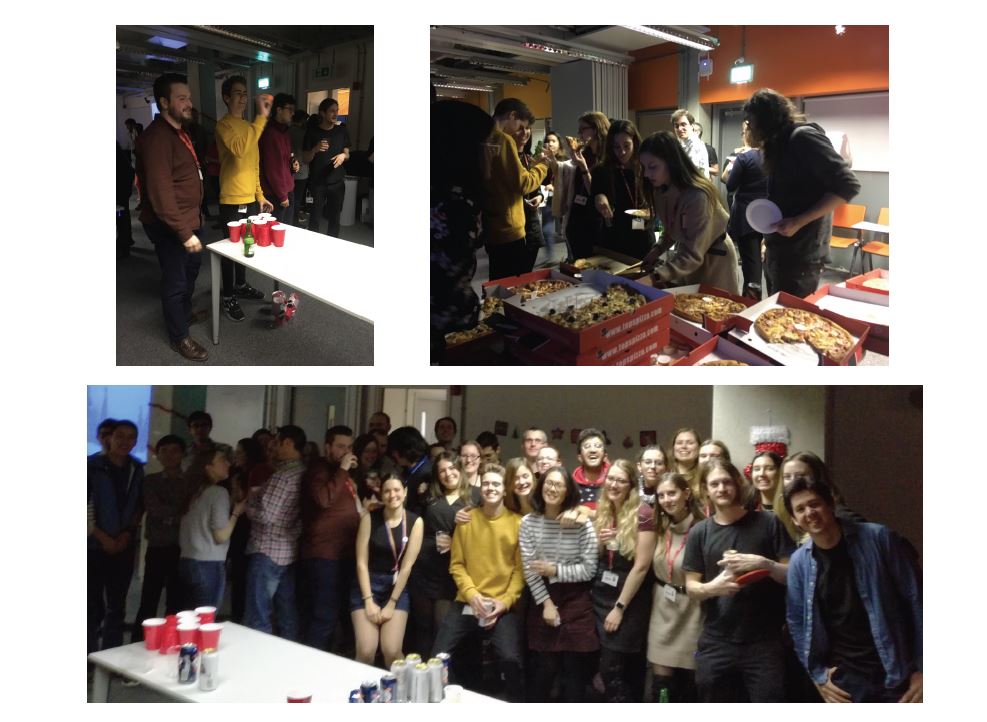
To celebrate the end of 2019, over 60 students, post-docs and PIs from the CMBI got together for a Christmas-themed games night organised by first year PhD students. This event was an opportunity for people from different departments and spread out throughout the Flowers building to socialise, as well as to allow the first year PhD students to get to know each other and the building.

Despite the students being thrown in the deep end, the event ran smoothly (mostly due to the invaluable help from the Flowers admin team and a last-minute dash to Waitrose).
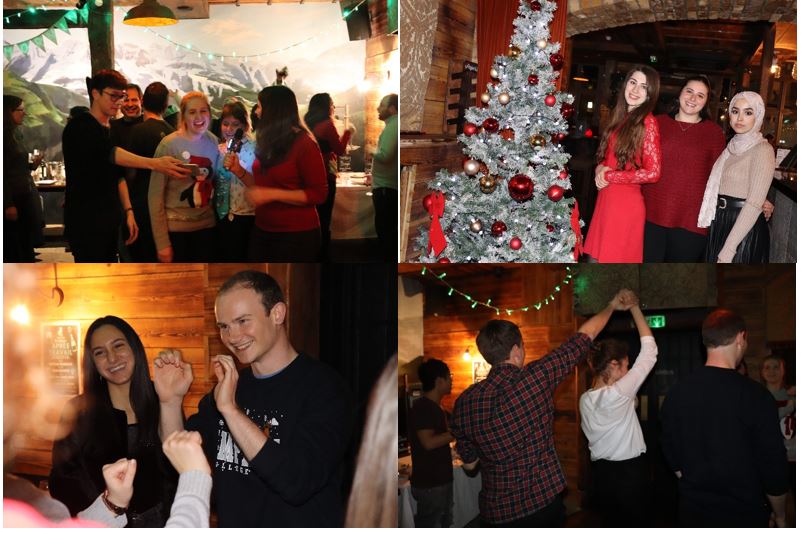
Attendees played party games such as twister, beer pong and table tennis, as well as dancing to a music playlist best described as a Year 6 disco. There were also drinks, snacks and mince pies available, as well as several types of pizza and vegan pizza, which was kindly sponsored by the Graduate School.

The event was a success, with positive feedback from those who attended. It was also a great success for the first year PhD students, even if not all made it to the end of the night, as cleaning up the next day solidified new friendships!

We would like to acknowledge the Graduate school for kindly providing funds which made this event possible.

Our very merry meeting across the new-found divisions at South Kensington

Following the considerable restructure within the Department of Surgery and Cancer and new-found Department of Metabolism, Digestion and Reproduction, in a time where many aspects of PGR life have seemed up in the air, Simone and I (Kate) decided to unite everyone for a single evening.  The aim was to encourage new friendships, to promote collaborative opportunities and reinforce the sense of community across PGR students at South Kensington. For the first time, students, post-docs and supportive PI’s took to a cosy boutique hotel in Hammersmith to meet, eat and be merry!

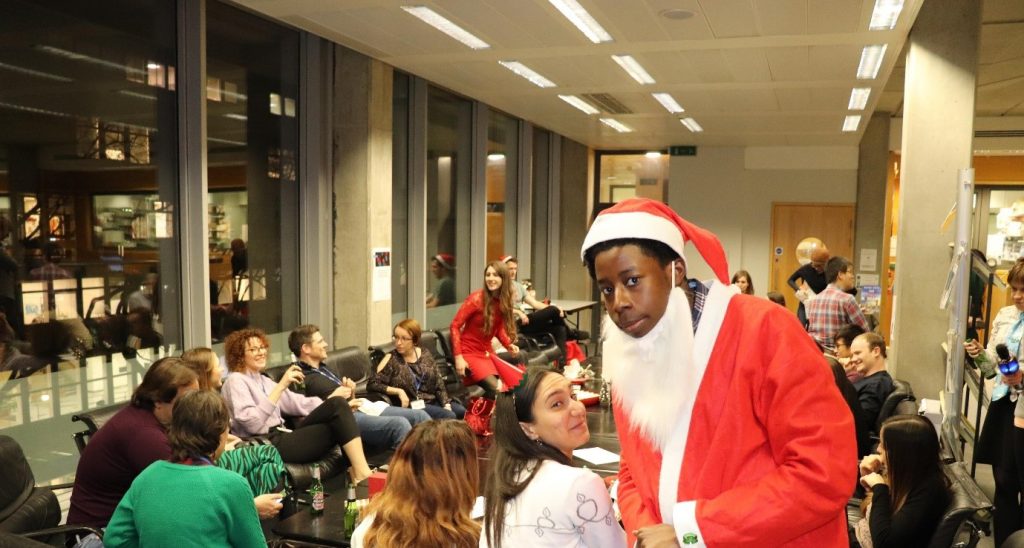
The evening started with the classic Secret Santa, where our personal Santa Claus facilitated the exchange of gifts. This gave people the chance to find out more about colleagues they hadn’t potentially met before and represented the perfect opportunity to introduce the new PhD students to the Departments.

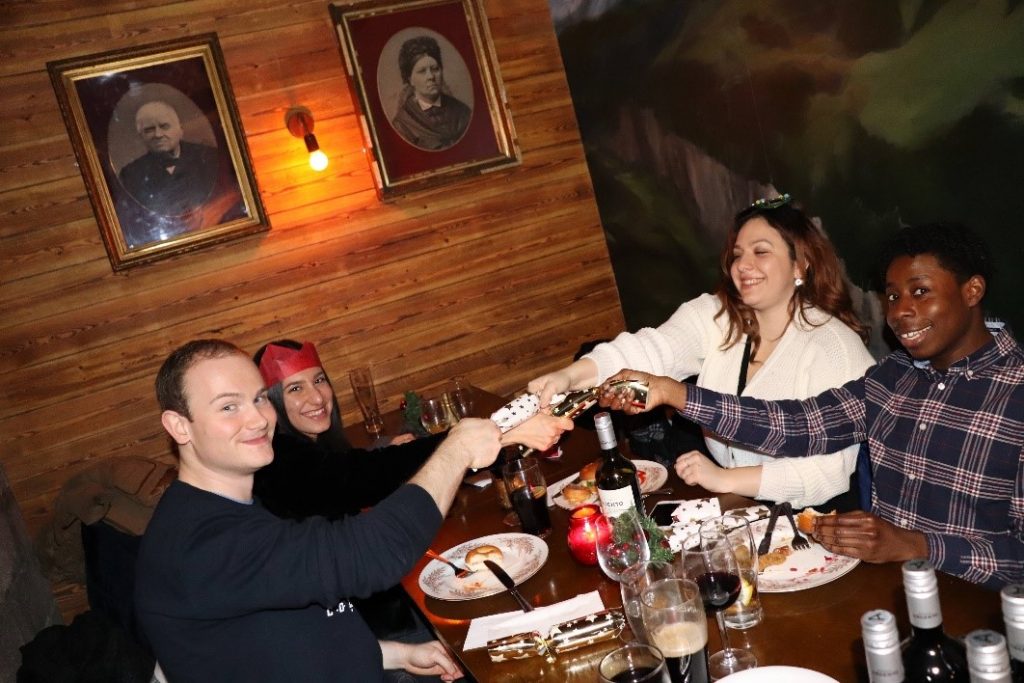
Following the many laughs at unconventional gifts, we moved to a close-by venue to begin our evening. The turnout was fantastic! A large number of students joined the event, not only new PhD students of the Divisions but also students based on other campuses who hadn’t yet felt integrated with the rest of the PGR community. One of the main aims for the event was to get students to meet each other. To overcome any nerves, we provided Christmas crackers along with food and encouraged students to pull them with people they hadn’t met before and break the ice using the jokes inside. 

Another aim of the event was to make sure students knew who they could go to with technical issues, as often people down the hall or across your desk may have solutions to your problems or have faced the same struggles. This large-scale event allowed students to get together and have these conversations. Additionally, colleagues from the National Phenome Centre, who are integrated with many students’ projects,  were invited to inform students of their capacity to support their work. I also finally got the opportunity to introduce myself to colleagues I have seen several times around the lab but felt it wasn’t the right time to spark up conversation, some of these colleagues working on similar instrumentation as myself, highlighting the importance of community building events such as this. With this in mind, we are incredibly grateful to the Imperial Graduate School and the Research community fund made available to us, without which this event would not have been possible.

The final stage of the night was to cut loose and really enjoy each other’s company. Dancing was heavily encouraged, with the manager of the venue giving us full reign of music control – balancing the evening between friendship, food and fun!

Feedback from attendees was overwhelmingly positive! New students have now formed relationships with many of the existing PGR students and they will develop these connections over the coming months to years of their PhD. The next step for all of us will be to support each other during these sometimes stressful and demanding years of our PhD. We are now surer than ever that despite working independently and across different campuses, we are a single community ready to support each other. 

PhD Business School Research Dinner

On the 4th of December, we, the Business School Research Graduates, shared research interests and a fun time with a Christmas dinner at Coco Momo. We are thankful to the Graduate School’s Research Community Fund to co-sponsor the event together with the Business School’s Student Staff Committee. It was a fantastic event with a large turnout across all departments and year groups.

The Imperial College Business School has a variety of PhD tracks including, amongst others, Management, Finance, Innovation and Entrepreneurship, Economics, Marketing, and Operations. Consequently, although we pursue a large array of research topics as a PhD cohort, we often are focused on research within our respective departments. The Christmas dinner offered a great opportunity for us to socialise across departments and year groups. In preparation of the dinner, we asked all attending students to submit their research interests/topics/titles. We created a table, outlining everybody’s research topic and shared this table with everybody on the evening.

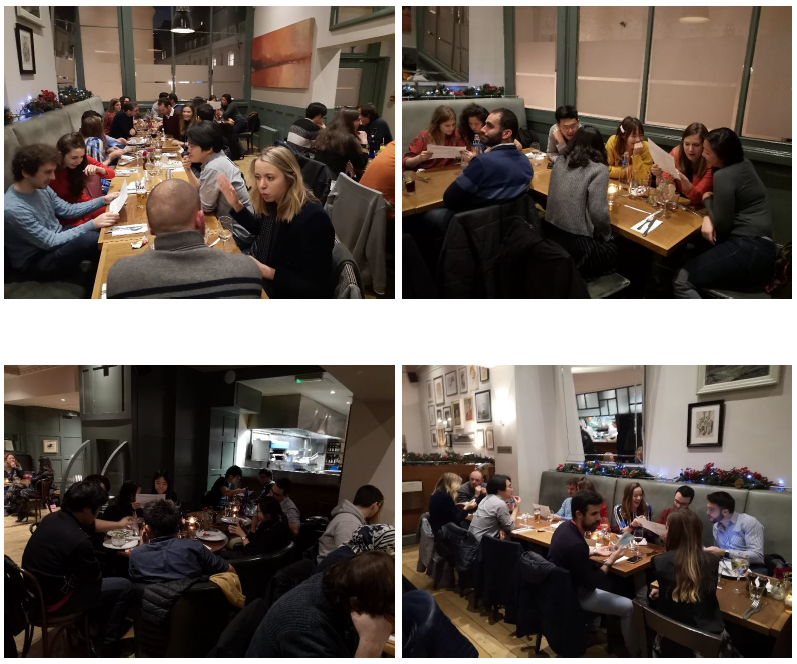
Across a 3-course menu and a glass of wine or soft-drink, we had ample opportunity to get to learn each other’s interests. Operations students for instance learnt about the importance of herd immunity and the impact of social primers on vaccination decisions from health economists students, while finance students explained to marketing students about new research directions in Asset Pricing focusing on exploiting information in the cross section rather than in the time series dimension. At the same time, older PhD students gave helpful tips and tricks to younger students.

The Christmas dinner was a great success across all dimensions – food, drinks, research and banters. We got to know not only our colleagues and their research interests, but also picked up new dimensions to our own research as well as new research ideas.

Thank you, Graduate School, for supporting this event!

12th-15th September 2019 – Synthetic Biology Snowdonia Retreat

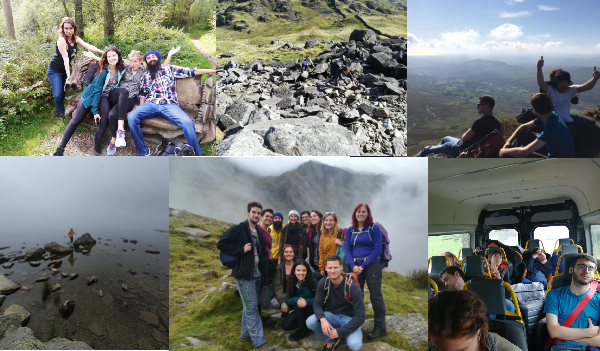
Successful early and late stage PhD assessment submissions mean only one thing… escape from the fast pace of University life is required. In mid-September, a dozen graduate students from the Centre of Synthetic Biology packed their bags and made their way to the beautiful and dramatic mountains of Snowdonia National Park in North Wales for a long weekend away from the city. The purpose of the trip was for the current graduate students to bond over some of the UK’s best hikes, while also spending some quality time with some of the 2019 master’s students before they leave Imperial to do their own thing, ensuring long lasting connections.

On the first day, they climbed the largest and most formidable mountain (in Wales), Snowdon. The unpredictable weather of the British Isles managed to hold out, and they all made it up, taking many stops along the way to absorb the magnificence of the Welsh outdoors. The day was finished off in one of the seemingly infinite number of awesome pubs Wales had to offer, to refuel and numb the aching legs.

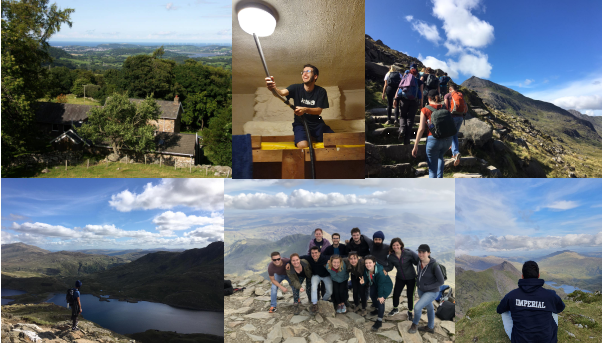
(Top left) The hut on the north eastern edge of Snowdonia National Park. (Top middle) There were a lot of bugs in the bedrooms. Modern problems require modern solutions. (Top right) Hiking up the Pyg track to the top of Snowdon. (Bottom left) “Candid” photo opportunity overlooking llyn llydaw. (Bottom middle) Getting a quick group photo at the summit of Snowdon before the cloud came in. (Bottom right) Who?

On the second day, they made their way to the quaint village of Beddgelert, where one group took a peaceful walk through the valley, past waterfalls, and around Llyn Dinas. The other group took on the challenge of the Moel Hebog loop, where the majority of the conversation was predicting the incline of the slope (between heavy breaths). That evening, they headed back to the hut to cook up a feast and to play board games.

Before heading back to London life, they made one last trip to one of the most picturesque lakes in Snowdonia, Llyn Idwal. Although luck had run out on the weather, the mist that slowly drifted past only added to the enchantment of the lake.

(Top left) It wouldn’t be a trip to Wales without at least one dragon themed bench. This one was well and truly conquered. (Top middle) Scrambling up the steep slopes of Moel Hebog was especially challenging. (Top right) Summiting Moel yr Ogof. The clouds had all cleared and celebrations got out of control. (Bottom left) With low visibility it wasn’t obvious some paths led to a wet ending. (Bottom middle) Walking around the beautiful Llyn Idwal. (Bottom right) The result of 3 long days of hiking. Maybe another retreat is needed?

Overall, the trip was a great success. A fantastic bonding experience for the graduate students and a well needed refresher before heading into the next academic year. Thursday to Sunday turned out to be the ideal length of time to enjoy a variety of the walks Snowdonia has to offer. 12 people was also the perfect number of people in regard to transport (minibus), accommodation, eating out, and organising the day trips. The Synthetic Biology summer retreat will definitely be a new annual tradition!

Thank you to the Graduate School for agreeing to sponsor this event.

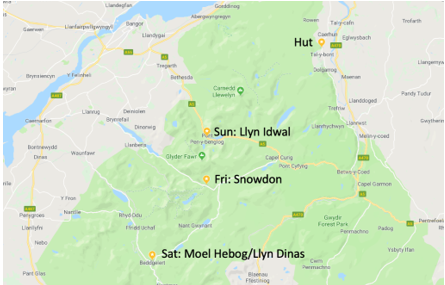
Key locations in Snowdonia National Park.


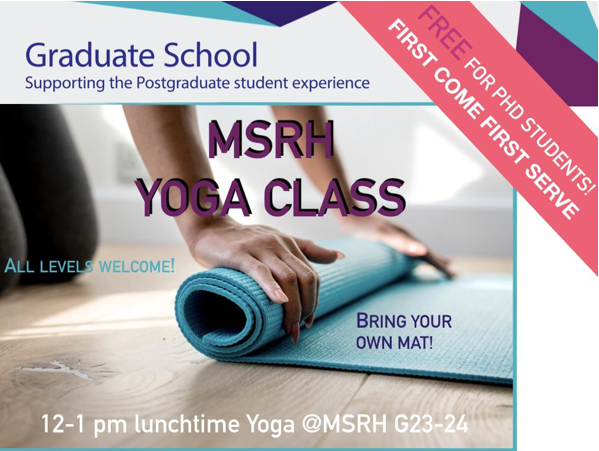
Lunchtime Yoga @ White City Campus

On the 22nd of May the first power yoga class for PG students took place at the Molecular Science Research Hub on the newly built White City Campus.

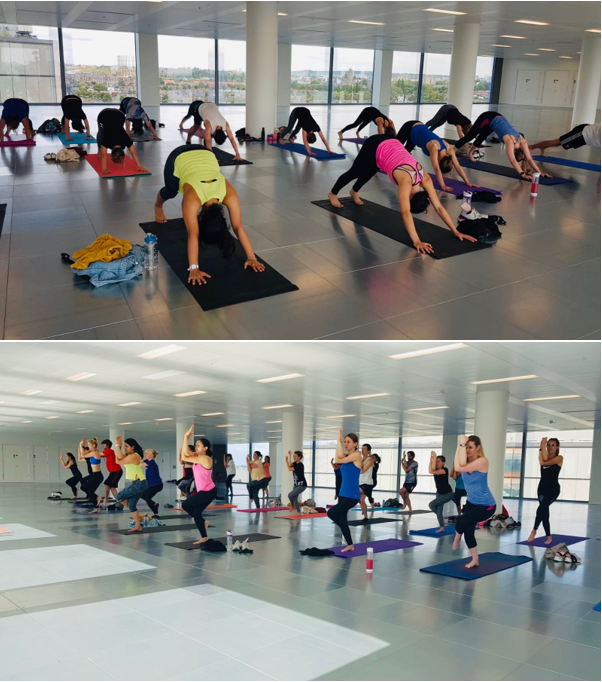
For the first Taster Session a small room was booked, because no one expected a huge demand. Instead nineteen people showed up to the first free yoga class of which quite a few did yoga for the first time!
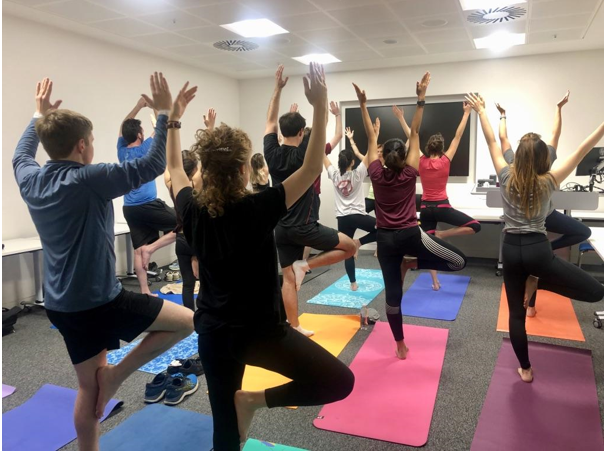
Figure 1: Our first ever lesson had a great turnout for a tiny room.

At the beginning of the first yoga class the teacher asked everyone to introduce themselves and tell everyone what they are trying to get out of this class. Almost everyone was craving for 60 minutes a day during which they can forget about their stressful PhDs and relax their backs from sitting in front of a computer or standing at a lab bench all day. Our personal favorite answer was from a complete Newbie to yoga who said  “I want to like it, so that I want to come back next week!”

Our teacher, Barbara Durand, is a professional yoga teacher, usually teaching at the Lumi Power Yoga studio in Hammersmith. The Vinyasa flow type of yoga they teach @LumiPowerYoga is perfect for young adults. Most attendees were surprised of how dynamic this type of yoga is. A lot of people which hesitated joining at first saying ‘I’m not flexible enough for yoga’ overcame their fear and realised that it’s not about the others or being average, it’s about your own personal body and battle. Every posture in yoga has multiple options, so anyone can improve at whatever level they’re at. The teacher does a great job in incorporating this into the weekly practise, making it highly inclusive.
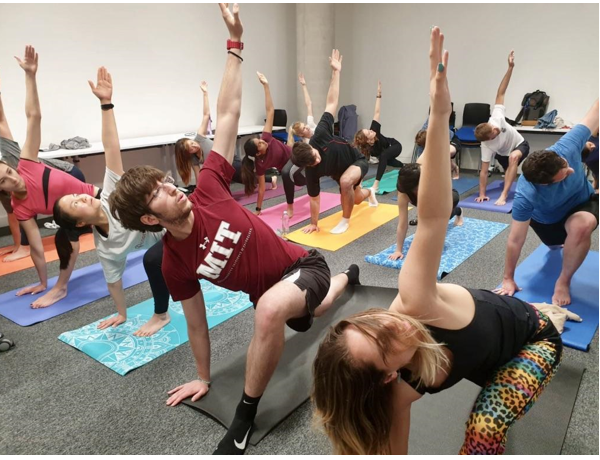
Figure 2: We enjoy sweating and stretching every Tuesday in the yoga side angle pose.

The number of participants has been continuously rising and we register around 25 sign-ups every week. This is also mirrored in the steadily growing number of members of our mailing list which is currently at 54. We even had to move to a new room for more space at Brickfields Hall around the corner. All postgraduate students based at White City Campus are welcome to join the free Yoga lessons and we even have a couple of staff members being regulars.
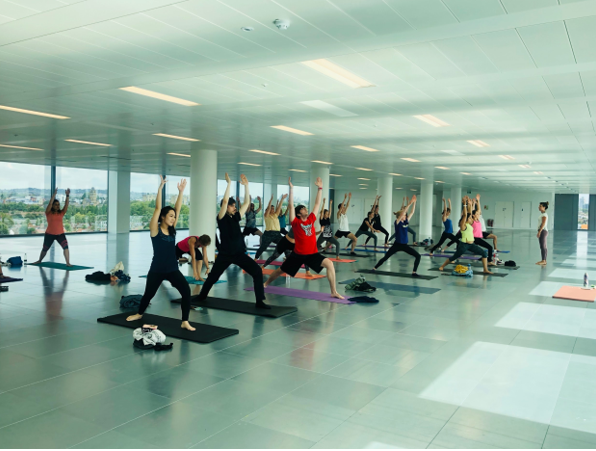
Figure 3: The IHUB on the new White City campus is the ideal location for a lunchtime Yoga session – with unlimited capacity!

Yoga has become an integral part of our weekly work routine. This one hour of lunchtime break a week has positively impacted our productivity and social coherence across hierarchies, different laboratories and research branches. We look forward to anyone joining us at any time. EVERY level is welcome.

Happy Yoga,

Julia & Léonie


Testimonials:

‘I’ve been to so many yoga classes before. They never actually explained how to transition from an upwards dog into a downward dog. It was so good.’

 “I was worried I wasn’t gonna get a sweat because everyone replied saying they wanted relaxation out of this class, but I’m so glad I did sweat. I was scared they would just make us lay down in Savasana for ages playing some old-fashioned Indian music, which doesn’t relax me at all. I enjoyed the relaxation today, it was the perfect length. Normally all I want to do is walk off, because it doesn’t work for me, but here it worked. I’m definitely going again next week.”

 “Highlight of my week.”

 “I know why I didn’t go to the gym this morning.” “Me too!”

 “It was quite fast paced compared to other yoga classes I had been to before. I really liked it. I got a sweat out of it. A little sweat, which I wanted, so it feels like exercise. The class went by really fast.”


For more information drop us a message: yogawhitecity@gmail.com

Or follow us on Instagram: @msrhyoga
Year 1 PhD student ESA rehearsal & social

With the help of funding from the Graduate School, we put on a seminar and social event for first year PhD students based at the St Mary’s campus. Given that most first year PhD students have their early stage assessments due in June and July, we wanted to create an event where we could share our research and improve our presentation skills in a relaxed and friendly environment. Additionally, we hoped that the event would help us get to know each other and to develop a supportive network of peers throughout our PhDs.

The first part of the event started in the afternoon and consisted of a seminar hosted by Professor Wendy Barclay. All first year students and their supervisors were invited to attend, resulting in a small and friendly group of roughly 20 people. Each student gave a 10-minute talk followed by 5 minutes of questions. Topics ranging from Bioinformatics, diagnostic tools, mechanisms of viral infection and vaccines were covered, stimulating some interesting questions and discussions. Understandably, we were all nervous, however the talks were all fantastic and we found it a very positive experience. It helped everyone to gain confidence in their presenting abilities, which will undoubtedly help our ESAs.

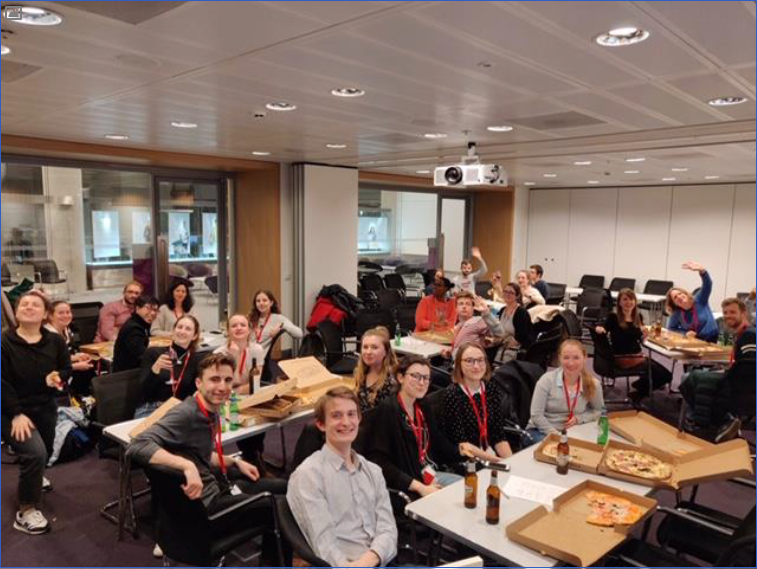
The afternoon seminar was followed by a social event in the evening to which all staff and postgraduates at the campus were invited. The Graduate School funding helped to buy plenty of pizza from Dominos and a selection of drinks and nibbles, which went down well with everyone attending. Everybody mixed, met new people, and chatted around food and drinks; it was an excellent opportunity to meet other people who work within the building, which doesn’t happen often at St Mary’s.

Overall, the event was a big success. As first year PhD students, this was the first time we had all come together and properly talked to the people we had previously just occasionally passed by around the building. The presentations were a great opportunity to share our achievements so far and get a feel for our upcoming ESAs. It is also reassuring to know that we now have a base upon which to build friendships and the supportive relationships that will help us through the PhD experience together. Once the nerves of the presentations were over, it was great to relax and chat over pizza and beer. We are also glad that we extended the social event to all people at St Mary’s: the network of high-security corridors make it difficult to mix on a daily basis, and events like this are a great way to build collaborative relationships between the different sections and groups here.

Thanks to the Graduate School for providing the funding to make such an event possible.

Also, thanks to Wendy Barclay for coming up with the idea for the event and Magda Homa for helping with the organisation.