Blog posts

Football at the Molecular Science Research Hub

5-aside football at Imperial’s new White City Campus takes place very Wednesday lunch time between 12 and 1pm at PlayFootball Shepherds Bush, just A 5-minute walk away. The first event took place on the 7th November and will continue for 10 weeks. The aim of this event was to facilitate activity and departmental communication between staff, PhD students and masters students across all floors of the new Molecular Sciences Research Hub.

This summer, the Chemistry department was the first to move to the new White City Campus. The new building was designed to foster a sense of communication within the department and as the campus is still in development, there are currently little or no social areas, activity / sports spaces. With help from the graduate school and a local company, PlayFootball Shepherds Bush, we were able to negotiate 2 discounted 5-aside football pitches to provide fun, competitive and free exercise.

The turnout has been fantastic with over 70 people on the mailing list, all wanting to play. Players have come from a range of research groups from various sizes and a strong sense of community and appreciation for the project has been felt. As of this blog, 2 weeks of football have been played and we have been lucky enough to have had some great weather. Each session we have had 4 randomly picked teams with 2 games on each pitch lasting 30 minutes, winners playing winners and losers playing losers. The randomly picked teams have bonded a range of department members together from young MSci students to academic members of staff, both male and female. After the games, MSRHs new showers have also truly been put to the test…

At the end of the 10 weeks, we will have an awards ceremony congratulating all players for their effort, networking, and improved fitness and football skills. Due to the project’s initial success, we are considering alternative funding options for the future and would not have been able to start this project without the help of the Graduate School.

5 aside football at MSRH is open to all members of Imperial College London and welcomes all skill levels. Please email r.strutt17@ic.ac.uk to be added to the mailing list. 
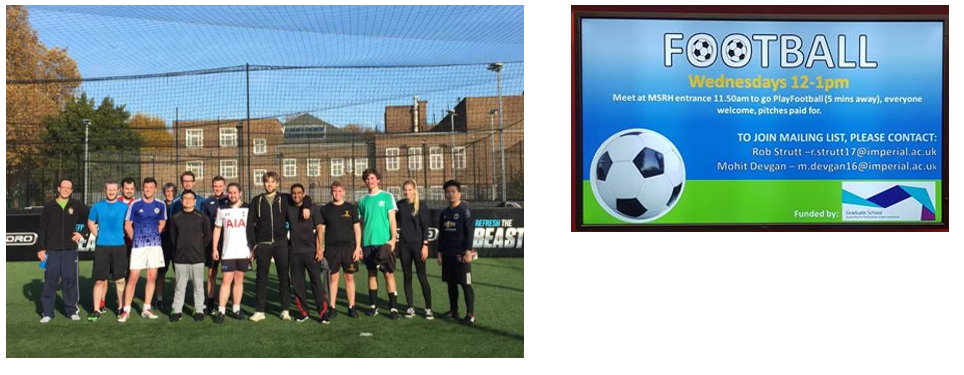
Members of MSRH football, Rob Strutt and Mohit Devgan, organisers, in the centre (wearing trousers!). Advert distributed on screens around department.
Cross-CDT Ice Skating Event

by Martin Prießner, PhD student in the Department of Chemistry

On Tuesday the 11th of December the first event of this year’s Cross-CDT event series took place. The Cross-CDT event series aims to strengthen the already established friendships and form new ones between CDT students of different disciplines across the different cohort years. By organising meetings and fun activities with an informal character, the participating students get the opportunity to exchange their PhD experiences and professional and private matters. This enables them to form long-lasting friendships which will hopefully surpass their PhD studies.

On this winter-like evening on the 11th of December a total of 18 CDT students from 4 different CDT programs across two cohort years gathered together in front of the library at Imperial College London. Since not everyone knew everyone from the group, we briefly introduced each other and spoke a bit about how we found out about this event. In these conversations some of us found out that through the well-connected network within the CDT programs, we had already quite a few friends in common. After everyone arrived, we started walking to the ice rink at the Natural History Museum and got ready to demonstrate our skills on the ice!

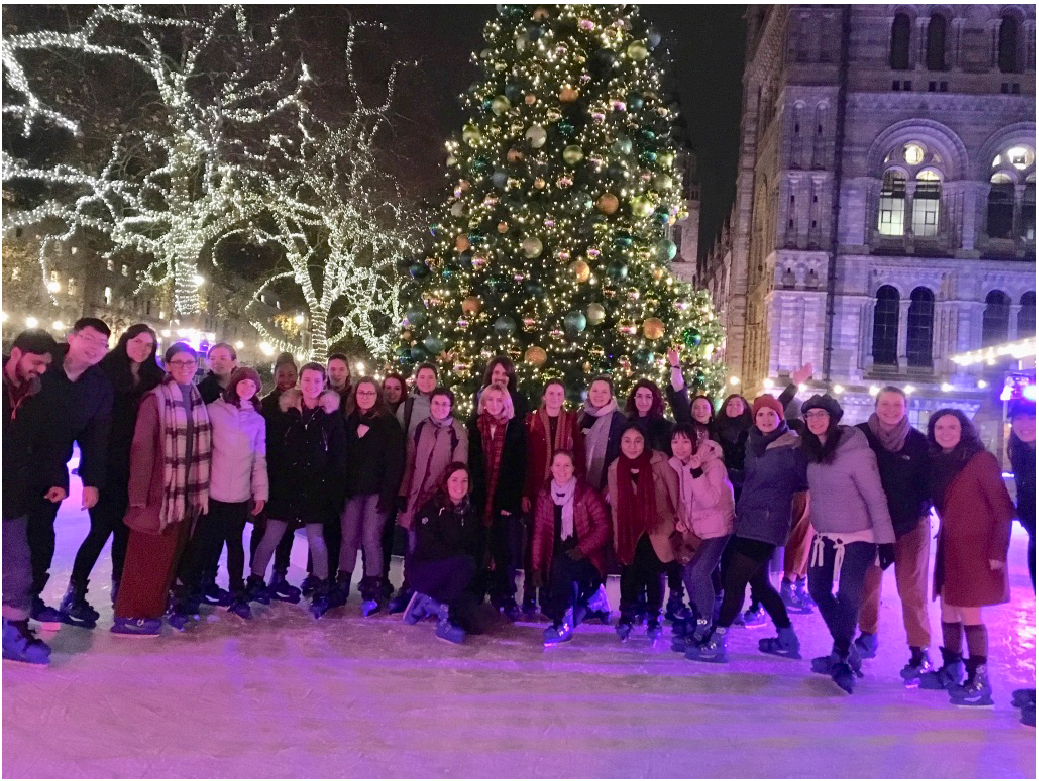
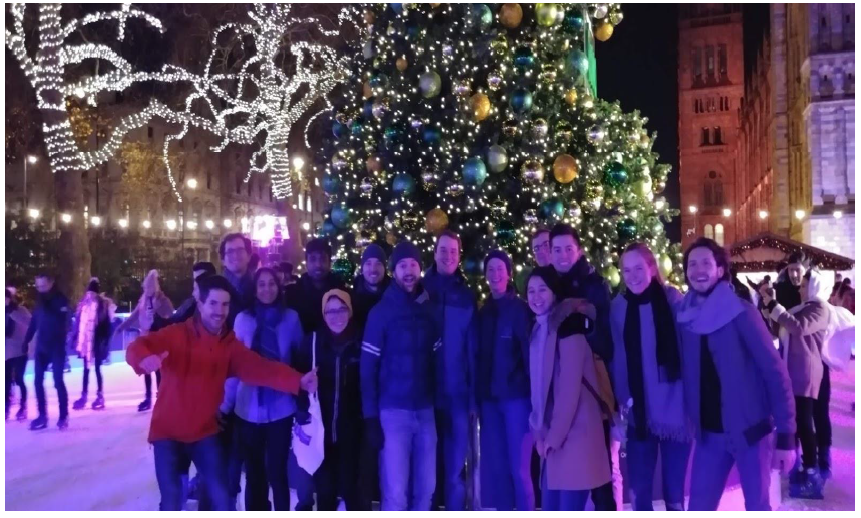
Since there were some participants from countries in which the climate is naturally too warm to form ice, it was a first-time experience for them. With some of the more ‘advanced’ skaters helping those less able, everyone finally managed to get comfortable on the ice and most of us gathered at the Christmas tree in the centre of the ice rink for a nice group picture.

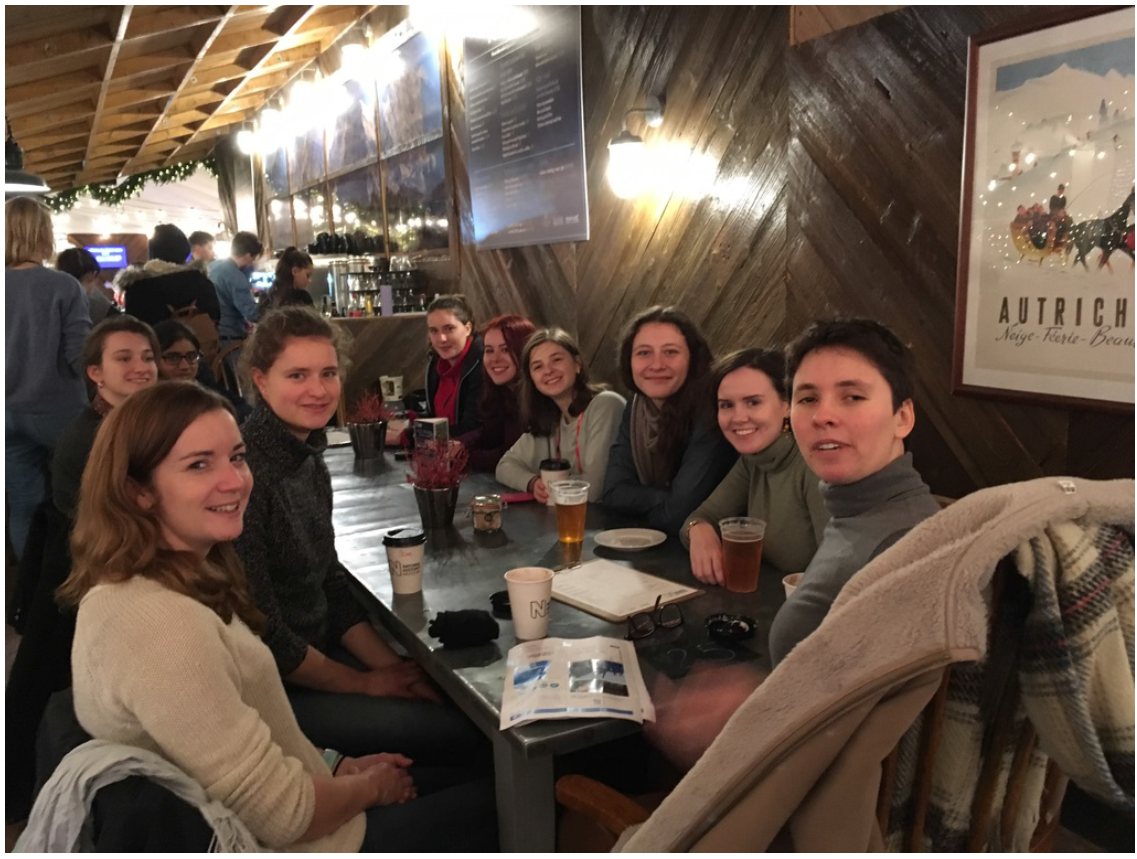
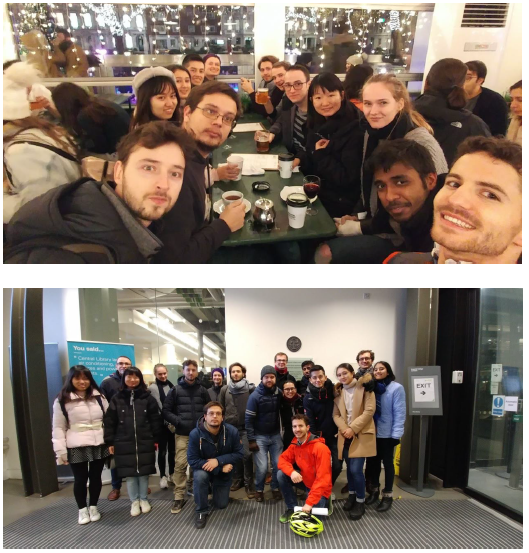
After roughly one hour we finished ice skating and rewarded ourselves with a drink at the bar, where we continued to exchange our experiences of the CDT program and the opportunities afforded to us as part of this cohort, e.g. helping organise the festival of science, which some members of the group had done the year before.

Following the skating, some of the group decided to go to the Bio-Eng-Christmas party in the Royal School of Mines to continue the evening!

To summarise this first Cross-CDT event was a very successful gathering of CDT-PhD students across different CDT years. We had a great time ice skating, celebrating and exchanging our experience of the PhD so far.

Thank you to the Graduate School of Imperial College London, for the financial support to ensure this cohort building activity could take place.

St. Mary’s Christmas Party 2018

by Inne Nauwelaers, PhD student at the National Heart and Lung Institute

On Wednesday, 12th of December 2018, students at St. Mary’s School of Medicine building got together for the second building-wide party. Thanks to the financial aid of the Graduate School, we were able to organise a Christmas party, bringing people together from every department at this campus: the School of Public Health, Virology, Respiratory medicine, Infectious Diseases and Paediatrics.

The reason we took the initiative and wanted to bring everyone together, is due to the fact that there is no communal space for people to gather and therefore interaction between departments is often limited.

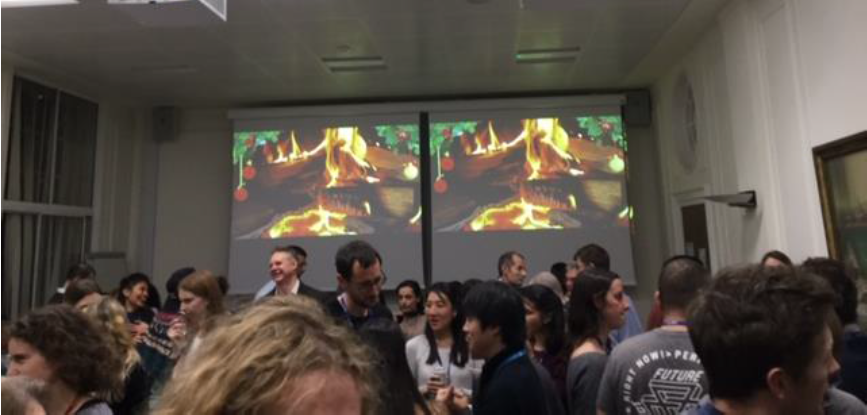
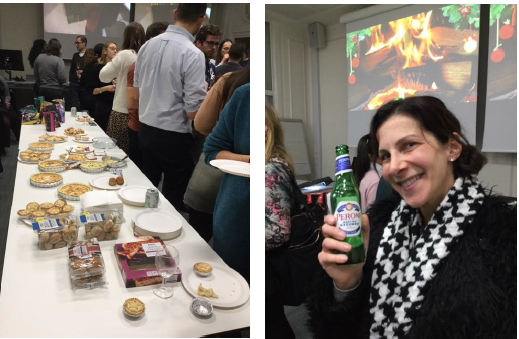
This Christmas party brought students from different departments together and made it so much easier to start talking to each other. We decorated the room, putting up a ‘fire place’ and turned on some Christmas music. The relaxed atmosphere, along with the wine, beer, mince pies and snacks helped everyone to have fun and made interacting and talking to new people so much easier. New friendships and connections were formed as a result.

From 4pm onwards people showed up and had their first drink. Within half an hour, the entire room was full and people were eating and drinking, chatting to colleagues and talking to strangers. They enjoyed quiches, mini pork pies, sausages rolls, crisps and of course mince pies with a sip of bubbly, wine, beer or soft drinks. By 7pm, people were still chatting, but we had to start cleaning up. Rubbish was binned, glasses collected and washed, and the room was cleared of left overs. Several people were happy to help and spoke highly of this successful second Christmas party at St. Mary’s. Afterwards, several people moved to the pubs around to keep the evening going with their new friends. Merry Christmas!

Workshop On Numerical methods in KomplexitY (WONKY)

Workshop On Numerical methods in KomplexitY (WONKY)
08.10.18 to 10.10.18
Amberley, South Downs Way

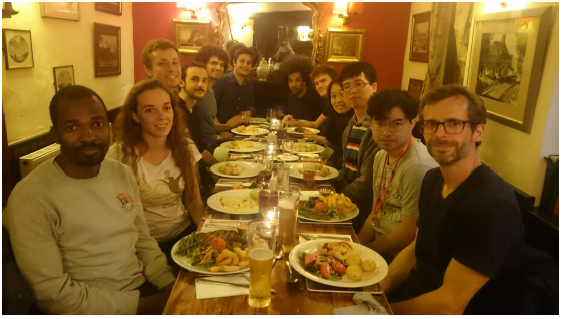
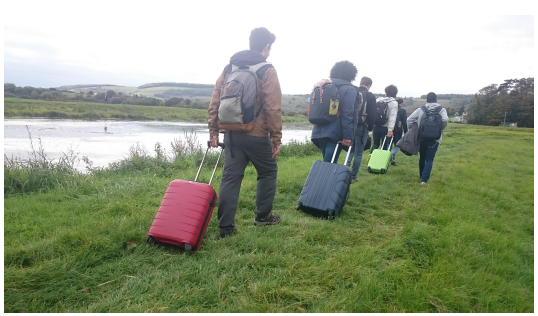
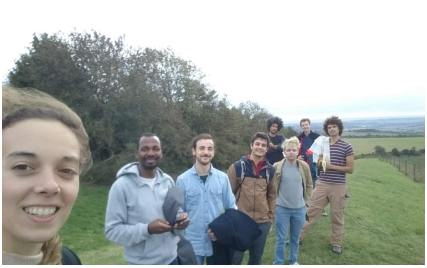
Our group of 13 doctoral students at the Centre for Complexity Science at Imperial College held a trip of three days in the National Park of the South Downs Way. We stayed in a bunkhouse in Amberley, where we carried out a little workshop on numerical methods and combined it with long strolls in the green countryside. We had a good time and plenty of discussions.

Some years ago, a few of us had the idea of organising a small workshop to share tips and tricks for numerical methods in our research. Specifically it was an opportunity to discuss methods with some practical value seldom discussed in seminars. The workshop idea lay simmering for some time until we got the funding from the Research Community Fund, we then decided to combine the workshop with a jaunt in the countryside where spent a good time together and welcomed new students to the group. We would like to thank the Graduate School for sponsoring the event and for enabling our group to complete this activity.

We discussed the following topics (see our brochure): • Project scaffolding • Managing code • Managing data • Statistical inferences • Machine learning methods • Does and don’ts of programming • Plotting • Using the Imperial Cluster • First approach to data analysis • Blockchain • Use of Profilers • Julia

And did the following excursions:

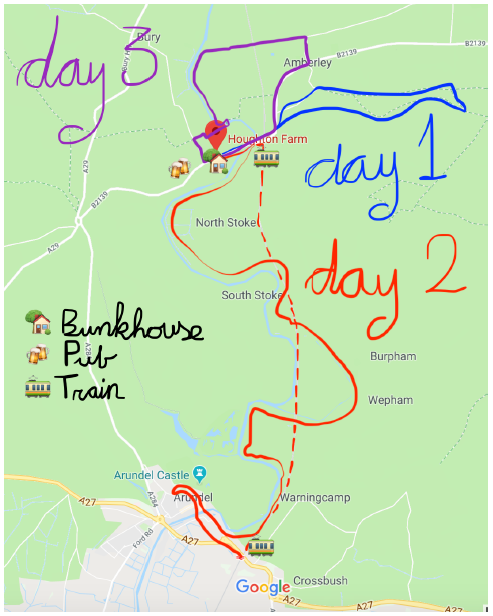
Day 1: We went on a loop starting at the bunkhouse, following the South Downs Way until the Rackham Banks and back.

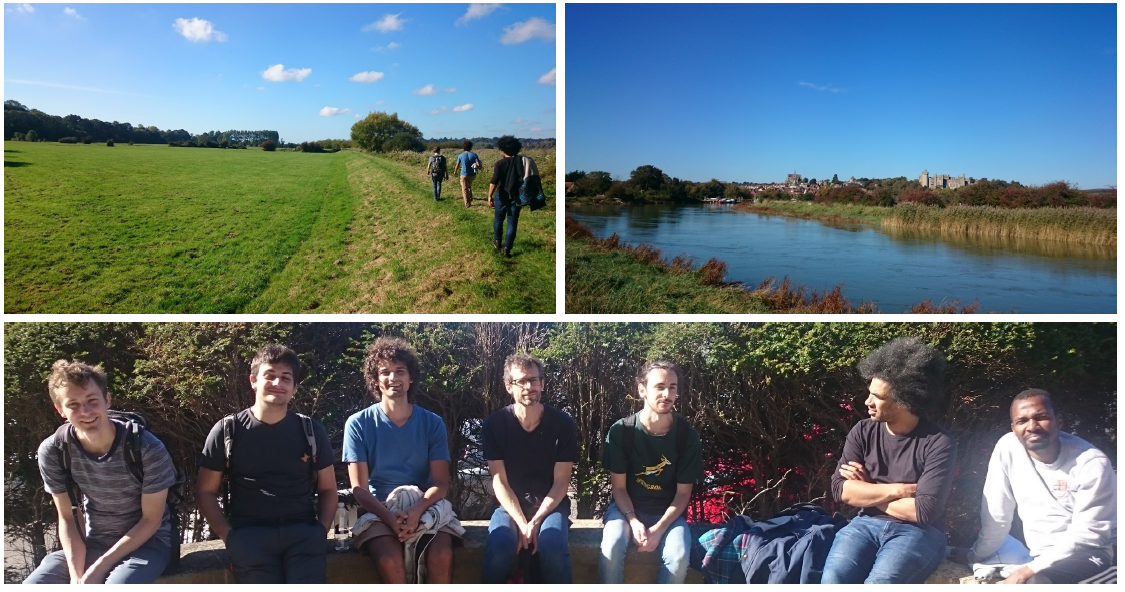
Day 2: We walked by the side of the river Arun until we arrived to Arundel, where we walked around the centre, visited historical buildings and took the train back. It took 4 minutes by train what had taken us 3 hours to do on foot!

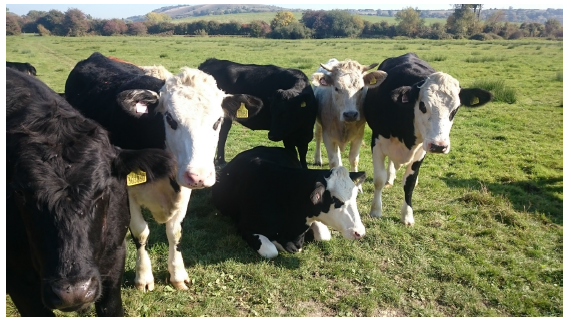
Day 3: We went to Amberley and then walked towards Bury until we reached the river, walked by the riverside until we found a bridge, walked a bit more between farms and closed the loop at the bunkhouse. On the way, we met a friendly group of cows, who were very eager to join us.


Women in Physics Go Ice Skating

Tuesday 4th of December saw 61 Physics Student go ice skating at the Natural History Museum. The event organised by the Women in Physics group and open to all genders was aimed at building a cohort of open-minded students promoting gender equality in STEM.

The event was a huge success! After Meeting in Blackett at 16:15, tickets were distributed and the group set off to the ice rink. Seasoned regulars provided tuition for the less confident, with everyone making huge progress during the hour. After some fun, some photos, and a few tumbles, the group headed upstairs to warm up, claim the free drink and share skating stories.

The Ice Skating was very popular, with lots of mingling between different cohorts, across years and research groups. The feedback was overwhelmingly positive, with 61 requests for a repeat again next year. Thank you to the Graduate School for funding the tickets, and to all the participants for making it such a fun evening!

My experience in developing an online Allied Health Professional (AHP) research and peer support community.

by Janet Deane, Research Assistant in the Department of Surgery and Cancer

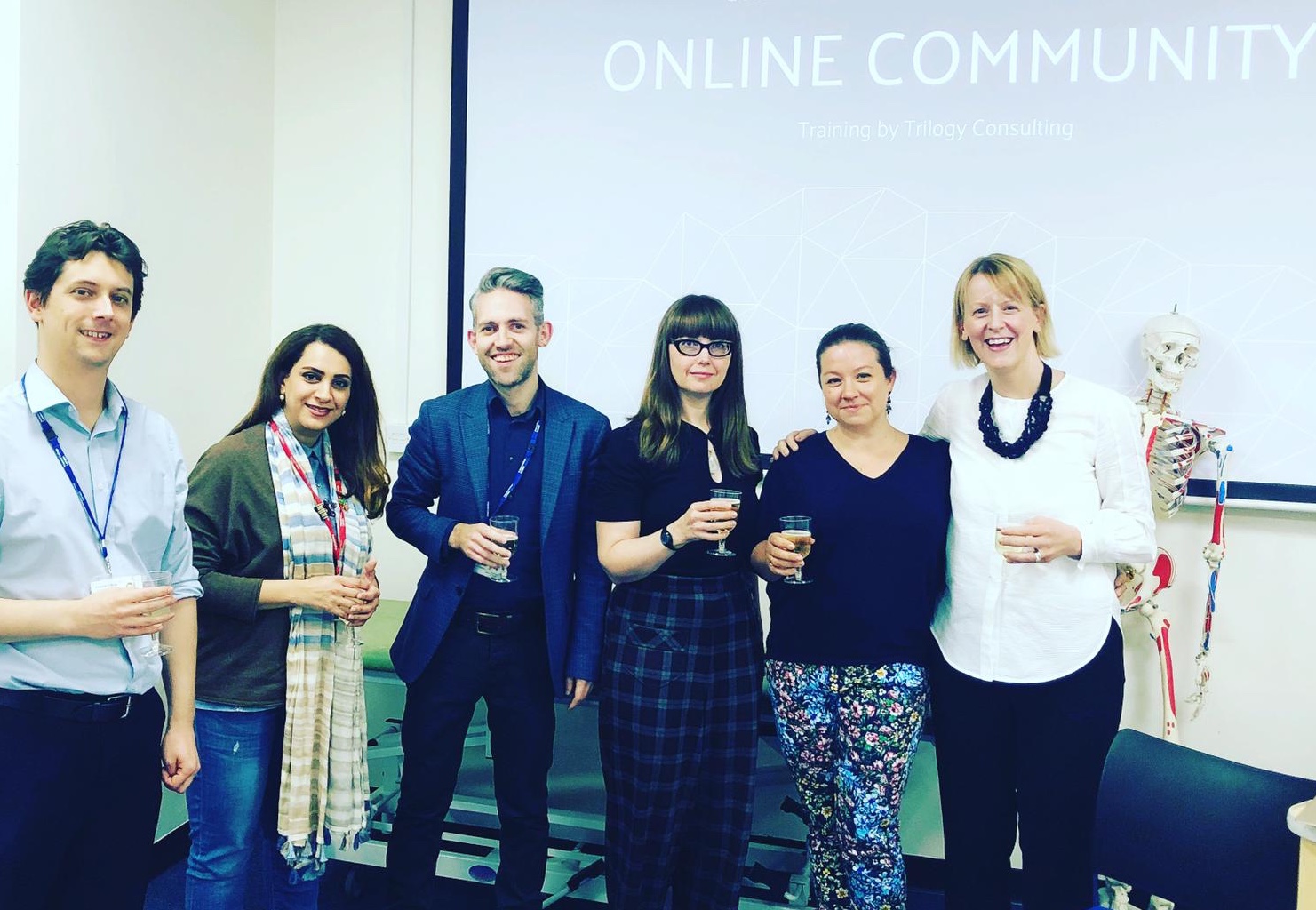
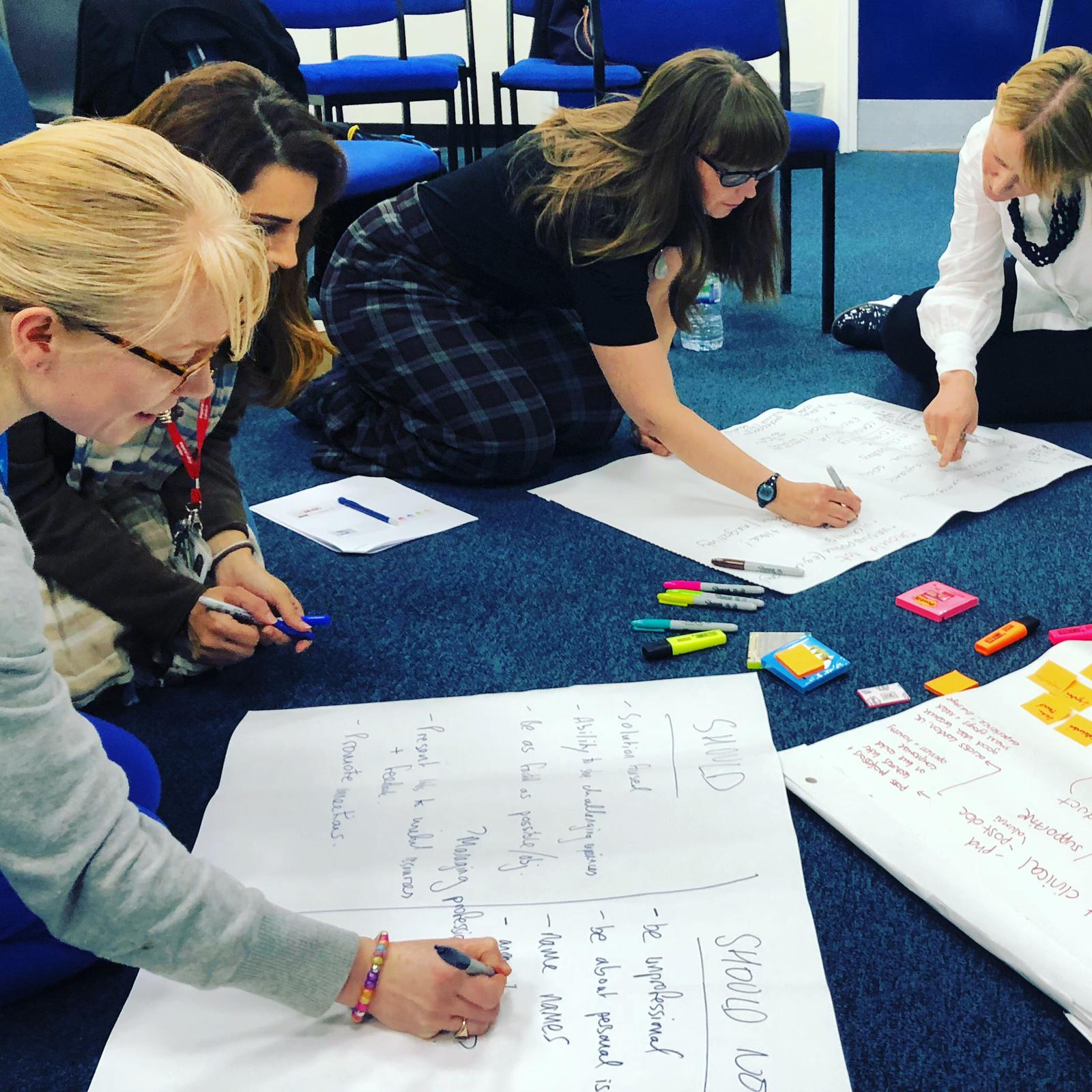
On Thursday 18th October at the MSK LAB at Imperial College London, we started the development of a secure and moderated peer support Facebook Group for AHPs in academic research.

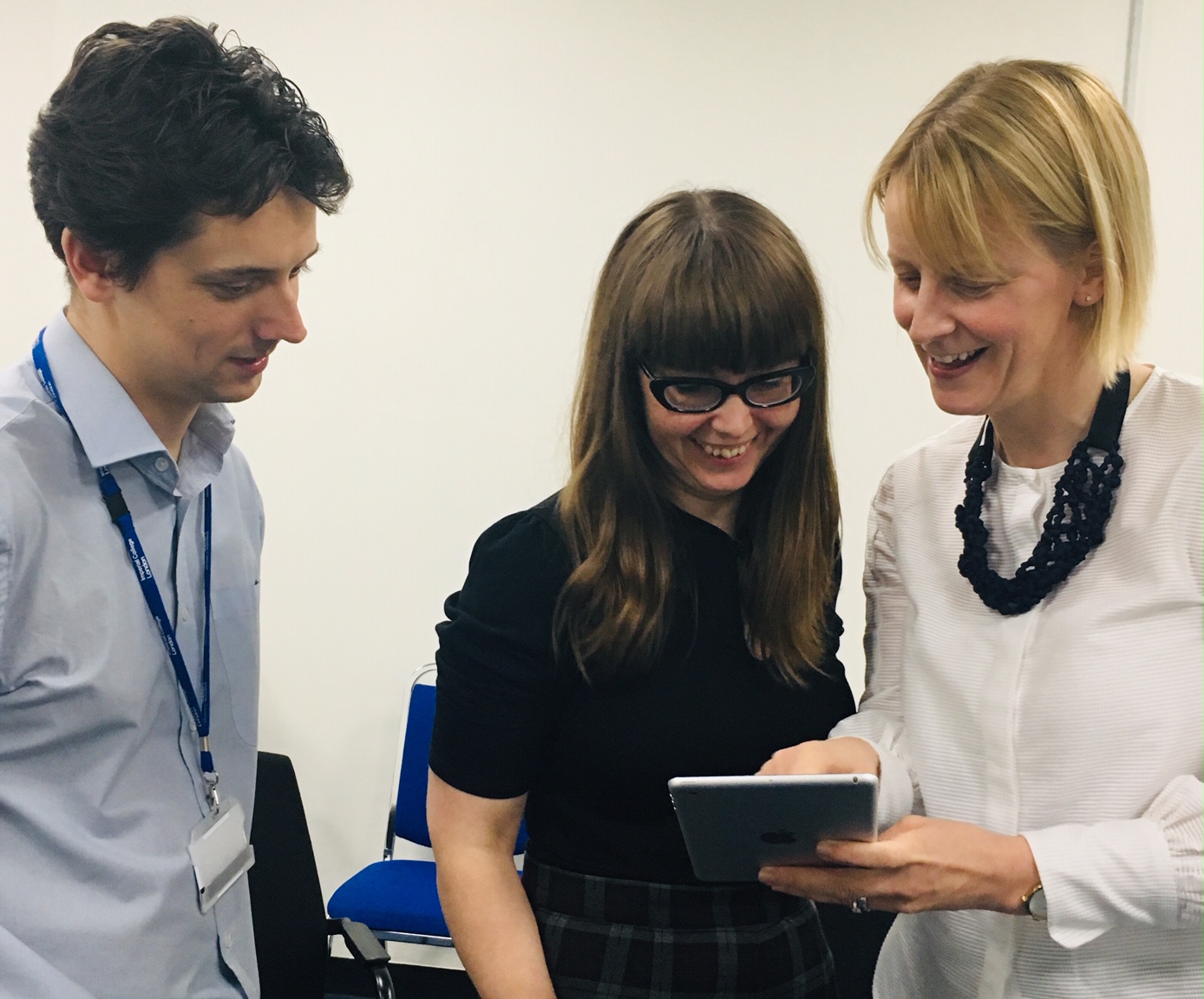
Natasha Wallace from Trilogy Consulting, an external expert in the creation of online professional platforms was invited to provide training.  At the training session, AHPs could discuss their needs, learn how to share knowledge using innovative technologies, and collectively help to determine the vision of the group.

AHPs (Physiotherapists, Radiographers, Occupational therapists and Speech therapists) are becoming increasingly involved in research that has the potential to change the quality of lives of patients with various health conditions.

As a result, more peer support is required by AHP students to support their transition from the clinical to an inter-professional, laboratory-based context at Imperial College.  AHP doctoral and research students work in a wide variety of roles, departments and locations so it is important we have a central online resource to build a support network and research community.

The Graduate School’s research community fund enabled us to begin the development of an online resource, to learn about how to brand and market a professional community, determining membership admission, curation and creation of content, online engagement and to learn about monitoring performance and growth.

This venture has been since supported by the Healthcare Professional Academic Group (HPAG) at Imperial College and the Council for Allied Health Professions Research (CAHPR), and this training marked the humble beginnings of a new type of digital resource.

With no previous experience in developing an online professional platform, I was unaware of the time this would take and the amount of honing that this would require. The support of fellow AHPs has been vital and valuable in this process. The ongoing success of this resource cannot be achieved by individuals working in isolation, and requires commitment and collaboration from AHP members as we learn how to support our community together.

I am extremely proud of what we have achieved so far and look forward to many students benefiting from this resource in the future.


British Isles Graduate Workshop: Singularities and symplectic topology

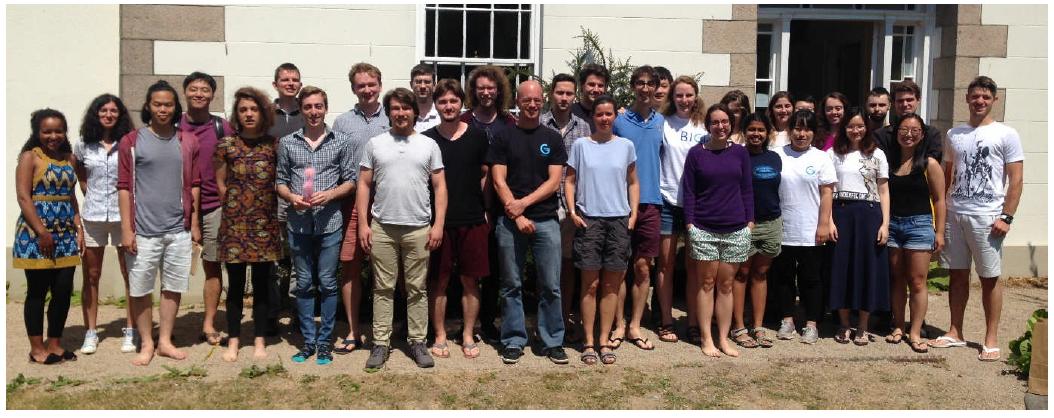
The second edition of the British Isles Graduate Workshop took place on Jersey Island between the 14th and the 20th July. The mission of the workshop was to bring together a group of around thirty international graduate students with experienced researchers, to participate in a five-day mathematically intense exploration of a focused topic in an area of current research. The informal environment and the joyful and collaborative atmosphere was the key of its success.

A challenging project

Three years ago, Andrea, one of the organisers of BIGW, was just returning to London from an exciting conference, and was sharing his enthusiasm for it. Listening to his stories, we were tantalized by the idea of designing our own workshop: it would have had a special focus on PhD students, encouraging exchanges and sharing of knowledge. Since we were looking for a venue far from distractions, but at the same time welcoming, regenerating, and suitable to host participants coming from all over the world, we chose to organize it on one of the British isles. The first meeting took place on the Isle of Wight in April 2017. After the first successful experience, we decided to repeat it on the island of Jersey. The organization was challenging but very instructive. In particular, we have always felt the encouragement and the support of the London School of Geometry and Number Theory, and of our affiliated institutions, Imperial College London and University College London.

An original format

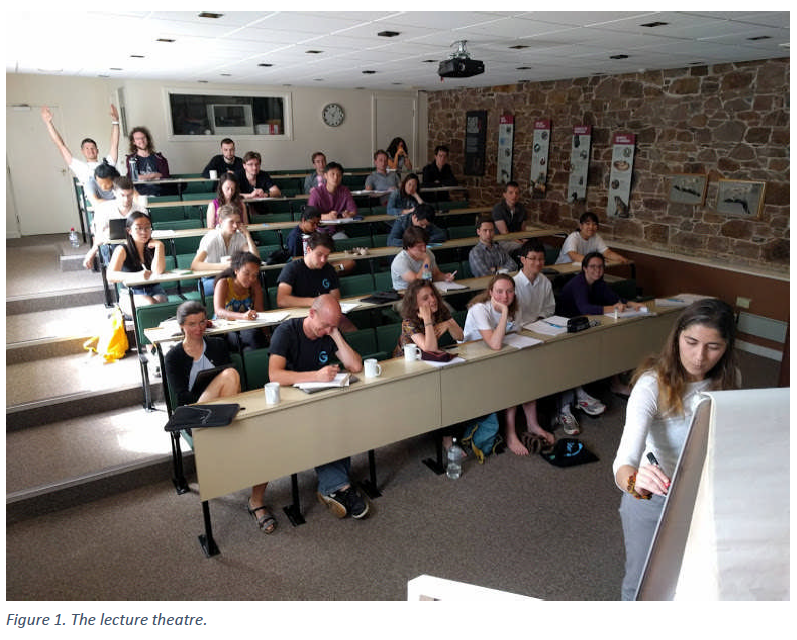
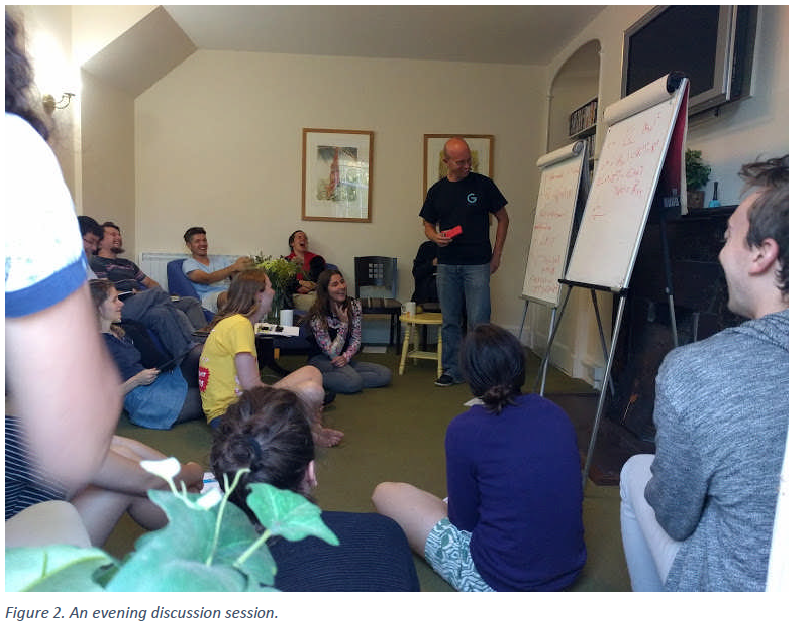
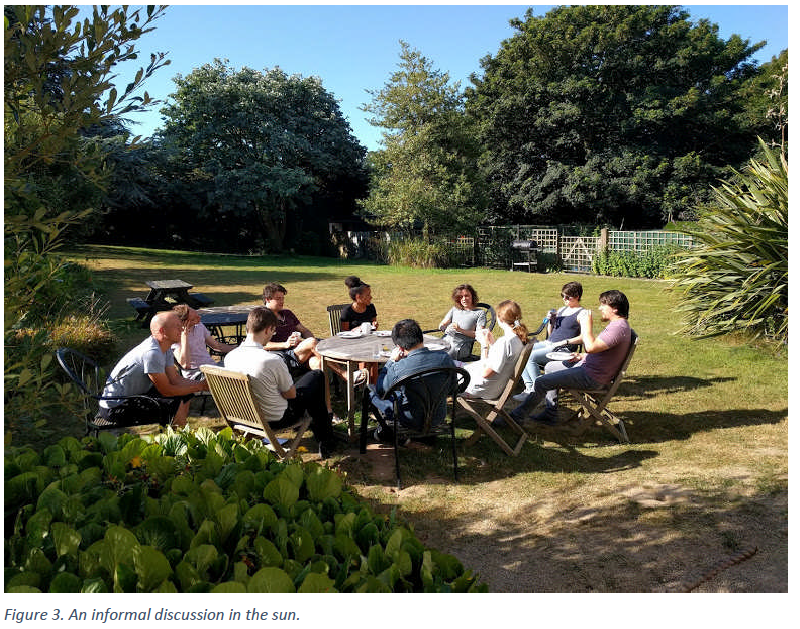
A typical day on Jersey Island started with informal math discussion over breakfast and finished late by night with some participants still filling whiteboards with computations and drawings. We used to have four scheduled talks per day, the majority of which delivered by junior speakers, and evening discussion sessions. In the after lunch break many people took the opportunity to have a swim or explore the island.

All the participants had an active role in the workshop. Everybody was responsibility for the progress of the group during the week. Both young and senior participants were very kind, approachable and keen to interact or help.

In the British academic landscape, this workshop stands out for the unique focus on PhD students.

A remote venue

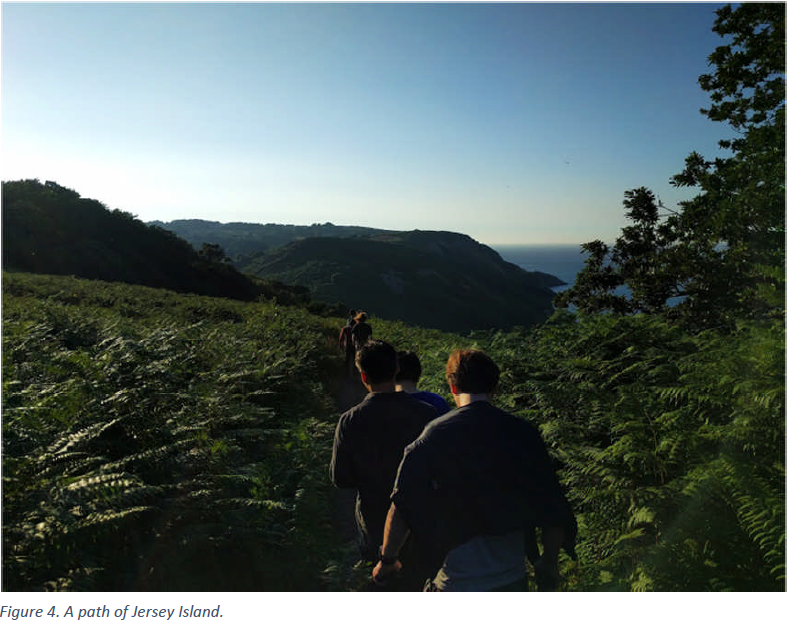
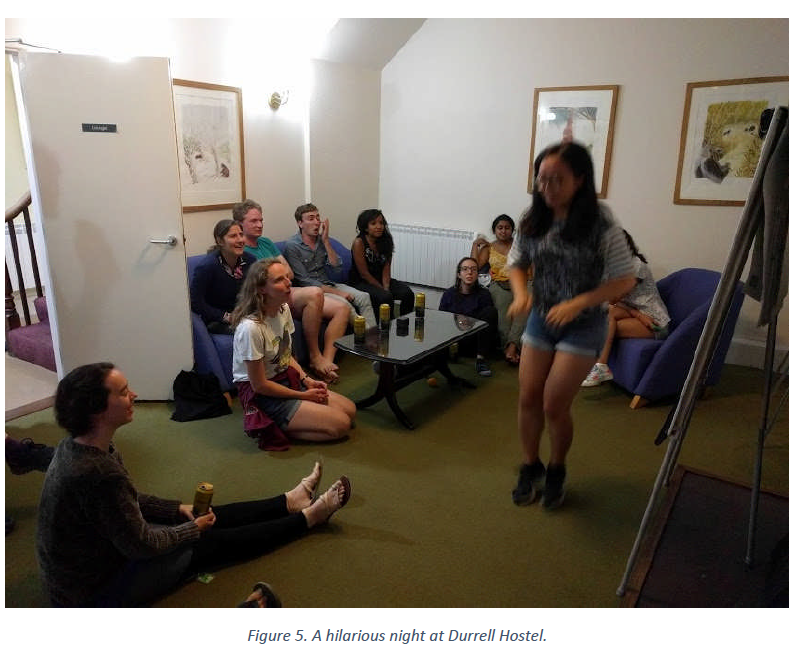
In the free time we had the opportunity to discover the beaches of Jersey all together, explore the cliff of the beautiful and sunny island and admire the impressive tide in the Channel. Our cosy venue was Durrell Hostel, in the kingdom of the celebrated conservationist Gerald Durrell. Free entrance to the zoo was included!

International participants

The workshop was attended by PhD students and members of the most renowned universities all over the world. The total number of participants was 32, including 2 organisers and 3 senior speakers. Among them, 13 attendees were UK based: 7 from the London School of Geometry and Number theory, 1 from London, 2 from Cambridge, and 3 from Oxford. The other 19 non-UK-based participants came from US (17), Portugal (1), and Russia (1).

We are particularly proud of the large participation of women to the workshop: the percentage of female participants reached the 47%, largely above the average.

Future

The long-term aim of the workshop is to create an international network of PhD students. Hopefully, the workshop helped to develop a common language and lay the basis of future collaborations. It was a unique opportunity to tie professional bounds with colleagues all around the world in a friendly and informal environment. We strongly believe that this warm atmosphere can enhance the exchange of ideas.

Comments of the participants

We received enthusiastic feedback from the attendees:

There was a lot of time for us to discuss (or take walks) and the atmosphere was very open to discussions.

The people were so friendly and fun! Everyone was just so cool. I already want a reunion!

The math was super-interesting. I’ve never been to a workshop which made me so much more interested in different flavours of math.

Very interesting topics, excellent organization.

Great atmosphere: easy to interact, discuss math, and make good friends.

Acknowledgement

We express our gratitude to the Research Community Fund and the Graduate School at Imperial College London for helping to support this initiative. We thank also our sponsors: the EPSRC Centre for Doctoral Training in Geometry and Number Theory, Foundation Compositio Mathematica, G-research, and the European Research Council (European Union’s Horizon 2020, research grant agreement No 682603).

Welcome from the Graduate Students’ Union (GSU)

by Ute Thiermann, GSU President 2018/19

I am delighted to welcome you to Imperial College! Let me introduce you to the Graduate Students’ Union (GSU). We are the representative body defending your interests as a post-graduate student in major decisions taken by the College. Beyond that, we work towards building a thriving post-graduate community that spans faculties and where students effectively communicate in an interdisciplinary way. Our committee is comprised by motivated post-graduate students like yourself, who have been appointed in university-wide elections and volunteer to make your experience at Imperial as fulfilling and enjoyable as possible.

So, what are we up to for this coming year 2018/19? We are going to focus on three major areas of action:

  • Continue improving post-graduate well-being by increasing the quality of supervision and by creating strategies to tackle common mental health challenges in higher education.
  • Develop the GSU to become central to the post-graduate community by improving the two-way flow of information, between the GSU and you.
  • Organise exciting events around the topics of well-being, interdisciplinary research, and entrepreneurship.

As the GSU president, I would like to emphasise that Imperial College London is relying on its post-graduate students to maintain its position as a front-runner in world-class research and teaching. For us, the GSU, to be successful we need to receive as much of your input as possible. We want to work with you, for you!

Finally, I hope that you have a fantastic time here at Imperial and take advantage of the richness of opportunities that awaits you. If ever you have questions or ideas to share with us, please do not hesitate to get in touch with us and we are looking forward to seeing you at our events!

Ute Thiermann, GSU President 2018/19

gsu.president@imperial.ac.uk

CEP Ultimate Team Building Experience

In search of an activity to build bonds and healthy competition between the PhD cohort at the CEP, we found the Ultimate Team Building Experience as the best option. It offered a novel way to explore the City of London helping our first year students to get a taste of what this city has to offer whilst getting to know their peers in an unconventional way. Following up the activity with a lunch discussion helped the students to get familiarized with other research topics and get a sense of the wide variety of topics our department holds. We would definitely recommend this activity to other departments and would love to turn this into an every-year activity.

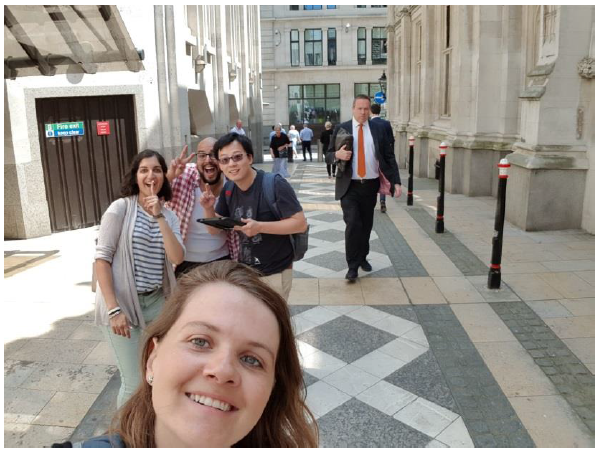
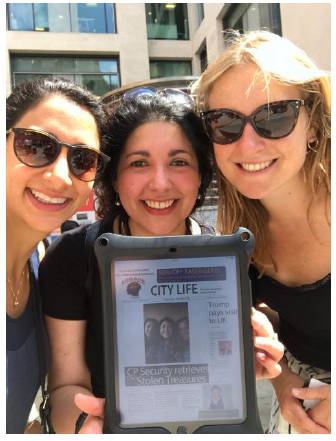
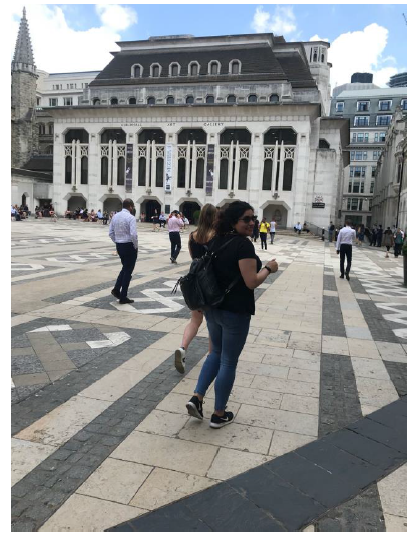
Our day started at 9:00am at the Escape Entertainment offices (ldn.escape-entertainment.com) where we were split into four teams of four people. This were chosen in a way that would promote teams with members of different research areas. We were given instructions on the outdoor game and a tablet with GPS and the riddles to solve, in increasing difficulty levels. We had the good fortune of having the perfect weather for the activity, and we managed to visit iconic places such as Saint Paul’s Cathedral, The Royal Exchange, and the Guildhall art gallery. Even, one of our groups got a taste of the international jet-set scene and spotted Angelina Jolie!… he couldn’t help himself and bragged about it for a week! The entire activity culminated with a lunch the day after where we had time to talk about how this activity had helped bringing a sense of community and to share the different research topics everyone is involved in.

Overall the activity was a big success. Everyone enjoyed it and said that got more out of it than they expected. As part of the discussion during lunch, some ideas on how to improve came up, such as:

  • Attendance rates could improve. Although at the end we had close to 20 participants,these were the ones that are normally very much involved in departmental activities. In future editions, a bigger effort could be done to promote the event in a way that appeals to those less interested.
  • The activity had to be split in two days mainly because of other research commitments. In the future, supervisors could be more flexible and even encourage their entire teams to take part.

Finally, we would like to thank the Graduate School for providing sponsorship for this event via the Research Community Fund.

Strengthening links among Brazilian academics at Imperial

by Lorena Fernanda dos Santos de Souza, PhD student in the Department of Chemical Engineering

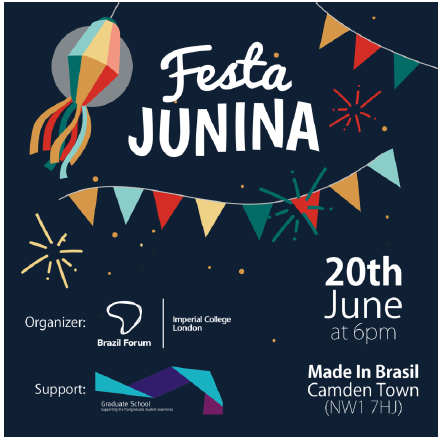
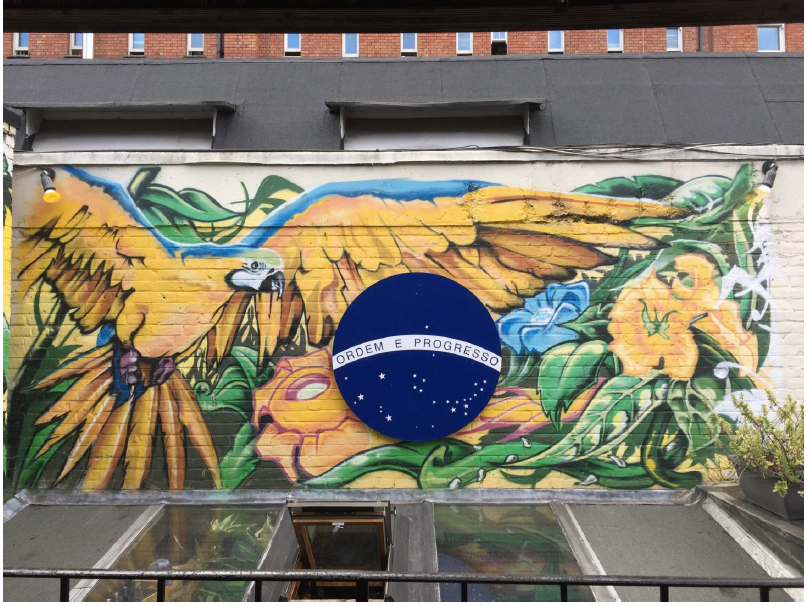
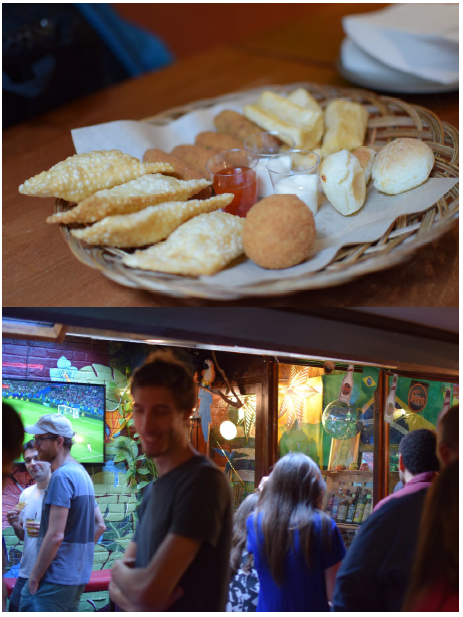
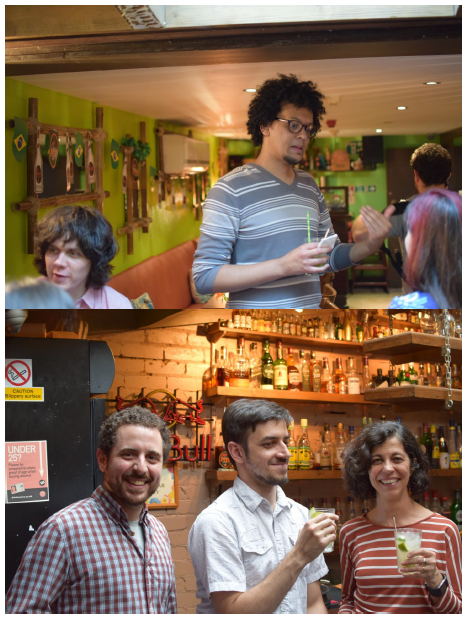
We are the Student Committee of the Imperial College Brazil Forum, and on June 20th (Wednesday) we organized a happy hour to promote the Brazilian culture and foster networking among Brazilian students and international members of the Forum. In a ‘Festa Junina’ themed event, we gathered 26 people in a cross-department get together in the authentic Brazilian restaurant ‘Made in Brasil’, in Camden Town. In Brazil, June is the month to commemorate St John’s day with a “Festa Junina”, the second most important popular celebration in the Brazilian culture.

Apart from celebrating our culture, the main aim of this happy hour was to strengthen the links among Brazilian research students and research students involved or interested in Brazilian issues. Despite being based in the same departments, and sometimes even in the same floor, many Brazilian students/staff do not know each other. New opportunities for collaborations could come, but due to poor networking, it does not happen. This Graduate School-funded event gave new students and postdocs the chance to meet each other and interact with senior members of the Forum. The president of the IC Brazil Forum, Dr Vania Braga, took part in the happy hour, which was particularly important to present initiatives of the Forum to potential new members, and to share our experiences at Imperial.

The feedback we received from those who came along was extremely positive. The participants mainly appreciated the opportunity to meet and network in a friendly environment with Brazilians students/staff and researchers interested in Brazilian issues. They also suggested to have more get-togethers similar to this one, for example every 2/3 months. We believe the event provided the first step to create a more integrated community at Imperial and, hopefully, collaboration among different areas in order to develop interdisciplinary researches. And for that, we are extremely satisfied. We are grateful to the Graduate School for providing funding to the ‘Festa Junina’. If you are interested on any tips on how to organize an event to integrate students/staff, feel free to contact us (l.dos-santos-de-souza14@imperial.ac.uk).