Category: Uncategorized

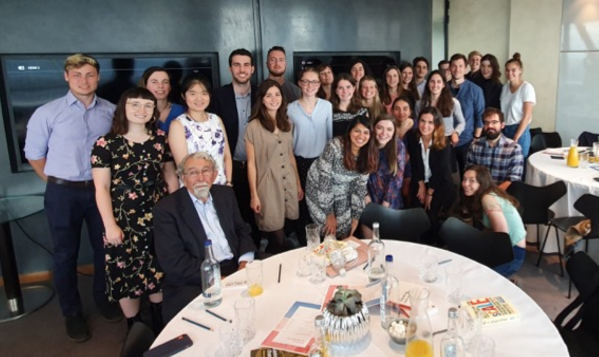
MRC LMS PhD Student Retreat 2019

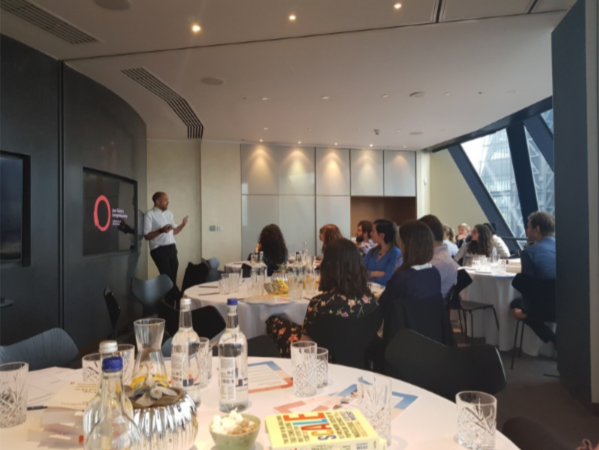
On the morning of Friday June 14, unusually, we found ourselves amidst the Liverpool Street commuters’ rush as we headed into the heart of the financial district for the 2019 LMS PhD Student Retreat. Our destination was the imposing figure of the Gherkin. Going up to just beneath the top of the building, we took a few minutes to marvel at the panoramic views before the retreat’s ‘entrepreneurship’ theme was brought sharply into focus.

“What does it mean to be an entrepreneur?” Ben Mumby-Croft asked, as we began the morning workshop. Ben is director of the Imperial Enterprise Lab, which works to help students at Imperial College London innovate and launch new ideas for the market. Is having ideas enough? Ben explained through the ‘Lean Startup’ approach, that what separates a successful entrepreneur from your ordinary “ideas man” is the need to take initiative with the groundwork and minimising assumptions about your potential customers. Although at the start only a handful of students announced themselves as entrepreneurs, by the end of the pitch training session each table developed a rough business model for an intriguing idea with potential for the market. One of our PhD students, Vas, said about the workshop “Hearing the Lean Startup idea explained by Ben was a great way to formalise and make us aware of the common pitfalls of being a new entrepreneur.”

Next was the short talk session, aimed at increasing student collaboration and conversation. Sophie Arthur from the Grants Engagement and Communications (GECo) team discussed the importance of communication and engagement, highlighting the wide-ranging opportunities at the LMS. We also heard from Greening LMS founder Rebeca Fiadeiro (2nd year PhD student), who presented her valuable work increasing sustainability at the LMS. 3rd year PhD students Chiara Prodani and Irene Robles Rebollo ended the session with engaging presentations, deconstructing their research on epigenetic imprinting and genome organisation respectively.
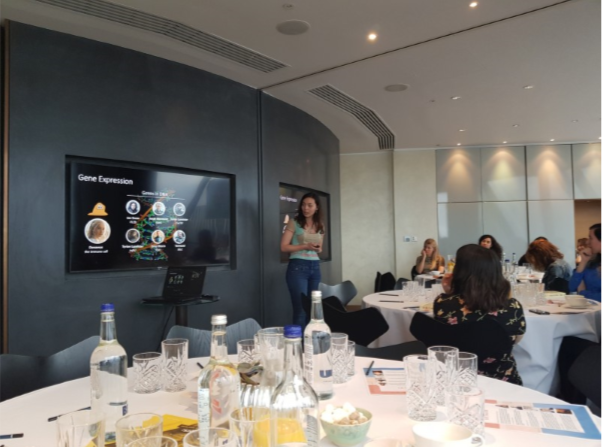


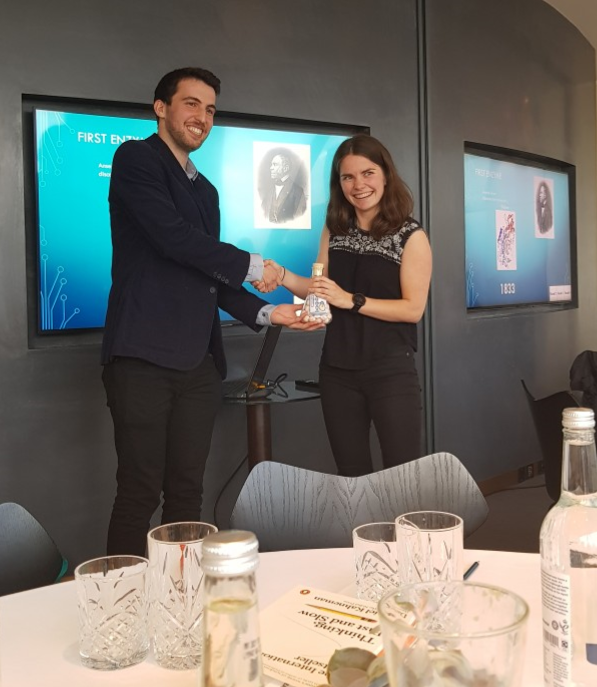
To round out the first half of the day, 2nd year PhD student Eren Akademir hosted the inaugural ‘Whose Year Is It Anyway?’ quiz. Members from each team were asked to give the year of landmark discoveries, distinguishing themselves as scholars of scientific history. It went down to the wire, with a tiebreaker required after five rounds. In the end, team CMoC captained by Helen Paterson emerged victorious.
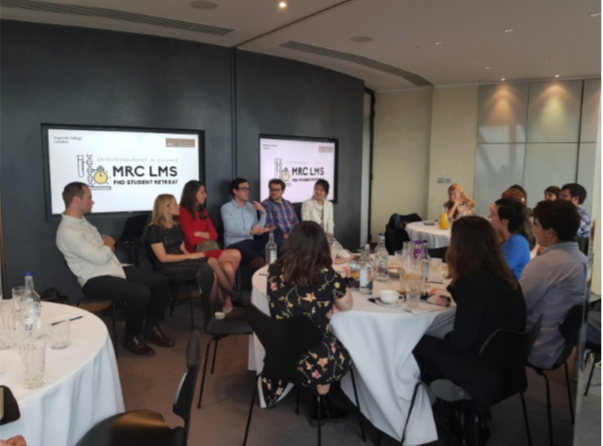
After lunch, we returned to our theme with a Q&A panel of young science entrepreneurs panel chaired by 1st year PhD student Sijia Yu. John Simpson and Alexander Bond shared their experience going from co-workers at Imperial College London to co-founders of their start-up company Fresh Check. John and Alex were quick to highlight the support that Imperial College provides for prospective entrepreneurs. We also heard from Momoby co founder Andrea Rodriguez-Martinez, and Laura Towart, founder and CEO of My Personal Therapeutics who gave their insight into opportunities for women in the business world. Also present, Co-founder of techspert.io Graham Mills, who led us through his entrepreneurship journey starting at Cambridge and what he does to instill an effective business culture in a large company. A number of other informative answers were given to audience questions relating to funding, time-management and productivity.
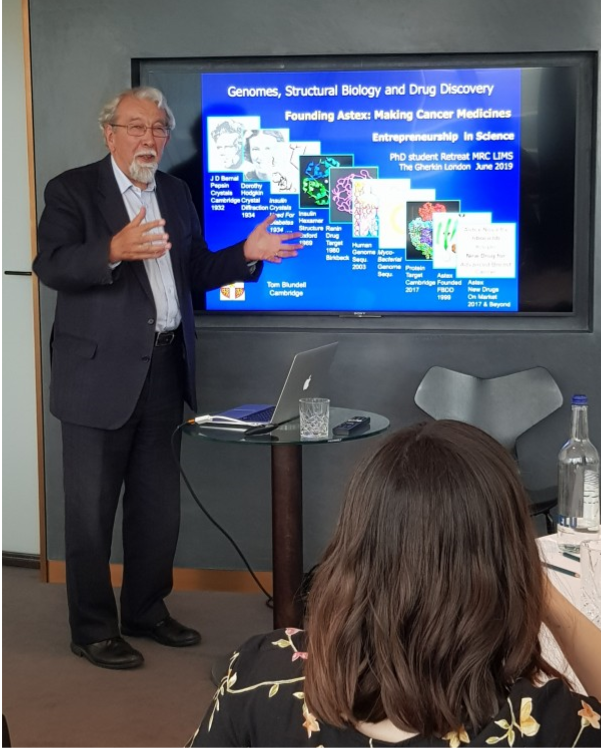
We drew to a close with an enthralling keynote speech delivered by Sir Tom Blundell, Emeritus Professor of Biochemistry at the University of Cambridge. Sir Tom took us steadily through his rollercoaster life in science, politics, business and even music – from discovering the structure of insulin with Dorothy Hodgkin in 1969, to co-founding multi-million pound oncology pharmaceuticals company Astex in 1999 – extracting the important lessons for success along the way.
Thus concluded a triumphant student retreat organised by the tireless LMS PhD Student Committee. We would like to express our sincere gratitude to the Imperial Graduate School and Medical Research Council for the generous funding, without which these events would not be possible.
Life Beyond the PhD

I’m very grateful to Imperial College Graduate School for offering me a scholarship to attend the “Life Beyond the PhD” conference at Cumberland Lodge in Windsor. About 60 PhD students and early career researchers from 35 universities across the UK attended. I was honoured that I was representing Imperial College. Their research was not only in science but also in other fields such as history, art, sociology etc. It was great to meet people from so many different disciplines in such a relaxing and glamorous place situated in the heart of Windsor Great Park.

  • On the first day, we were given an extensive tour of the lodge. Many royals used to live there and even nowadays the Queen sometimes visits the lodge. In the first workshop we learnt about the research culture in the UK, equality and how the role of an academic is changing towards being more entrepreneurial. A point which I thought was very interesting is that the more educated one is, the more difficult is to change mind or direction.
  • On the second day, we discussed about mental health issues among researchers. We also had workshops on how to be an engaging and impactful speaker and writer. The key message was that our writing needs to be relevant, clear and vivid. These very useful tips will certainly help me in writing my PhD but also for any writing or public speaking I do in the future. I also had a personal CV consultation with the Head of Research Development of Cambridge University who gave me some excellent advice.
  • On the third day, everyone presented their research within small groups. We needed to pitch it to a lay audience because we were all from different disciplines. I listened to many interesting talks from my colleagues and gave feedback. I also received valuable feedback for my presentation.
  • On the last two days, we talked about multidisciplinary research. The organizers set up a competition for us: we were split into small groups and the competition was to build a utopian town. Within my group we had fascinating discussions on how we would build this town. Surprisingly we won!

Between all these activities we were provided with plenty of excellent food (eating in the garden in the sunshine) and had very interesting conversations about each other’s research area, behind the scenes issues of each one’s PhD experience, but also about the research culture in general. I think Cumberland Lodge is great because its main aim is to foster collaborations across many different disciplines in a relaxed environment. It’s such an inspirational place too, surrounded by wonderful natural beauty.

The annual Life Beyond the PhD conference held at Cumberland Lodge, is a unique, interdisciplinary celebration of research culture in the UK. Now in its twelfth year, it gives PhD students and early-career researchers the opportunity to share their experiences, develop their transferable skills, and explore the value of doctoral research in an inclusive and supportive environment.


Written by Marianna Kapsetaki

Bounce Ping Pong Intersectional Social 2019

With the Christmas break a distant memory and work-weary lab members itching for a break, re-energisation of the work place was desperately in order. And how better to achieve this than with ping pong, pizza and (substantial quantities of) alcohol? Generous funding was granted from the Research Community Fund, allowing PhD students and early career post-docs from the Section of Investigative Medicine and Section of Cell Biology and Functional Genomics to attend an inter-lab social at Bounce Ping Pong on 12th April 2019. Due to popular demand, a round robin competition was held across the two hired tables, with members from different sections paired into doubles teams. Play ensued with fierce competition, and winners emerged from both sections!

Jamie Frampton, a first year PhD student and a winner of the competition emphasised how much he enjoyed the event. He referred to his team’s win as “legendary” and said that “it was great meeting new people with similar scientific interests over a drink while smashing a few ping pong balls. Who’d have thought that ping pong and scientific networking were such compatible activities?”

Rebecca Cheung, a second year PhD student, expressed her gratitude to the Graduate School for facilitating the event. She enquired as to how to apply for funding, stating that “events such as these are so important in raising morale and strengthening lab friendships. And thinking about it, this was probably the most fun I’ve had whilst still being able to talk about my research!”

Completing a PhD is testing even at the best of times. Events such as these are therefore crucial in fostering a supportive and friendly lab environment, and so we would sincerely like to thank the Graduate School for making it possible. As people came together over food and drink, with laughs and time to reflect on current work, we headed into the Easter break with continued dreams of research success.

Yateen Patel and Maria Lucey, Section of Investigative Medicine

Crystal Maze Experience- EEE PhDs

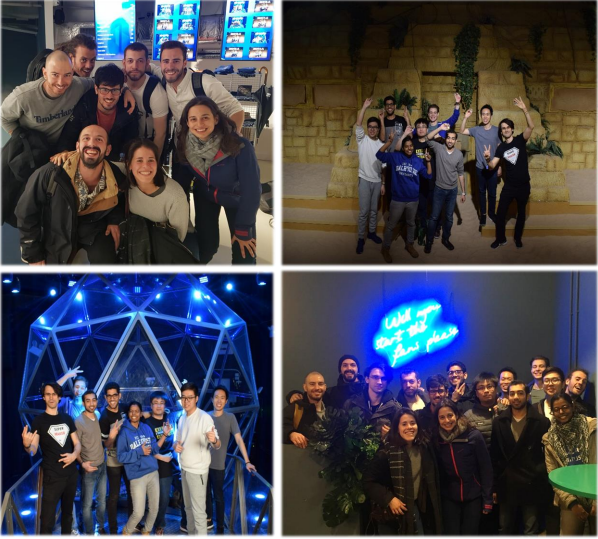
The first Crystal Maze event connecting PhD students from the department of Electrical and Electronic Engineering, took place on Friday 5th of April. The goal of this unforgettable experience was to mix students from different groups and foster new collaborations within the EEE department.

The evening started with a drinks hangout at union bar where the attendants got to know about each other before the team building event. The Crystal Maze Experience was a truly interactive, frenetic and funny team challenge. Expertly guided by the Maze Master, the two teams of students journeyed through four different adventure zones: Aztec, Industrial, Futuristic and Medieval. Along the way, the teams faced lots of challenging tasks and games. Every challenge successfully completed won each team a crystal. Every Crystal earned, gave more time in the very final challenge: The Crystal Dome. Here, the teams had to work together to catch as many tokens as possible.

The event was a great success, with a big turnout of 16 students. Everyone had a great time and enjoyed building teamwork and social skills. EEE PhDs were very happy to meet new people from the department in such a fun way.

Connect to Succeed

As we get closer and closer to graduation, we look forward to taking a step into the real world and work either for corporations or starting our own venture in order to reach our potential. Judging by the society we live in, connections have a great impact on our future. Events managed and produced by the GSU give such opportunities to students, allowing them to expand their horizons. One such event was the GSU connect 2019 initiative.

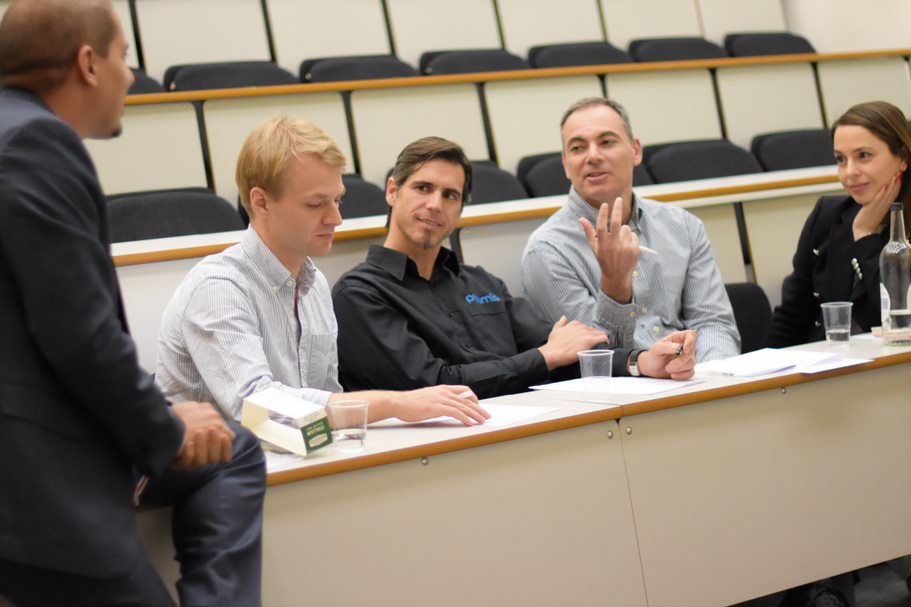
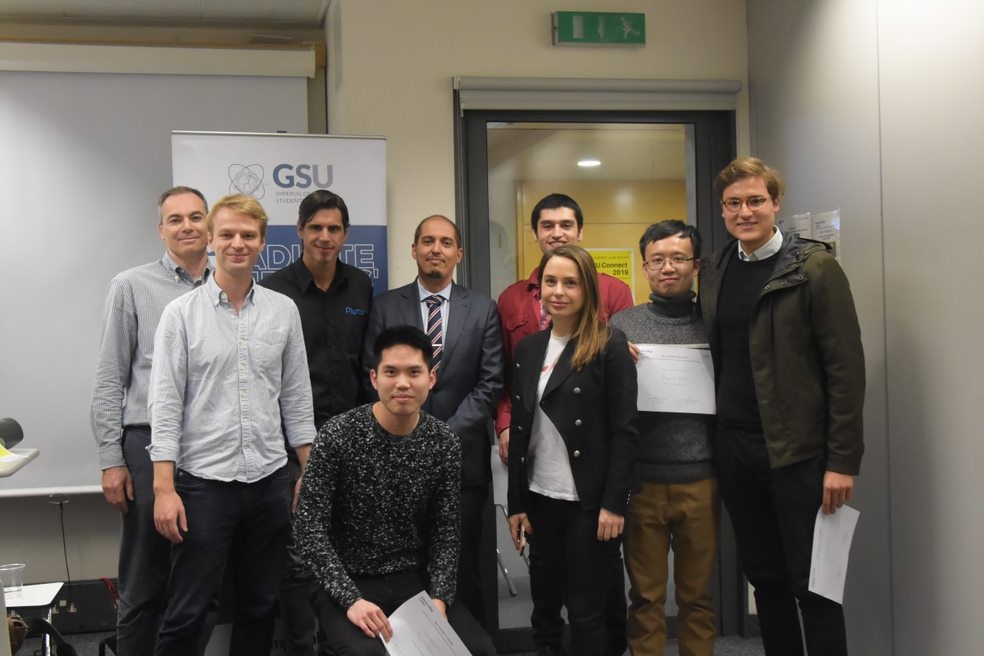
The event offered students the opportunity to enjoy the cross disciplinary collaboration with other students, allowing for students to benefit from different skills and expertise. The event saw 60 students from diverse backgrounds, participating in the competition. Though GSU Connect has traditionally been a networking event, this year the committee had added a twist. Students had the opportunity to present a pitch to a panel of judges as well as the audience and the winning team to win £1,000 pounds in cash. The event ran for 2 days, one exclusively to allow students to connect with peers in a professional environment and the second to allow the teams to pitch their ideas to their selective audience and judges. The panel of judges included Mr. Anouar Adham Founder of Elite Crowdfunding Ltd., Elite Assets International and Elite IRP/ Assets and Wealth Management Expert, Ms. Anca Enica Co-founder of Legacy Venture, Mr. Matthieu Burnand Manager of Solar Energy startup, MBA at INSEAD, Mr. Robert Benson an Active investor in startup businesses, Founder of Arete Consulting and Mr. William Makant. In this year’s competition, two teams had the opportunity to take home £500 each by presenting an idea that could wow the panel and the audience. This year, the winning team had a unique idea, to develop a sustainable autonomous vertical farming system based on the aeroponics technology by using a technique in AI called Reinforcement Learning. This would allow scalability for vertical farming system, as the AI can learn and adapt in any given environment given enough training. The idea won both the award from the esteemed judges as well as the audience, proving to the world just how bright the minds of the future are.

Though next year’s event will focus solely on building connections and networking, we look forward to receiving both your feedback and any suggestions on improvement. The GSU thanks it’s participants for making this event as successful as it could have been and we look forward to seeing you all again at our future events. Keep an eye out on our social media channels to get updates and information on our exciting upcoming events.

We would like to thanks the Graduate School and the Research Community Fund for their financial support and for enabling this event to take place.

Cross-CDT PhDs @ Reunion

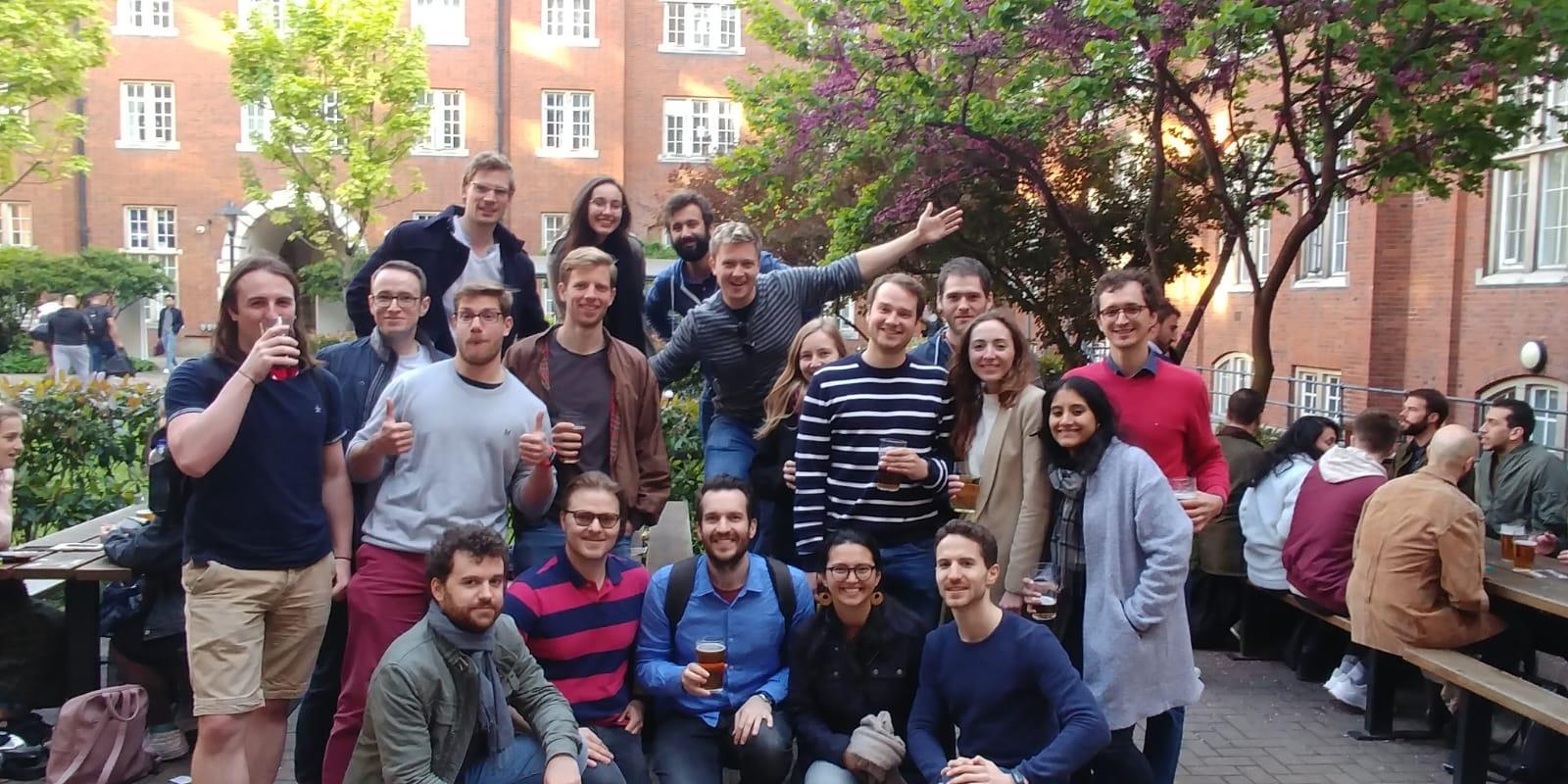
On Friday, 10th of May the third event of the Cross-CDT series took place. The students from five different CDTs gathered at the Union bar to catch up with people from their own cohort as well as with people from other CDTs and cohort years that they got to know at the other events. In total more than 20 students from different CDTs joined for this event in the course of the evening and had a great time together.

It was a great opportunity for friends who have not seen eachother in a long time to socialise and grab a drink together. At the beginning of our PhD program, all of PhD students were working together in an open office area. However, since now everybody is spread out in a different building and even different campuses (White City and South Kensington), it is very rewarding to meet up from time to time and to have a chat about how the PhD projects are going, to what cool conference some people already went or which internships they have done and to exchange also thoughts and advice that we have accumulated over the time. The Union bar was the perfect choice for such and event, since it is close to all of our offices and easy to convince people to join for a after work drink on a Friday.

Overall it was a great event that was appreciated by all the people involved. Everybody is looking forward to the next event. A thanks goes to the Graduate School of Imperial College London which financially supported this cohort building activity.


LERU Doctoral Summer School 2019 – Building Research Capacity and a Collaborative Global Community

by Diego Mesa, PhD student in the Department of Earth Science and Engineering

This year the University of Edinburgh, a member of the League of European Research Universities (LERU), hosted in July  the 9th LERU Doctoral Summer School. The main focus of the Summer School was on  Collaboration in Research, aiming to develop a guidebook for early career researchers on effective collaboration.

My name is Diego Mesa and I’m a 3rd year PhD student in the Advanced Mineral Processing Research Group of Imperial College London. When I saw the Graduate School’s invitation to be part of this activity, I knew I had to apply. Not only is my area of research fundamentally based on the inter-sectorial collaboration among universities, companies and other stakeholders, but also my personal interests lie in international collaboration. Being of Chilean origin, I had the honour of representing the Latin American community of Imperial College as President of the Society for the 2017-2018 academic year. Hence, I have seen first-hand the impact that international research projects can have on our countries and communities. I was indeed thrilled and honoured to be selected to represent Imperial College at this Summer School.

As a pre-course activity, we were asked to interview an established and successful researcher about their views and experiences in collaboration projects. I decided to interview Prof. Mark Rehkämper, a specialist in Mass Spectrometry and Isotope Geochemistry of the Earth Science and Engineering Department. His insights were key and influential in informing my understanding of collaborative projects. This enabled me to participate effectively in the debates that we eventually had during the Summer School activities. It was amazing to see that so many professors were absolutely open and willing to share their research experiences. I would firmly encourage other students to get in touch with other professors and perform such interviews.

Months passed quickly, as they do during your Ph.D., and the date for my trip to Edinburgh arrived. It was my first time in Scotland, so I was blown away by the architecture, the landscapes and how friendly the people were (under that thick accent).

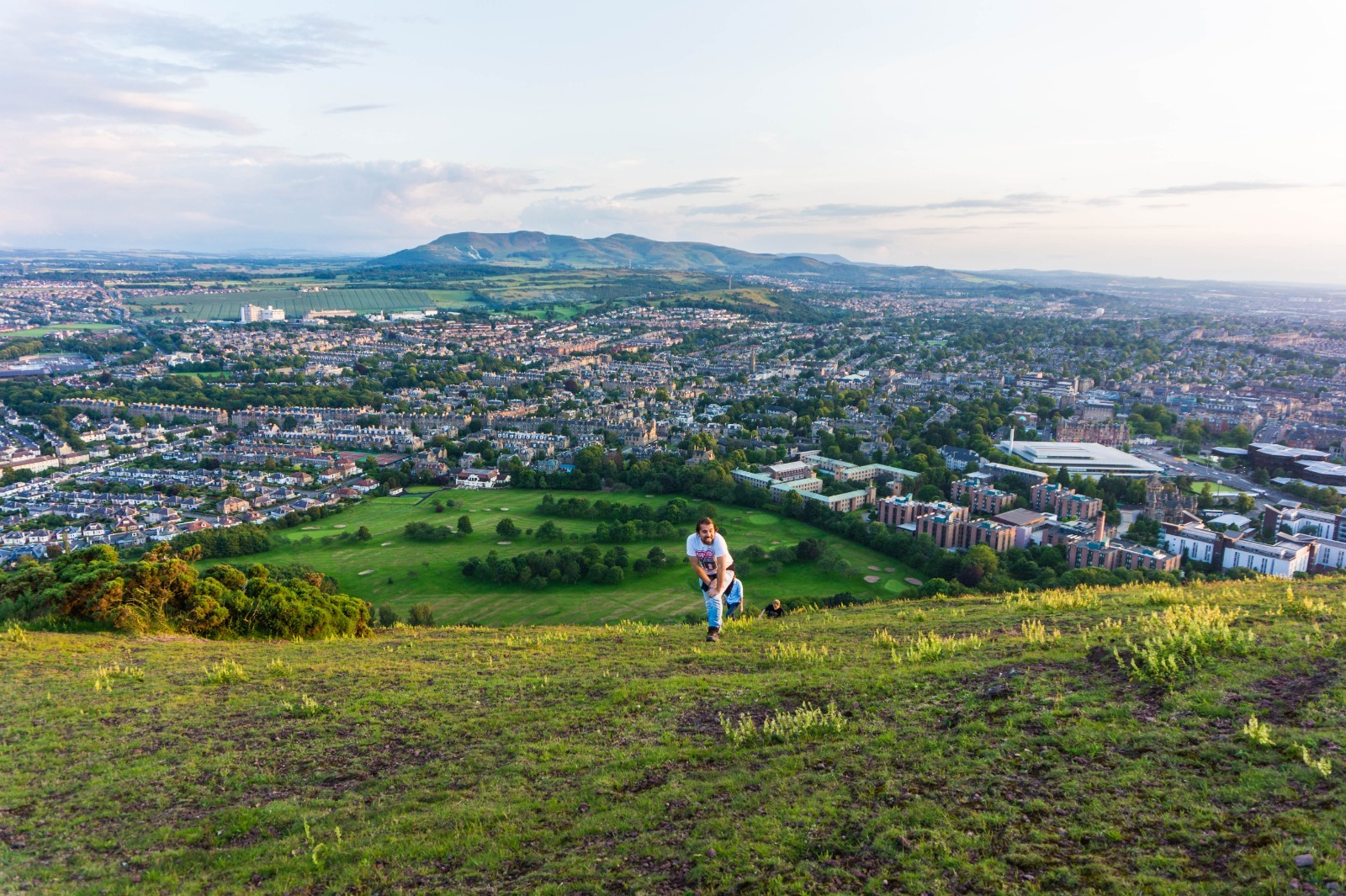
Me, struggling to climb the Arthur’s Seat. Photo Credit: Shishir Pant, Helsinki University

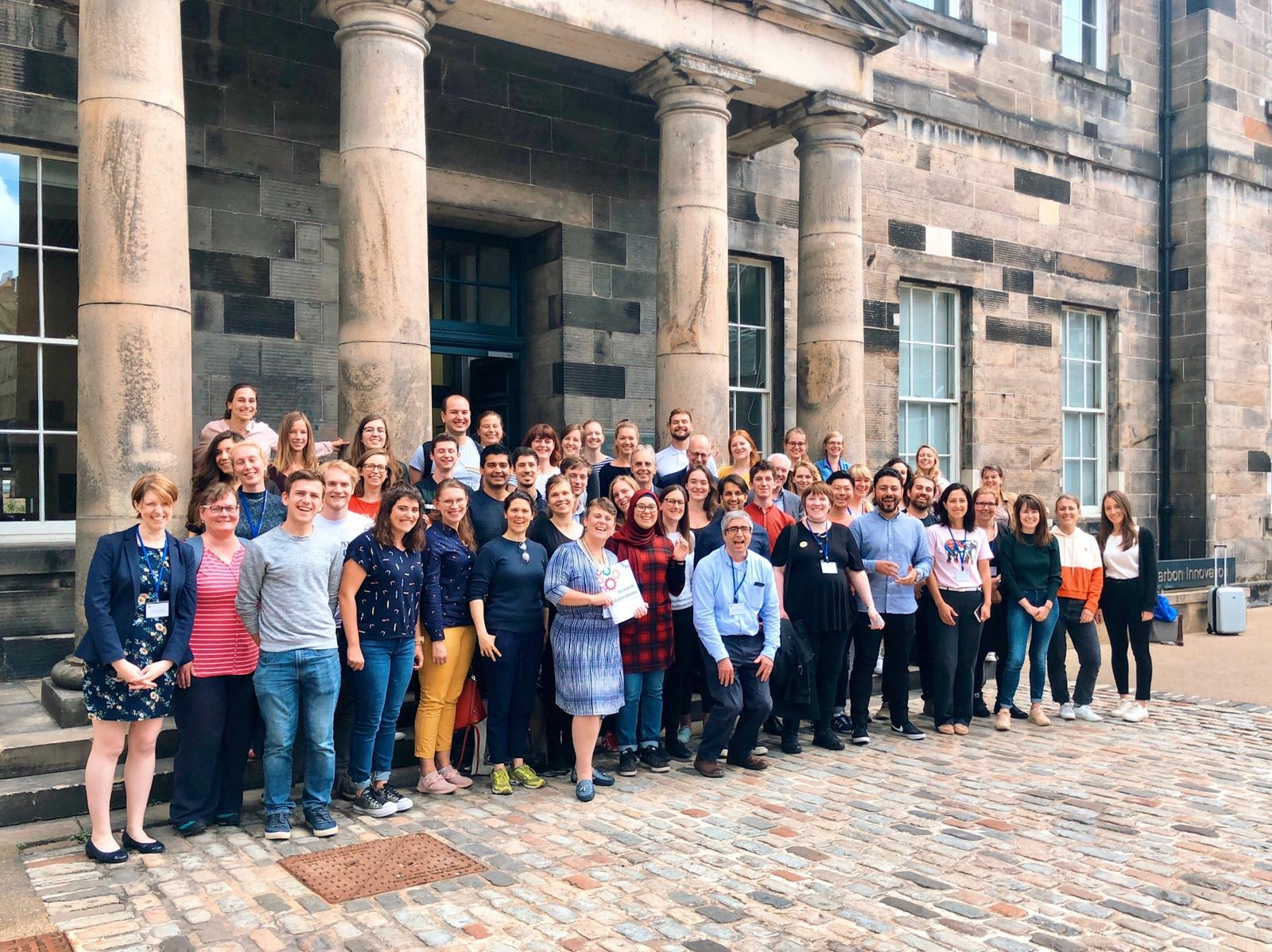
On the first day, I got to meet the rest of the participants. We were 52 Ph.D. researchers from 23 different universities, different countries, and cultures. However, what surprised me the most was the diversity of research topics represented amongst us. My scientifically oriented mind tricked me when I read the title of the Summer School, thinking that I’d be surrounded by STEM-researchers. There were: lawyers, philosophers, historians, artists, scientists, engineers amongst many others.

The Summer School was much tougher than I had anticipated. Each day involved an action-packed agenda. Usually we would start the day with some keynote talks by researchers and members of staff of the University of Edinburgh, which allowed us to gain novel insights about different aspects of collaboration. We would then divide into small groups to analyse and write different sections of the guidebook. I would have never though it possible that one could write a quality piece of work in one week involving more than 50 authors. Fortunately, this was all brought together by the masterful guidance of the organisers and we were able to create an amazing guidebook.

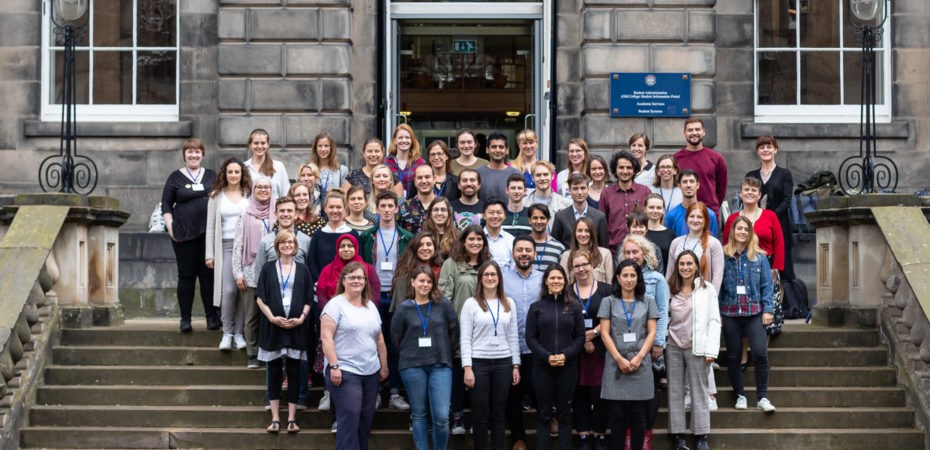
LERU Summer School Participants at University of Edinburgh. Photo Credit: University of Edinburgh

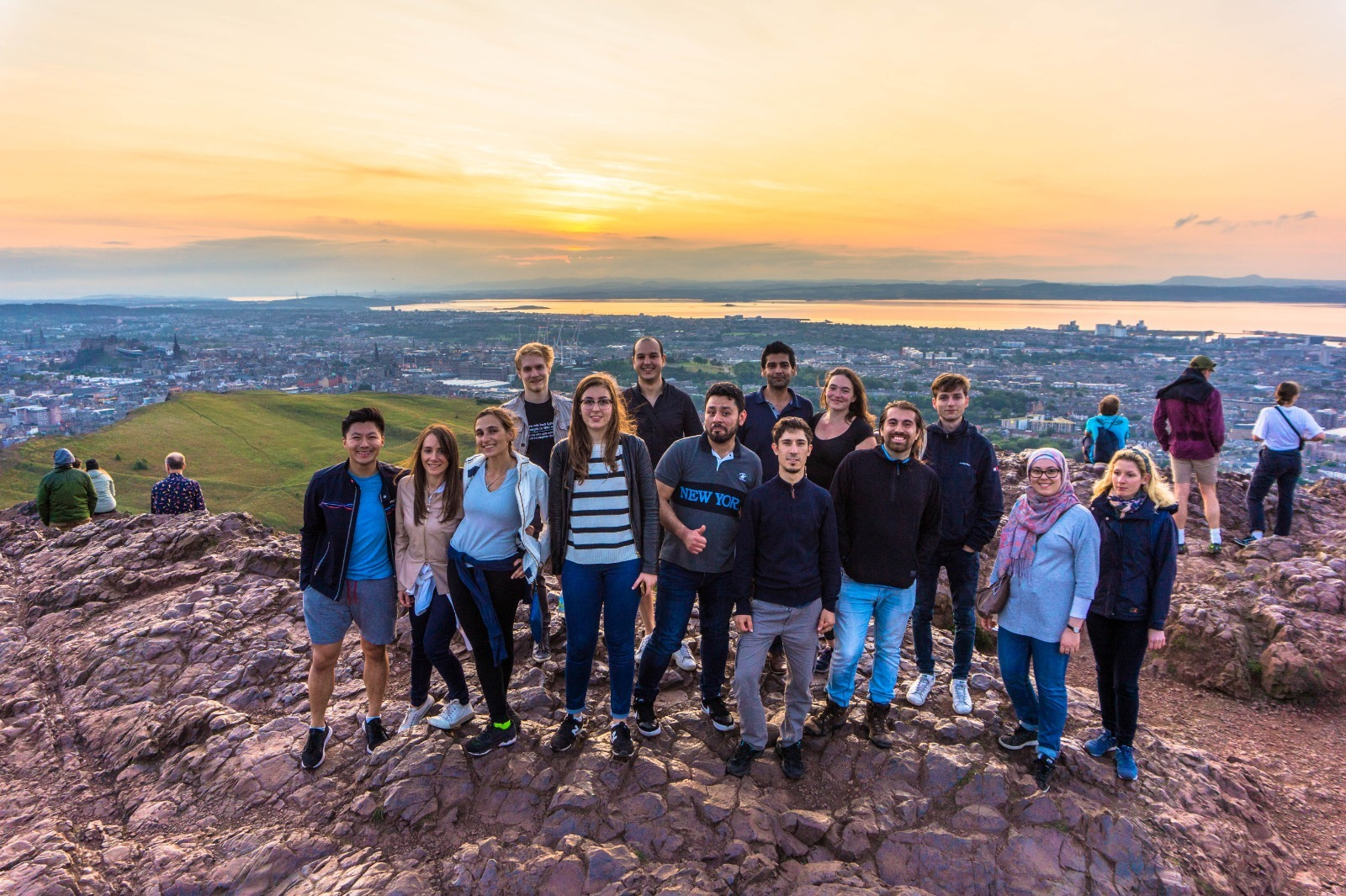
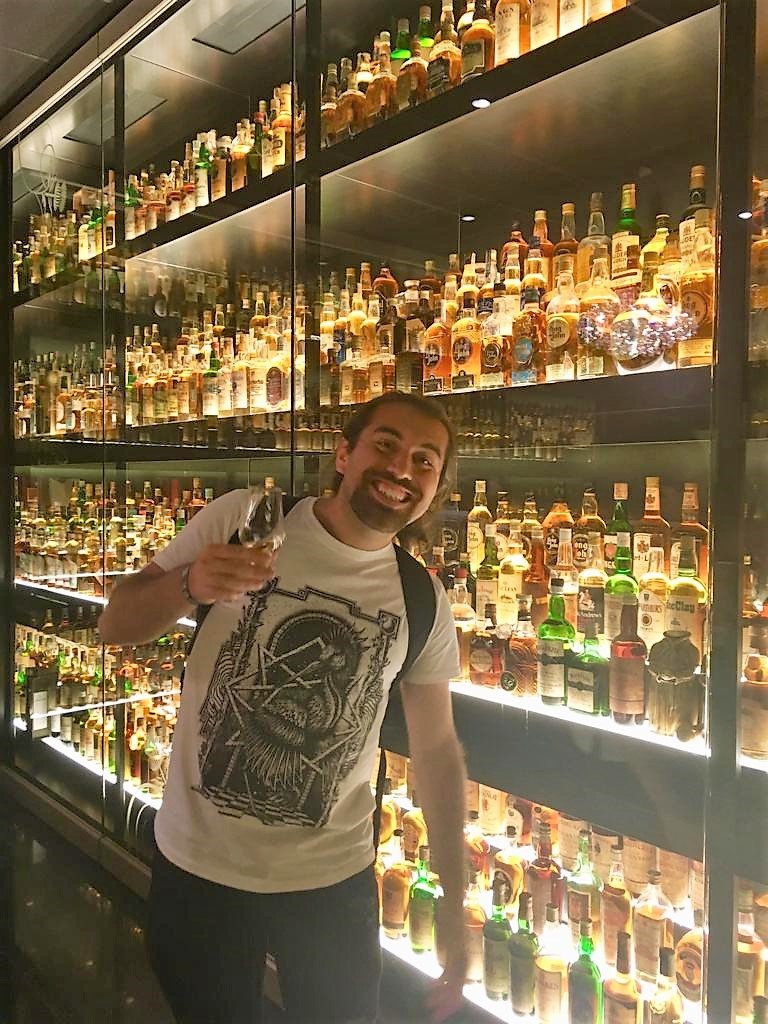
However, not everything was hard work. We learnt that many collaborations start in the pub and that the strength of the social relationship between partner is key to a successful collaboration… so, we decided to put that piece of advice to practice quickly! On the first day, we went on the Scotch Whisky Experience and then for a lovely dinner altogether. For the rest of the week, we would spontaneously meet in the pub after classes or for outdoor activities. We climbed the Arthur’s Seat, went on a walking tour around Edinburgh and even danced the traditional Ceilidh with bagpipes!

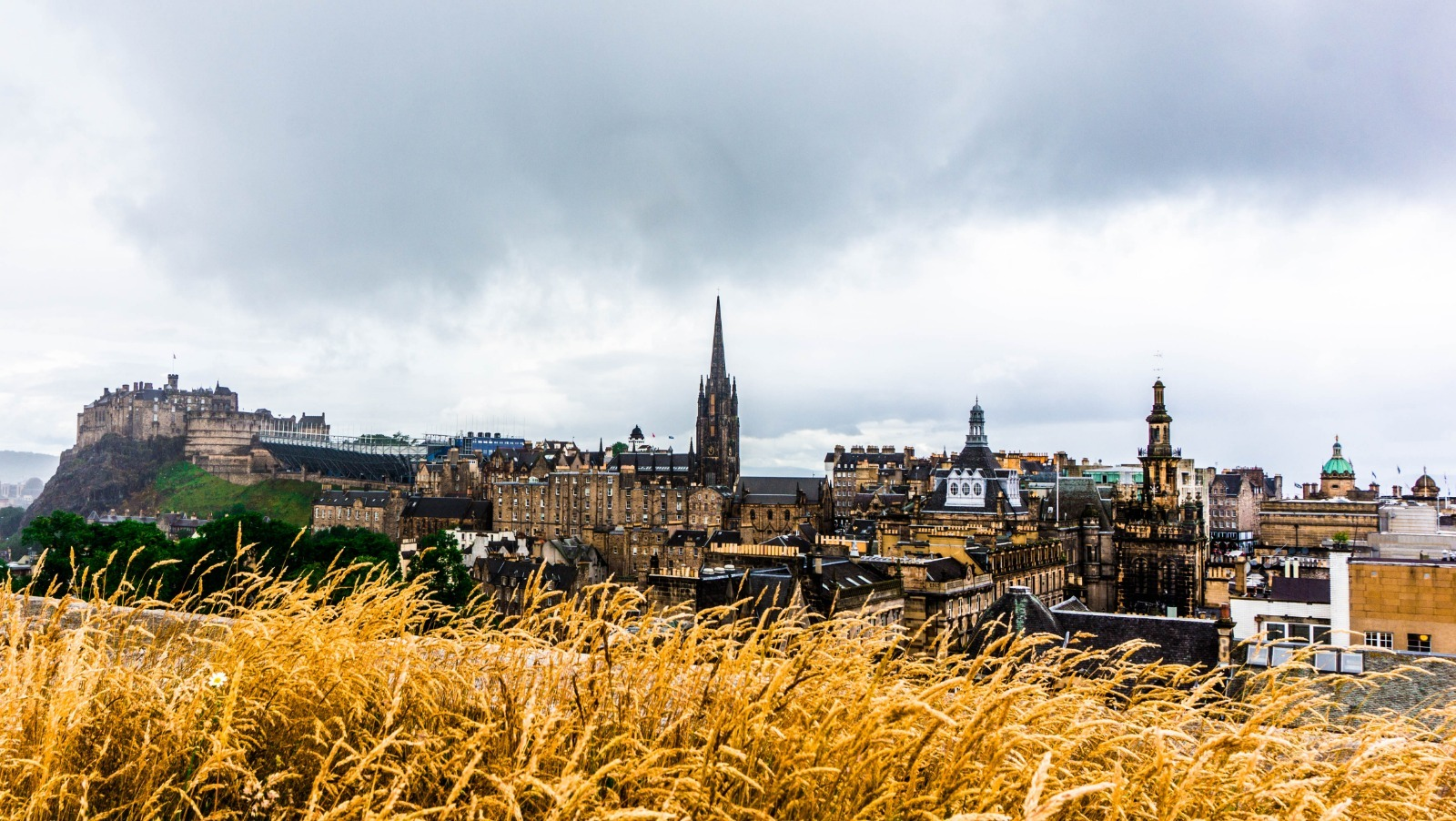
Views of Edinburgh. Photo Credit: Shishir Pant, Helsinki University

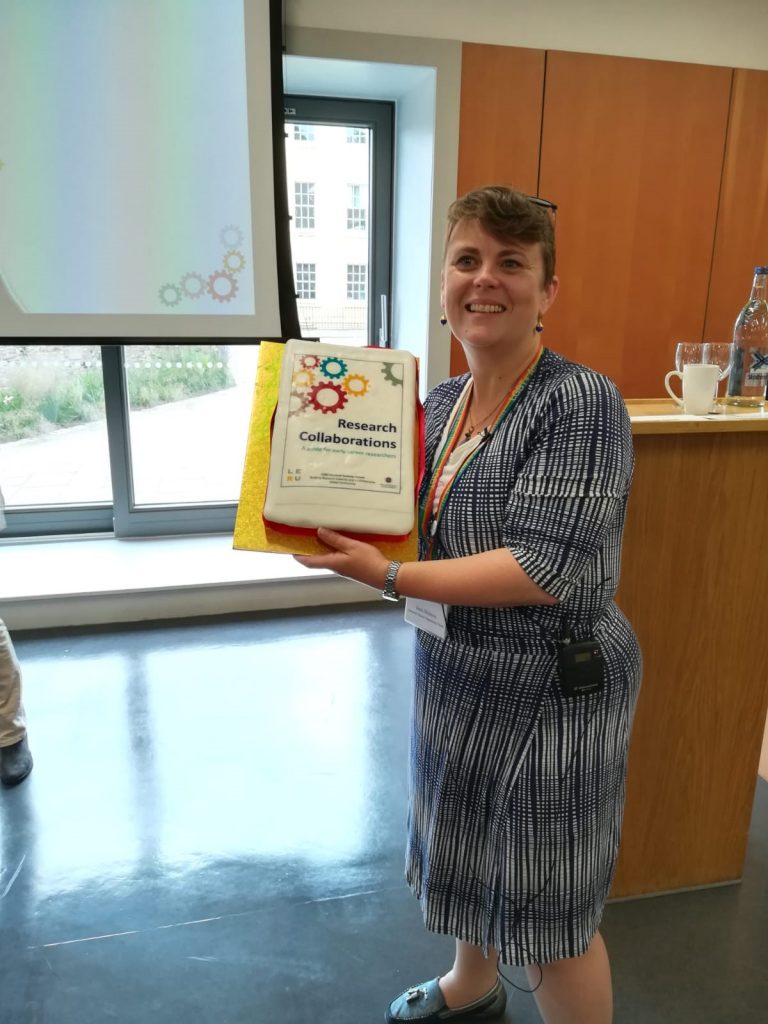
Our last day was very moving as we got to see the last draft of our guidebook. We were honoured by the presence of Professor Kurt Deketelaere, Secretary-General of LERU at the closing ceremony, where he remarked on the importance of collaboration among our elite universities. This is important not only for the advancement of science and knowledge, but also for the further development of global communities able to work and live in harmony, respecting and embracing our diversity. Five participants (including me!) volunteered to introduce the guidebook to him. We explained the contents, the process of development and the impact of the work we all had just performed that week. Finally, Dr Sara Shinton, organiser and moderator of the whole process, revealed a cake featuring the design of our collaboration guide!

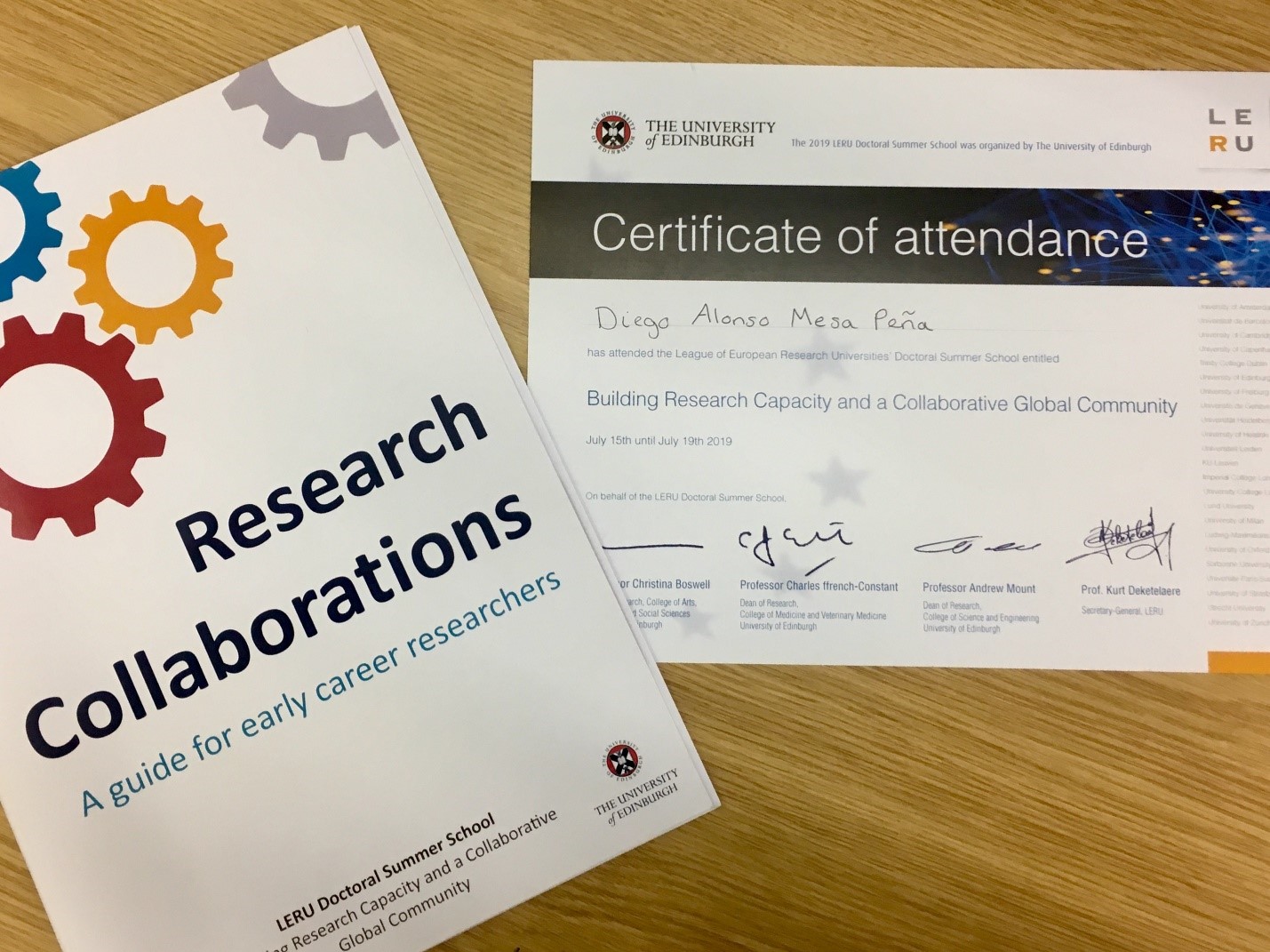
Research Collaboration Guidebook and Certificate of Attendance
Dr Sara Shinton with the cake. Photo Credit: Nathalie Dupin

In conclusion, the LERU Summer School was an amazing and engaging experience, where we were able to collaborate and develop our guidebook! We anticipate that this guide will help many researchers globally to engage effectively in more collaborative projects in the future. Finally, I also met amazing people along the way, who came from all over Europe. This both expanded my professional networks and allowed me to develop some great friendships. I look forwards to meeting everyone again soon!

A group of participants at the top Arthur’s Seat. Photo Credit: Shishir Pant, Helsinki University
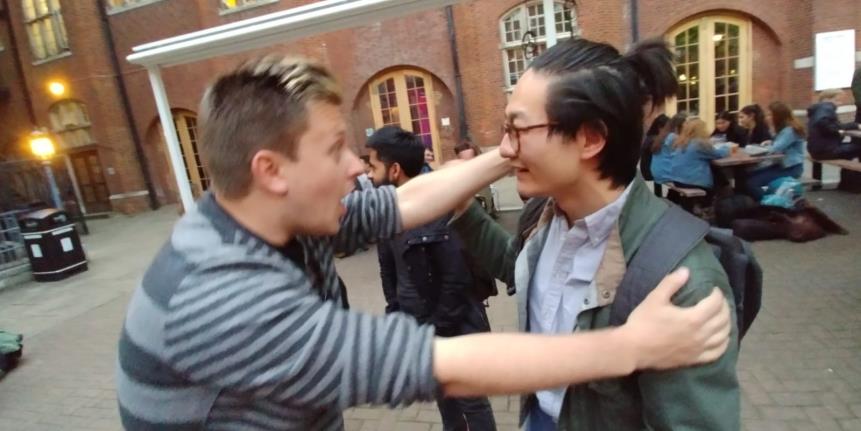
Last day of LERU Summer School. Photo Credit: Brian Wong, University College London
Me in the Scotch Whisky Experience

Computational Chemistry Intradepartmental Meeting (CCIM)

On the evening of Thursday the 7th of February, the Computational Chemistry division of the Chemistry Department held its third monthly research and social event. These meetings started running in September to strengthen the professional and personal relationships between computational research groups, which have found themselves sharing a large open-plan office after the departmental move to the White City campus in Summer 2018. The meetings are mainly organised by the postgraduate students of each group and promote the integration of students of all levels into the wider departmental community.

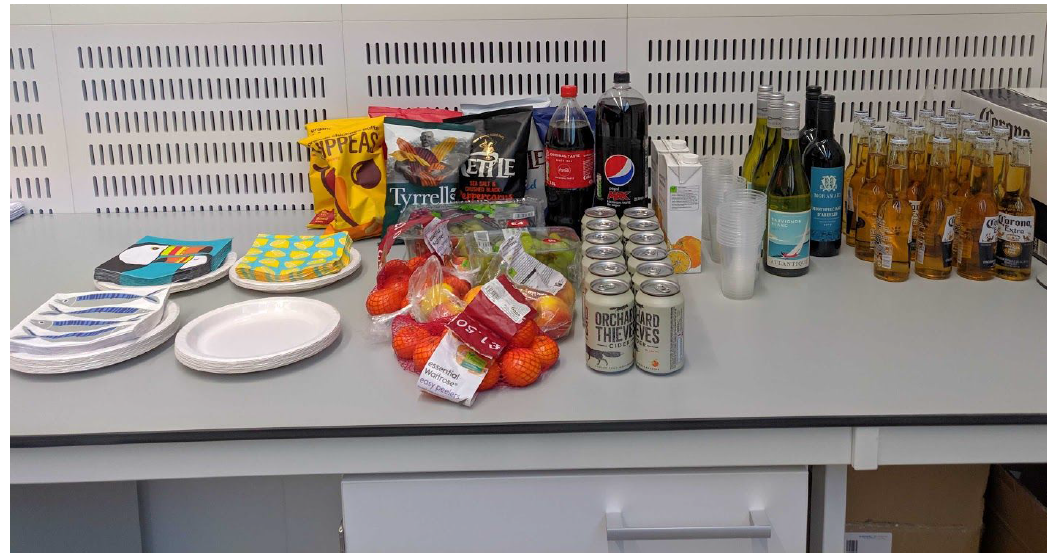
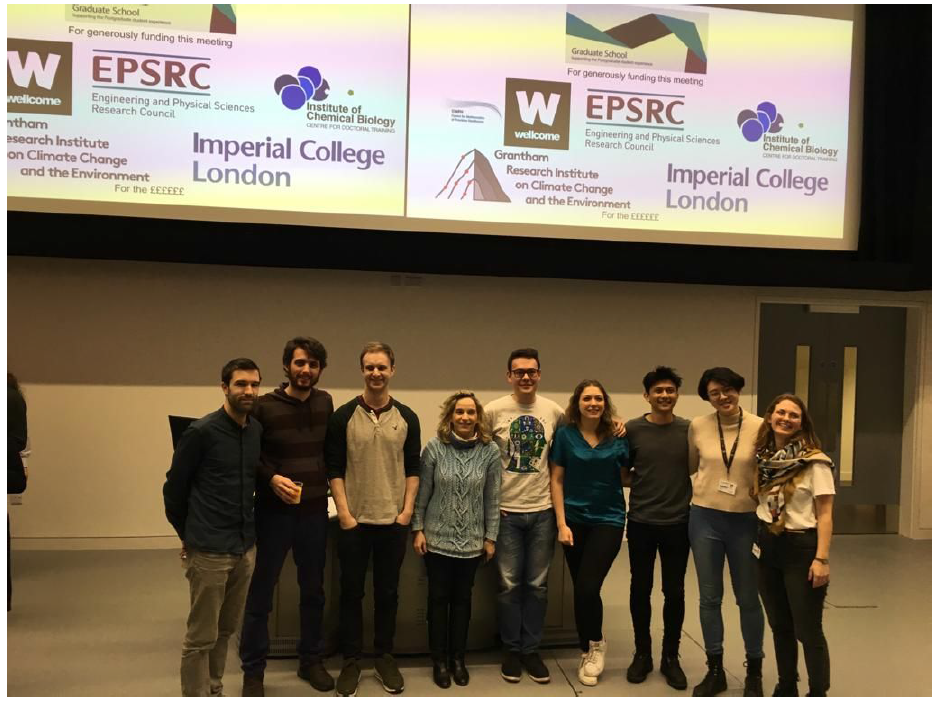
This month, we put up the event with the generous help of the Graduate School cohort building fund. The meeting was attended by about 50 people, split evenly between undergraduates, graduate students, postdocs and PIs of the computational groups within the Chemistry department. As in the previous months, we started the evening with a brief presentation of our group’s work. All current students of the group, joined by collaborating students from the maths department, presented a few applications of graph-theoretical methods, including the study of protein dynamics. After the presentation everyone in the audience participated in a quiz-style activity (which involved buzzers!) based on the same mathematical methods we use in our work. Afterwards we all moved on to socialising over drinks, snacks and Homeslice pizza.

It was a great opportunity for new students to introduce themselves to the rest of the cohort, for some stimulating academic conversations and for everyone to have some fun, too! We are extremely grateful for the Graduate School’s funding, and we will be recommending it to anyone else organizing similar events.

With love,
The Yaliraki Group

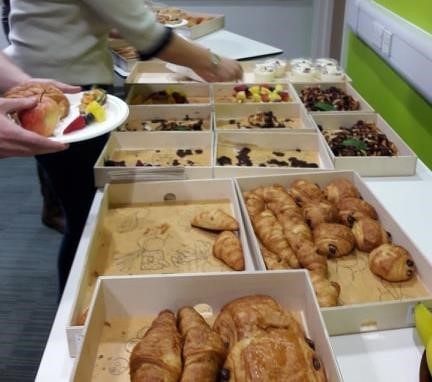
Fig. 1 Snacks and refreshments set up….courtesy of the Graduate School!
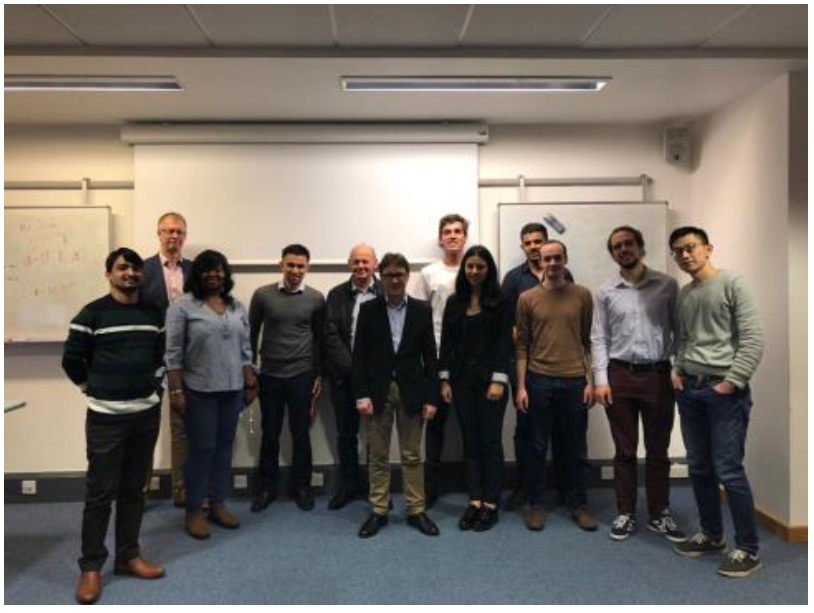
Fig. 2 The Yaliraki group after a successful presentation

IEEE Research Symposium for PG Students at the Department of Electrical and Electronic Engineering, Imperial College London

Founded in October 2018, the IEEE Student Branch at the Department of Electrical and Electronic Engineering, Imperial College London, was created with the motivation of “Developing collaboration between engineering students, researchers, academics, and industry by actively organising and promoting IEEE events”. The student branch strives to act as a common channel that various researchers, students and academics can use to share their research work, create new collaborations and discuss future directions. In doing so, we also hope to engender a more social atmosphere to the research scene in the college. This document will showcase the event that we have organised with your much appreciated support and will also detail intended future events with the hope that we will have your continued support moving on.

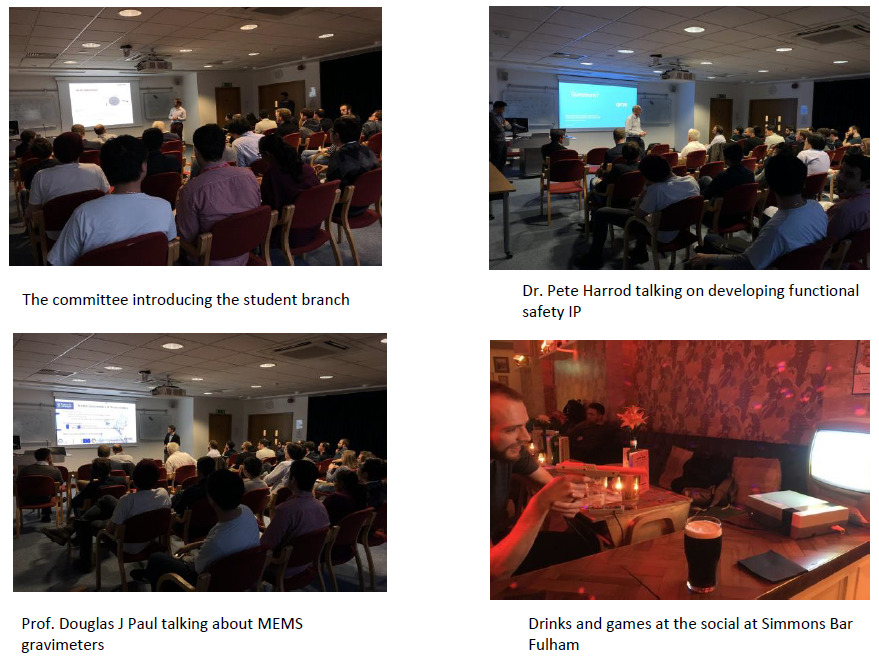
Our inaugral event, The IEEE Symposium, was organized at the EEE department on the evening of Wednesday 20th March 2019, and was a great success. The event introduced the student branch to the postgraduate community within the Electrical and Electronic Engineering Department, as well as worked as a launch pad to introduce our planned flagship event, the IEEE Conference on Advances in Communications, Devices, and Systems – IEEE ACDS, which the student branch plan to organize later this year. The symposium featured talks from two highly distinguished senior IEEE members, Dr. Pete Harrod and Prof. Douglas J Paul. Dr. Harrod is currently the Director of Functional Safety at the CPU group at ARM and spoke on the challenges of developing IP for functional safety applications such as automated driving. Prof. Paul is an EPSRC Established Quantum Technology research Fellow at the University of Glasgow and spoke on the use of MEMS devices to detect gravity with high sensitivity and resolution. The talks were very engaging and we had a large turnout of over 30 people. Apart from aptly managing the logistics behind contacting the speakers and advertising the event, the student branch provided pizzas for all attendees to enjoy while listening to the talks.

Following the talks, we proceeded to a social at the Simmons Bar in Fulham (SW6 1LY). The student branch had organised a tab for everyone attending. The social had a turnout of about 20 people and was a fun night of some drinks, pool and retro video games. The social provided an opportunity for the researchers to socialise as well as discuss their research with their peers. The event ended successfully by 21:30, and feedback from participants was overwhelmingly positive, with many of them thanking the organising committee for making the effort to organise this event. Below are some pictures from the event. We feel such opportunities are a valuable part of postgraduate education and work towards our goal as a student branch. The organising committee is immensely grateful to the Graduate School’s Course Quality and Strategic Development Committee (CQSD) for providing generous financial support for this event.

In terms of future events, we aim to host more such symposiums with speakers from other fields of research along with different socials to accompany these events. We believe that having insights from speakers not only from other universities but also from industry is hugely beneficial to postgraduates at Imperial. Apart from these symposiums, our main goal for this year is the IEEE Conference on Communication, Devices and Systems (IEEE ACDS) conference, which we are currently planning and the details will be provided soon. For more information on any of these events, feel free to contact any of the committee members via email. The contact details can be found on our website https://edu.ieee.org/uk-imperial/.

Yours sincerely,
The IEEE Student Branch Committee at the Department of EEE, Imperial College London

Breakfast club: Making the most of your PhD experience

by Nora Schmit & Constanze Ciavarella, PhD students in the School of Public Health

The first School of Public Health breakfast club took place in the morning of Tuesday 26th March 2019 at St Mary’s campus. The student reps organised this initiative to bring together PhD students from 5 departments spread across St Mary’s, Charing Cross and White City campuses, to share their experiences around the theme “Making the most of your PhD” while enjoying a delicious breakfast buffet.

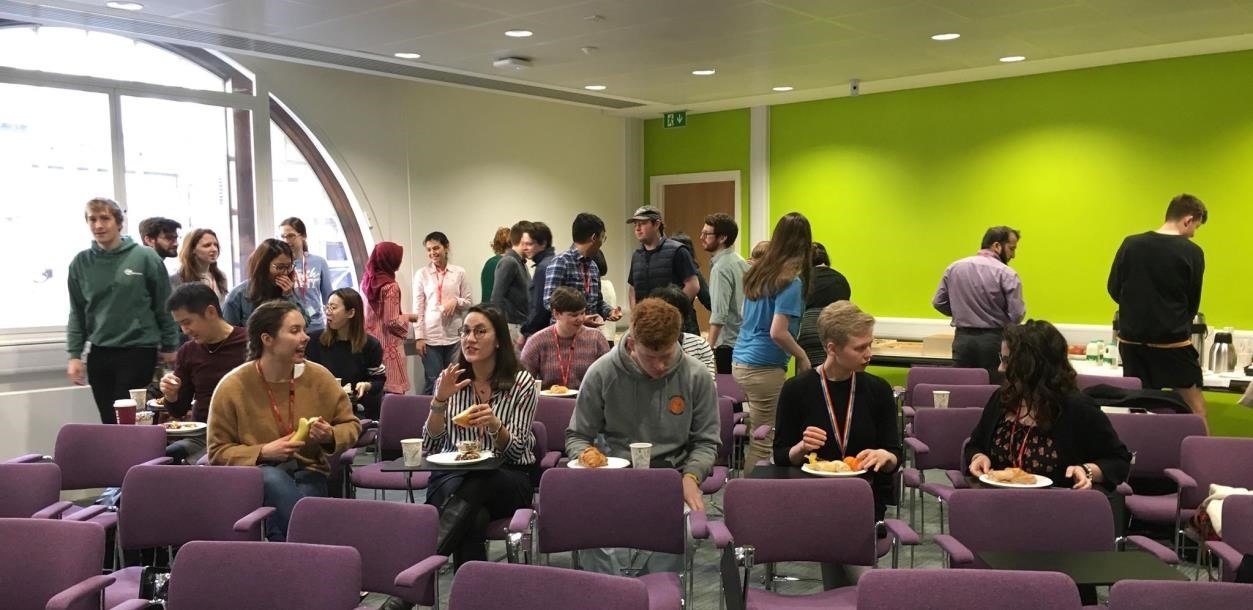
The event had a high turnout, with over 50 students from all stages of the PhD gathering in room G64. It started at 10am with tea, coffee and various breakfast options from Le Pain Quotidien, including waffles, pastries, baguettes and fruit. After everyone had taken a seat, 3 students from the Department of Infectious Disease Epidemiology gave short talks on extracurricular activities they had pursued during their PhD.

First, final-year PhD student Tom talked about the insights he gained during an internship at the Parliamentary Office of Science and Technology. He also gave practical tips for students wanting to apply to the internship scheme and on managing the practical aspect of taking time out of the PhD. Andria, a second-year student, then presented an overview of her short-term work assisting the Ebola outbreak response team at the World Health Organization. She gave some details on the current Ebola epidemic and the tasks she had to complete during this position interspersed with beautiful pictures of Geneva. Finally, Nora shared her experience of the Global Fellows Programme at Tokyo Tech University organised by the Graduate School, which she had attended during the first year of her PhD. She highlighted her happy memories of the trip and encouraged participants interested in developing teamwork and communication skills to apply. All speakers agreed on the benefits of taking up these varied opportunities and expanding their experience beyond their research project, particularly with regards to skills and careers development, but also highlighted the difficulties they encountered in reconciling the activity with their PhD.

After the talks, everyone had the chance to ask questions or talk to the speakers in person. People helped themselves to more food and some stayed to mingle with the other students until 11.30am. Participants additionally had the opportunity to vote on future social activities to be organised by the PhD reps, with paintball, karaoke and a museum late visit coming out as favourites.

The first breakfast club was a great success and received positive feedback throughout; everyone was impressed by the food and participants said they appreciated the opportunity to get to know other students and getting inspiration and practical information to make the most of their PhD.

We would like to thank the Graduate School for funding this event and hope to organise more activities in the future to improve the postgraduate research community in the School of Public Health.