Blog posts

Meet the ISST’s research team

In 2024, the ISST welcomed Dr Cathy Mulligan (Advanced Research Fellow) and Dr Gareth Tear (Postdoctoral Research Associate) to the growing team. Over the coming months, Cathy and Gareth will work with our leadership to drive towards the institute’s vision of a more secure and resilient world.

We sat down with Cathy and Gareth to find out more about their backgrounds and hopes for the months ahead:

Can you tell us a bit about your background and experience in security and/or resilience?

Cathy Mulligan: I’ve been on a fantastic journey of using digital technologies to build a more sustainable and resilient world for well over a decade now. It all started back when I was working as an engineer in Stockholm and was sent as technical support on the 2005 Beringia research trip to the North Pole on an ice breaker.

That moment inspired me to pursue a Master’s in Engineering for Sustainable Development and a PhD at the University of Cambridge. Since then, I’ve been lucky to lead exciting sustainability and resilience projects across India, Malaysia, the UK, the EU, and Australia, focusing especially on “community-based resilience”. This has included spinning out start-ups, research, being a Fellow at the World Economic Forum and member of the UN High-Level Panel on digital cooperation. It’s been a rewarding adventure, blending innovation with meaningful impact, and I have developed a network of truly wonderful collaborators from all walks of life across the world. Many days, I cannot believe how lucky I have been.

Gareth Tear: I completed my PhD in physics, looking at how transparent materials respond to shock and impact, under the supervision of Dr Bill Proud. Bill is the academic co-director of the ISST’s MSc Security and Resilience course, as well as a Security Science Fellow. I did my postdoc in the same group, this time investigating concrete in multiple impact scenarios. After that I co-founded Synbiosis, a start-up developing and innovating novel armour materials. In short, I’ve been in security research, development and commercialisation for a while now!

Cathy on a boat during her polar expedition, with the sun setting in the background
Cathy aboard the ice breaker during the Beringia expedition

Why did you want to join the ISST?

CM: Like Gareth, I’ve been around the ISST for a while now, first with the institute many years ago. I worked on the economics of cybersecurity and was Co-Investigator for the Cloud Intelligent Protection at Run-Time (CIPART) grant, for which Professor Emil Lupu was PI. I was drawn to the team’s cross-disciplinary approach to tackling crucial topics related to security and resilience, and the fact that I had worked with several of the academics before. I love the idea of bringing together different perspectives to solve real-world challenges—it’s like creating a puzzle with pieces from every field.

As someone with a strong background in telecommunications, I’m excited to contribute to discussions in that space, especially around my latest book on 5G Advanced core network. I’ve spent much of my career bridging disciplines as an interdisciplinary researcher, and the ISST provided the perfect environment to keep exploring how we can work together to tackle big challenges.

GT: I feel strongly aligned with the institute’s mission and vision. I don’t think there are many others looking at security and resilience in the global, ‘big picture’ context, something that is becoming increasingly important as the world experiences a vast range of security crises across interconnected industries.

I also really like research and understanding new ideas and concepts. At Synbiosis, I had to learn about the manufacturing to market journey for defence technology – including IP law, supply chains and interactions with buyers. I saw how challenging this is to navigate for start-ups and individuals wanting to contribute to the defence industry. I think the ISST and its network of experts can positively affect how the industry operates, as well as other areas of scientific research and technological innovation related to security.

Watch Gareth on an explosives course where they were measuring safe separation distances between sticks of dynamite.

What would you say are the most significant security-related challenges in your field that we should be focusing on in the next 5-10 years? How do you think the ISST’s work can/should contribute to addressing these?

CM: The next decade is going to be thrilling for those involved in security. Geopolitical and technical shifts are dramatically changing the landscape nearly every day.

We’ll need to tackle challenges like the rise of quantum computing, our increasing dependence on digital technologies, and the urgency of adapting to climate change. The silver lining? Digital technologies can be part of the solution if we use them wisely.

We also need a complete redesign of engineering education as the reliance on mega-infrastructures becomes more susceptible to the impacts of climate change in the longer term. To get there, we need bold moves—like completely rethinking how we educate engineers and designing systems that empower communities instead of relying on these fragile mega-infrastructures. The ISST can play a pivotal role by driving cutting-edge research, fostering collaboration, and inspiring the next generation to think outside the box.

GT: As I’ve mentioned, there are considerable difficulties in manufacturing in the defence industry. It seems like processes and systems haven’t progressed in decades. This causes problems for new players who innovate and can drive the industry forward. Ultimately, we don’t see the advances we need to address global security issues.

Furthermore, risks to supply chains and critical resources increase significantly due to their interconnectedness. Not only do we need to drastically improve the resilience of physical mega-infrastructures as Cathy already touched upon, we need to tackle how the health and social care system, food stocks and our energy capacity respond to shocks.

I think the ISST is uniquely placed to understand and shape the solutions to these problems. Our international and interdisciplinary network is extremely well-placed to create more flexible, resilient and effective ways of working, not just in defence manufacturing but any system societies rely upon for security.

What do you hope to achieve at the ISST?

CM: I want to deliver top-notch research and insights that help people live joyful, fulfilling lives while reducing our environmental impact. It’s all about building a future that’s sustainable, secure and full of possibilities!

GT: I’m currently working on a practical module for the MSc Security and Resilience course. I think it’s essential that the next generation of security professionals apply the theory they learn about.

In terms of research, I’d like to contribute to a better equipped defence manufacturing sector that ensures innovators in the industry thrive.

I’d also like to support start-ups at the White City Innovation Ecosystem and NATO DIANA in the development of novel defence technology. We’re already applying for EU funding that will hopefully push this ahead.

Can you share a ‘fun’ fact about yourself?

CM: I set out to write just one book in my lifetime. Somehow, I’ve ended up writing nine! Life has a funny way of exceeding our expectations, doesn’t it?

GT: One of my hobbies is trampolining. I’m working towards doing a double-back somersault.
Highlights from the 2024 ISST annual lecture with Ambassador Yvette Stevens

On Thursday 7 November 2024, the Institute for Security Science and Technology (ISST) hosted its annual Vincent Briscoe Security Lecture. 

This year’s speaker was Ambassador Yvette Stevens, former Permanent Representative of Sierra Leone to the UN. Ambassador Stevens is also an Imperial alumna, having graduated in the 1970s from the Department of Electrical Engineering (now Electrical and Electronic Engineering). She then went on to become Sierra Leone’s first female engineer before kickstarting her career at the UN. 

Ambassador Stevens’ lecture, National security and resilience in the 21st century – the role of science and technology, is available to watch on the ISST’s YouTube channel. 

In case you missed it, here are our key takeaways: 

Development and security go hand in hand

Ambassador Stevens drew our attention to current challenges around access to electricity and energy security. She reminded us that there are still 675 million people living without access to electricity globally, with hundreds of millions more only having limited access. In a world where AI is quickly taking over everyday tasks and our knowledge of the universe is deepening from the billions being spent on space exploration, it is astounding that just 22% of people living in Sub-Saharan Africa have access to electricity. 

With electricity comes economic development, opportunities and security for communities and individuals. Ambassador Stevens highlights that civil unrest occurring in African countries today can at least be partially attributed to people lacking what they need to thrive in modern life, an example of this being electricity. To help combat threats arising from within, nations should be finding ways to provide their populations with reliable and (where possible) green electricity to bring about the security and benefits to society that accompany it.  

Preparing for pandemics – a priority

Ambassador Stevens could not have given this lecture without spotlighting COVID-19, one of the most devastating and recent threats to global security. The COVID-19 pandemic not only affected the health of populations but people’s livelihoods too. On a larger scale countries’ economies were also in crisis, the fallout of which caused disproportionately more suffering to lower income communities and minoritised ethnic groups within countries such as the UK and US. 

It is widely regarded that nations did not prepare sufficiently for such a pandemic, even though health experts had forewarned governments (particularly in the UK). Models have predicted that over eight million deaths could have been prevented if effective vaccines had been available in the first three months of the pandemic. 

It has taken a global pandemic to elicit the dangers of underprepared health systems. Governments should not wait for another to secure the health of their people and economies. 

Regulating AI and autonomy in defence

Ambassador Stevens also spoke of the serious challenges presented by new technologies in defence applications. This includes, but is not limited to, AI and autonomous systems. 

In the 2023 policy brief A New Agenda for Peace, UN Secretary-General, António Guterres, set out recommendations for “a legally binding instrument to prohibit lethal autonomous weapon systems that function without human control or oversight” and “to regulate all other types of autonomous weapons systems”. 

Ambassador Stevens stressed that humans must be “in the loop” at every stage of defence; from early development and proof of concept, to use in the field. The consequences of autonomous weapons being used without clear, ratified regulations is already being seen in conflict. And, we are already being warned of the dangers unregulated AI and autonomous systems pose in civilian applications. Governments, militaries, the defence industry and other stakeholders therefore have an obligation to cooperate and develop measures to manage the use of these technologies in warfare. 

The ISST’s annual Vincent Briscoe Security Lecture is given by an expert in security and resilience to an audience at Imperial. The talk typically explores the current security landscape and considers security challenges likely to affect society in the future. Previous Briscoe lectures have been delivered by a NATO Deputy Secretary General, former Director of GCHQ, former Commissioner of the London Metropolitan Police and a former Secretary of Homeland Security to President George W Bush. Watch the full series. 

Ambassador Yvette Stevens is currently an Executive-in-Residence at the Geneva Centre for Security Policy. Read more about her career.

Photography by James Tye.

The Resilient Renewable Society Summit: a student perspective

On 23-24 September 2024, Imperial College London’s Institute for Security Science and Technology (ISST), Department of Civil and Environmental Engineering and EIS Council hosted the Resilient Renewable Society (R2S) Summit. Emily D’Agostino, a student in the MSc Security and Resilience: Science and Technology 2024/25 cohort, attended the event and shares her insights.

Until a few weeks ago, I was a cybersecurity engineer with the United States Federal Government, responsible for the security of a suite of APIs within the DevOps cycle. I very recently paused my career in federal cybersecurity, moving from the United States to London to pursue the MSc in Security and Resilience: Science and Technology with the Institute for Security Science and Technology (ISST) at Imperial College London.

Furthering my cybersecurity career

I chose to pause my career in favour of postgraduate education because I ultimately seek to become an industry leader in cybersecurity standards, which will require a strong understanding of constantly evolving technology to effectively create secure governance. This programme will strengthen my understanding of cybersecurity technologies, bridging my foundational gaps through taught disciplines, solidifying my foundational education before I am trusted to lead in the industry.

In addition, as an American cybersecurity professional, I have only practiced cybersecurity from an American perspective, with American technologies, regulations, and frameworks. As a global issue, cybersecurity governance deserves a well-rounded understanding, deriving from diverse viewpoints. An international study of this discipline will achieve a multifaceted understanding, representative of the ubiquity of cybersecurity governance.

Beyond cybersecurity

Prior to starting the course, I attended the Resilient and Renewable Society (R2S) Summit to familiarise myself with the current landscape of security and resilience, as well as hear from the field’s leading experts. This event not only provided an excellent networking opportunity, but also allowed me to meet current and prior students of the same discipline, my future professors, and gain valuable insights into their research and perspectives. The R2S Summit introduced me to concepts of environmental, political, electrical, and infrastructural resilience, which broadened my understanding of security and cybersecurity during catastrophic scenarios.

Coming from a technology background, I often lack consideration of the physical infrastructure which supports our technical systems. Without a resilient physical foundation, our networks and the digital capabilities they enable would not exist. In federal cybersecurity, a resilient and renewable society translates to strong, impenetrable national defences against domestic terrorism and state-sponsored attacks, among other threats. With the increasing prevalence of cyber warfare, it is more critical than ever to consider the necessary precautions to safeguard national security, especially during catastrophic events.

Highlights from the event

I found Professor Washington Yotto Ochieng’s (Interim Director, ISST) discussion particularly interesting. Professor Ochieng spoke about the increasing reliance on intelligent machines and the associated risks. Maintaining the systems which power these intelligent machines, Professor Ochieng presented how disruptions due to extreme weather events, software failures/incompatibilities, or political instability could lead to downstream disastrous outcomes in our current technology-dependent world.

Later, Dr Shlomo Wald (Chief Executive Officer at TAW) presented the resilience challenges faced by the Jordan Valley. This region, grappling with both climate change and political conflict, has an urgent need for regional collaboration through fully automated microgrids to improve access to electricity and the internet.

I am humbled by the opportunity to pursue the MSc in Security and Resilience: Science and Technology at Imperial College London, where I will study and research the future of security and resilience of this constantly evolving world. As reliance on Cyber-Physical systems grows, as does the corresponding attack surface. At Imperial, I aim to engineer resilient technology and strategies that can withstand present and future threats, technological advances, environmental changes, and geopolitical instability for a safer, more secure future.

Connect with Emily on LinkedIn

Improving engagement with gaming

Article written by Florian Pouchet: Senior Manager and Head of Cybersecurity and Operational Resilience for Wavestone UK with 15 years of experience in cybersecurity management consulting. Florian is responsible for building and leading teams to deliver high quality advisory services and growing Wavestone’s business in the cybersecurity and operational resilience space. He has provided oversight on a number of engagements including cybersecurity remediation programmes, IAM strategy and global deployment, crisis management exercises and security assurance in agile development processes.


Users play a massive role in detecting cybersecurity threats and attacks. Our CERT’s 2021 incidents report showed that more than half of major cyber incidents had been picked up by users before security solutions and monitoring was triggered.

As a consulting firm that helps our clients make their most strategic decisions, Wavestone wants to empower users to identify suspicious activity. In such time-sensitive events, every minute matters: a ransomware could encrypt most of your data/IT in less than an hour! So, how to make sure users have the skills and practice to handle a cybersecurity crisis? One solution might surprise you: gaming.


Why do we need to be trained?

When an incident escalates into a crisis, we need both the skills and practice to handle it. I don’t know about you, but I prefer to live most of my life out of crisis mode. Without a regular training, I wouldn’t have the right reflexes and reactions to make the right decisions and make my organisation more resilient.

Also, the pandemic weakened our cyber “herd immunity”. As we are going back to the office or in a flexible working situation, we are by ourselves more than before. It offers more time to focus, but we lose the benefit of learning from others around us. Being fragmented like this, weakens our ability to react and respond effectively as a group and help each other, with regards to cyber incidents and crisis response.

But the standard for mandatory training, due to regulations, is sadly a dull, online tick box exercise that you just want to get done and forget the moment you finish…

What if we could learn and enjoy it at the same time?


Level up your training

What about games makes them a great tool to train?

  • The novelty: It’s human nature to be excited by something new. That peak of interest (and spike of dopamine) increases focus, which is perfect for absorbing and learning new things
  • The competition and challenge: The gamified setting creates a fun experience and a memorable journey. In turn, these memories are anchor points for lessons learnt and will stick around after the course. Those “oh yes, I really shouldn’t use my children’s names as passwords, that’s how my colleague got hacked” moments.
  • The reward: Whether it’s just bragging rights or a more material reward, it gives a sense of achievement and incentivizes players to commit to the game.
  • In certain settings, games can help break diversity barriers: anyone could be behind an avatar. There’s no discrimination against your gender, ethnicity, etc. You are just another player.

The gamification trend we saw a decade ago was largely about adding a scoring system or leaderboard to any activity. This was a good start, but I believe it is time for the next level of the training, and by that, I mean creating an immersive experience.

Wavestone has been running cyber escape games for a couple of years, with more enthusiasm from participants each year. With a set of accessories and devices, we turn a simple office room into an escape game. One scenario puts the players in the shoes of attackers: ill-intended fraudsters posing as a startup seeking investment.

They are left unattended in the office before a presentation with the investors and told: “You have 20 minutes to leverage the environment, gain access to the laptops in the room and commit a fraud”. There are even fake social media accounts that players can access through their phones. This really increases the immersion! By seeing an attack from the other perspective, players better understand how their actions and systems could be leveraged against them, helping to build “reflexes” to avoid such a scenario.

In another context, we have been working with the Imperial College London / Business School Executive Education programme to teach security in agile software development. We used typical creative thinking workshop materials but went a step further by delivering the activities in the format of a popular TV show. This familiar format eases the learning curve for players and adds excitement and competition to the mix.

Lastly, we run super-realistic crisis exercises, where we leverage our incident response experience to present life-like scenarios. The greater degree of immersion helps teams appreciate the challenges of a real crisis. For instance, having technical details about systems affected by a cyber-attack speaks to IT teams, but may be a challenge for board level executives. In such a scenario, board executives would have to have a conversation with IT teams in order to translate technical details into business impacts, before being able to take a decision. These are “realistic role-playing games”, where players play their own job in the story.


Not just training

The utility of games extends well beyond training and cybersecurity.

  • Collaboration: WorkAdventure is a conference tool that uses a gamified interface, with a pixelated visual style that resembles games from the 1990s. It emulates a location and you are represented by an avatar. You can move around freely in that location, and when you get close to a group of people, it automatically adds you to a video conference call to talk with that “circle”. A colleague rebuilt one of our office floors, and with this we could virtually wander around the office and replicate our habits of “going to join that conversation/group of people” to talk during lockdown.
  • Recruitment: Wave Game is an event we run every year to attract passionate cyber talents, by creating a competition between major French universities. Participating students, in teams, are presented various challenges requiring technical and analytical skills, all wrapped up in a story inspired by the work we do with our clients. They have fun solving these challenges, and it serves as a first step of the recruitment process if they wish to apply.
  • Science: Fold.it is a puzzle game that leverages the player solutions to drive research in the field of protein structure prediction. Similarly, in 2020 EVE Online added a mini-game which advanced COVID-19 vaccine research!


Now it’s your turn. Can you think of an essential but dull activity? Why not add gaming elements, and see the benefits of improved engagement yourself?


Wavestone is a global transformation consultancy, focused on delivering business improvement and transformation. Our mission is to work in partnership with technology and business leaders to design and deliver successful change, innovation, cyber security, and operational resilience.  We deliver our most critical transformations on the basis of a single, central, conviction that a shared sense of enthusiasm is at the core of successful change. That’s what we call “The Positive Way”. We bring together more than 3,600 employees across 8 countries, amongst the leading independent firms in consulting in Europe, and the n°1 independent consulting firm in France. Wavestone is one of Imperial College London’s industry partners in the ISST Innovation Ecosystem.

Quaisr: Digital twins for the machine-learning age

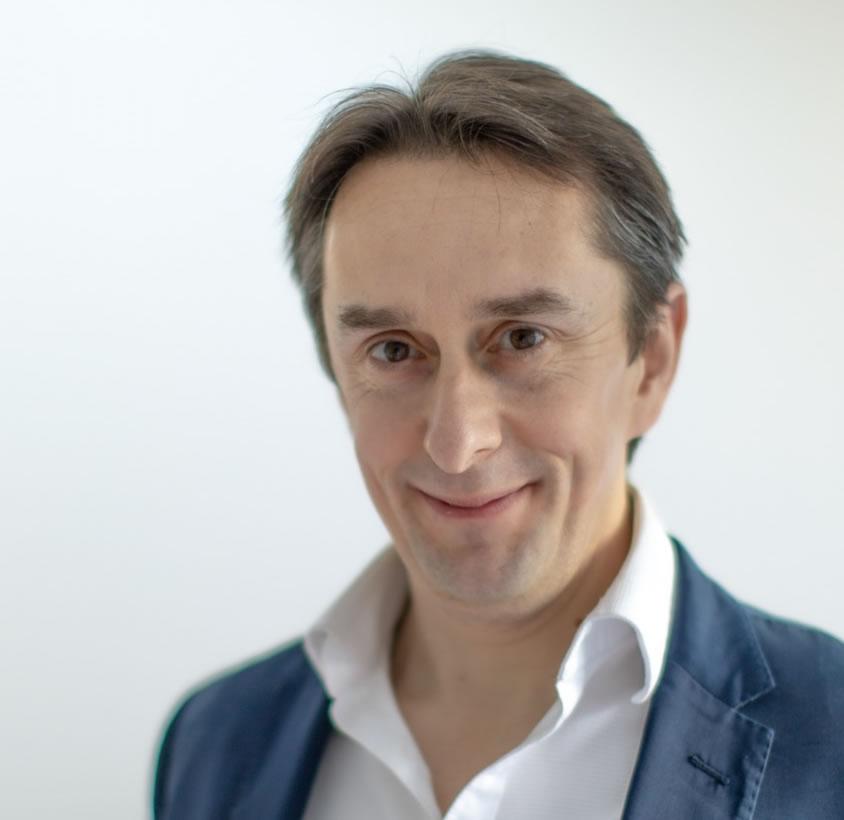
Omar Matar, CEO Quaisr, Vice Dean of Engineering and Professor of Multiphase Fluid Dynamics at Imperial College London.

Professor Omar Matar

Digital twins have been around for some time (in fact, the term ‘Digital Twin’ was coined in 2003 by Michael Grieves of Florida Institute of Technology) and are used in a variety of sectors, from manufacturing to energy to consumer goods. One way to define a digital twin, inspired by Arup, is a combination of computational models and a real-world system capable of monitoring, controlling, and optimising its functionality, of developing capacities for autonomy, and of learning from and reasoning about its environment through data and feedback, both simulated and real.

The ongoing trend towards digitalisation of just about every sector is driving massive acceleration in digital-twin adoption as new data streams become available to organisations. The digital-twin market is reportedly experiencing 100% growth year-on-year with some projecting that it will reach $48 billion in 2026, from just $3 billion in 2020.

Despite this growth, the full potential of digital twins has yet to be realised. With colleagues from Imperial College London and the Alan Turing Institute, I co-founded Quaisr to bring digital twins into the machine-learning age, allowing enhanced capabilities with applications spanning environmental monitoring to improving infrastructure resilience.

But what exactly are digital twins? You can think of a digital twin as a digital replica of a physical asset. An asset is instrumented with a variety of sensors which collect and feed information back to the individual or system controlling the asset, who can then action interventions based on this information.

In the most basic sense, digital twins work to integrate various sources of digital information about the asset and its environment to allow more efficient and predicative modifications and iterations on the physical world.

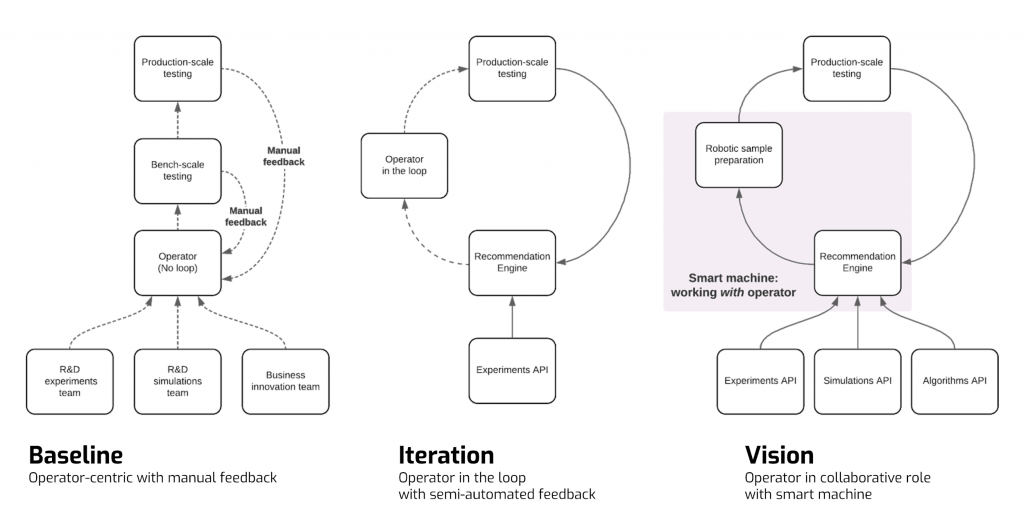
If you think about the baseline of how this happens, the data-integration and iteration journey revolve around the operator. For example, as shown graphically in the ‘Baseline’ image below, R&D teams that run experiments, simulations or other innovation projects feed data to a human operator, who then runs small-scale tests followed by production or pilot-scale testing. At each of these two stages (bench, production/pilot), there is manual feedback of asset data back to the operator to allow for iterative improvements.


Using existing technology, we can go one step beyond this as shown in the ‘Iteration’ image. Here, the operator stays in the loop but with a semi-automated feedback process. For example, you might have experiments automatically feeding data into a digital recommendation engine at one end, and the production scale tests doing the same at the other end, but with an operator in between deciding on whether or not to act on the intelligence provided.

But now imagine a situation where you have an operator interacting and collaborating with a smart machine, as shown in the ‘Vision’ image. This is what we are really driving towards with our approach to digital twins.

Here you have information from experiments, simulations and algorithms driving the recommendation engine, together with the information coming back from the production testing. Between these two sources of information in the loop you have a robotic operator or smart machine actioning the suggestions, collaborating closely with the human operator. This opens up many new opportunities in not just optimising physical assets but also understanding how they might behave in a given situation. If basic IoT streams allow you to understand the health of the asset, the ‘what now’, and the addition of machine learning unlocks future projections through ‘what next’ questions, Quaisr digital twins enable the ‘what if?’ type question. For example, you might want to know how your asset will behave if it is pushed outside of its comfort zone into a completely new operating space: to understand if it will be safe, secure and resilient.

The types of challenge that our digital twin components can address are broad; from helping to solve challenges such as environmental contamination detection, to production-line decision automation, to optimisation of offshore wind farm locations. We have projects completed, in progress or starting soon with major companies at the operational level.

Quaisr provides modular components for building digital twins, backed by a managed service. We help customers to create their own digital twins using in-house domain knowledge, reducing the problems of adapting and commissioning generic commercial-off-the-shelf (COTS) alternatives. Quaisr components empower citizen developers to build production tooling using internal company data streams and existing cloud-provider resources.

Our approach accelerates the journey to digitalisation by providing insight for design and prototyping, by bridging the gap between data and actionable intelligence to empower decision making.   Our approach also unlocks collaboration via a cross-team digitalisation standard. Importantly we prioritise interoperability with existing technologies in a company’s ecosystem, allowing the integration of often siloed legacy data with newer data streams and machine learning.

Digital twinning is a developing field, and so whilst there are several existing companies with capabilities in one or more of the underlying aspects such as data streaming or simulation, Quaisr is unique in taking a digital-twin-first approach, combining all of the elements to make the infrastructure for creating digital-twins.

With the rapid speed at which global digitalisation is taking place, and with the rapid improvements and deployment of machine learning and simulation, the next phase of bringing these factors together to realise increased capabilities and efficiencies will depend on digital twins. Quaisr is at the forefront of this revolution.

For more information on how we work with companies, please get in touch at omar@quaisr.io.

The role of industry in security and defence innovation

Adrian Holt is Head of Defence at Capita Consulting and a mentor to a range of start-ups. He is a retired Royal Air Force Officer having served for more than 24 years.

Capita is a consulting, digital services and software business, delivering innovative solutions and simplifying the connections between businesses and customers, governments and citizens. The company is one of our industry partners in the ISST Innovation Ecosystem.


The role of industry in the broad security and defence innovation ecosystem is a subject close to my heart. Throughout my career I’ve seen the good, the bad and the ugly when it comes to defence procurement, and I know that we can, and we must, do better.

The fact that over the past 10-15 years, something like a 25-year technology advantage in some areas had been squandered, suggests that the ugly has sometimes outweighed the good. I’m hoping that by encouraging this discussion as a community, we can identify the problems and find solutions.

So, what is the ‘bad’ or ‘ugly’, and what is the ‘ecosystem’?

I define the ecosystem as the sum of efforts of government, industry and start-ups contributing to defence and security, with academia playing an essential role feeding directly in to all three of these.

During my career in the RAF I was in the position of using, supporting or buying platforms, and as Stephen Covey said, “We see the world not as it is, but as we are”. So what does bad look like from my perspective? There are three points which I think were far from ideal:

  1. Highly complex and detailed project and capability plans which quickly become unmanageable.

Plans are of course essential, but in my career I have seen many become too complex, unmanageable, and unrealistic. This causes those in charge of delivering the plans to spend all of their time planning and not enough in delivering, so milestones inevitably get missed. I personally spent 18 months of a tour managing a plan that I knew was never going to get executed simply as it was too complicated and continually slipped because everyone was moving around trying to manage the plan rather than execute.

When the overly complex plans fail, we then end up in a situation where everyone is trying to hold everyone else accountable, whether that’s industry holding government to account or vice versa. It gets incredibly difficult adversarial and expensive to change anything, and we end up stuck with capability plans which are so long and enduring that the solutions are obsolete before even being delivered.

  1. Competition rules and commercial processes which allow the big players to catch-up at the expense of first mover innovators.

The glacial pace of procurement in defence means that a start-up that has an innovation on the shelf can be overtaken by industry primes in the time it takes to complete the commercial cycle. The primes can use the time to create an offer from scratch. Then their size, structure and experience allows them to navigate the bureaucracy and finance systems of the customer more efficiently, whereas start-ups often just don’t have the capacity for this.

  1. Barriers to design thinking.

Whilst this is not as obvious as the first two problems, this one I think is very important. Sometimes, industry tries to keep itself in between the start-up solution provider and the government client, probably to keep an eye on potential profit opportunities or increases in scope. I have personally seen this leave one start-up badly damaged when they were unable to fix delivery client problems due to them being contractually bound to only conduct work dictated by the prime.  This reduced quality, increased cost reduced trust and irrevocably tarnished the start-up’s reputation.

A more beneficial relationship would be for the start-up and the end user to be working closely together at the front line, where the problem exists. It would be a much healthier relationship and would have benefited all parties in the long term.

Erosion of trust

Where these problems occur, they seem to arise from an erosion of trust which then necessitates bureaucratic and adversarial conditions in the complex and expensive procurement process. This isn’t the optimum situation for any party, but I’d argue that the start-ups and the people on the front line pay the largest price.

So what can we do about this?

I have seen some great examples of how we can overcome these challenges from my experience working with the jHub which I helped establish in late 2017.

The jHUb was the initiative of General Sir Christopher Deverell, created to help the then Joint Forces Command become more ambidextrous, that is able to explore new opportunities whilst simultaneously benefiting from the investments it had already made.

It was a radical departure from what I’d seen in a nearly quarter of a century through my career.  A key objective of this was to become a better partner for start-ups. The idea was to help them understand how to work with government, to help government understand them and to help both parties over some of the hurdles.

jHUbs value proposition is to connect world-class technology and talent to users in the defence sector. They do this by funding and accelerating pilots, with successful ideas getting access to an innovation committee who can make strategic investment decisions. It reduces a lot of the burden from early-stage innovators.

But beyond this we tried to build a system to actively encourage early-stage businesses to work with Defence, by showing that we’d not only reduced the burden, but that we also understood the problems they’d face.

We didn’t get everything right but we did make a difference. Through a network of partners we managed to deliver 18 projects in our first 18 months, which was unheard of in traditional defence timelines.

New challenges and solutions

That being said, I still lost a number of deals with promising start-ups because they simply weren’t able to engage with government traditional procurement processes which are paperwork heavy, long and drawn out. New challenges emerged like how to help them over regulatory hurdles such as explosives handling, helping them through security clearance and getting them access to X listed facilities. Business support was also important; many start-ups don’t have the business experience to get themselves into shape to do business with entities of the scale and complexity of government.

So how do we fix the remainder? I personally think industry is front and centre in this.

First, we need to help start-ups navigate the Valley of Death by providing services that they find genuinely useful, such as business support, or resources to help them scale for when they do land a contract with government. We can provide them facilities or spaces in the right places, such as access to X-listed facilities if needed. We can help them in getting security clearance so that they can expand the types of contracts they can accept. We can provide them with connections to help them make more compelling offers on tenders.

We’re all in this together

Most importantly, we need to see that our fortunes are inextricably linked and recognise this in the agreements we make.  We need to move towards mutually beneficial contracts between government, big business and start-ups and aim for win-win outcomes. It is no good if one party signs a contract which is financially beneficial for them in the short term at everyone else’s cost. It simply adds to the erosion of trust.

We also need to take more risk against the contracts we sign and be more agile in their delivery. We need to avoid adversarial adherence to unrealistic schedules.

We can consider leaving holes in our contracts so that either SMEs or Forces personnel can move into those spaces and they’re not so reliant on Primes. And if necessary, we should sometimes look to take the hit on margins to enable a deal to get done.

My hypothesis is that if we do all these things then we will gain mutual and collective benefit through the return business we get, and from the trust we’ve developed with the government and with start-ups.

Finally, we need to aim for genuine collaboration. I can’t think of a better example of that than the ISST Innovation Ecosystem. In a fast-moving world, it will be exceedingly rare to find the answer inside the room, and so new spaces and forums are needed. Even when we own the technology our clients need, we might be better off partnering with others to deliver it in the most beneficial way. And it’s through organisations like the ISST that we can enable this to happen.

Expert panel shines light on key space safety and security issues

The Institute for Security Science and Technology recently ran an online briefing event with Imperial SpaceLab and ISPL around space safety and security.

The discussion highlighted the complexity of issues around space commercialisation and governance, and touched on international relations, politics and science.

We posed a few questions to three members of the expert panel to share their thoughts on some of the main discussion threads which came up.

The panel included Dr Jonathan Eastwood (Imperial College London), Nick Howes (BMT) and Rich Laing (Nato Communications and Information Agency).


Dr Jonathan Eastwood, Senior Lecturer and Director of Imperial SpaceLab

“The area of space safety and security cuts across an enormous variety of sectors and interests. There is a real need for everyone to work together, and to bring different entities and institutions to the table so that the best solutions can be found.”


How important do you see national risk registers in driving policy around space safety and security?

The National Risk Register plays a really important role in crystallising understanding of different potential threats, and providing a central statement of the need to address them. In the case of space weather for example, its introduction into the Register was of key importance because it galvanised a number of separate communities to come together to address the problem. As a result, the UK is arguably world-leading in a number of areas relating to space weather preparedness, and is much more joined up (particularly between academia, industry and government) than it otherwise would have been.

What do you think the key developing issues policy makers should have in their minds regarding space safety and security, for informing their jobs?

On one level, I think it’s very important that policy in this area is evidence-based, and also scientifically based: operations in space are subject to the laws of physics! This means a good understanding of the physical environment, its properties, and then how human and robotic activities are affected are all crucial. At a second level, from my own research area it’s important to recognise that space isn’t ‘empty’, and that there are all sorts of effects – space weather – that can affect our modern technological society both in space and on the ground.

What do you see as the role of academia in helping to develop the UK’s space safety and security capabilities?

The area of space safety and security cuts across an enormous variety of sectors and interests. There is a real need for everyone to work together, and to bring different entities and institutions to the table so that the best solutions can be found. I hope that the academic sector can facilitate this, particularly in providing objective, evidence-based input to the formulation of space policy and law. Academia also has a key role to play in helping policy makers, who may not have a technical background, to understand these issues.


Nick Howes, Lead R&D Space Systems, BMT

“The threat to our defence and critical national and international infrastructure from a Kessler scale event, cannot be overstated.”


Are we doomed to repeat the same dynamics in international governance of space as we have with land and s

The key issue is that the mega constellations appear to be launching with almost impunity. Licences from the FCC being almost granted like water. The threat to our defence and critical national and international infrastructure from a Kessler scale event, cannot be overstated. Therefore, it appears we are, and the United Nations really need to step in, before it is too late.

How do mega-constellations impact planetary defence surveys and other issues of global collaboration?

Wide field telescope surveys from the like of LSST and the large binocular survey rely on their ability using automated data reduction pipelines to observe and track comets and asteroids for both science, and as potential threats. Putting upwards of 50,000 satellites in the way, even at magnitude 8 (these scopes can hit magnitude 24 easily), will make that job more difficult. The impact on radio astronomy will be nothing short of catastrophic

Are there any specific issues of space related safety and security regarding Brexit?

The major issue with Brexit is the isolation of the UK, and the brain drain in academia and science we are already seeing.

What do you see as the role of academia and industry in helping to develop the UK’s space safety/security capabilities?

Academia and industry need to ensure that the future for scientific exploration is there. Teams like the SSLC have been attempting to assist and inform government with respect to the regulations. We can only hope they listen


Richard Laing, Senior Scientist, Nato Communications and Information Agency

“Current structures for governance are predominantly based upon Westphalian concepts of state, and would need to adapt to embrace multinationals and commercial entities [in space].”


Are we doomed to repeat the same dynamics in international governance of space as we have with land and sea?

The potential of space means that nations, multinationals and the commercial sector have a keen interest in operating within the global commons of space.  As these interested parties have self-interests that are inevitably going to conflict, the need for accepted norms of behaviour is key, and establishing a form of governance will have to be closely associated.  Agreeing the behaviours for a “responsible actor” in space, will also inevitably need some form of mechanism for cautioning and “punishing” those who break those behaviours.

Current structures for governance are predominantly based upon Westphalian concepts of state, and would need to adapt to embrace multinationals and commercial entities.  Without an effective method for establishing norms of behaviour and governing activity, the first mover advantage will lie with those prepared to take the highest risk (physical, political, or reputational) at the expense of other actors.

What do you think the key developing issues policy makers should have in their minds regarding space safety and  security, for informing their jobs?

An effective understanding of threat needs to embrace threats from all angles; natural, nefarious and accidental. To achieve this understanding of the environment, the need to share data and work in collaboration with other actors is key, linking to the previous point on the need for a structure to establish behaviours and offer a communication forum.

The potential for accidental or irresponsible actions to be misconstrued as nefarious could lead to strategic repercussions; safety and security in space is based on an understanding of the operational environment, and the motivations of other space actors.  Grey Zone activity, that level of conflict that exists between war and peace and has become increasingly predominant, will inevitably reach into space; understanding where and when this may happen is vital for attributing blame for safety/security events.

Introducing BMT – the latest partner to join the ISST Innovation Ecosystem

Earlier this year we welcomed BMT as the latest industry partner in the ISST Innovation Ecosystem.

BMT is an international design, engineering, technology and risk management consultancy . With a broad and deep range of expertise, BMT operates across multiple markets including Shipping, Defence, Security, Environment and Infrastructure.

Max Swinscow-Hall recently caught up with Alan Hodgson – Security, Policing and Justice Lead at BMT – to learn more about what they offer and how they are planning to get involved with the ecosystem.


What is BMT’s mission and how do you achieve this?

Our mission is to provide clarity from complexity; working with our customers to turn their complex projects into clear thinking and groundbreaking solutions.

We achieve this by providing independent technical expertise and consultancy. We offer Defence and Security Acquisition and Customer Friend support, Maritime Design and Consultancy, Asset Monitoring and Sustainment, Environmental and Climate Solutions to our global customer base.

Our specific areas of expertise within Security and Technology include:

  • Agile Software Design and Delivery
  • Advanced Data Analytics and Insight
  • Artificial Intelligence and Machine Learning
  • Cyber Security Services
  • Digital and Business Transformation
  • Change Management
  • Strategic Delivery Partnerships


Who does BMT typically work with and how can academia engage with BMT

BMT works with a range of defence customers — such as the UK Ministry of Defence, Dstl, Defence Digital, the Front Line Commands and industry suppliers  — and security customers including the Metropolitan Police Service, Counter Terrorism Policing HQ, National Crime Agency, Home Office (including the Accelerated Capability Environment) and the Ministry of Justice.

BMT has a strong and diverse academic engagement portfolio across the UK. We do not limit ourselves to a small number of institutions but instead strive to create networks across academia linking together the best individuals and centres of excellence. This is one of the reasons we were so keen to join the Imperial Institute for Security Science and Technology; their expertise in both defence and security is something that sets them apart.

We have found recently that our defence and security customers increasingly value the academic viewpoint and perspective when completing exploratory or innovative projects. We are always keen to work with academia both on structured course-based research programmes and through collaborative project work.


What projects have you been involved with recently?

We’re proud to have provided the Metropolitan Police Service (MPS) with essential management consultancy services since 2016; we’ve become the Met’s trusted advisor for their transformation portfolio, a £1bn capital investment that delivers £450m-£650m in operational savings each year to ensure that the Met continues to be the world’s leading police force and that London is the safest global city.

An important example of these efforts is “One Met Model 2020” – a major initiative to equip officers with the skills, tools and approach to police London effectively in the digital age. It’s a substantial, long-term change designed to introduce more efficient ways of working to deliver a better service to the public. However, the Met faced a challenge in that they lacked sufficiently qualified and experienced managers to run the necessary programmes and projects.

In order to help them meet that challenge, we provided Programme Managers, Project Managers and Senior Project Managers operating at senior levels of the organisation to deliver projects. Our consultants also worked closely with existing MPS programme managers to coach and train them, improving their capabilities and ensuring consistent standards across the service.

By developing and delivering business cases, introducing project artefacts to improve management, leading the delivery of effective dependency management and providing much-needed leadership to complex projects and programmes, our work has been instrumental in helping the MPS to successfully deliver this major transformation.

We have successfully worked on other novel and complex change programmes across multiple domains. As a business we have benefitted hugely from experience delivering large scale, complex security programmes and we have supported a range of Security, Intelligence and Law Enforcement Agencies.


How have you seen COVID-19 impacting the security and defence?

Even before COVID-19, the defence, security and policing landscape was complex but also constantly changing with budgets being stretched. All services are having to become more resilient, responsive and agile. An increasing dependency on data and digital technologies is at the heart of ongoing reform and modernisation. COVID has helped to accelerate this change but also poses a range of future budgetary risks and uncertainties.

Like many other government departments, the defence and security sector is becoming  more effective and more efficient by transforming support services, reducing estate costs, reducing management overheads, increasing frontline productivity, replacing core systems, removing unnecessary bureaucracy and developing new capabilities to meet emerging demands.

Our recent Focus magazine on the topic of Digital Transformation goes into more detail about these changes and what organisations can do, in practice, to respond to this – turning the buzz word of “Digital Transformation” into actionable steps as part of a 10 step process.


As we move towards an increased reliance on digital platforms, a range of broader cyber security risks are also raised. How is BMT working to reduce this cyber security threat?

We recognise the vital importance of cyber security, especially in the current COVID-19 world where we have seen a rise the number and frequency of attacks. To help our customers counter this threat and mitigate their risks, we have a dedicated cyber security consulting team here at BMT.

Our blended team of cyber security experts, data scientists and software developers help organisations reduce risks and improve resilience by developing their capacity to identify threats, protect assets and detect cyber events.

  1. Identify – We work with our customers to help them identify security and information risks. We offer business–driven advice on how they can best manage and mitigate these risks throughout the project life cycle.
  2. Protect – We help our customers protect their critical assets by transforming their cyber security. Our consulting services and cyber solutions reduce the impact of possible cyber security threats by using best practices for data protection and security.
  3. Detect – Our cyber security consultants apply their expertise in machine learning, data science, data modelling and analytics to help our clients detect known and unknown cyber events.

The cyber threat is constantly evolving and maturing and therefore so must the security solutions. We are always looking for new ways to tackle current and future cyber threats and so are keen to work with academia to explore potential solutions.


What attracted you to joining the Ecosystem and how do you see BMT playing a part?

The ecosystem has already got a brilliant reputation for bringing together the golden triangle of industry, academia and government in one forum to talk about disruptive technologies and turn ideas for change into reality.

We are very keen to play an active role in the ecosystem and hope that we will have a chance to contribute thought leadership and work together in a range of joint research projects. We are especially excited to hear about the ISST-organised conferences and hope to use this as a chance to talk about our internal research programmes. We are also hopeful that through membership of the ecosystem it will bring us closer to the students at Imperial College London, using this engagement as part of our continuous search for new talent.

Jo Symons from DASA talks about innovation and DASA’s successes


The UK’s Defence and Security Accelerator (DASA) opened a hub in the I-HUB building on Imperial’s White City campus back in July of 2018.  Since then, the presence of security and defence organisations at the I-HUB has continued to grow with the expanding ISST Innovation Ecosystem.

ISST Special Projects Manager, Zarine Khurshid, caught up with Jo Symons who joined DASA early 2020, to give Jo the opportunity to introduce herself and talk more about innovation in security and defence, and DASA’s successes to date.


What led you to join DASA?

I joined DASA at the end of February but it feels as if my career to date has been leading to this role.

I joined the civil service straight after completing my degree in Manufacturing Engineering at Birmingham University and one of my first roles was as a technical assessor for a Government scheme which gave small companies grants for research and technology projects.

That whetted my appetite for supporting innovators, which has continued throughout my career. My fascination for how innovators and small and medium-sized enterprises (SMEs) grow continued, and I was very lucky to be able to undertake an Executive MBA at Imperial College London.

My MBA project investigated the differences between angel finance in Cambridge and Silicon Valley just before the dot.com bubble burst. I went on to lead a review which resulted in the creation of what is now Innovate UK. Working with the Business Department’s Chief Entrepreneurial Adviser we undertook a review of entrepreneurship in the UK and alongside this I researched the rapidly developing accelerator and incubator market in this country.

I am so pleased to be working at DASA – an exciting, young organisation that is trying to do things differently in very challenging and important sectors.  As a former student I’m delighted I’ll be able to support Imperial College London’s work to develop the Defence and Security Cluster at the White City campus.


What is your role at DASA?

My role is Head of the Partnerships and Impact Team; the aim is to increase the number of innovations funded through DASA that progress through the development journey and turn them into capability that is in the hands of the Armed Forces and security services. We recognise that developing the technology is only one part of progressing ideas through to delivery and that an SME needs a range of support to enable it to grow and secure customers. We do this by:

  • working in partnership with the Armed Forces and other Government agencies to understand their problems so we can tailor our competitions to solve them and encourage the customer to pull through the ideas
  • acting as a smart broker to provide access to mentoring and finance support for SMEs
  • working in partnership with Imperial College to support the development of the Defence and Security Cluster
  • facilitating interaction between SMEs and large industry to encourage collaboration.


What is DASA’s role?

DASA’s role is to find and fund exploitable innovation to support UK defence and security quickly and effectively, and support UK prosperity. We have a team of Innovation partners located geographically who find innovators, entrepreneurs and people with ideas. We are interested in any science, technology or service at any stage, from anywhere and anyone. Our competitive process brings experts together to rigorously assess these ideas so we fund only the best and help these ideas accelerate their development. Once funded my team helps the idea progress further towards adoption and integration.


Why is innovation so important in security and defence?

It is not just important for defence and security to innovate, it’s absolutely crucial for our national security. The threats the UK faces at home and abroad from our adversaries have intensified in scale, diversity and complexity.

We’re witnessing the resurgence of state-based threats and increasing competition, the undermining and destabilising of the international rules based order, the rise in cyber-attacks, and the wider impact of technological developments which are enabling non-state actors such as terrorist and organised crime groups to have capabilities that previously only states had.

To counter these, we have to retain our strategic and technological advantage. The only way we can achieve that is to be innovative.

What role should government have in the security/defence innovation pathway?

The challenge is to stay ahead of our adversaries and increase our agility to adapt and evolve in the face of evolving threats at unprecedented speed. The Government has a fundamental role in using every lever we have as a nation to achieve this – bringing to bear the widest possible range of capabilities, including defence, diplomatic, economic and so on.

DASA is playing a pivotal role in fast-tracking great ideas and innovative solutions from the private and public sector to some of our most pressing defence and national security challenges.


What are the standout successes from DASA to date?

A great example of how DASA is delivering innovation quickly is the crowd safety app, The Krowd. After the Manchester Arena and London Bridge terror attacks in 2017, DASA launched a competition funded by the Home Office to fund crowd safety technology.

The Krowd was one of the projects that received funding and it allows the public to speak directly with security teams at venues, stadiums, transport hubs and shopping centres if they spot suspicious activity.

The app is already in use at the Broadgate Quarter in London and the Exeter Guildhall Shopping Centre.

Other standout successes include our work with the Defence Science and Technology Laboratory (Dstl) to accelerate the development of autonomous ground resupply vehicles for the Armed Forces. Our early work has led to two contracts worth around £5m for the companies we worked with to trial their innovations with the British Army – due to start this year.

And our Access to Mentoring and Finance service has really taken off in the past year, hosting an Investment Showcase and attracting a wide range of investors which in turn has sparked relationships between the investor community and some of our most promising SMEs. Off the back of some of the training provided by DASA, Kinsetsu, a Northern Ireland-based SME, has grown its turnover to an impressive £1.25m and are now much better prepared to start their journey to investment in 2021.  The company specialise in innovative tracking software that can account for and track personnel or assets – giving a real-time view of missing people or items.

After DASA funding of £125,000 it has been trialled with Royal Navy on HMS Bristol. This work has led to a commercialisation opportunity with the Royal Navy contracting the company to conduct further trials on HMS Prince of Wales aircraft carrier to start this year. The devices have multiple security uses such as energy and nuclear sites, prisons, hospitals and blue light services, potentially saving thousands of human hours on paper-based manual checks with improved accuracy. The company have successfully commercialised the innovation with the NHS, and gone onto successfully win new Government funding.

The firm’s managing director Jackie Crooks says: “DASA has been invaluable in raising our profile and enabling access to the defence and security sector which we could never have achieved on our own. Mentoring underlined the importance of continuing to innovate, even in an economic downturn, and in May 2020 we were delighted to receive £50,000 from the UK Government’s Fast Start Competition to deliver contact tracing to protect community care teams supporting the elderly and vulnerable against Covid-19.”


How does White City fit into DASA’s objectives?

Innovation flourishes through collaboration and a wide range of voices and perspectives. The Defence and Security Cluster at White City creates the conditions for successful collaboration because it brings together industry, SMEs, academia and Government and enables opportunities to be accelerated through partnership working. It will foster a culture of innovation delivery at pace across defence and national security.

Having a physical presence at White City enables DASA to be accessible and part of the developing innovation ecosystem there.


What do you hope to build with the White City ecosystem?

A thriving environment that creates the conditions for collaboration between SMES, large industry, government and academia. Personally, I would like to see some of the SMEs that DASA has funded grow and secure customers and partners for their onward journey. Ultimately, we would like to see new innovations become adopted and integrated into use with our Armed Forces and security services and agencies.


Sailing into the Coronavirus Storm Together. A captain’s advice for the rough seas ahead.

This article was originally published online by the U.S. Naval Institute, and featured in the March 2020 issue of their journal Proceedings.

Captain Brasseur has over 20 years leadership experience in the U.S. Navy, including command of the USS Whirlwind (PC-11) at the age of 30 in the Arabian Gulf in support of Operation Iraqi Freedom. He is currently serving in the Armament Cooperation Directorate at the U.S. Mission to NATO. The views presented here are his own, and not that of the U.S. Navy or U.S. Mission to NATO.

The ISST is collaborating with NATO and the NATO MUSIC^2 programme via the White City Ecosystem.

By Captain Michael D. Brasseur, U.S. Navy

The coronavirus is causing death, panic, and chaos the world over. It will likely get worse before it gets better, but it is a temporary condition. In the end, we will defeat this devastating virus. As a naval officer and former captain of a warship, I have learned a lot about how people in difficult situations, facing uncertainty, can overcome significant challenges.

In many ways, a warship is a floating society, complete with all the human drama that comes with combining men and women from all over the country, sending them to sea and charging them to work together to accomplish the mission on behalf of their nation. While there is certainly no comparison between the scale of commanding a warship and leading a fight against a global pandemic, it has become clear over the last week that we—the human race—are literally all in the same boat in the fight against COVID-19. In this fight, our mission is clear: Win.

In these challenging times, leadership will be key to turning the tide of the battle against this virus, an enemy that, for now, seems undefeated.

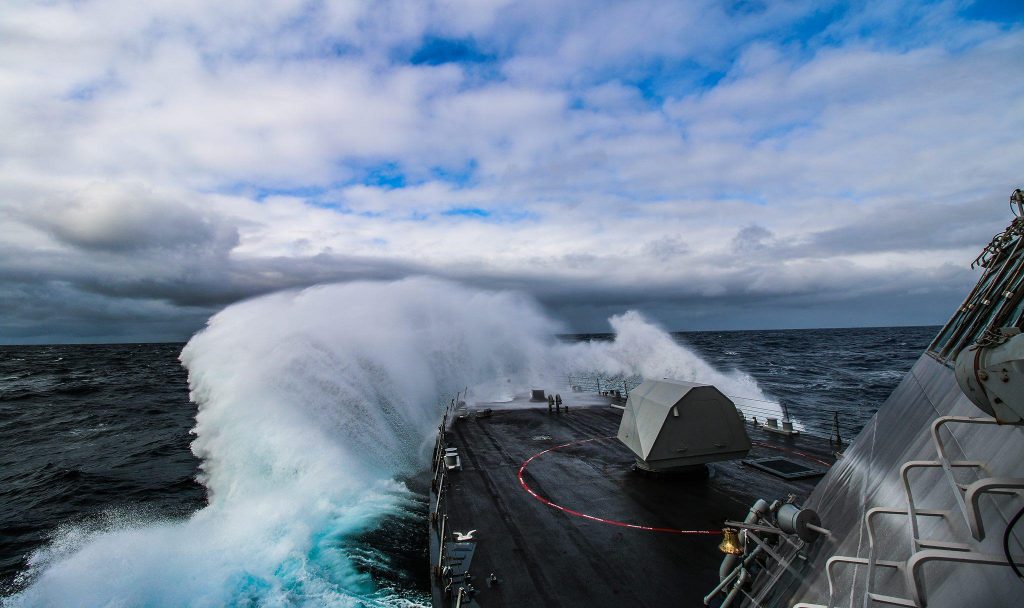
As the captain of USS Fort Worth (LCS-3), I commanded one of the Navy’s newest, fastest, and most technologically advanced warships. I focused on three things above everything else: Vision, Values, and Culture. A few years ago, I shared our experiences in Build a Winning Team, highlighting how our focus ultimately led to one of the best winning streaks in the young history of our new class of warship.

These lessons, transplanted from the quarterdeck to quarantine, could be valuable to anyone fighting against the pandemic.

VISION

Where there is no vision, the people perish. – Proverbs 29:18 

As captain of Fort Worth, I went to great lengths to paint a vivid picture of our ship’s future. At every opportunity, I would describe in detail what victory looked like for us at each stage of our operations: inspections and maintenance, training, exercises, and ultimately mission accomplishment.

In the fight against COVID-19, there is currently fear, a lack of a unified global vision, and a pointless blame game playing out on the news, online, and in politics. Leaders must articulate a clear vision for our “crew” (our families, co-workers, and friends), one that inspires hope and mobilizes the planet. I envision a post-pandemic world that is closer and more interconnected as a result of us having embraced this fight together.

Think well to the end, consider the end first. Leonardo Da Vinci

This is my favorite quote. It’s what separates visionary leaders from merely good leaders. It is one thing to paint an inspirational vision, it is quite another to make that vision a reality. This requires that we do as Da Vinci suggests—think through problems all the way to the end and then work backwards to achieve those ends. Each action we take must be toward accomplishing that end. Leaders of every nation need to do some detailed voyage planning in cross-functional, cross-border teams, and chart the course ahead.

VALUES 

As captain of Fort Worth, I knew that to achieve our mission we would need to be physically, mentally, and emotionally strong, and we would require a deep level of mutual trust unrivaled in the fleet. We invested a lot of time building strength and trust, our core values. Those same values are even more important in this fight.

Strength 

We need to be strong in body and understand this will be a long fight. Take time to stay fit; if you are not fit, get fit now. Keep it simple. Eat well. Stop eating processed foods and put clean, whole food in your body. Eat lots of fruits and vegetables. Exercise. If you haven’t exercised before, start now. Do a few push-ups, sit-ups, yoga, and walk. Start small and build up. Do a little every day. Make it a habit at a set time every day. You can do a lot in your house. It’s also great to get outdoors—just maintain safe distances from others.

We need to be strong in mind. The fight against COVID-19 is ultimately an intellectual challenge. We will find a solution soon, but we need the brightest minds in the world focused on solving this problem, and they need the best tools at their disposal. I was recently in Silicon Valley visiting a quantum computing company, and I saw how capabilities to process information, model simulations, and propose solutions are light years beyond what was available the last time a pandemic ravaged the planet.

We need to be strong in soul. It does not matter what your religious faith is. The virus does not care. But what matters is that we all realize that the challenge ahead is big, and that it will tax us all down to our souls, to the core of what we each believe. I believe this test is an opportunity to strengthen our souls and find our inner peace.

Trust

On the USS Fort Worth, I sought to connect with my team on a deep, personal level. I encouraged strong bonds across all levels for two reasons: (1) As captain, I could not be in all places at all times, and (2) when a crew develops deep bonds, they will do anything to avoid letting their shipmates down.

To be successful in this coronavirus fight, we will need to build a deep level of trust among ourselves and in our institutions. Building trust starts with open and honest communication, but the greatest gains in trust are earned through deeds, not words. Building trust takes time. Losing trust can happen in an instance. The quickest way to lose the trust of your shipmate is to not do what you said you would do.

CULTURE

Culture eats strategy for breakfast. – Peter Drucker

As legendary thought leader Peter Drucker suggests, culture is the most critical element in building a winning team.

The culture we built on the Fort Worth can serve as a model for this fight. We created a culture that reflected our values and supported mission accomplishment. Winning was important to us and we were willing to work hard to get the win. Along the way, I wanted us also to be happy and humble.

Hard Working

Serving on a minimally manned ship challenges the crew: the work is hard, there is little personnel redundancy, everyone must be an expert in another’s job, and there is more than enough work to overwhelm the team. Some crews make the mistake of falling into a “woe is me” mindset, which ultimately leads to a victim mentality, low morale, and even lower performance. I never apologized for the amount of work we had to do, and I always reminded my team we were lucky to wear “U.S. Navy” on our chest and to go to sea in our warship.

We have much work ahead in this fight. Our healthcare professionals are leading the charge, demonstrating an unrelenting work ethic. You will not see them feeling sorry for themselves—they don’t have time. But they cannot do it on their own, and the rest of us need to grab an oar and pull to do our part. It is going to be hard, but the work can be the reward: the feeling of doing something very important when your neighbors need you most.

Happy

Never underestimate how important humor is to mission accomplishment. Even in the tensest circumstances, my crew knew they had the freedom to have some fun. Once they started playing practical jokes on me, I knew we had achieved our objective of creating a happy culture.

For those of you making memes, please don’t stop. A good laugh can lighten the darkest situation and turn someone’s day around. My favorite coronavirus meme is the one of a husband asked to choose between two options for quarantine: a) quarantine with your wife and children, or b), and before the announcer could even describe what “b” is, the husband emphatically chooses “B!” Never underestimate how important it is to laugh and be happy. According to the 2013 World Happiness Report, “Happy people demonstrate better cognition and attention, take better care of themselves, and are better friends, colleagues, neighbors, spouses, parents and citizens.”  In this fight, we will need all of the above.

Humble

Pride goes before the fall, and nothing can humble a captain like a warship. While winning was very important to us on board the Fort Worth, I was quick to remind my team that our work had to speak for itself, so it was pointless, even counter-productive, to be boastful.

Now is not the time for national pride or personal arrogance to get in the way of potential resolutions to this crisis. We all need to humble ourselves. In this fight, ideas matter above all else, not whose ideas they are or where they come from. I am reminded of an African Proverb I have written on the whiteboard in my office at the U.S. Mission to NATO: If you want to go fast, go alone. If you want to go far, go together. Today, we need to go far, fast. Ideas must take priority over pride. This is a time for unprecedented, unrestricted collaboration.

Final Thoughts – Winning

On Fort Worth I wanted to win, and I wanted a team of winners. “Hardworking, happy, and humble” meant nothing if we did not have victories to match. We had a simple rule: Celebrate the wins and learn from the losses. Moreover, we never shied away from losses, instead we used them to give life to our ship’s motto: “Just as iron sharpens iron, so too does one warrior sharpen another.”

We will win this coronavirus fight—together. We are up to the challenge and we will be a better “crew” because of it. The end state is a global crew that is healthy and more connected than ever before having sailed through this storm together. If we all work together, I predict this storm will abate soon. After years of sailing the magnificent oceans, captains develop a sixth sense for when a storm will pass, and we know on the other side the seas lie down quite beautifully.