I’ve finally finally finally finished my last lab report!
Labs this year have not been fun, which is a shame because last year I actually enjoyed them, and felt like I was improving and learning things. Not so much this year.
Oh well—I’ve filled out a very angry feedback form, so with any luck the structure of third year labs might change in the future. And they’re over now! Onwards to Easter, chocolate and revision.
This year I’m feeling a lot calmer about exams in general—not because I feel any more prepared (!) but because revision over Easter is something I’ve been doing for the past five years and is now the most routine of routines. I think I’ll find it more strange after next year with no exams to come in the summer, though I expect it won’t be too hard to adapt!
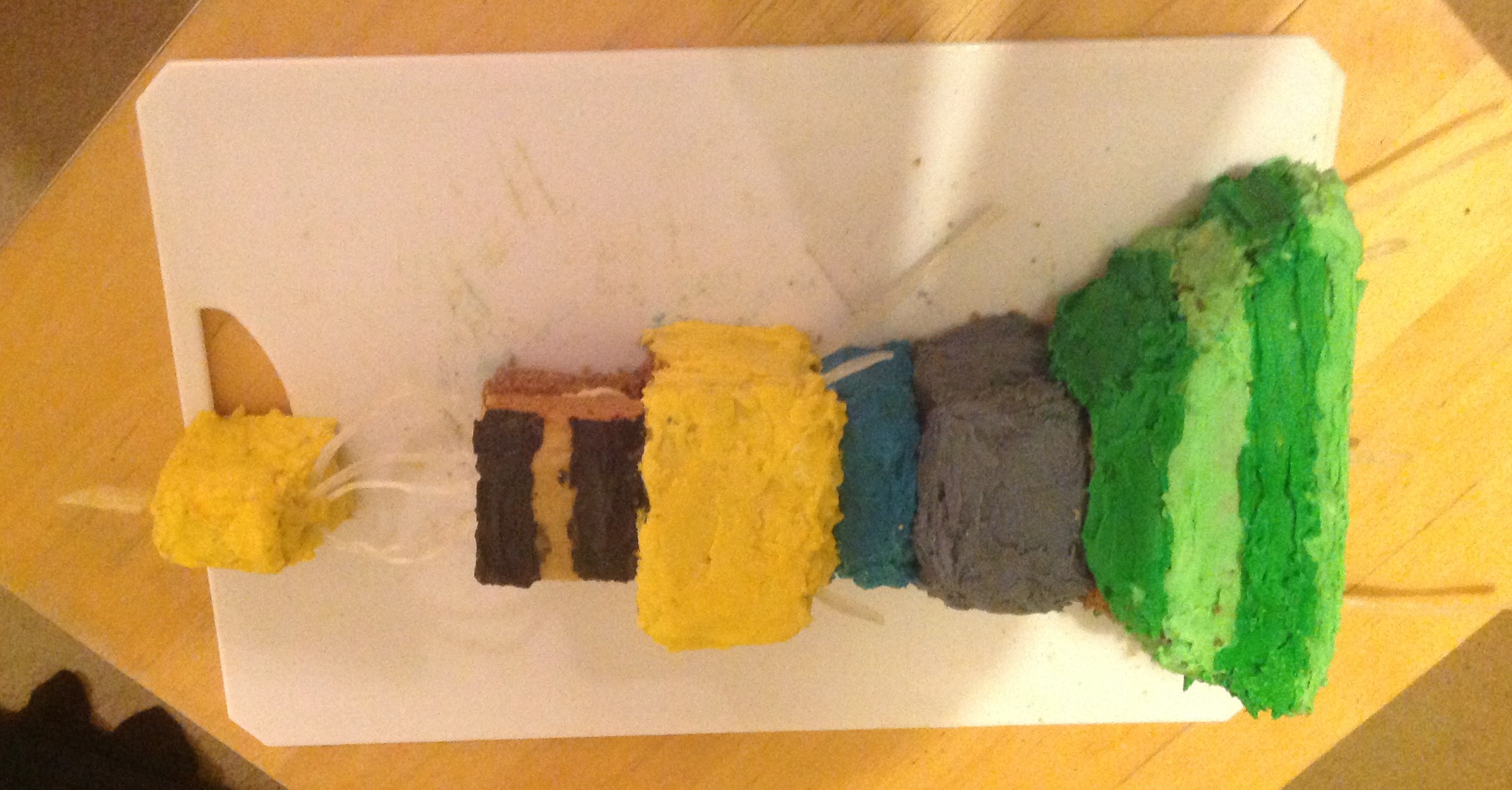
In the last week of term I made a cake of the LHCb detector, which I thought might coincide with the re-booting of the LHC, but unfortunately as you’ve probably heard they are having some technical problems. The cake was tasty anyway.
Imperial are very involved with the LHCb detector. It’s not what you might think of as the archetypal spherical LHC detector—instead it’s sort of stack of cuboid shaped things. (If you want to find out what each of the cuboid shaped things does, this link might help!)
The b in LHCb stands for beauty—because what you might know of as a bottom quark is sometimes also called a beauty quark (the top quark can also be called the truth quark, making the pair of them truth and beauty). The LHCb detector studies b and anti-b quark decays, in an attempt to find out why there isn’t that much anti-matter around today.
I made the tracks of the particles out of spun sugar. In fact, in the spirit of the food based Masters projects I have applied to, I tried to make them out of edible optical fibres, so I could shine light through them and the light would end up where the particle deposited its energy in the detector, but I couldn’t quite get them clear enough for this to work. I’ll have to try again with liquid glucose, which is apparently a better method.
The solar eclipse in London was also a bit of a non-event—we have a solar eclipse party planned on the roof of Blackett with telescopes and food and everything, but the clouds made it impossible to see anything, which was a shame.
The CubeSat naming competition I posted about from a few weeks ago is going well! I have a shortlist of the names given in, but we are going to get people to vote on them at the Imperial Festival in May. The CubeSat project is also coming along well—the mechanism that turns and rotates the satellite is almost finished and seems to be working really well. Fingers crossed, we should be approaching ESA this summer! Pretty exciting stuff.
I know, I know, it’s been a while but I have just been swamped under a mountain of work this month. It seems like, the closer we get to the Easter Break, the assignments just multiply by ten. After submitting my lab report, Business project and finally completing the rig building assessment on Friday I can finally say: I’M DONE!!
It has been a gruelling month, but as every lecturer completed their final lecture of the course I started to feel nostalgic for some unknown reason. I mean, it’s not like the year is over yet, plus I am still going to the revision lectures after the break. I think it’s just the fact that this academic year is drawing to an end and I have to say it has been one of the most challenging, liberating, mind opening, fun experiences of my life this far. I don’t know what I am going to do by the time we get to the fourth year and it really is all over-assuming that I’ll make it to that stage of course!
I don’t want to go on about my nostalgia, it’s not particularly interesting. I wanted to write a little summary of the things that have been going on this month at the college and around England in general. Please be patient; it’s a long list. So, without further ado, let’s get started.
Malaysian Night
This is perhaps one of the most anticipated events of the year. The Malaysian Society puts on an extraordinary show, which includes a play, dances (both western and traditional) and singing. The performers are mostly, if not all, freshers while the seniors do most of the backstage work like choreographing, producing, writing the script etc. To give you an idea of the magnitude of this event, the performers started working on the project way back in October.
Despite technical difficulties that led to cancelling the Saturday show, they brought their A game on Sunday’s show. All their hard work really paid off; it was absolutely amazing to watch the traditional dances and grain a greater insight to their culture.
The media had been going on and on about one of the biggest solar eclipses (more than 90% sun coverage) in quite a while, building a sense of overwhelming anticipation by the time Friday, 20th March, arrived everybody was expecting to witness a spectacular phenomenon. And this being Imperial, it meant that lecturers were just as eager, if not more, than the students and so we stopped half way through the lecture so we could watch the eclipse.
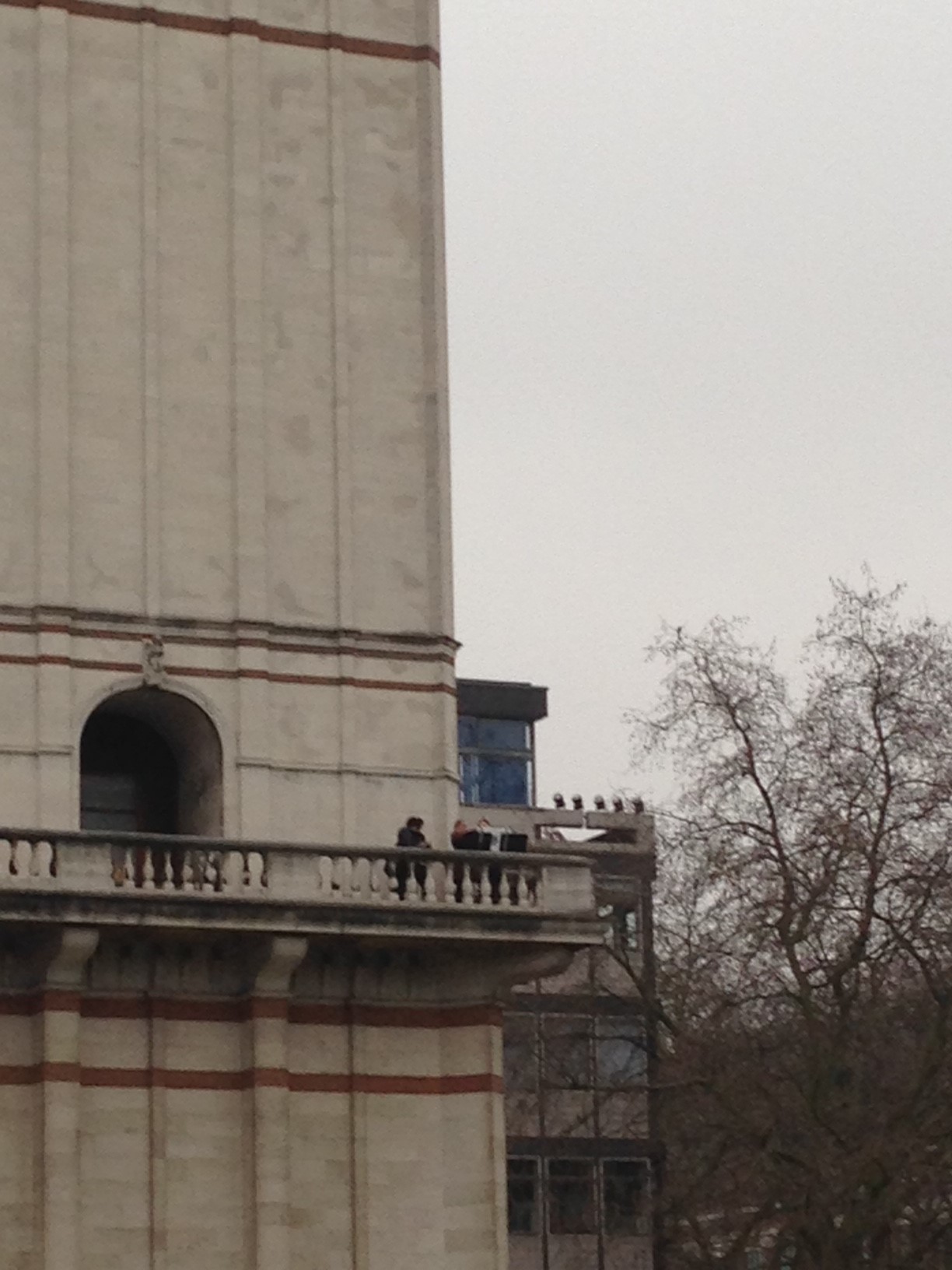
Queen’s Lawn was packed; some students managed to get up on Queen’s tower with their laptops to better record the event. But the day ended in great disappointment; the sun was nowhere to be found! There was a sea of cloud rendering the sun completely invisible. We couldn’t even locate the sun, let alone see the moon covering it. With dampened spirits, we returned to lectures. So much for an almost total solar eclipse.
Eclipse enthusiasts were let down.
Trip to Stonehenge and Bath
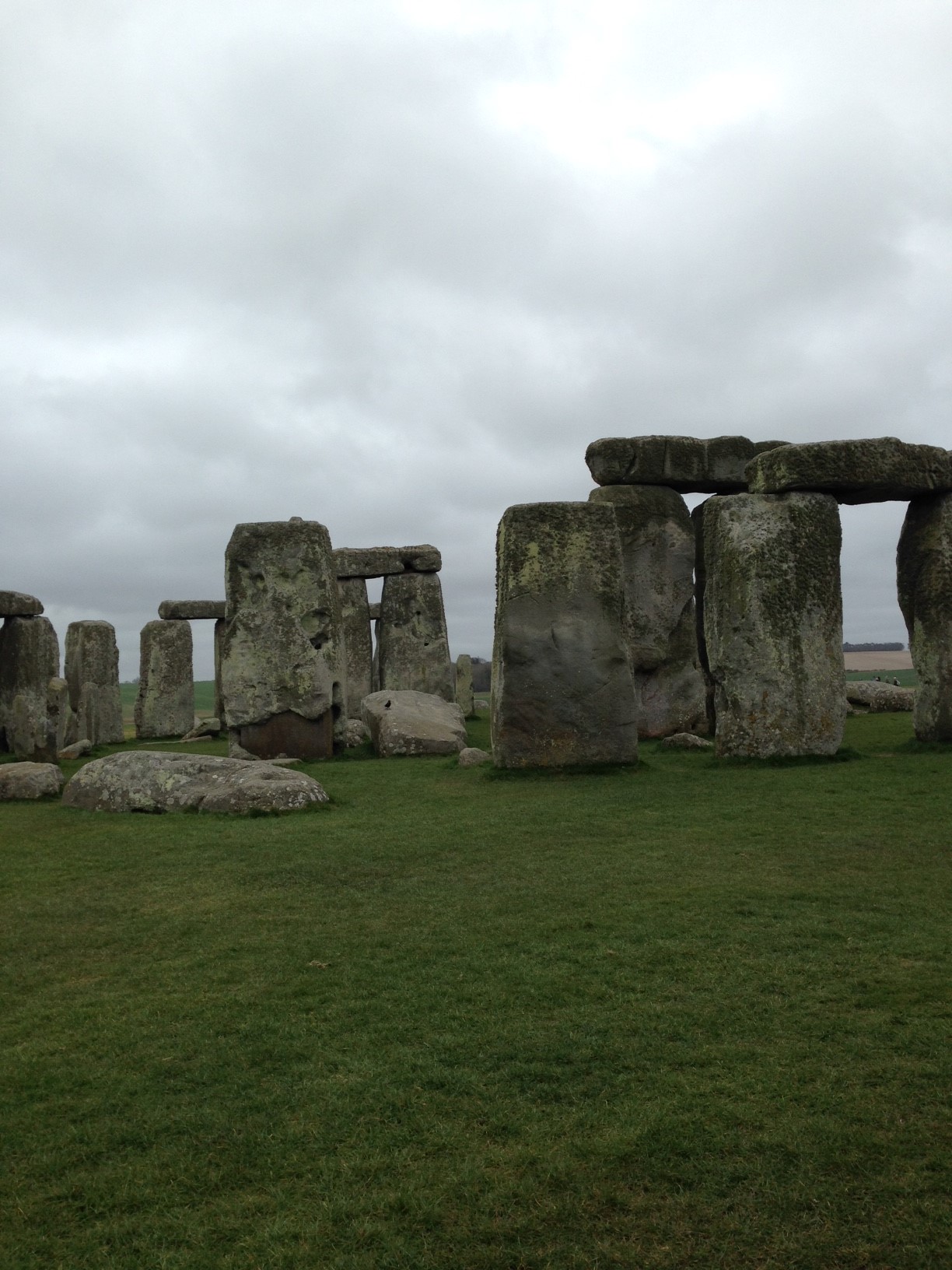
After seeing a post by a fellow blogger about a trip to Bath, I decided that I should also discover another part of England other than London. Though it was tough to wake up in the small hours of the morning (6:20 am to be exact; I haven’t woken up that early in almost a year now) and also ensuring my notoriously lazy friend to be ready by 8 am so that we catch the coach. But it was all worth it. I can understand why the Stonehenge is considered one of the wonders of the world; the sheer size of those rocks is tremendous and how they were erected is perhaps a mystery that can never be proven (archaeologists couldn’t find any tracks that the rocks could have been slid along on or any other method which would explain how these rocks ended up where they are). It would have been great if we could touch the rocks but the immediate vicinity was deemed too fragile for many tourists to stand on all at once. The rocks did look weather beaten and it appeared that a bit of vegetation managed to spring through the holes. In spite of that, these rocks have withstood the test of time and still manage to bewilder us.
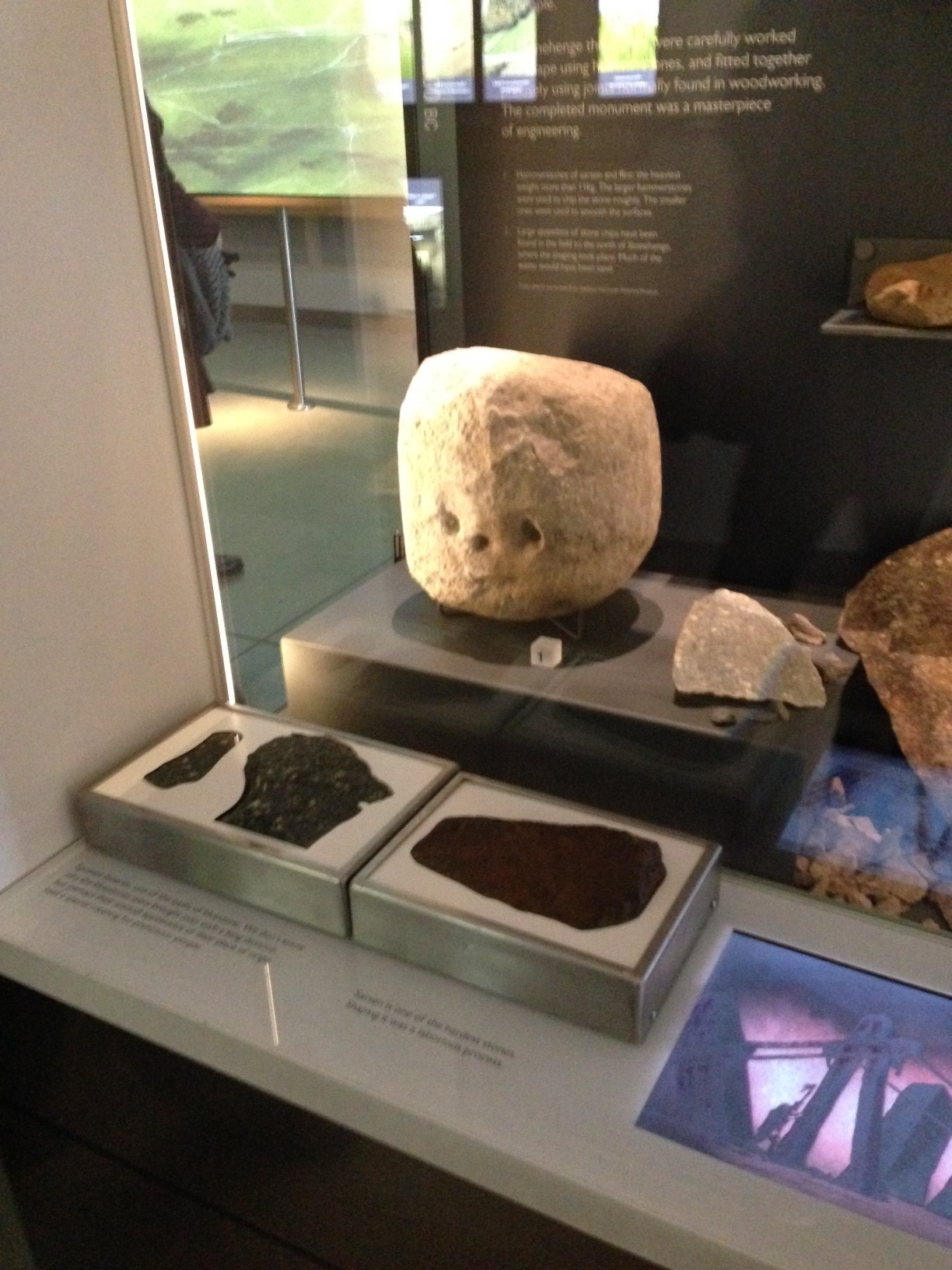
This doesn’t need a caption!A strange rock at the exhibition that resembles a baby.
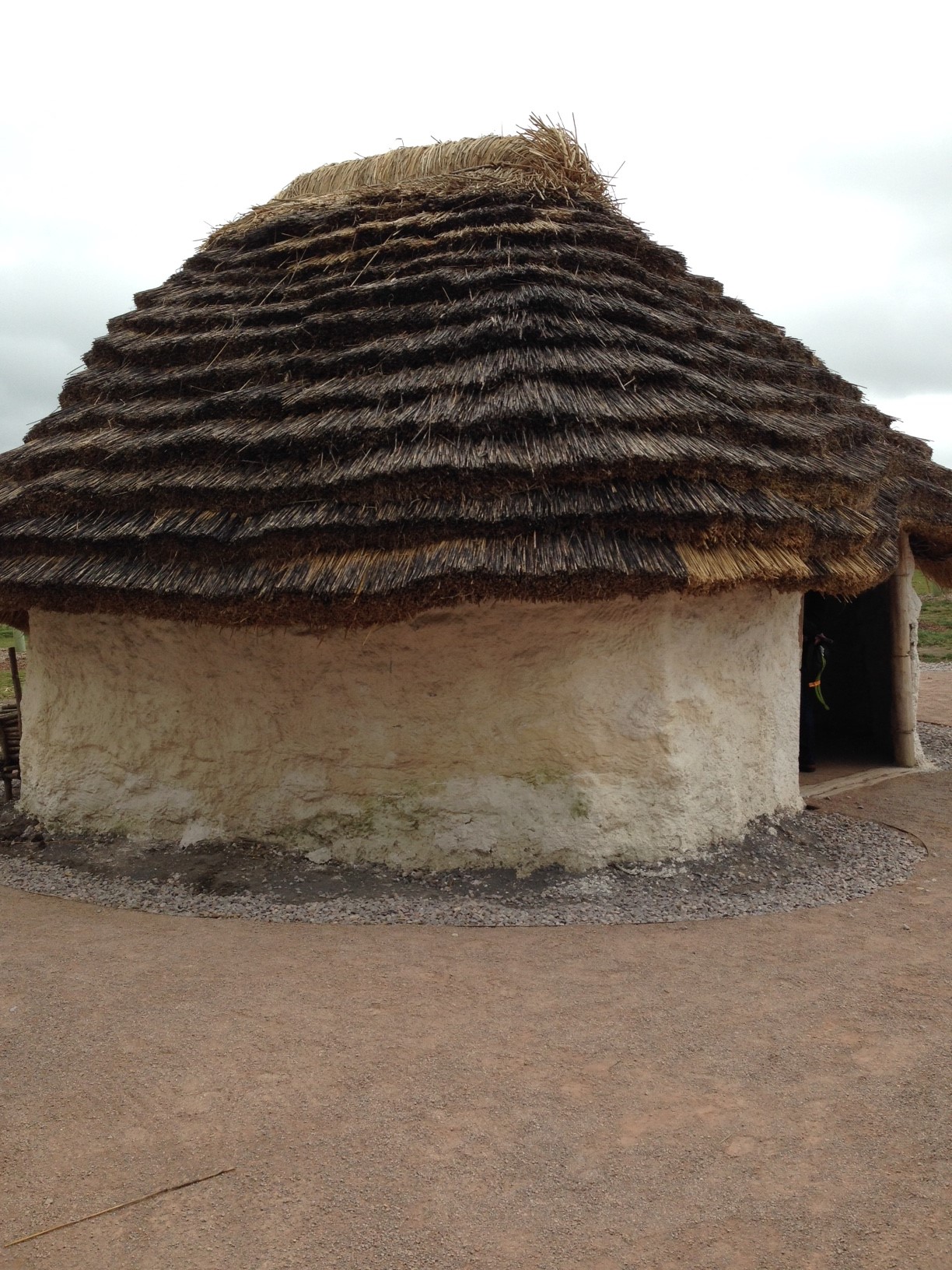
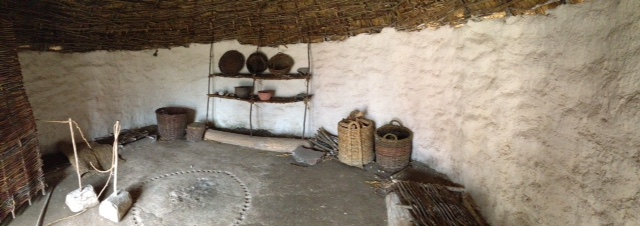
We were allowed to enter the tiny huts where, presumable, the builders of the Stonehenge lived. They were no bigger than a standard room, circular and with no windows. In my opinion, a pretty poor compensation for all that arduous work they have put in. However, the weather was anything but ideal; it was cold, raining and extremely windy that people couldn’t even hold on to their umbrellas. So, I suggest that you make this trip in May, when the weather would have, hopefully, gotten warmer.
The builders’ huts.What the builders called home.
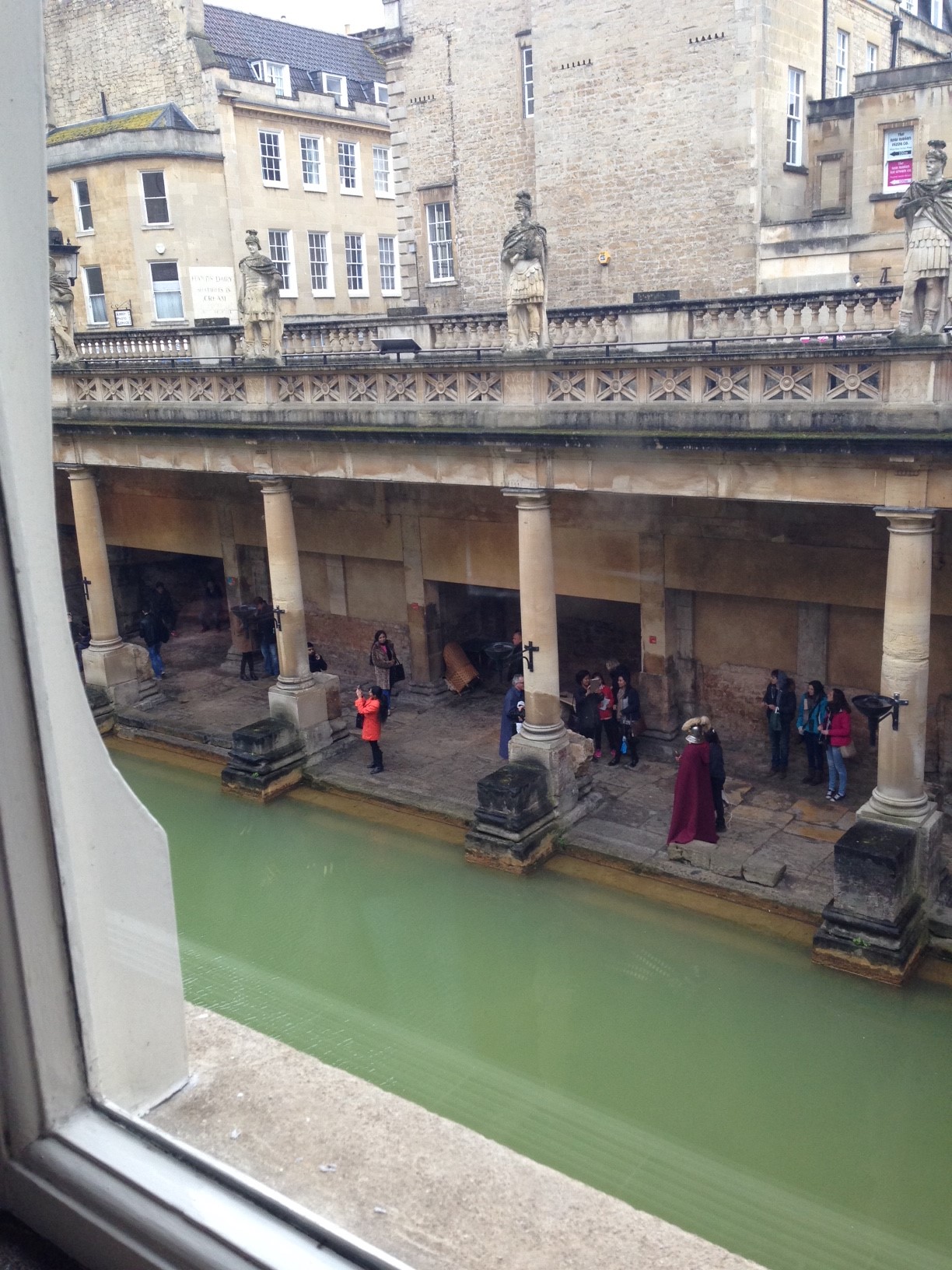
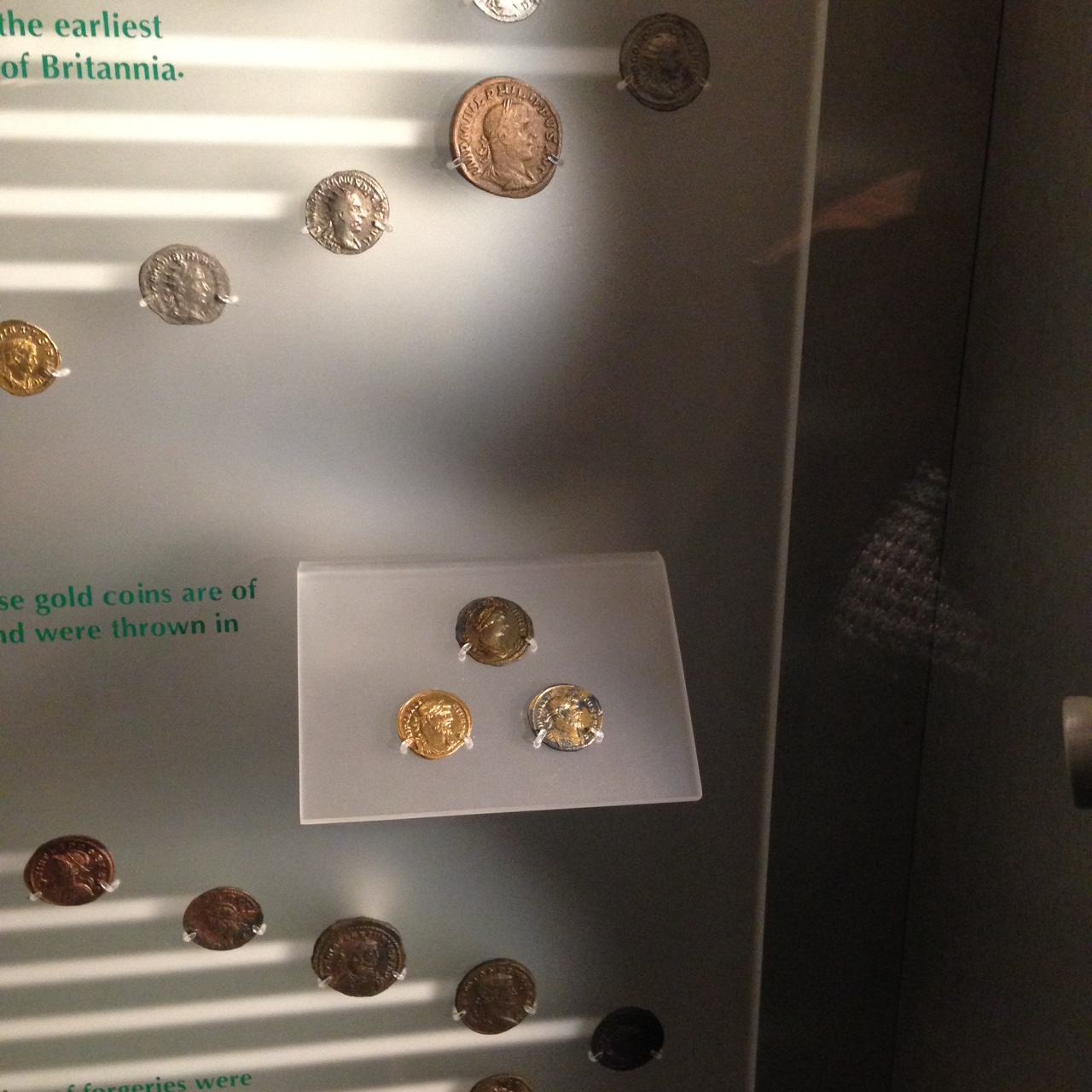
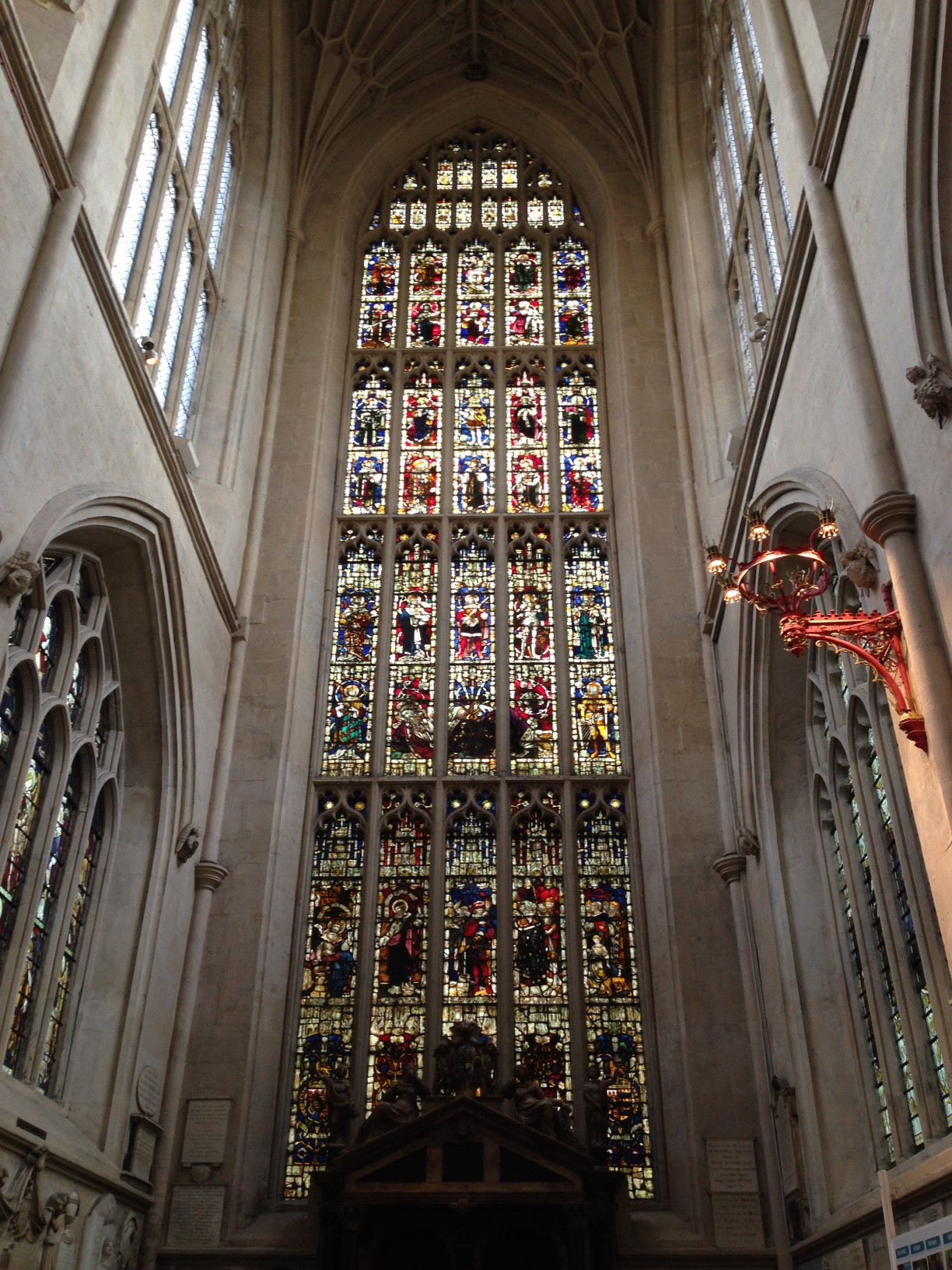
In Bath we visited all of the tourist-y places like the Roman Baths (the water was actually warm! On a side note: is that why Bath is called Bath?), Bath Abbey (the walls and even the floor were adorned with ceramic tablets of people who contributed in one way or another to the society since the seventeenth century) and the Royal Crescent. The city had a more intimate atmosphere than in London, more like Reading where people are more likely to run into friends on the street. All of the buildings that I saw were at least 100 years old, so seeing ‘Banana Republic’ etched on a wall was, admittedly, quite bizarre. It is an amazing city with so much history and a LOT of Thai restaurants (I guess Bath-ians love their Thai food!!).
The Roman Baths.The Roman coins that were found at the site.The beautiful stained glass window of Bath Abbey.
It was nice to get away from the buzz of London and discovering a new place though pretty exhausting-I slept till 1pm the following day.
Easter Break
With a month off, two distinct categories of people emerge: those who enjoy their holiday, going on road trips or sunny coasts around the world, out an about every day and those who hibernate for a month and pull out all-nighters every night, who emerge out of their cocoons blinking confusedly at the sun.
I would like to think that I fall in the middle of these two categories, perhaps leaning more towards the latter. Well, only time can tell.
Why growing up can be tough, and why you’re still allowed to make up words.
School life tends to be very linear. You wake up begrudgingly at a set time every weekday; you spend most of the day studying and hanging out with friends; you get home sometime in the evening and eat/do homework/relax to varying degrees; you fall asleep at a time that’s socially acceptable; you repeat. And it continues like this, more or less, from the age of 5 till you’re 18. Come to university, and it’s a whole new ball game.
Suddenly your days are irregular. And non-linearity rules (unless you’re solving differential equations, in which case I wish you the best of luck). You’ve still got lectures and tutorials to attend but aside from those, how you choose to spend your time here is completely up to you! No teachers running behind you to make sure you’re you’ve got your homework. No parents to make sure you’re eating properly or check that you’re not going to bed at ungodly hours. Freedom!
But with all this excitement comes responsibility. Now this would be the perfect moment to deliver a Spider-Man monologue, but all I’m saying is that people expect you to manage yourself. This includes your studies, your interests, your free time, and your general well-being. And that’s actually a really big deal.
Your alarm didn’t ring and you missed morning lectures? It’s down to you to find the time to catch up otherwise you’re just setting yourself up for more work come revision time.
You forgot to go out and buy groceries over the weekend? Well, now you might end up spending a lot more for dinner than you bargained for. (Or you gloriously exclaim once you realise the fact that there’s a Sainsbury’s right around the corner that’s open till midnight and you’ve still got time to make some teriyaki chicken. Yeah, it’s the little things that bring joy to my life.)
Hopefully, you’re not reading this as some sort of ominous warning about the trials and tribulations of university life. It’s honestly not too difficult once you get into the rhythm of living here. It’s just that growing up, part of me thought I’d hit 18 and bang: I’d be an adult with a perfect understanding of how to live life. Turns out, that’s not really the case. To be honest, the older I get the more I realise that ‘getting it all figured out’ doesn’t really mean anything. You’re still allowed to have conversations about the most random of things like how being ‘up for something’ and ‘down for something’ mean the exact same thing (it’s weird right?), complain about how adult stuff is always too confusing, and laugh at corny puns (oh, you haven’t learned the meaning of punny until you come to university). Everyone just does their best to cope with what they’re doing and, for the most part, that’s good enough!
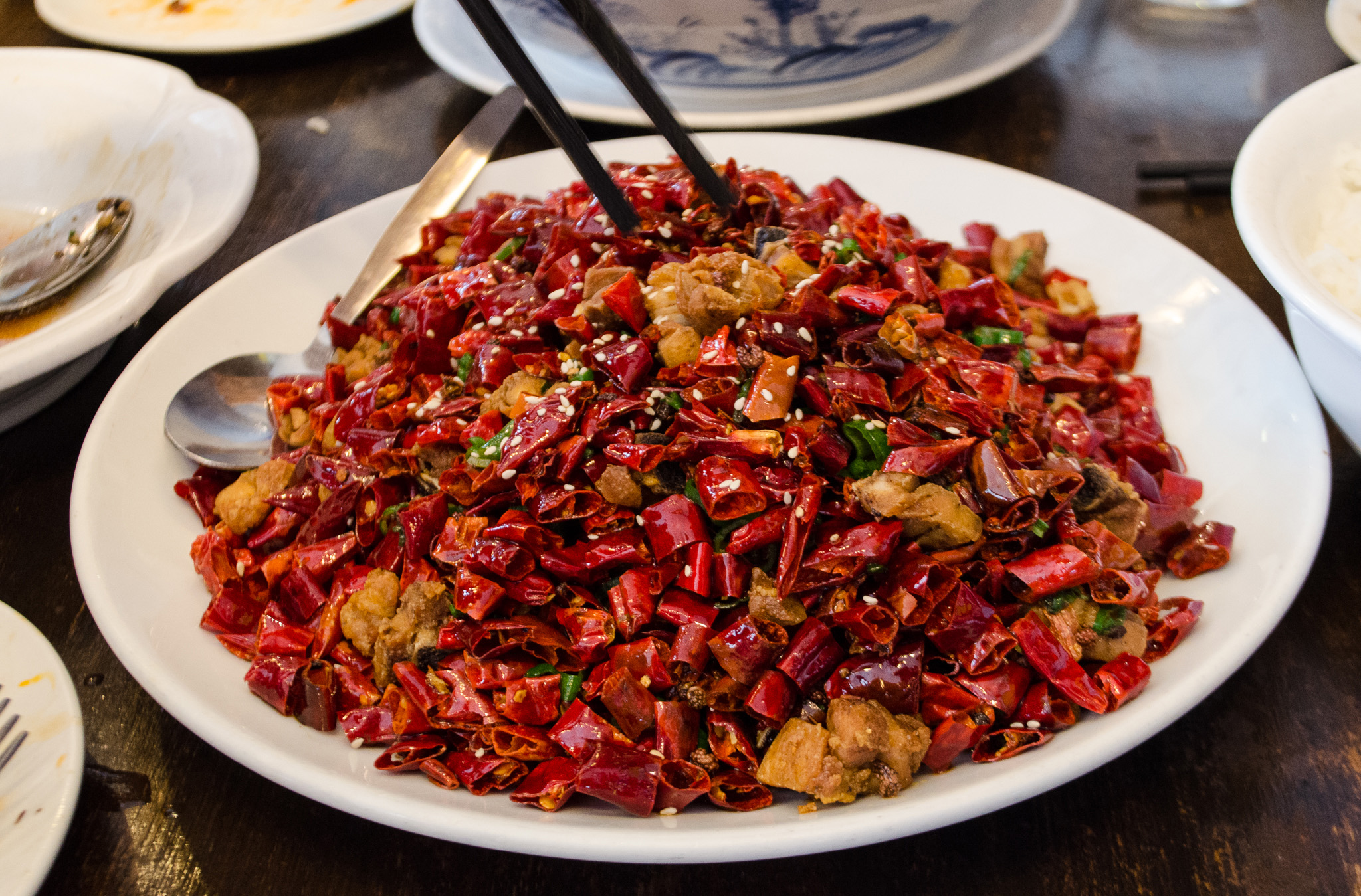
One of the fun things about living right in the middle of London is that there’s always something to distract me when I enter my hyper-contemplative philosophical mode. Last weekend, I had a whole lot of fun eating at Bar Shu, a Chinese restaurant specialising in Sichuan cuisine. As you may expect, they really do love their chillies and peppercorns. Here’s the chicken with dried chillies:
After viewing the photo you may wonder why it wasn’t named dried chillies with chicken; to cut a long story short, you’re not actually meant to eat all the chillies and my dad found this out the hard way.
So much for getting up at 8.30. I slept for about eleven hours and woke up at 11.30 … oops …
Might need to make my alarm louder before my exam on Tuesday. And get all my friends to ring me to make sure I’m up.
Besides that it’s been a really good day (not that sleep wasn’t good … sleep is always very very good 🙂 ) I sort of made up for it this afternoon by getting lots of Society & Health/Epidemiology revision done, so feeling ever so slightly better about the exam on Tuesday.
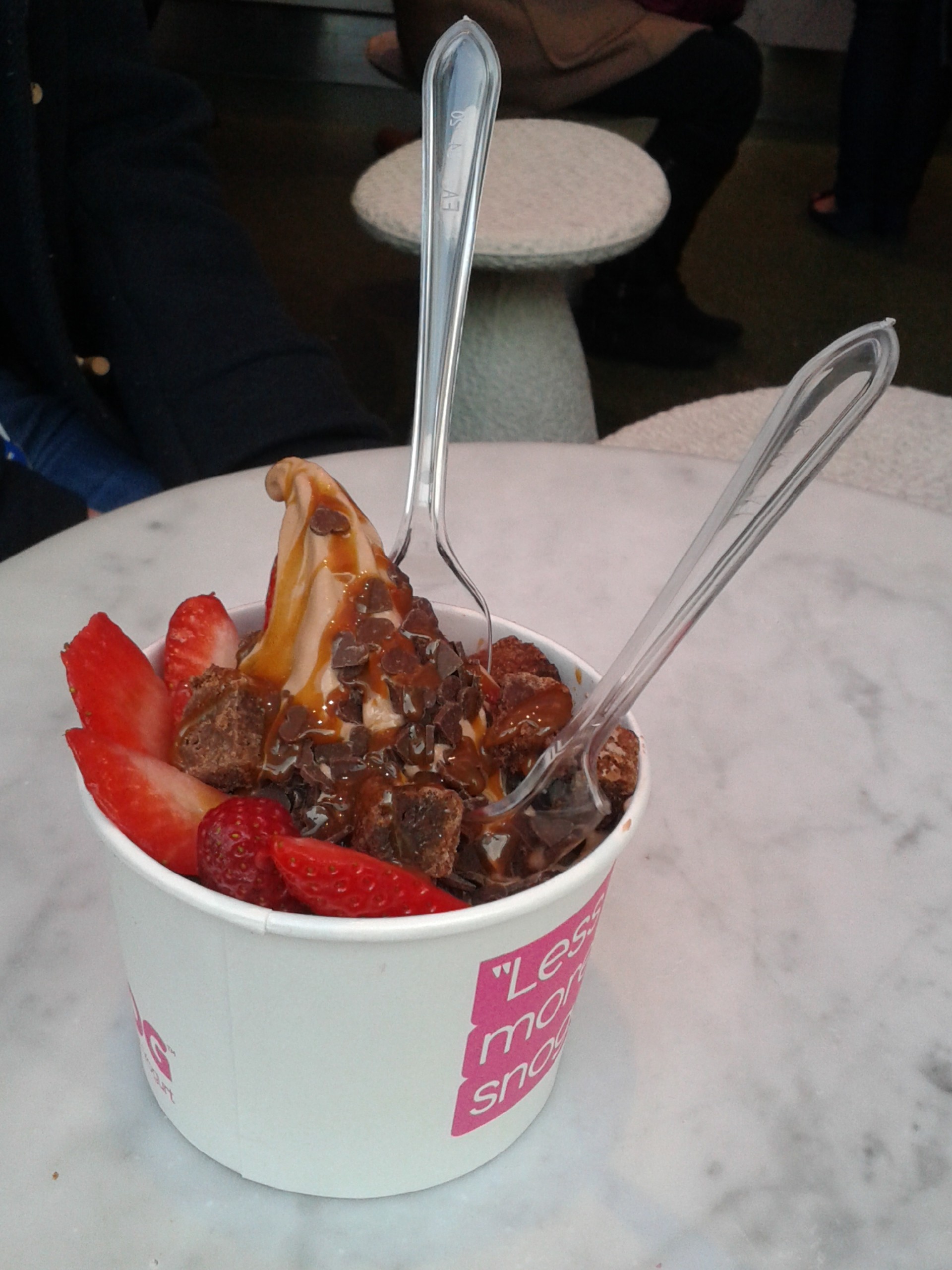
Met up with Katherine at Snog at 5 for a ‘revision break’…
Nomnomnom!
…which turned out to not be a break, because I couldn’t be bothered to do any more revision when I got back. I was just going to play my guitar for ten minutes – which somehow turned into two hours – no idea how. So instead of Epidemiology I learnt a couple of songs (1,2,3,4 – Feist; and Samson – Regina Spektor). So not completely unproductive, but possibly not much use for my exam. Then spent this evening in the common room doing karaoke 🙂 ♪♫
So that sums up my day and my week. I’ll blog again soon (but possibly not tomorrow – a/ I’m running out of stuff to talk about; and b/ I’ll be frantically cramming epidemiology…)
I’m tired, so tonight’s post is going to be short!
I had a much needed lie-in this morning – so much for my plans to get up early to work in the library. But I’m entirely in agreement with the theory that you can’t live with all work and no play/sleep (although slightly regretting the work I could’ve done but didn’t…) After I eventually got up, I met my big brother Richard at Old Spitalfields Market – we had lunch at Giraffe (yum!) and then had a wander round – Rich was really impressed with being dragged to look at clothes and jewellery… But I’m happy because I got a cute t-shirt 🙂
Afterwards we went over to the Museum of London to see the Sherlock Holmes exhibition – it was really good. Richard definitely suits a Deerstalker better than I do…
I got back to SK a bit after 4, and then spent almost four hours in the library. I’ve got a pretty good idea how I’m structuring my essay now, and found some really good books to reference. (It was actually the first time I’ve taken books out of the library!) I quite like the essay subject; it’s just that 2000 words requires more concentration than I’m capable of. Planning to have a slightly shorter lie-in tomorrow so I can get a fair bit of it done … and then spend the afternoon revising Epidemiology for my exam on Tuesday.
I can hardly contain my excitement.
Since getting back I haven’t done much – just relaxed and played my guitar, which was definitely needed after my 4-hour library stint.
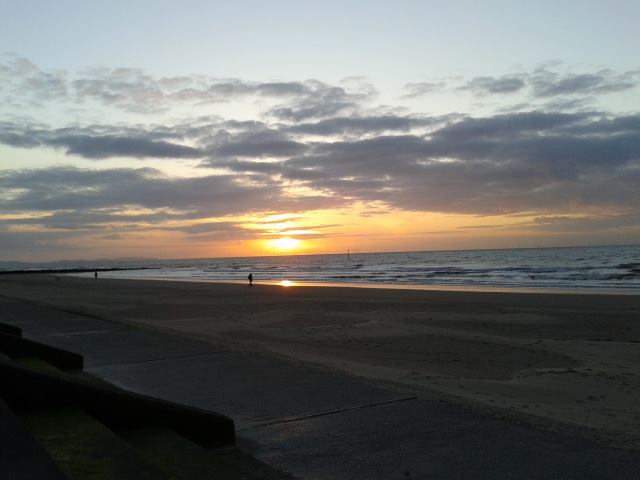
A couple of the other student bloggers have recently written really insightful ‘Week in the Life’ posts which are quite fun to read so I thought I’d have a go too. We’re now in the home straights of an incredibly busy last fortnight of term and I can’t wait for next Saturday when I’m heading off to North Wales for a week with some church buddies for a Christian Easter holiday conference. There’ll be hundreds of people there and lots of great seminars to go to and beautiful sunsets to see I’m sure!
The amazing beach at Prestatyn Sands, just two minutes away from where we’ll be staying for the conference!
So what’s been going on this week.
Monday
The second year biologists get lots of afternoon lectures this year meaning no 9am starts! (I’d feel bad for writing this but we started at 9am every single day in first year so I feel that our time for late starts has arrived). I slept in on Monday morning following an extremely fun but very tiring weekend away with my Church and then did some groceries, had lunch and headed out to my afternoon lectures at about 1.30pm. This week I was finishing up my Virology course (which is a BRILLIANT course for any biologists who are already thinking ahead to second year options) which is kind of scary because it means exams are getting closer. After lectures I had my last French class before my Horizons exam on Monday which was a bit sad because I love my French class and my teacher!
Tuesday
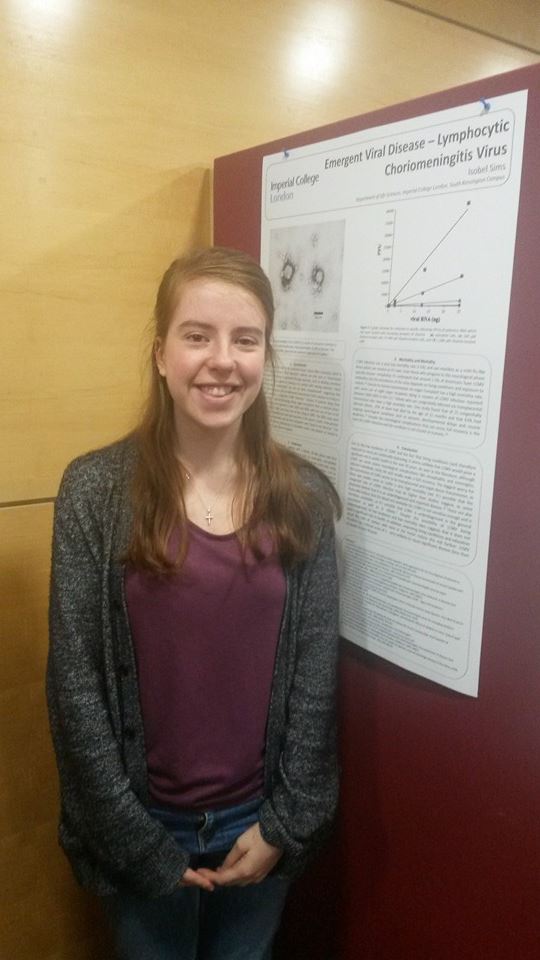
I spent Tuesday morning putting the finishing touches to my poster which featured in a mock conference on Thursday. The conference was about Emerging Viral Disease and everyone in my class researched a virus, gave it a threat level from 1 (not a significant threat) to 5 (ebola), and then produced a poster about it. I had lectures in the afternoon and then studied for a bit after lectures before heading home and going to my Church small group that evening.
Wednesday
Wednesday morning was a tutorial to get some guidance on a fairly tricky lab report that we’re giving in next week. It involves going through electrophoretic gels produced from cheek swaps primed for retroviruses, interpreting the gels (one gel from each lab pair, so that’s a lot of gels!) and figuring out if the presence or absense of the viruses in the DNA is skewed for certain ethnic groups. It’s like we’re real life scientists and it’s kind of scary but in a cool way! I went for a swim after the tutorial and managed four more lengths than I did last time I went which is a big achievement for me because I am not a good swimmer at all. Also the pool at Ethos is free for students so make good use of that while you’re here! I went to work on my lab report after that and then went home.
Thursday
Me and the poster. (I’m not the only one who took a photo with their poster just so you know…)
Thursday was the day of the Emerging Viral Diseases conference so I set out in plenty of time for a 10am start… only to discover when I arrived at College that the posters hadn’t been printed in time and the conference had been moved to 3.30pm. Our lecturer bought everyone coffees in SAF caf to apologise (what a legend) and then I settled in to work on my lab report until it was time to go and see the posters. It was fun to see everyone’s posters but we weren’t being marked for the actual presentation, just for the content, so after my lecturer had asked me a couple of questions about my virus, I left to go over to church. My church is about five minutes away from campus and has recently undergone lots of building work to make it a more versatile space to be used by the community. Thursday night was the grand opening so the students all mucked in to help set up beforehand and clear up afterwards. It looks beautiful and I’m glad I got a sneak peek! I then went back to campus before CU and headed home after that. Thursdays are always long days…
Friday
This was the worst day of the week considering how much I work I need to do at the moment! I woke up at 7.30am with both an eye infection and a fever (oh joy), and spent an hour and a half huddled in bed with a hot water bottle until the nearest walk in centre opened at 9am. Luckily they were able to see me straight away and I was back at home with antibiotics in hand within 40 minutes. Unfortunately I didn’t really get to see the solar eclipse. I then spent the whole day (literally the whole day) in bed marathoning Grey’s Anatomy (one of my favourite things to do is to tell my med student friends about improbable medical emergenices that happen on Grey’s Anatomy and then they tell me if that could ever happen in real life) and drinking tea and doing no work. My two geologist housemates are away on their mapping project until the end of the month and my other housemate was out at uni so it was a lonely day for poor little me!
As you can tell, there’s an incredible amount of work to do in the last fortnight and it’s not like there will be any respite over Easter… as much as I am excited about going to Wales I still need to write a mini-dissertation and study for my summer exams. There is no rest for the Imperial student, but the summer is long and I am looking forward to that immensely 🙂
Didn’t get time to blog yesterday – so here is Thursday and Friday 🙂
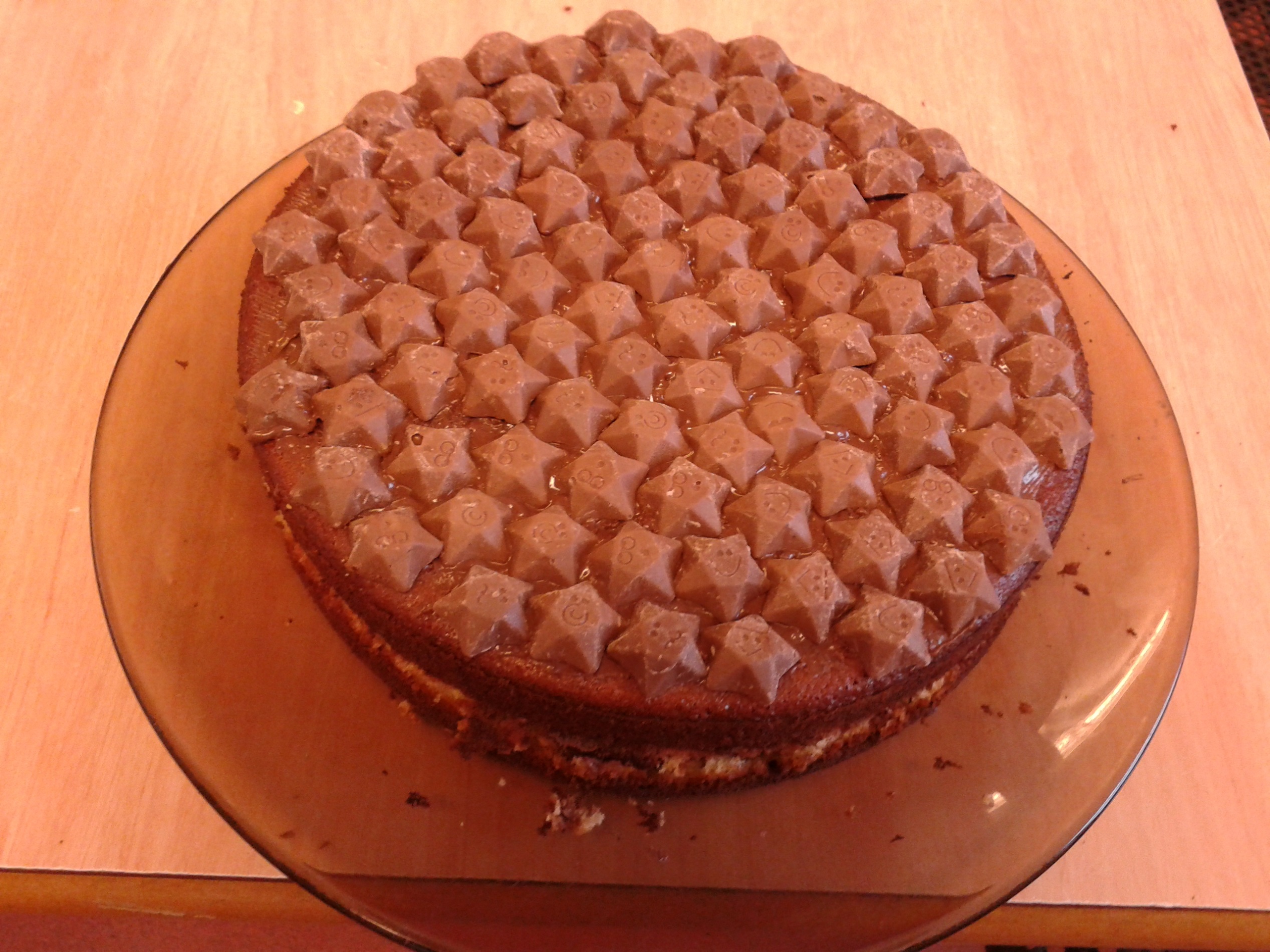
I didn’t have any lectures yesterday, which I don’t think was coincidental – Wednesday was Varsity so I doubt many would have shown up if we’d had lectures. I didn’t end up going to bed early on Wednesday night, but made up for it by getting up late on Thursday morning and then procrastinated for a couple of hours … and then made a cake … so I wasn’t being entirely unproductive, but it wasn’t the type of productivity I’d been planning on. I eventually made it to the library a bit after 3pm – so much for having a ‘library day.’ Still, I got a bit of PBL done, then met my Respiratory-Lecturer-Personal-Tutor for a couple of hours to go over some resp stuff that I missed/don’t understand – it now makes much more sense!
Wheat-free (Em-friendly!) Banana and Chocolate cake! Nomnomnom
Afterwards I headed over to the Reynolds at Charing Cross campus for Opera Remingle – it was lovely to catch up with the Light Opera family, and was a really fun, friendly evening. I didn’t get into cast for 24 Hour Opera, but am excited to be getting involved with costumes 🙂 When I got back to halls the cake had vanished (I admit that I had given everyone permission to help themselves; luckily I’d had some before I went out!) Apparently they’d been a dispute over who got the last piece, resulting in Ash licking it so that Emma wouldn’t eat it …
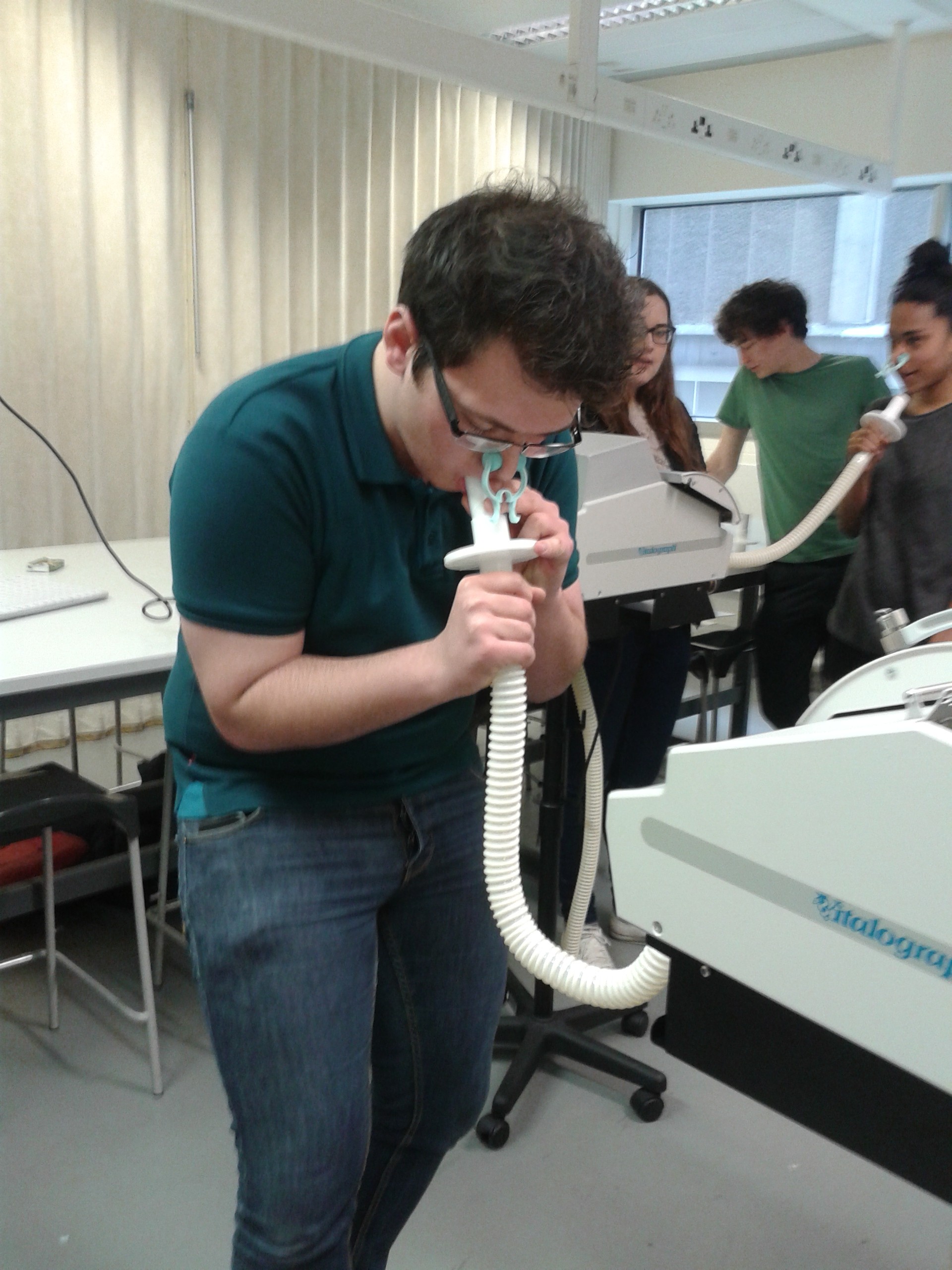
I finally got my PBL finished in the early hours (with a bit of help from Regina Spektor, Ani DiFranco, Joni Mitchell and Feist 🙂 ), and got a few hours sleep before getting up for a 9am lecture on lung infection – it was a really good, worth getting up for. Then I had a practical where we measured the Forced Vital Capacity, Forced Expiratory Volume in 1 Second and Peak Expiratory Flow Rate of our lungs. I got really competitive and was trying to get higher results then Ben (which is probably impossible as he is a/ male; b/ taller than me and c/ most likely fitter than me.)
I’m sure I didn’t look this silly though! (Love you really Ben!)
I had a quick nap after getting home, then headed over to Charing Cross campus to help make a tree for Mental Health Awareness Week. Laurence (newly elected ICSMSU Welfare Officer 2015-16) and I tried making a 3D tree which didn’t quite work out, so it’s now going to be 2D instead … we might have been a bit too ambitious! It’s going to be finished on Sunday (hopefully); but Mama Welfare Jen (ICSMSU Welfare Officer 2014-15) and Papa Welfare Laurence have forbidden me to do any more tree-making to until I’ve written my Society & Health essay and revised for my Epidemiology exam 🙁
So now I’m trying (and failing) to write 2000 words on Health Perception and Risk. Which is quite as interesting, but not as much fun as making a tree 🙁
I’m glad it’s the weekend – it’s been a busy (and sleep-deprived) week, I definitely need a rest. Can’t believe there’s only one week (Mental Health Awareness Week!!!) left of this term.
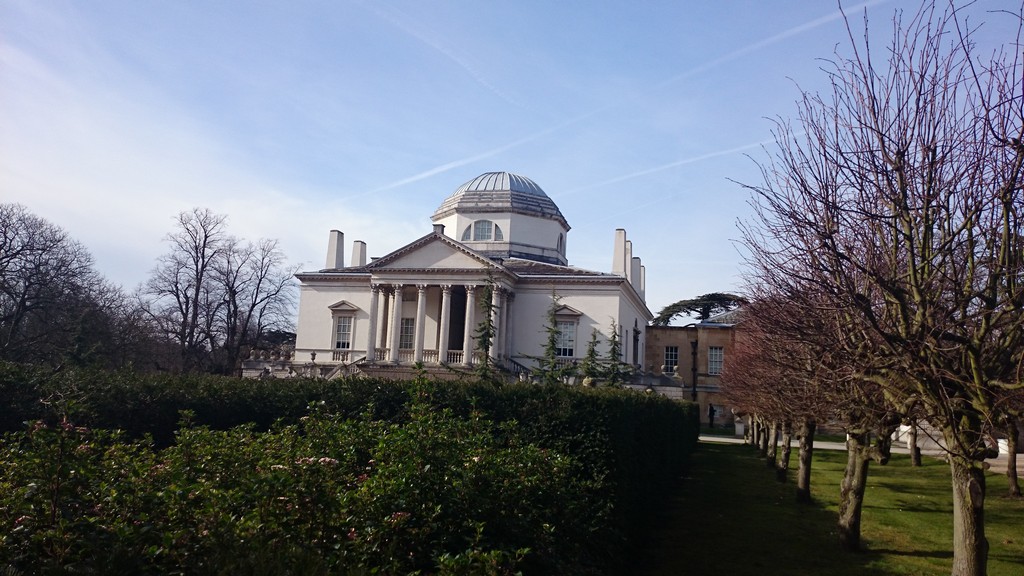
I have been experiencing the twin miseries of house hunting and a heavy cold, my mum came down to help with the latter, but to brighten the day we also visited the Camellia show at Chiswick Gardens in west London.
Chiswick House
Chiswick House is a neo-Palladian villa built by the third Earl of Burlington in 1729. The conservatory was originally built for growing fruit but was then given over to Camellias which were new arrivals from plant explorers in China. Some of these plants are still here, but were nearly lost when the conservatory fell into disrepair. A £12.1 million project to restore the gardens was unveiled in June 2010.
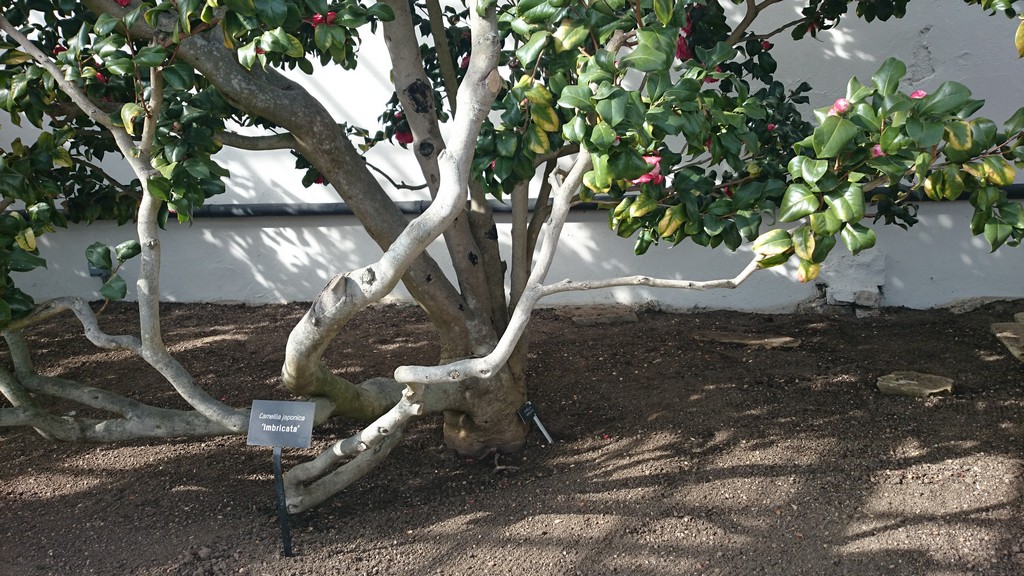
This Camellia japonica ‘Imbricata’ was probably planted in the 1820s, making it nearly 200 years old!
The Conservatory collection has 33 different varieties of Camellia, including many of the earliest varieties introduced to Britain in 1828. Among them is ‘Middlemist’s red’, originally brought from China in 1804 and one of only two in the world known to still exist.
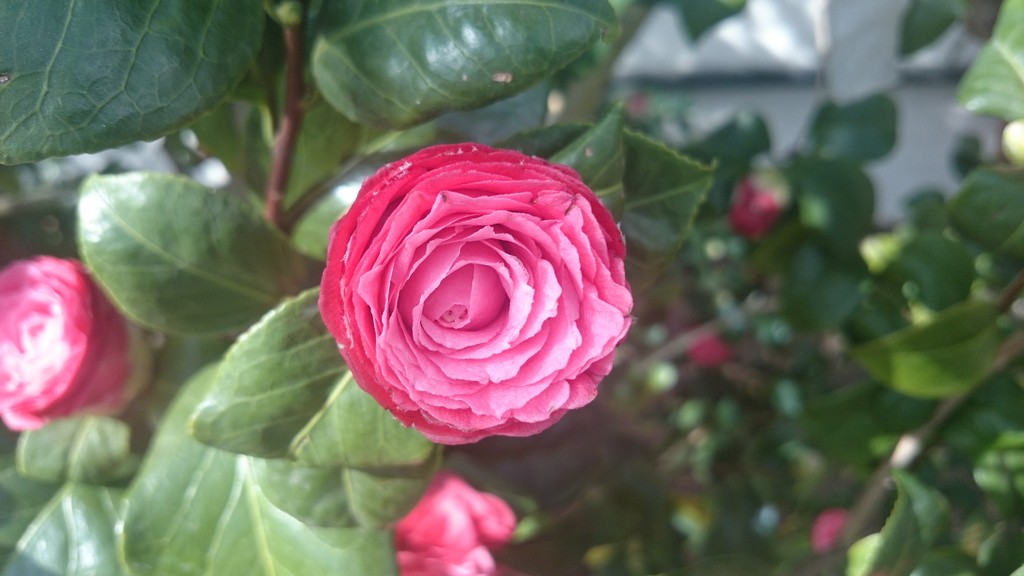
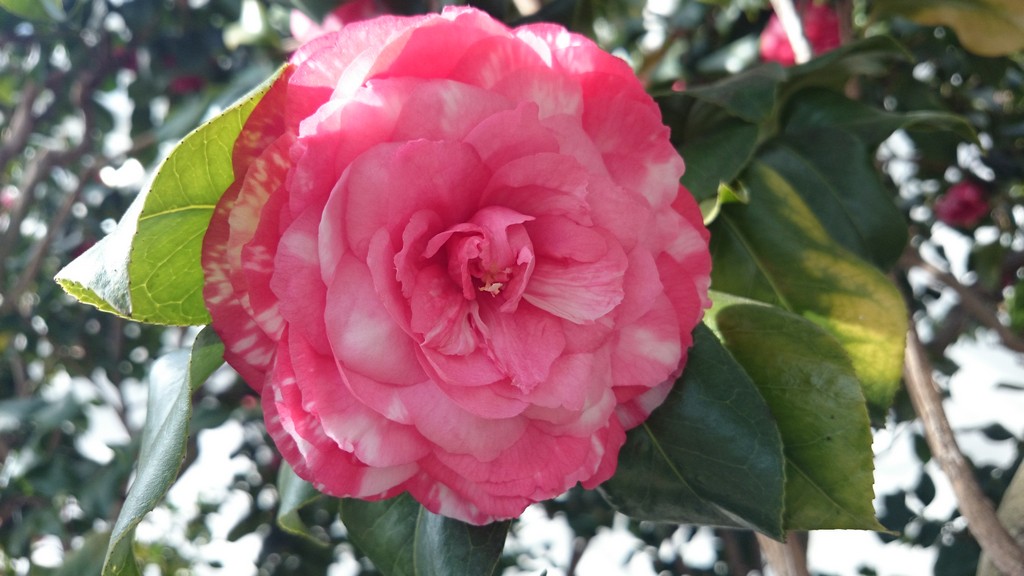
Camellia japonica ‘Imbricata’ bloomPink and white Camellia flower
The gardens at Chiswick House comprise 65 acres and are one of the earliest examples of the English Landscape Movement, when the formality of the renaissance-style gardens gave way to a more naturalistic look, with open vistas and winding paths among informal planting.
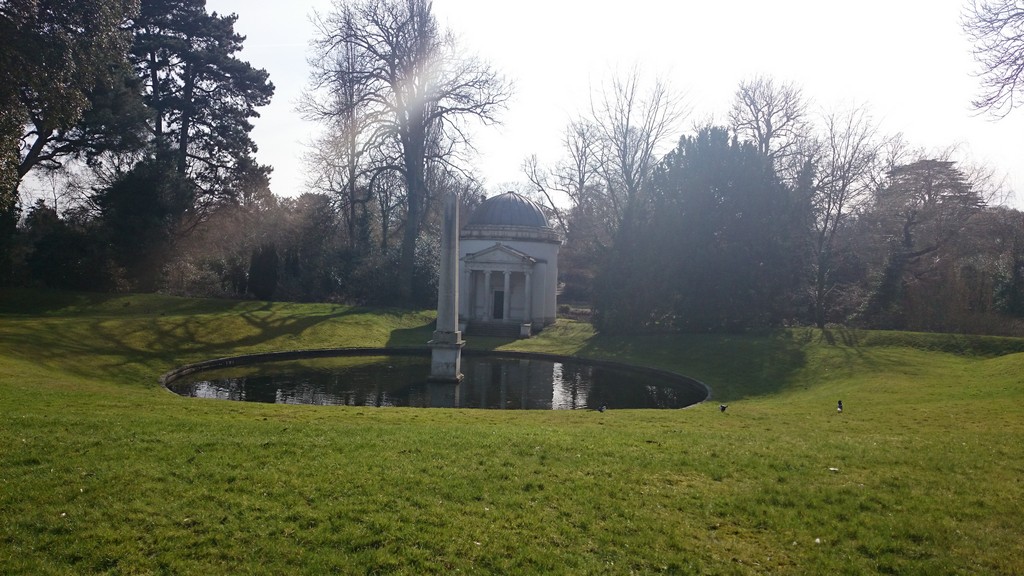
Ionic Temple and Obelisk
Entry to the gardens is free and well worth a look if you are in the area and want a break from the city.
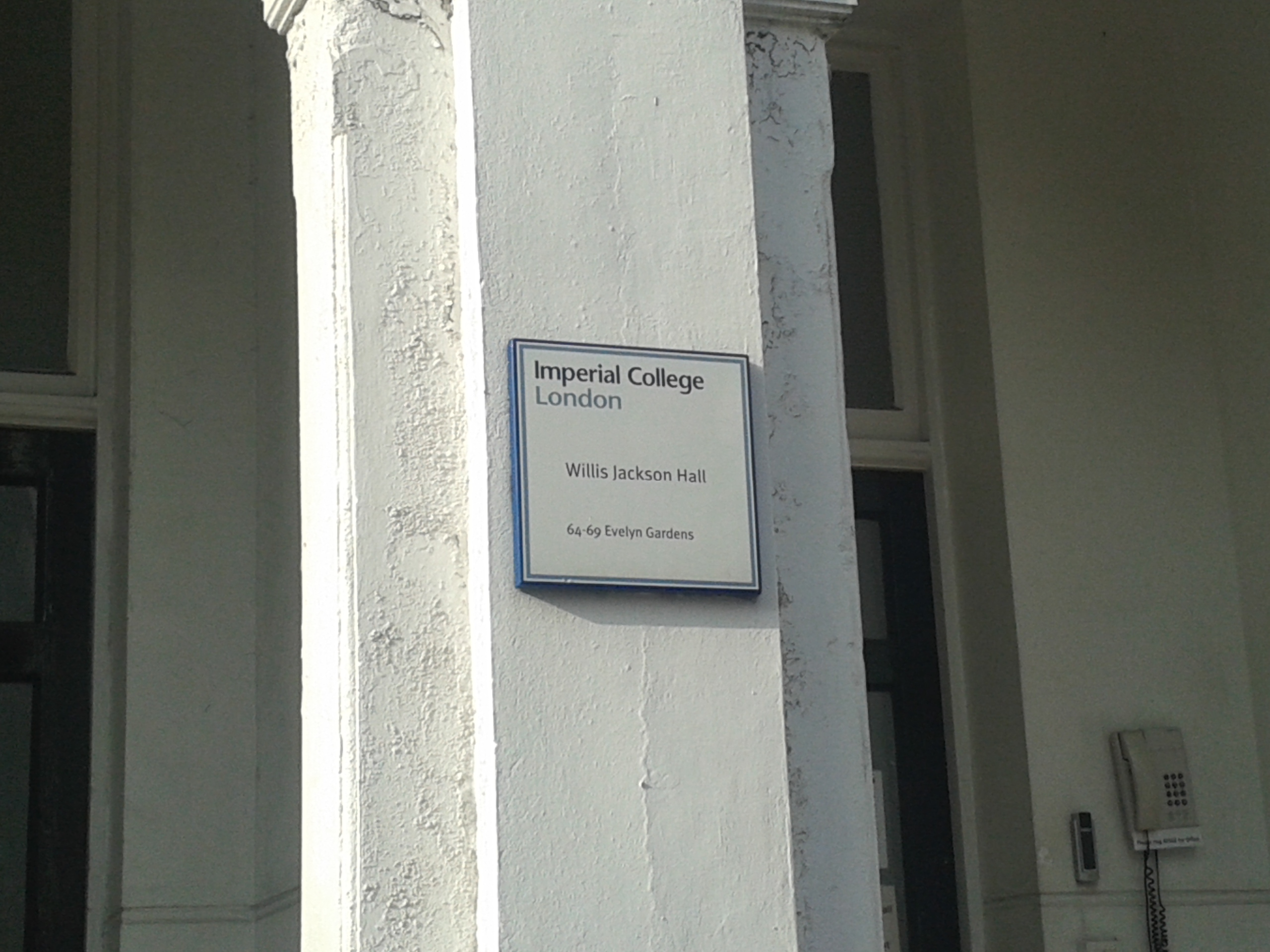
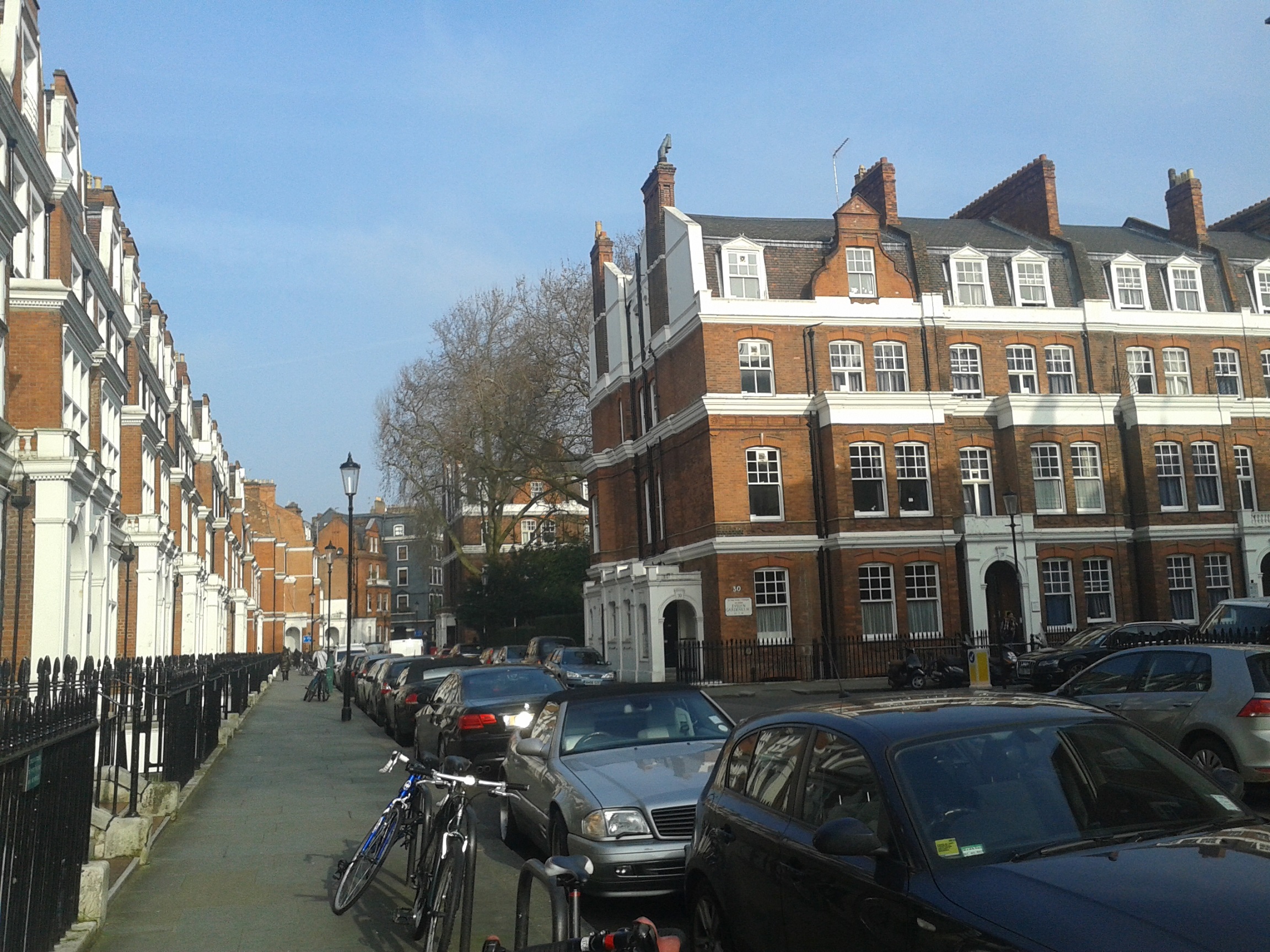
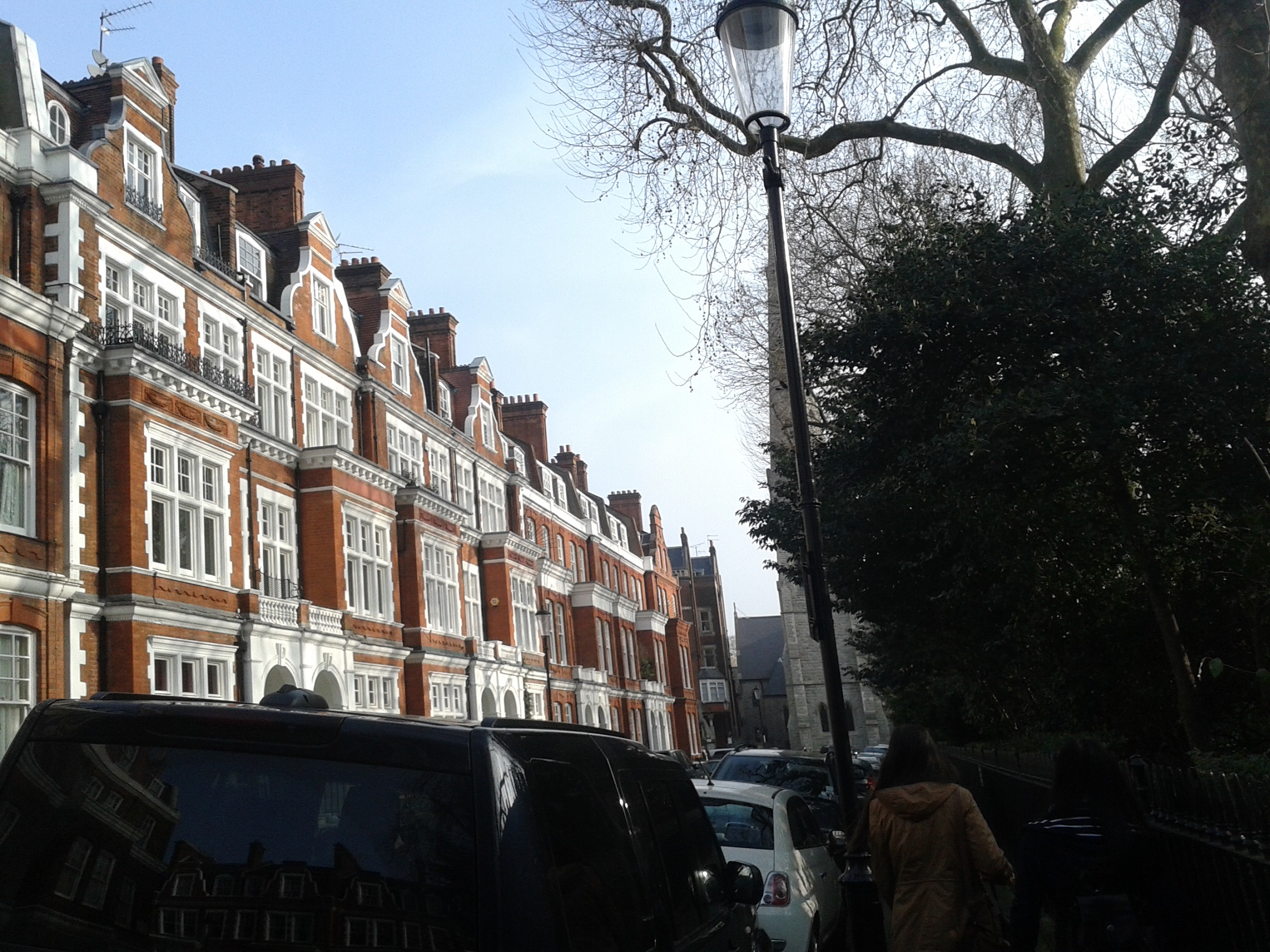
I’m sure it’s easier to get out of bed when it’s sunny, so I actually made it to lectures on time today. And I even had time to take some (sunny) photos of my walk to uni to show y’all.
Willy J ♥
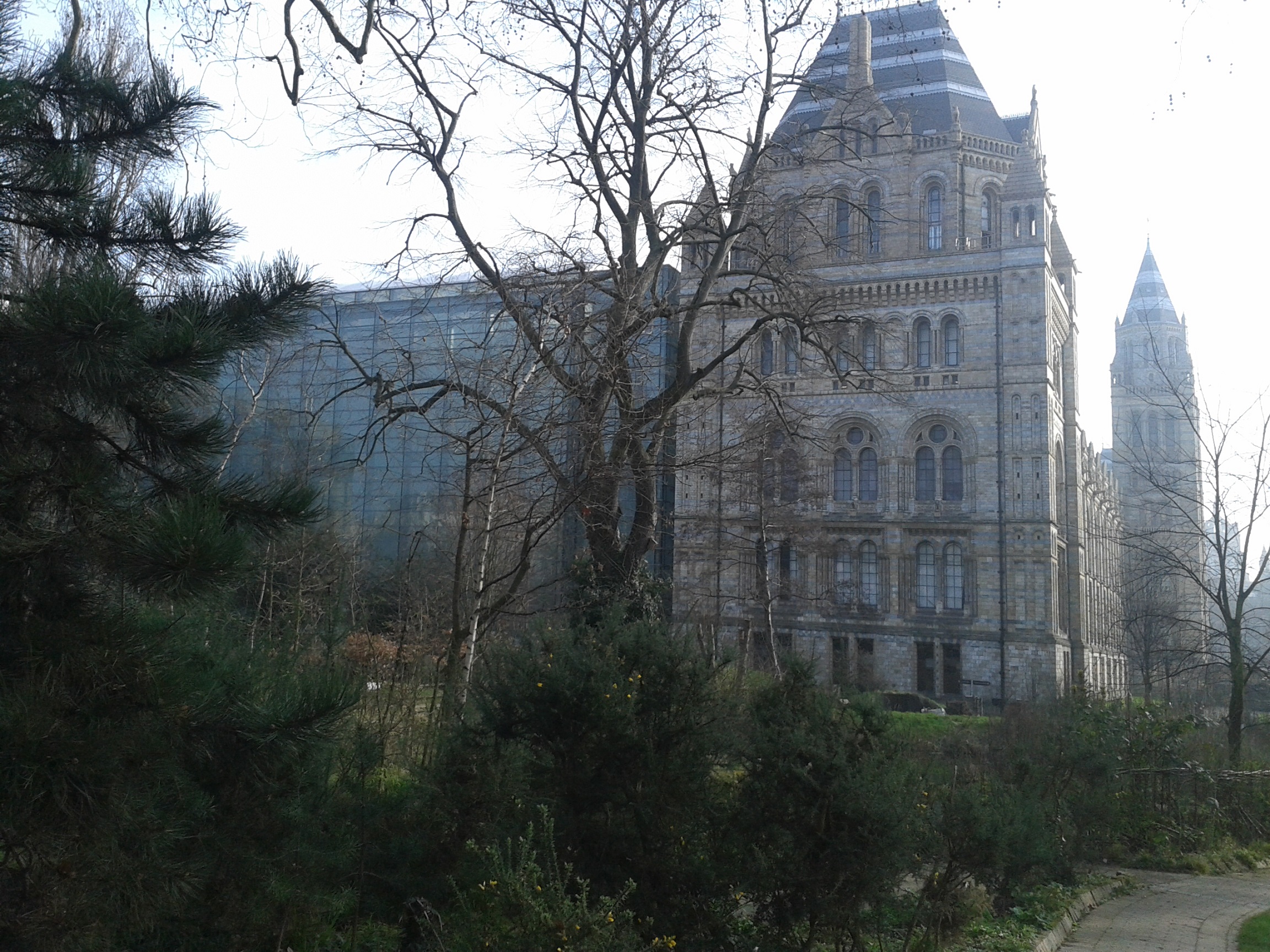
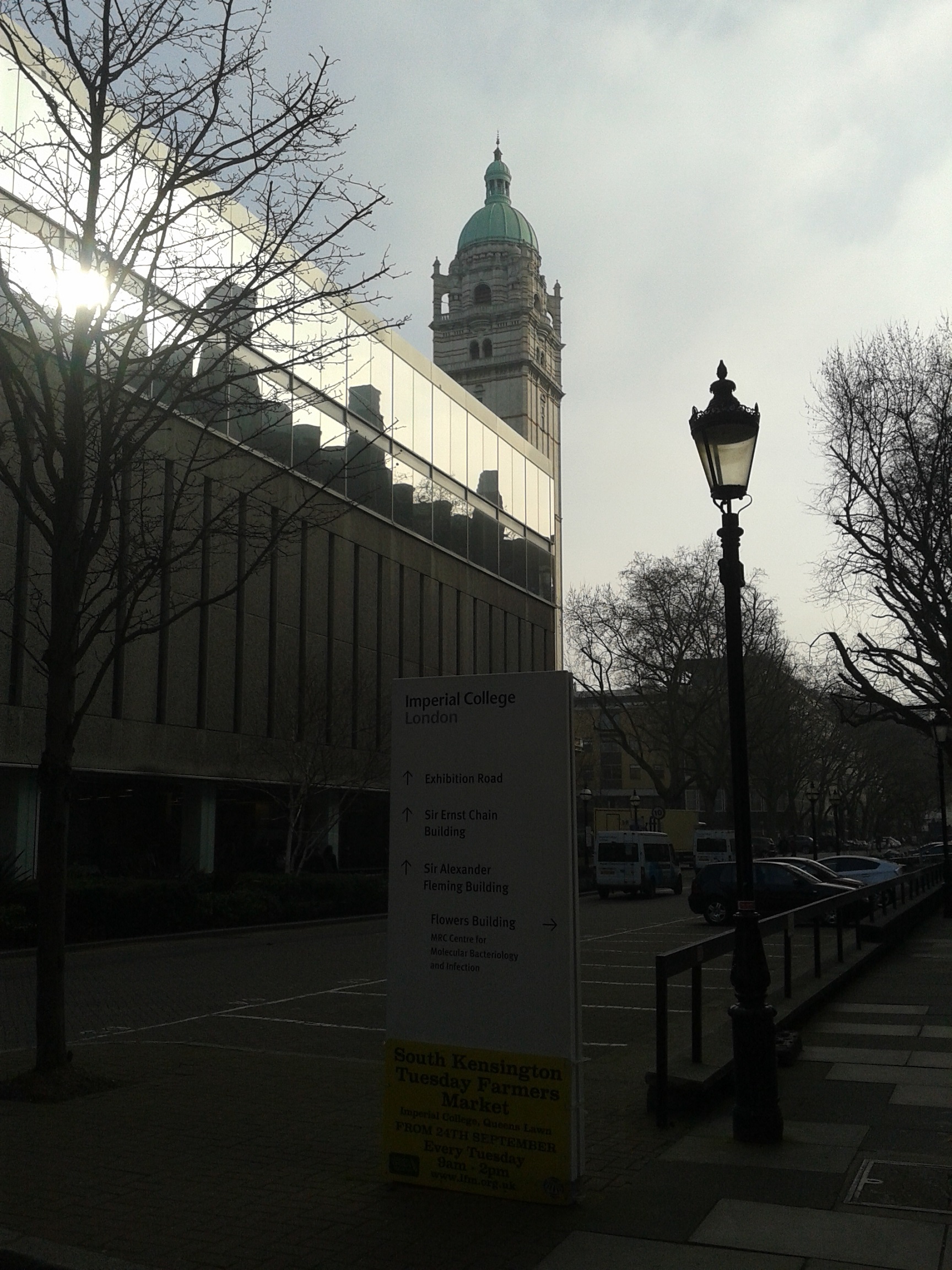
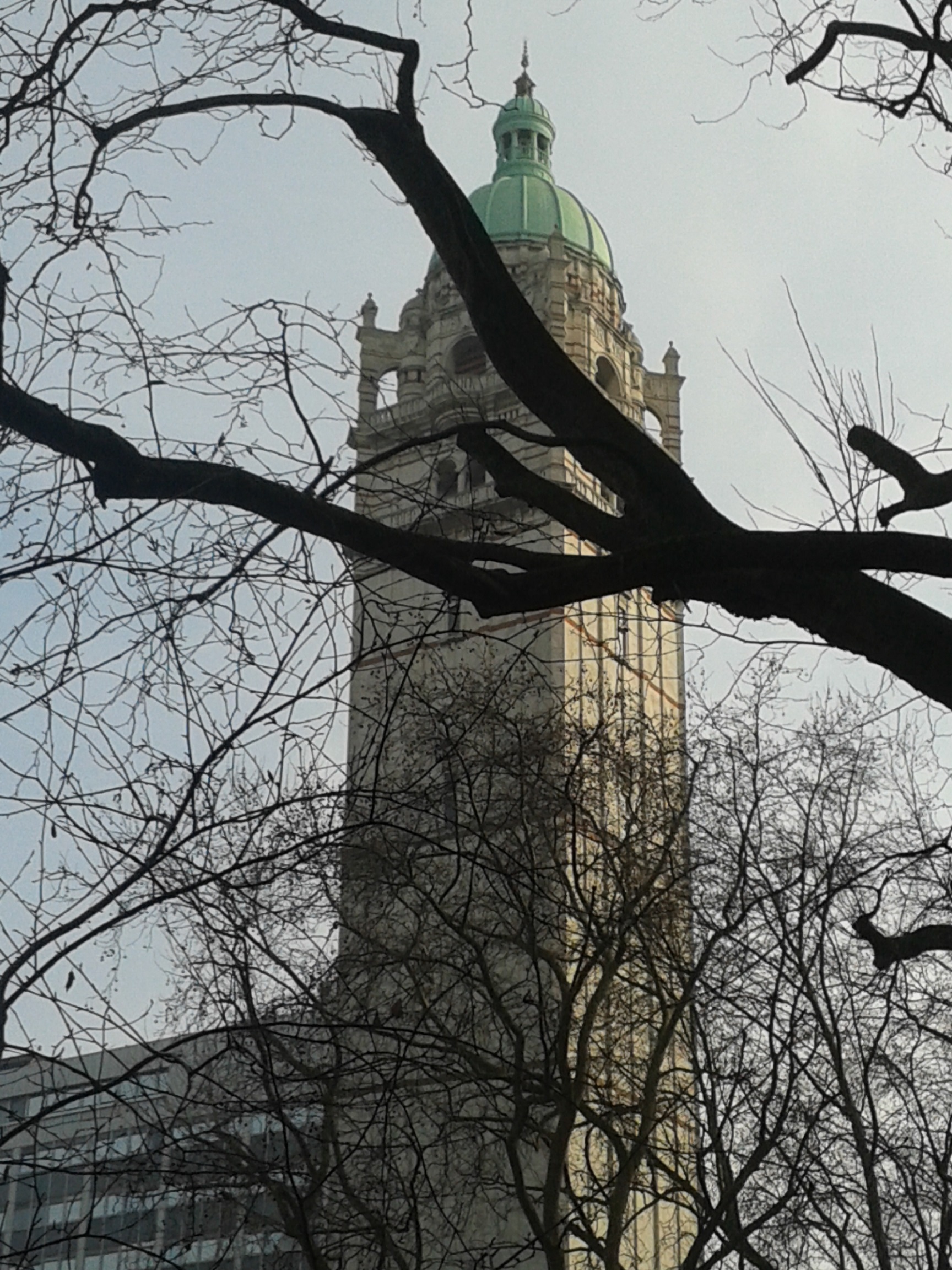
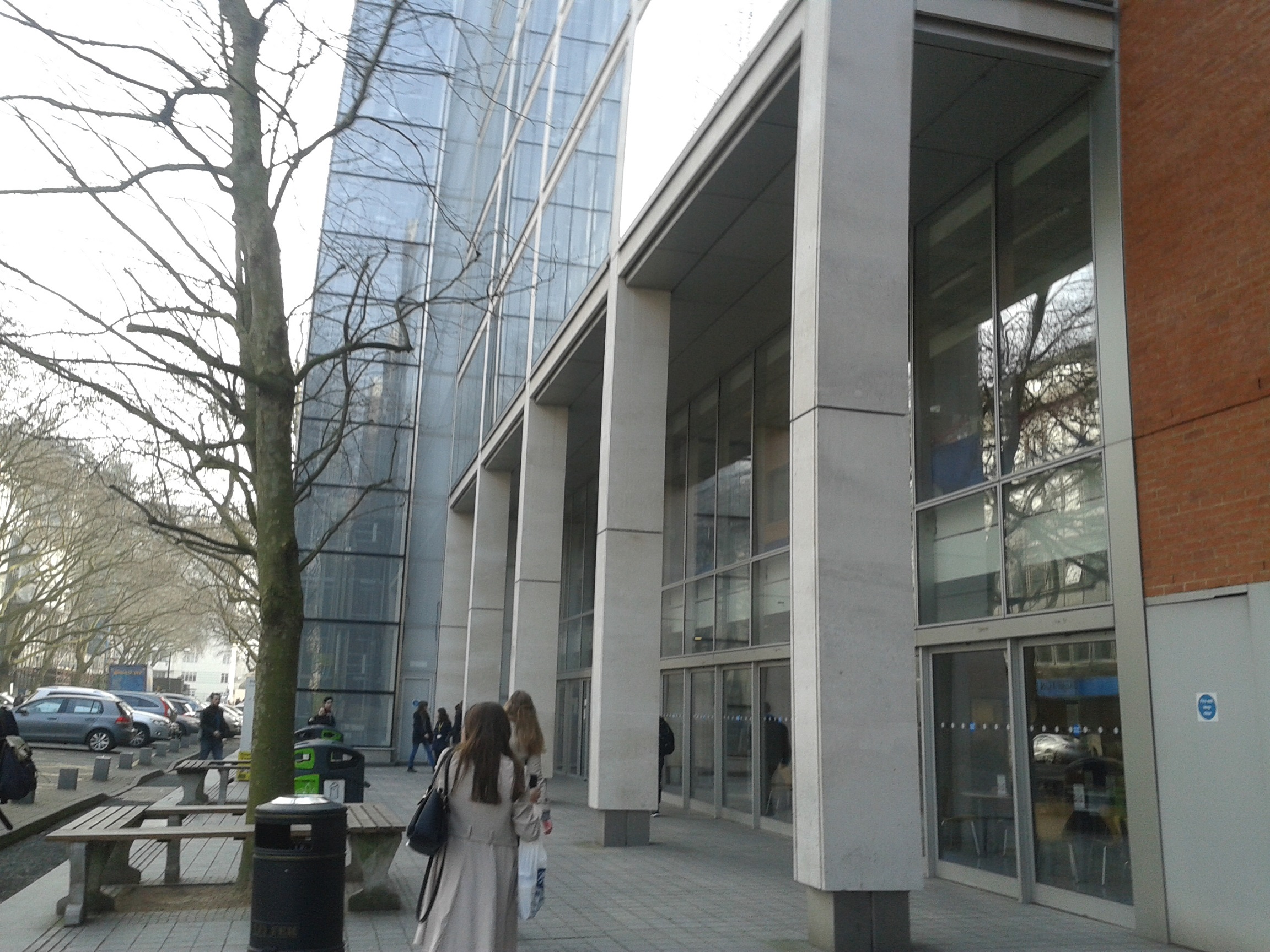
The Natural History MuseumI once saw a fox in the grounds on my way to campus – cuuuuuute!SK CampusQueens TowerSir Alexander Fleming (SAF) Building
First lecture was on something. Probably COPD or asthma, because that’s what Resp seems to be mostly about…. Okay, I just checked, it was actually on ‘Sensory Aspects of Respiratory Disease’ i.e. symptoms. I remember now (vaguely…)
Then we had a two hour lecture (!!) on the Acid-Base Balance. It was about buffers (stopping blood from becoming too acidic/alkaline) and we learnt to interpret ABGs (Arterial Blood Gases) which was exciting because it felt properly doctor-y 🙂
I went back to halls briefly for lunch, then met up with my FCA partner, Dan, to visit our patient. FCA (First Clinical Attachment) is a module where, over the course of the year, we visit our assigned patient in their home and talk to them about their experience of having a chronic illness, accessing healthcare etc. – the more Psycho-Social element of medicine. Our patient is really lovely and chatty – although it’s often easy to go off on a tangent and end up having a good ol’ gossip instead of asking about their condition etc. But it’s all good fun.
Afterwards I went to the Charing Cross campus, to work on my PBL in the library (not finished yet, but will be tomorrow!) and for a meeting with the Mental Health Awareness Week team. Everything’s pretty much sorted for next week – we have someone coming in to teach Mindfulness on Monday; a Mind Matters discussion group on Tuesday (Mind Matters has been set up by Psych Soc and ICSM Welfare Officer Jen, and gives people who are interested in/suffer from MH problems the chance to get together to talk); and a talk on Thursday by someone with both personal and professional experience of Mental Illness. I can’t wait, it should be really good! Afterwards Jen explained some ABG stuff that I hadn’t completely understood this morning – it now makes a lot more sense 🙂
Afterwards I met my dad for pizza, which was really nice end to a really good day 🙂 I’m back at halls now; hung out in the kitchen for a little bit with this crazy lot…
Having a PhD funded by NERC (the Natural Environment Research Council) means that I have priority booking on advanced training courses related to their remit of environmental research. I was fortunate enough to find a place on Dirt Science: An Introduction to Soil System Science held at Cranfield University collaboration the British Society of Soil Science and the James Hutton Institute.
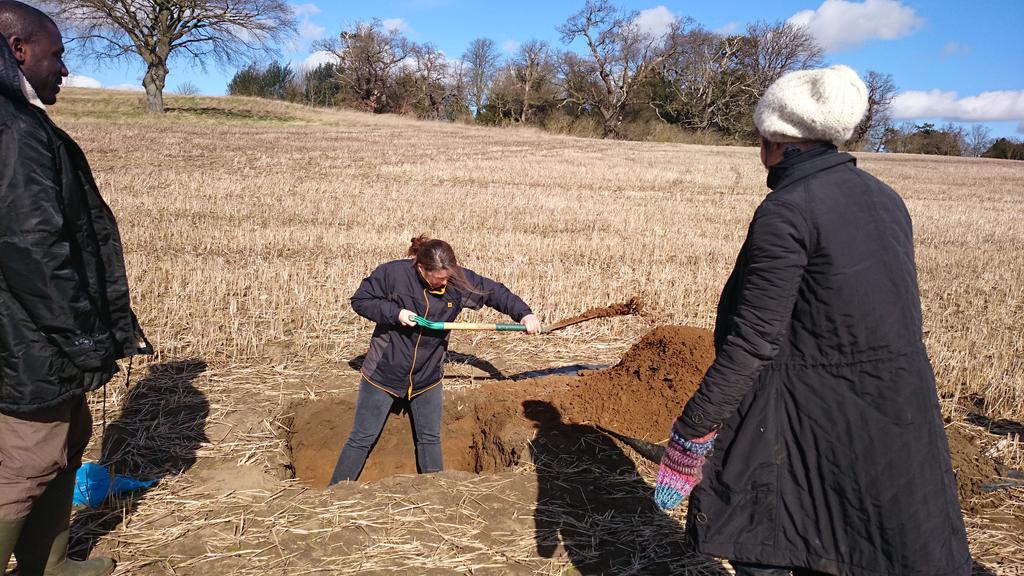
My background is in soil biodiversity rather than soil itself so I was pleased to be able to attend the course to learn more about soil functions and how to excavate a soil profile and describe the different layers. The week started with lectures and discussions on soil functions and an introduction to a research challenge which we would be working on within groups during the week. The next day comprised the BSSS ‘Working with Soils’ course – a hands-on field day were we exposed a soil profile and were shown how to use an auger (a tool for extracting a soil core).
Digging a soil profile on the BSSS Working with Soils course
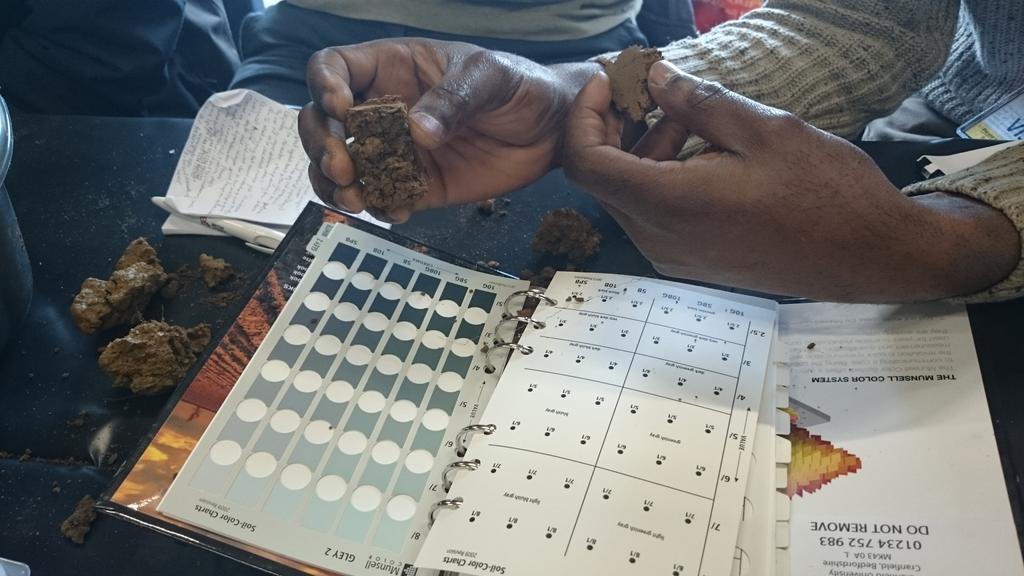
Once we had dug the hole we were shown how to identify the different soil horizons (layers), including colour (using a colour chart), texture (by handling the soil and identifying whether it is sandy, loamy or clayey).
Identifying soil colour using the Munsell Colour Book
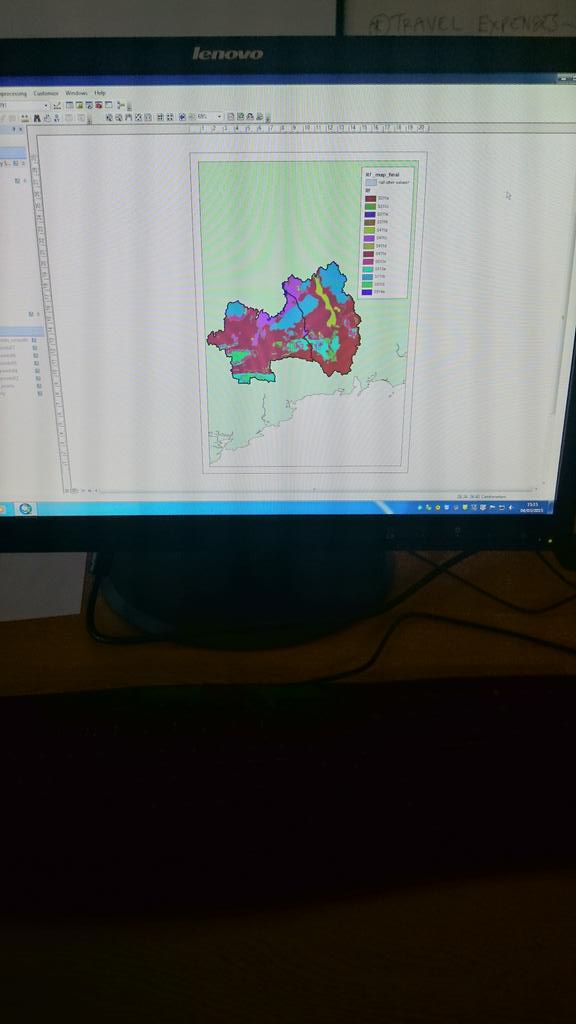
The next day we were introduced to soil data sources available in the UK and some of the software and applications that have been developed to interrogate these data. This was particularly interest to me as my research will be collating data on soil biodiversity from different sources and if I can incorporate some of the data available on soil properties into my computer modelling this could be very useful. The afternoon was spent using computer modelling techniques to predict soil properties and types and creating digital soil maps.
Using ArcGIS software to create digital soil maps
The next day covered the using of sensing technologies to estimate soil properties, including a tour of the some of the equipment developed at Cranfield University to do this. Sensors attached to a plough can be used to collect data on soil properties as it is moved across the field. This gives farmers detailed information on which part of their fields need more fertiliser etc. allowing targeted application. The final session was on how to develop a ‘pathway to impact’, this is a document often requested by funders, which provides specific plans on who are the beneficiaries of the proposed research and how to engage and communicate with them. So overall it was a really useful course for me – not only to improve gaps in my knowledge about soil but how I can communicate my research to others and what funders are looking for when I eventually make the next step and apply for future projects.
Check out my Storify for more pictures from the course: