In some ways I have an advantage as in addition to my Asperger Syndrome diagnosis I have a long history of anxiety and depression going right back to my early teens so am already equipped for dealing with mental health difficulties. Here is what I have found:
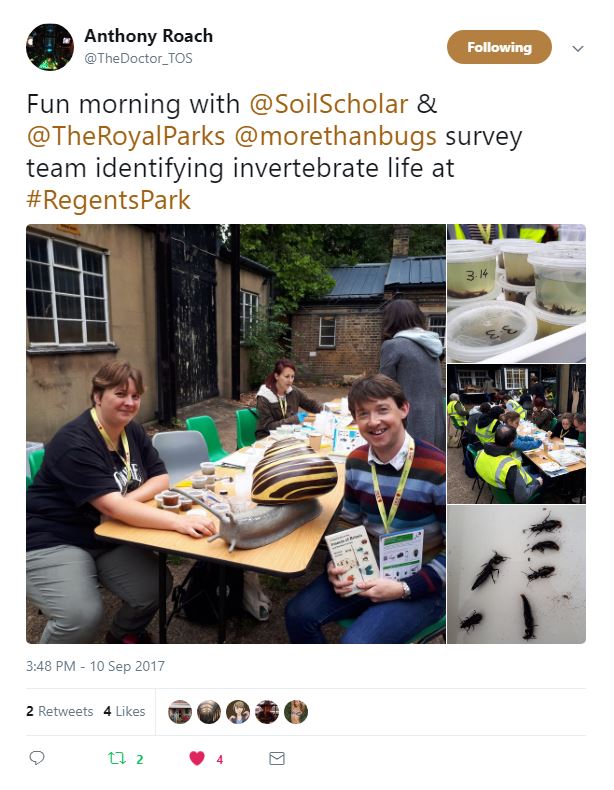
This weekend I was back at The Regent’s Park helping with their project Mission Invertebrate. This project is funded by the People’s Postcode Lottery and is investigating what invertebrates live in The Regent’s Park and how this relates to where the Park’s hedgehog population lives.
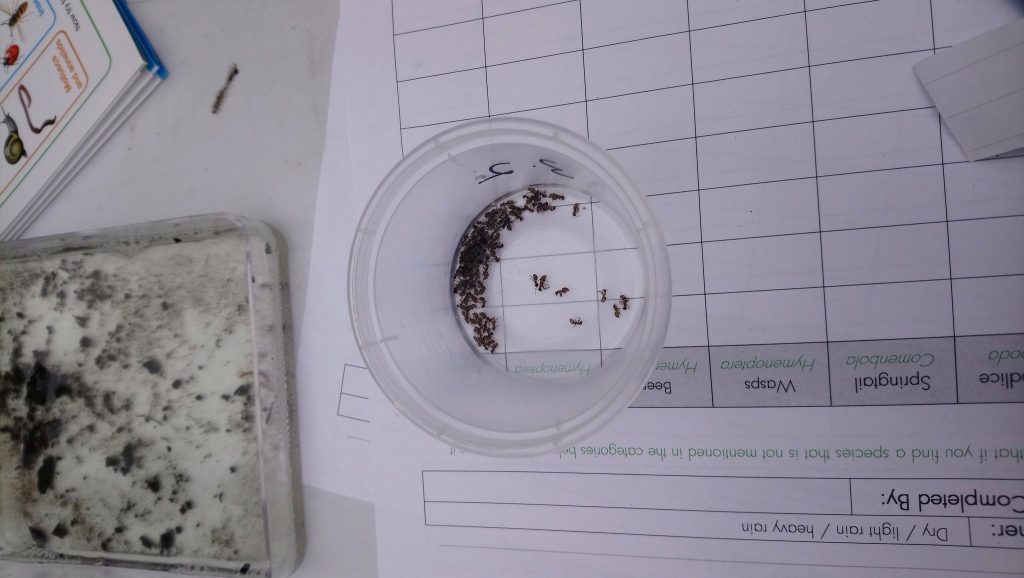
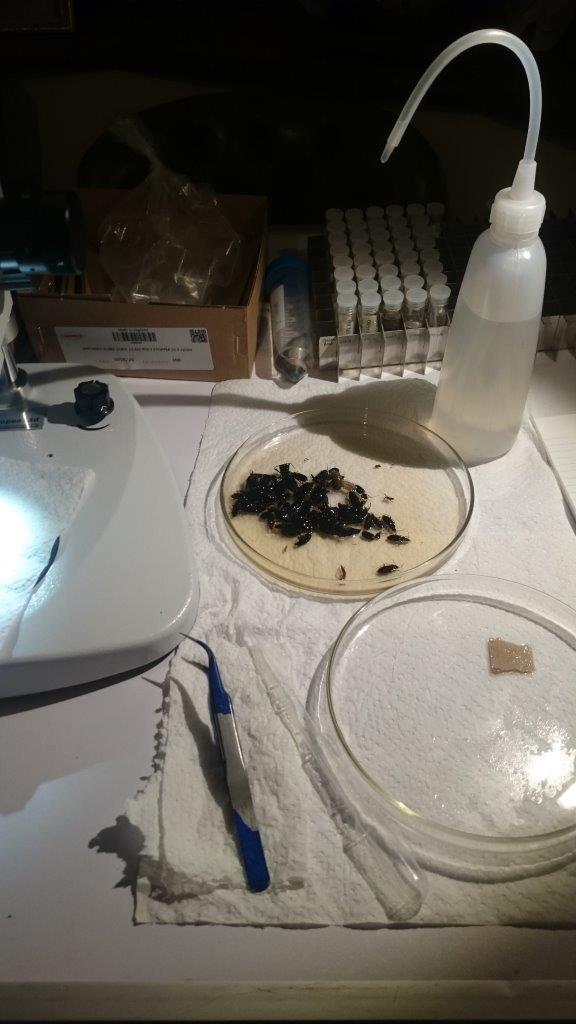
The project is a citizen science project – members of the public have been recruited to take soil cores, put in pitfall traps and count the number of slugs and snails in a set area. Myself and my colleague Anthony Roach were helping the volunteers identify the invertebrates collected in the pitfall traps. This involves picking each invertebrate out of each pot, identifying and counting them, and then putting them into a tub of alcohol to preserve them.
I have mostly been analysing data and writing at the moment so it felt really good to get outside and identify some invertebrates for a change – it reminded me why I am doing a PhD in the first place (I love the diversity of invertebrates!) and lifted my mood greatly.
Today is Endangered Species Day, which aims to make people aware about endangered species, why they are threatened and how they can be helped. An endangered species is one where its population is especially low, when the last have gone it is classed as extinct. Around the internet today there will be lots of articles on familiar endangered animals such as elephants, rhinos and tigers, but lots of smaller animals, including some earthworms, are also endangered – so I wrote a blog on these neglected animals.
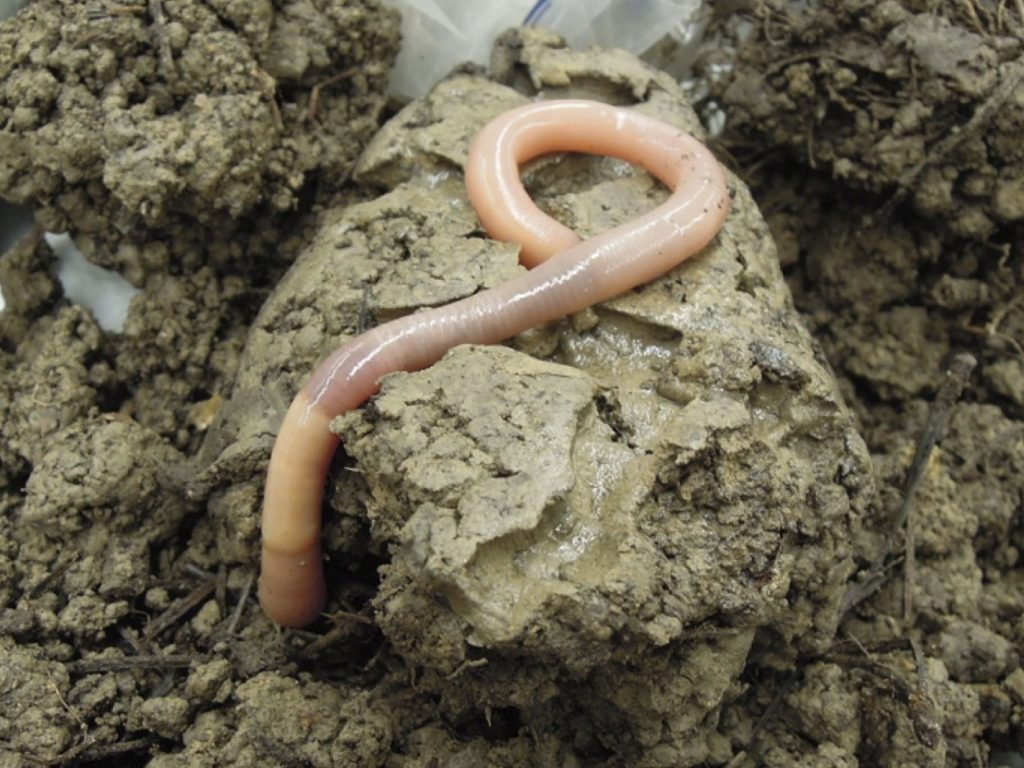
The International Union for Conservation of Nature (IUCN) assesses species to see how at risk they are of extinction on its Red List. Nearly all mammal and bird species have been assessed by the IUCN but much less is known about how invertebrate species are doing, with only 7 earthworm species assessed out of around 7000 species worldwide. Of these species, one, the Lake Pedder Earthworm (Hypolimnus pedderensis) is thought be extinct – it used to live by Lake Pedder in Tasmania but has not been seen since the site was flooded for a hydroelectric power station. Two others, the Giant Gippsland Earthworm (Megascolides australis) and Oregon Giant Earthworm (Driloleirus macelfreshi) are considered to be endangered. The Giant Gippsland Earthworm is one of the largest species of earthworm in the world, growing up to 3m long. It lives in only a small area of Australia and has much slower reproduction and smaller populations than UK earthworms making it vulnerable to land clearances to graze livestock. The Oregon Giant Earthworm lives in woodlands in Oregon, USA, and is also a large species, growing to 1m in length, and is threatened by habitat loss to agriculture and housing.
Giant Palouse Earthworm Driloleirus americanus Credit: Chris Baugher CC BY 2.0 via Wikimedia Commons
The Giant Palouse Earthworm (Driloleirus americanus) is considered vulnerable – not quite endangered but showing worrying population declines. It was thought to have become extinct in the 1980s but has since been rediscovered, although its population continues to decline due its grassland habitat in Washington and Idaho, USA, being converted to cropland and housing. Three other species of earthworm are either considered at lower risk, or not enough data is available on them to make an assessment.
Are there any endangered earthworm species in the UK? Most species are common, although they may live in specialised habitats (e.g. wetlands) but there are a couple of species which have only been seen a few times in the UK. Unfortunately we do not have enough information to decide if this is because they are endangered, were introduced accidentally and then died out, or live in places that have not been studied much. We do know that overall earthworm numbers are declining in some areas, such as highly intensive farmland but in other habitats such as pasture and gardens there can be high numbers. My citizen science project Earthworm Watch has found densities of 750 earthworms per square meter, which means the average UK garden could have over 15,000 earthworms!
After what feels like ages (actually, 5 months is quite a long time!) I have finished my fieldwork, hurrah! I sampled soil and leaf-litter invertebrates, and microbes, in total of 38 sites in 6 different land-use types (deciduous forest, coniferous forest, heathland, pasture, cropland and urban areas) with the aim to compare how species differ between them.
March arrives and it’s time for the annual Natural History Museum (NHM) Student Conference! I am on the student committee and so help with the organisation. There’s a lot to do organising a conference but we learnt from last year and with new members on the team it seemed a lot less stressful this year! Despite the stress and extra work being part of a committee and helping organising a conference is a great opportunity to learn useful skills and make contacts, so I highly recommend getting involved with one if you can.
Talks are compulsory for 3rd year PhD students like me so although I had spoken at the two previous years’ conferences (I need the practice :\ ) I was yet again up on stage. It was quite fun actually as last year I talked about developing my citizen science project Earthworm Watch which was just about to launch, now it has been running a year so I was able to give the first results from the project. I was also able to talk about some of the amazing media and outreach opportunities it has given me, including getting a grant to attend the Bristol Festival of Nature, winning an award for public engagement and being interviewed on Radio Four’s Gardeners’ Question Time.
Victoria Burton talking about Earthworm Watch at the NHM Student Conference
The majority of invertebrates hibernate during the winter, since they do not produce their own body heat like mammals and birds it is too cold for them to be active. However, 10cm under the ground the soil is often a few degrees warmer than the air and many soil animals are still active, including earthworm, so I am still busy out in the cold and rain digging them up for my PhD research – I recently found 16 earthworms from a 20 cm x 20 cm soil pit at a farm where the soil temperature was 4°C!
Frosty but sunny day for earthworm sampling
When temperatures fall below 0°C and water in the soil freezes many earthworms simply burrow into deeper layers where they can survive but earthworms which live on the surface instead rely on chemical defences to tolerate cold temperatures. Earthworms can avoid freezing by increasing the amount of sugars in their body fluids, this reduces the temperature at which they will freeze – in the same way putting antifreeze in your car washer fluid keeps it liquid.
Most of the danger from freezing is that water expands when it becomes solid, which damages the tissues of the earthworm. This damage can be reduced by reducing the water content of the body – adult earthworms are not very good at surviving dehydration, but their cocoons are so earthworm cocoons are very resistant to cold. The cocoons of the earthworm Dendrodrilus rubidus is known to survive temperatures below −40°C and in the laboratory have survived immersion in liquid nitrogen at −196°C!
The award for chilliest worm has to go to the ‘ice worms’, these are a type of potworm, (family Enchytraeidae), cousins to earthworms, and live exclusively within the ice of glaciers. They are so adapted to the cold that they die at temperatures above 5°C. You won’t find any in the UK, although you may find their relatives – small white segmented worms – while digging in the soil or in compost heaps.
If a scientist does research and doesn’t tell anyone about it, have they done research at all?
Communicating results of our research to other scientists is essential, it allows others to critique it and make recommendations, build on our work and make decisions about how to manage issues based on the results. (more…)
For the last couple of months I have been doing fieldwork in the New Forest – a National Park in my home county of Hampshire. The New Forest was previously sampled by the Natural History Museum Soil Biodiversity Group during the New Forest Qualitative Inventory in 2010 and I have been revisiting some of the sites and also new ones. The aim of my sampling is to collect soil and leaf litter invertebrates, and soil cores for microbial analysis in six different land uses which correspond to those used in the PREDICTS project: mature secondary vegetation, immature secondary vegetation (heathland), plantation forest, grassland, cropland and urban areas.
Many of the methods I am using are the same as I used in my MSc project, I dig a hole to collect earthworms and other soil animals, and sieve leaf litter which are placed in Winkler bags to extract invertebrates living in the leaves. I have also being doing pitfall trapping, which is the first time I have done it as part of a research project rather than casual recording of beetles. I really dislike pitfall trapping!
What a pitfall trap?
A pitfall trap is one of the simplest forms of collecting invertebrates for ecological surveys, it is simply a cup set into the ground so that the rim is at ground level. As the invertebrates run across the surface they fall in and are trapped. Usually the cup is filled with liquid which kills and preserves the animals until the trap is collected, although you can run them dry if they are checked often to prevent the captives eating one another. There are several variations of pitfall traps, including putting bait and using baffles to herd the animals in the trap, but I used the basic type for my research. They are not a very representative way of collecting invertebrates as they only catch things that run around on the surface – particularly predatory beetles, and I am not entirely happy with them as a way of comparing communities. However, they are commonly used for ecological surveys and I don’t think I could have got away without doing them, and I am not using them as a method alone. Eminent entomologist Prof Simon Leather discusses pitfall traps in much more detail than this on his blog – which I highly recommend.
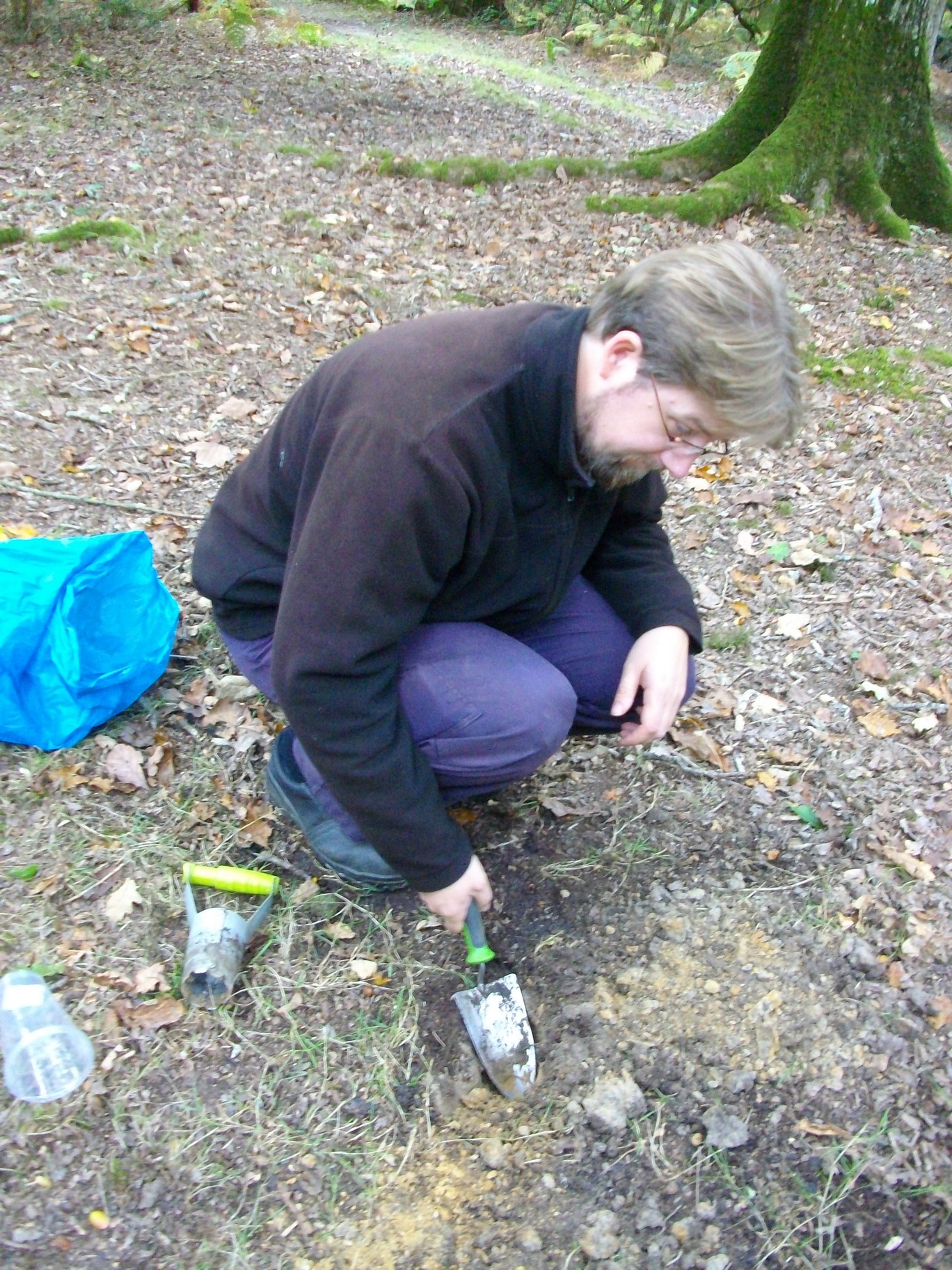
My driver/field assistant/significant other digging holes for pitfall traps
The New Forest is famous for its free roaming livestock, especially the New Forest ponies, but also cattle, donkeys and, in the autumn, pigs. It is also open to the public and popular with tourists, walkers, dog-walkers etc. so I ensured I used non-toxic preservative and covered the pitfall traps with a lid raised of the ground to try and prevent animals drinking from them. The lids also had my contact details and information on the project to avoid them being interfered with my well-meaning passers by. Unfortunately ponies do not read so I did loose three to being trampled and thrown about by ponies! So that is irritation number one.
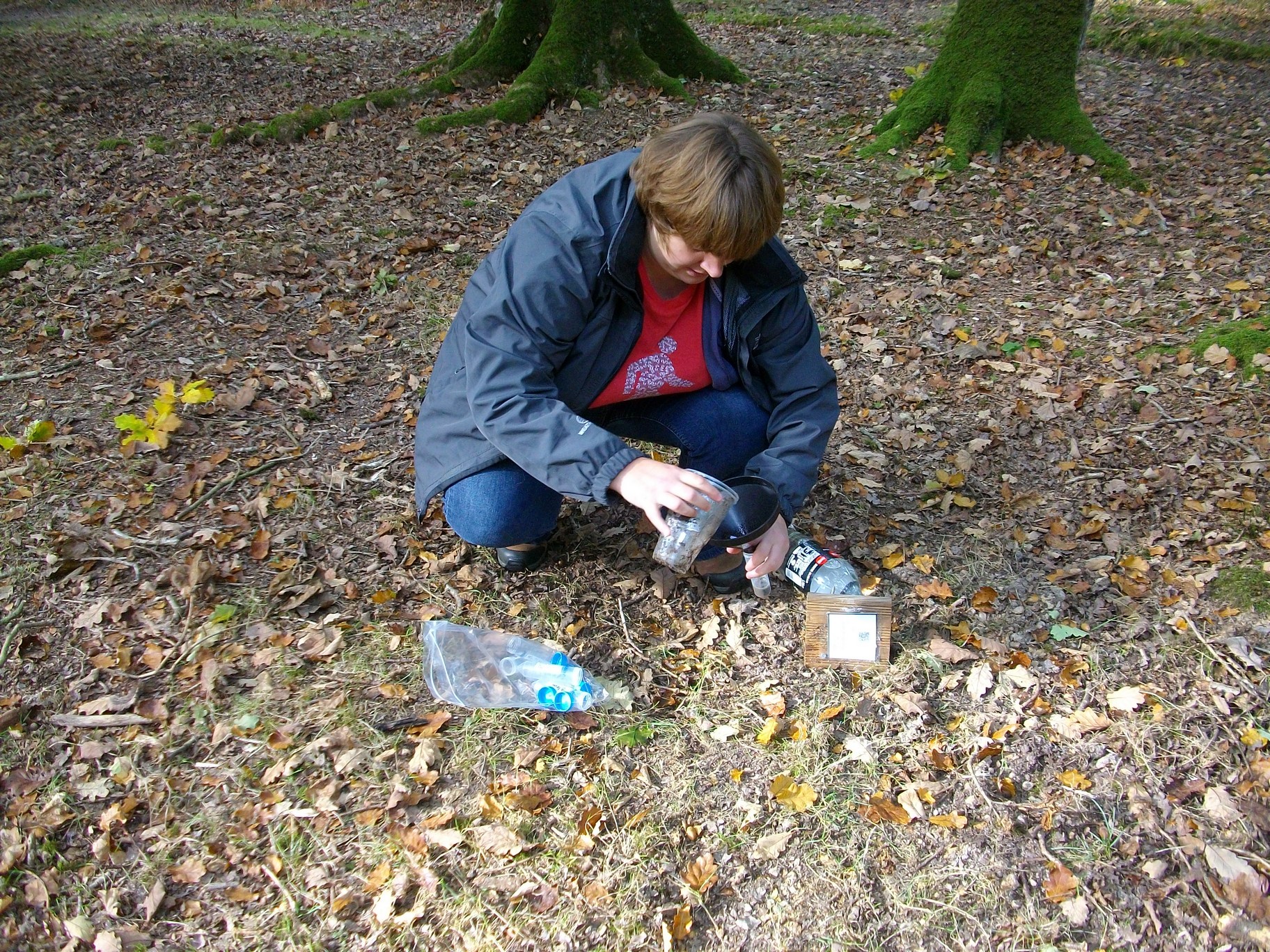
Collecting pitfall trap samples
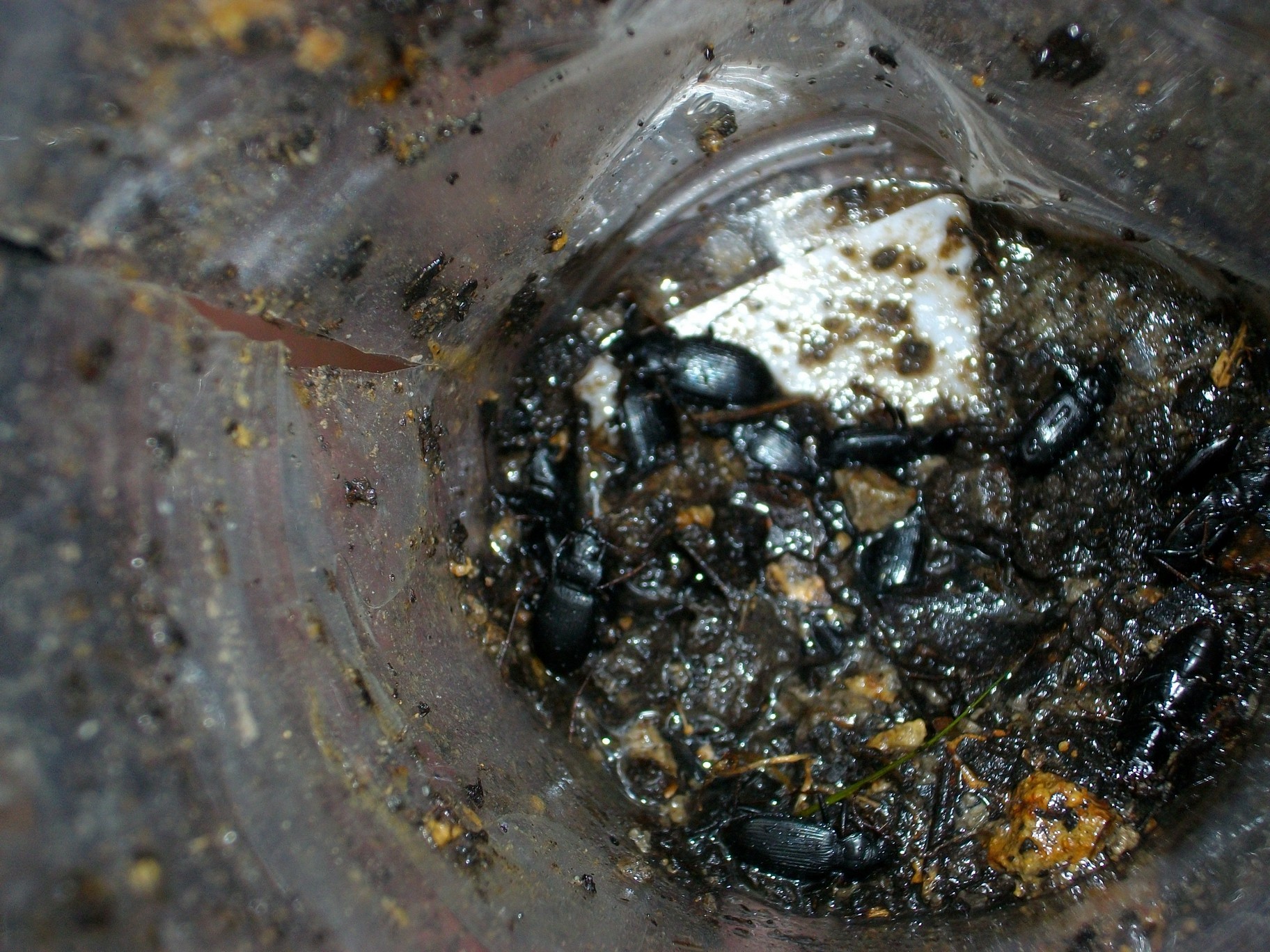
The pitfall traps were left and collected after a week, this was irritation number 2 as it meant coming back to the sites the next week, it was also sometimes challenging to find them even with GPS co-ordinates! One we never managed to find as the co-ordinates had not been recorded correctly. After all that work, here is what you get:
Yuk!
This was a particularly nasty one with lots of specimens and not much preservative, some of the others were not as bad. The worse invertebrate to find in your pitfall trap are slugs, they go horribly bloated and get slime all over the other specimens, but thankfully I did not have too many cases of those. The specimens are then rinsed off and preserved in alcohol until its time to identify them – that’s for another post!
Beetles from one of my pitfall traps awaiting identification
This final #throwbackthursday looks back to the interview and application process for my PhD, I can hardly believe that is was two years ago and I am now a third year! #gulp