The Bioengineering COVID-19 awards were developed to recognise the extraordinary efforts of students and staff in the Bioengineering department in the context of COVID-19.
Staff in the department were invited to nominate their colleagues and students for a Bioengineering Thank You Award. In their nomination, staff members had to state why they felt the work and actions of their nominee were so exceptional. These reasons could be: delivering critical departmental services despite challenging circumstances, working additional hours to ensure new processes were delivered, being involved in activities outside their role to support staff or students, or contributing to College and national COVID-19 related efforts.
I spoke with Joseph Sherwood, a RAEng Research fellow within the Department who was nominated for a Thank You Award because of his outstanding work on the JAMVENT project.
JAMVENT is a low-cost emergency ventilator, developed by a team of Bioengineers at Imperial College London in response to the COVID-19 outbreak. Its design is based on simple pneumatic components, but it is able to perform all the tasks required of an ICU ventilator for COVID-19 patients.
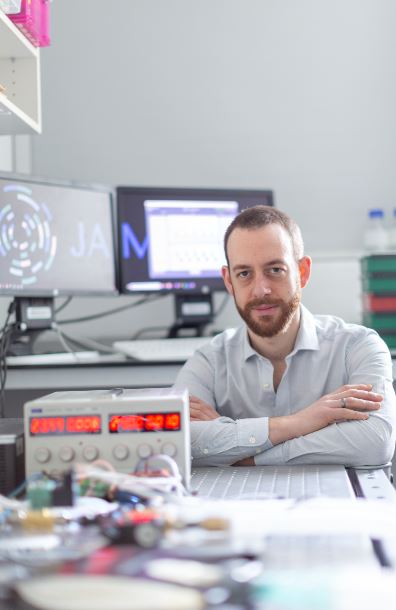
Dr Joseph Sherwood, RAEng Research Fellow
Kemi: How do you feel about being given a COVID-19 Thank You award?
Joseph: Grateful. It’s nice to be appreciated.
Kemi: How was adjusting to our “new normal” and juggling working from home while working in the lab for many hours on the JAMVENT ventilator?
Joseph: In the first 2 months of the project, I was in the lab seven days a week >12 hours a day. As college started to reopen, I transitioned to more home working. I am fortunate enough to have good space at home and an easy commute by bicycle, so it was easy enough for me.
Kemi: How did your role change during the lockdown and what limitations did you face to your work?
Joseph: I suddenly was in the lab a lot more than under normal circumstances, I actually really enjoyed being hands-on.
It was challenging but important to maintain contact with and continue to support my students, as well as supporting the PhD students and post-docs working on the JAMVENT project.
Juggling this with the technical development of the system, optimising software, writing up documentation, applying for funding, talking to potential collaborators and the press was … challenging. But, I had excellent support from the JAMVENT team (and at home) and the particular circumstances of the project kept me going.
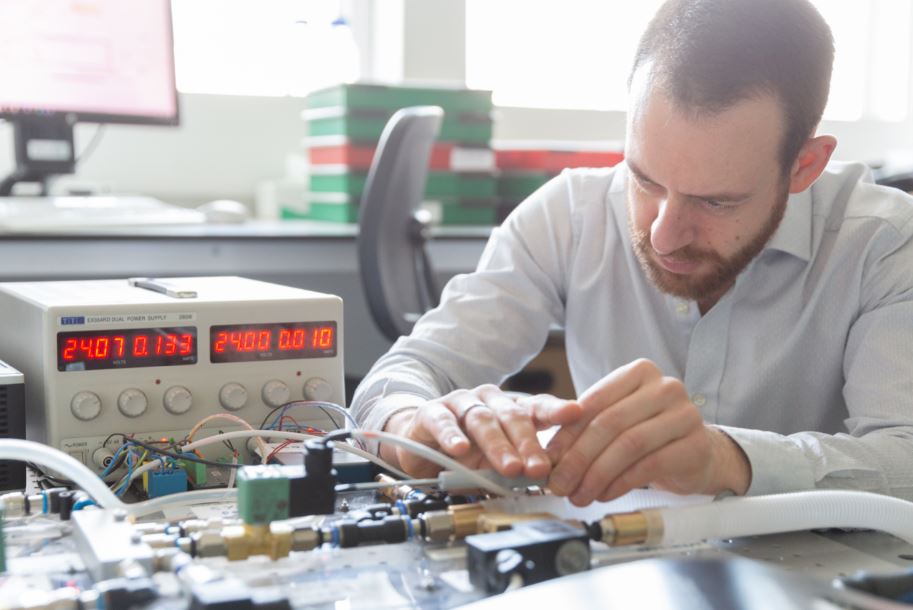
Joseph working on an early prototype of the JAMVENT ventilator
Kemi: What or who was inspiring your hard work and kept you going during the lockdown?
Joseph: The main inspiration was the hope that I could do something to help people in need of ventilators. What was amazing is this sense of purpose extended to so many people who offered their time for free to help with the project.
Kemi: What are you most looking forward to once things return to “normal”?
Joseph: Playing live music, and watching other people do so. Also (and of course primarily), finally getting married!
The Bioengineering COVID-19 awards were developed to recognise the extraordinary efforts of students and staff in the Bioengineering department in the context of COVID-19.
Staff in the department were invited to nominate their colleagues and students for a Bioengineering Thank You Award. In their nomination, staff members had to state why they felt the work and actions of their nominee were so exceptional. These reasons could be: delivering critical departmental services despite challenging circumstances, working additional hours to ensure new processes were delivered, being involved in activities outside their role to support staff or students, or contributing to College and national COVID-19 related efforts.
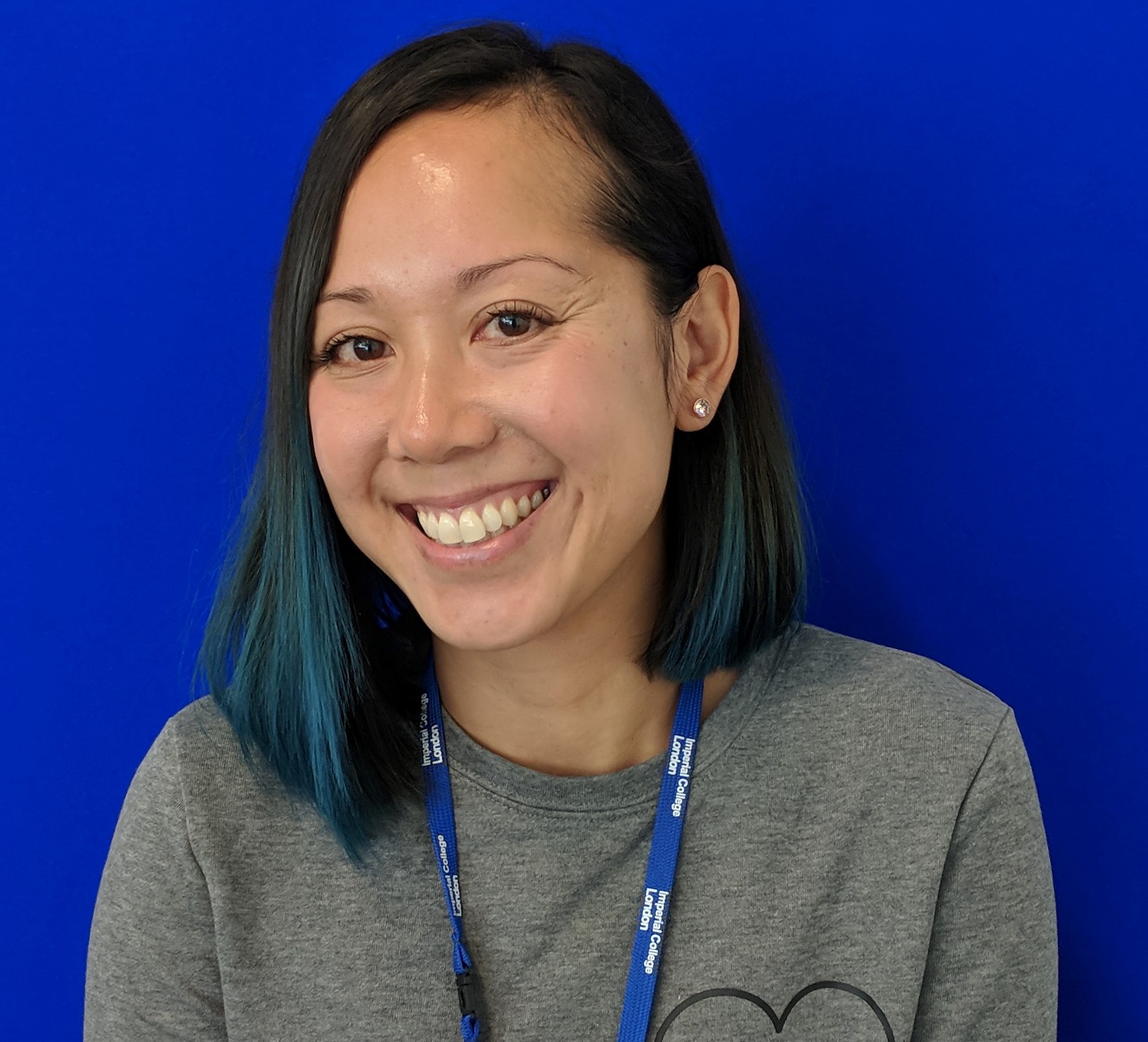
I interviewed Julia Sun, a PhD student in the Almquist Lab who was nominated for a Thank You Award due to the volunteer work she carried out during the height of the COVID-19 pandemic at St Mary’s Hospital and as a member of St John’s Ambulance.
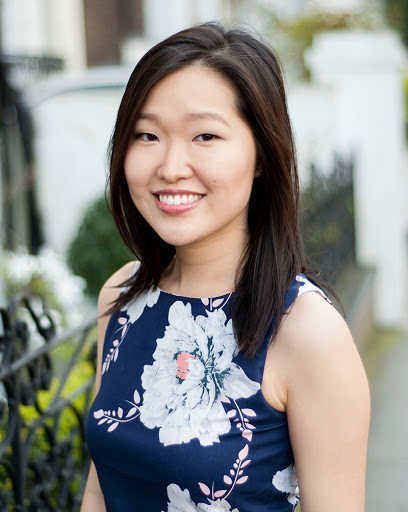
Julia Sun, a PhD student in the Almquist Lab
Kemi: How do you feel about being given a COVID-19 Thank You award?
Julia: I feel humbled and honoured by this recognition, and am delighted to receive this award!
Kemi: How was adjusting to our “new normal” and juggling working from home alongside volunteering with St Marys along with your additional role with St John’s ambulance?
Julia: I am very fortunate to have two amazing supervisors who supported my volunteering work at St Mary’s Hospital during some of the most stressful and uncertain times of the closure. As with any changes, it was initially challenging to start a different way of living, but going to the hospital helped me settle into a new routine and gave me the opportunity to do purposeful, fulfilling work even when my PhD progress was halted.
Kemi: Were you anxious about the risk of catching COVID during your commutes or while you were working on the frontline?
Julia: I was initially anxious since many of the frontline healthcare workers were becoming ill and the nature of working in a COVID-affected hospital makes it impossible to avoid risk. However, the nurses and staff at St Mary’s Hospital were incredible and took great care to ensure I was comfortable and as safe as possible with the risks we were taking.
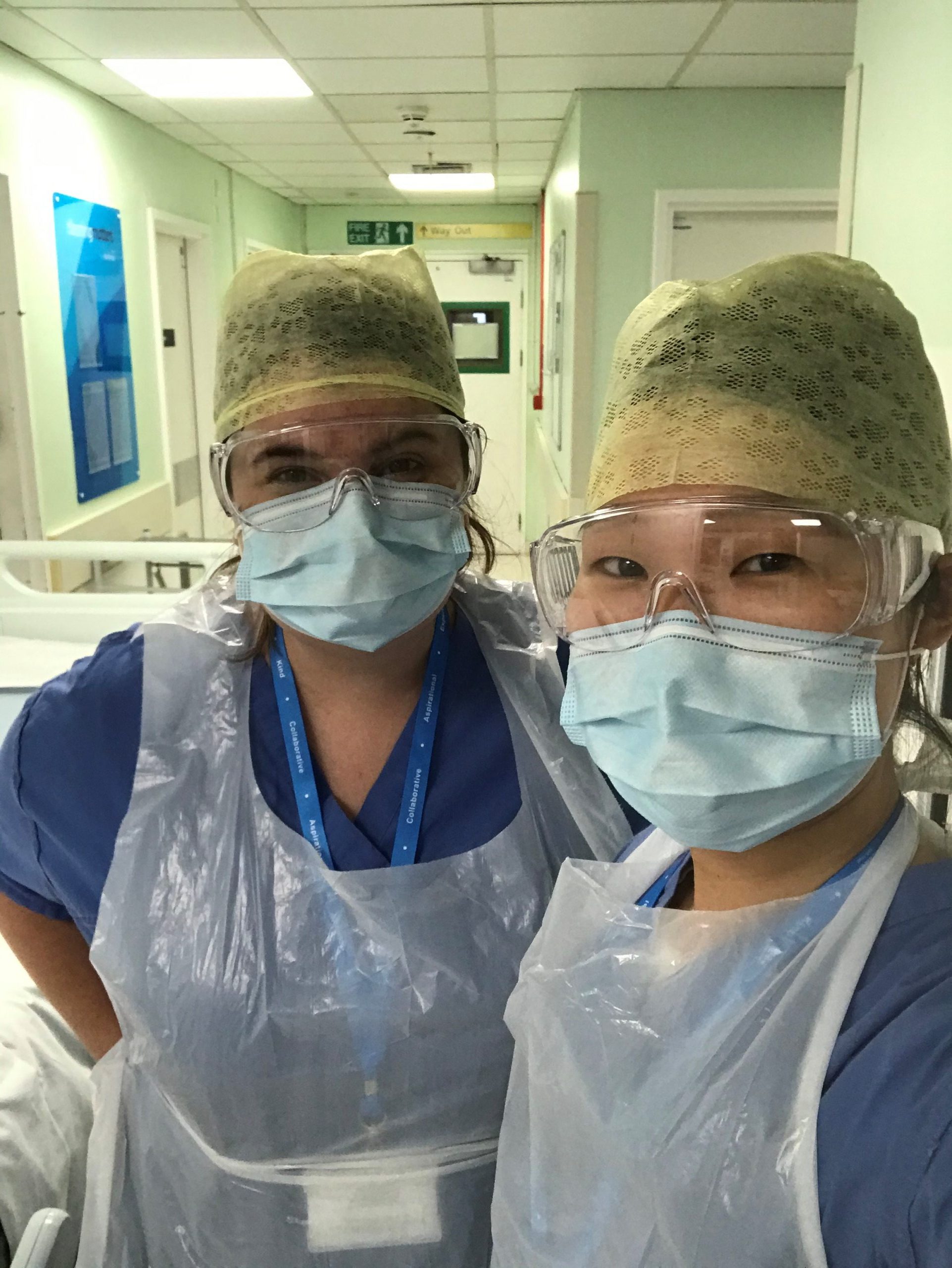
Julia and a colleague volunteering at St Mary’s hospital
Kemi: What or who was inspiring your hard work and kept you going during the lockdown?
Julia: In the height of the pandemic, I felt deeply the pain and suffering experienced by those affected by COVID-19, and I felt a sense of duty and responsibility to act. The patients that I had the opportunity to get to know in the hospital wards were who kept me going back shift after shift. The hospital’s no-visitors policy was hard on everyone, healthcare workers and patients alike, and I was incredibly thankful for the opportunity to use my time and skills to meet the needs of my community.
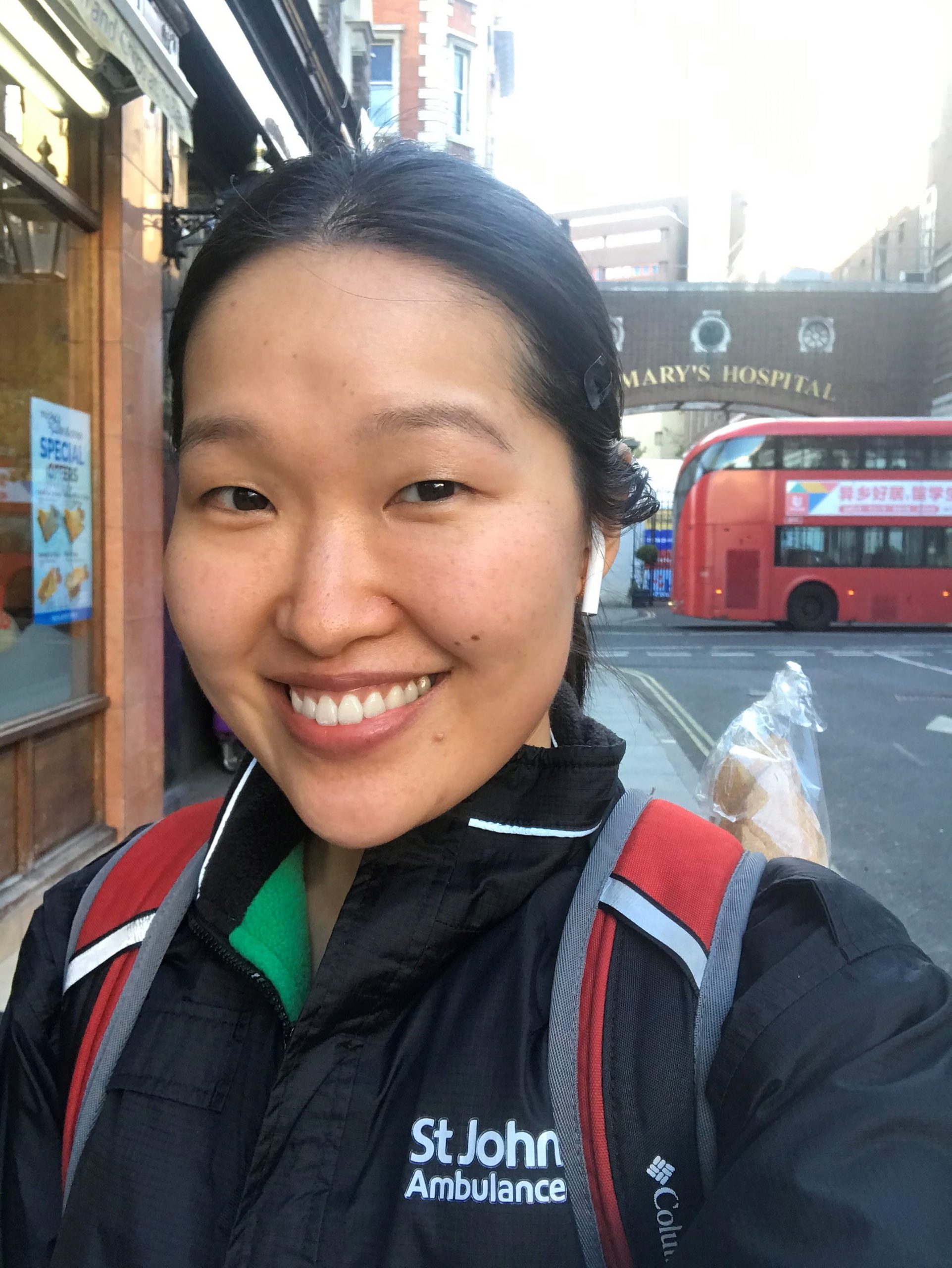
Julia at St Mary’s Hospital in Paddington
Kemi: What are you most looking forward to once things return to “normal”?
Julia: Eating together with friends at my favourite Korean hotpot restaurant and experiencing live theatre again!
The Bioengineering COVID-19 awards were developed to recognise the extraordinary efforts of students and staff in the Bioengineering department in the context of COVID-19.
Staff in the department were invited to nominate their colleagues and students for a Bioengineering Thank You Award. In their nomination, staff members had to state why they felt the work and actions of their nominee were so exceptional. These reasons could be: delivering critical departmental services despite challenging circumstances, working additional hours to ensure new processes were delivered, being involved in activities outside their role to support staff or students, or contributing to College and national COVID-19 related efforts.
I spoke with Julie Hoang, the department’s Learning Technologist, who was nominated for a Thank You award due to the immense hard work she put in to support the setting up of remote assessments. We discussed how her role changed due to the lockdown and how she adjusted to these changes.
Julie Hoang, Learning Technologist in the Department of Bioengineering
Kemi: How do you feel about being given a COVID-19 Thank You award?
Julie: I’m really thrilled to have been nominated, it has been a huge learning experience and despite the difficult situation things have been pretty smooth all round. The Student Office team have been great and stayed positive throughout, our joint efforts made it much less stressful than it could have been.
Kemi: How was adjusting to our “new normal” and juggling working from home, having to deal with changing processes, managing student welfare as well as dealing with family life?
Julie: It has been amazing being able to reduce my 4-hour daily commute to 0 and although my two girls have been mostly brilliant, they seem to delight in popping up behind me and waving in most of my Teams meetings which has been slightly irritating. It’s been really nice having the time to do and grasp new things with work and home. I have been experimenting with video creation and I am learning how to play the guitar and crochet.
Kemi: How did your role change during the lockdown and what limitations did you face to your work?
Julie: Normally I don’t have a major role in running exams, however this year I had to learn all the processes and adapt them to the current norm. It was very busy and crazy at times but the adrenaline from the pressure and stress did me good! I also really enjoyed being able to interact with students and to read their first test submissions about how they were coping and what they were going to do when exams were over. I don’t interact a lot with students in my role so it was nice to be able to support them a bit more.
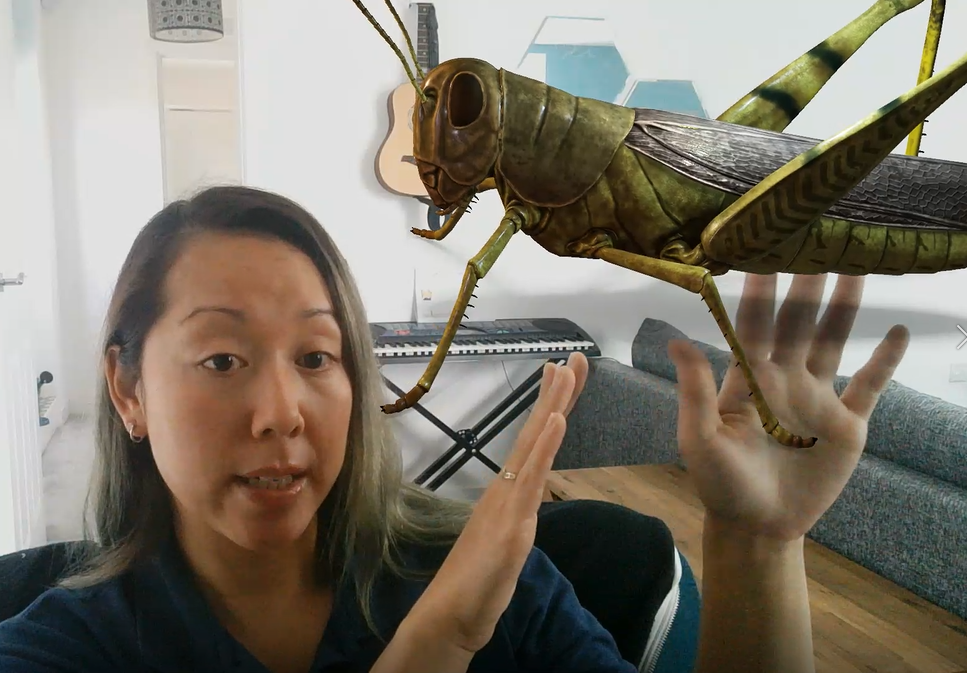
Julie working from home and experimenting with teaching software.
Kemi: What or who was inspiring your hard work and kept you going during the lockdown?
Julie: I think I must thrive on the pressure as it was quite a buzz! I am very much a supporter of a student-centred education system and as cheesy as it sounds being able to support them in uncertain times with what must have been the most stressful experience in their education so far was a no brainer.
Kemi: What are you most looking forward to once things return to “normal”?
Julie: I’ve grown to appreciate being at home more and it’s been lovely to be able to grow plants, save money and give my family bad hair cuts, however, I look forward to seeing and working in the new student office, swimming at Ethos again and having ginger and blueberry scones from Gail’s! I’m also planning on doing a DIY campervan conversion so watch this space!
The Bioengineering COVID-19 awards were developed to recognise the extraordinary efforts of students and staff in the Bioengineering department in the context of COVID-19.
Staff in the department were invited to nominate their colleagues and students for a Bioengineering Thank You Award. In their nomination, staff members had to state why they felt the work and actions of their nominee were so exceptional. These reasons could be: delivering critical departmental services despite challenging circumstances, working additional hours to ensure new processes were delivered, being involved in activities outside their role to support staff or students, or contributing to College and national COVID-19 related efforts.
I spoke with Emily Mayhew about her award and what drove her to create her History of the Potato series which she used to educate and entertain the children of Bioengineering staff members during lockdown.
Dr Emily Mayhew, Historian in Residence at the Centre for Blast Injury Studies in the Department of Bioengineering
Kemi: How do you feel about being given a COVID-19 Thank You award?
Emily: Absolutely potato-tastic – I am honoured to be included amongst my always amazing colleagues in Bioengineering who are doing so much to support everyone dealing with COVID and each other in a really difficult time.
Kemi: How was adjusting to our “new normal” and juggling working from home and delivering your virtual education series?
Emily: I have a deadline for my new book, so I would have been working from my home office anyway. It can be very immersive when you get to the last stage of writing and editing, so the Potato Project allowed me to do proper research but on an entirely different topic. Probably my most significant adjustment was learning how to use the various digital meeting platforms. I never thought I would be able to master all of them and be able to discuss their various advantages and disadvantages when planning on-line meetings.
Kemi: What inspired your History of the Potato education series and how did you develop it?
Emily: Several things came together at once. Firstly, I was so inspired by my Imperial colleagues and I wanted to try to support them as they do such crucial work. But as a historian, I am a bit limited in what I can offer apart from teaching. I realised that homeschooling was challenging and that what families really wanted was face to face learning at a regular time each week, rather than downloadable resources. I also wanted to teach a subject that might be useful later on in the school curriculum. I know that there are plans to introduce a natural history GCSE, that incorporates biology, history, and environmental science, so I thought that one single plant could tell a story of our planet from its earliest days and on into the future.
In the end, the Potato Project comprised 12 learning sessions, that went from the evolution of the potato in the Andes and how Incan farmers developed methods using science and engineering and LLAMAS (don’t forget the llamas) so it could become a staple crop, to the causes of the potato famine in Ireland in 1845, to industrial production of potatoes for mash and crisps – everyone in the PP designed a new flavour of crisps and a recipe for mashed potatoes. We even discovered the origins of Mr Potato Head and how it is possible to grow potatoes on Mars. I also discovered that all the Projecteers were really good at Lego so we had one session about ongoing Lego work – although it proved much easier to make a Lego llama than a Lego potato (almost anything is easier to build in Lego than a potato).
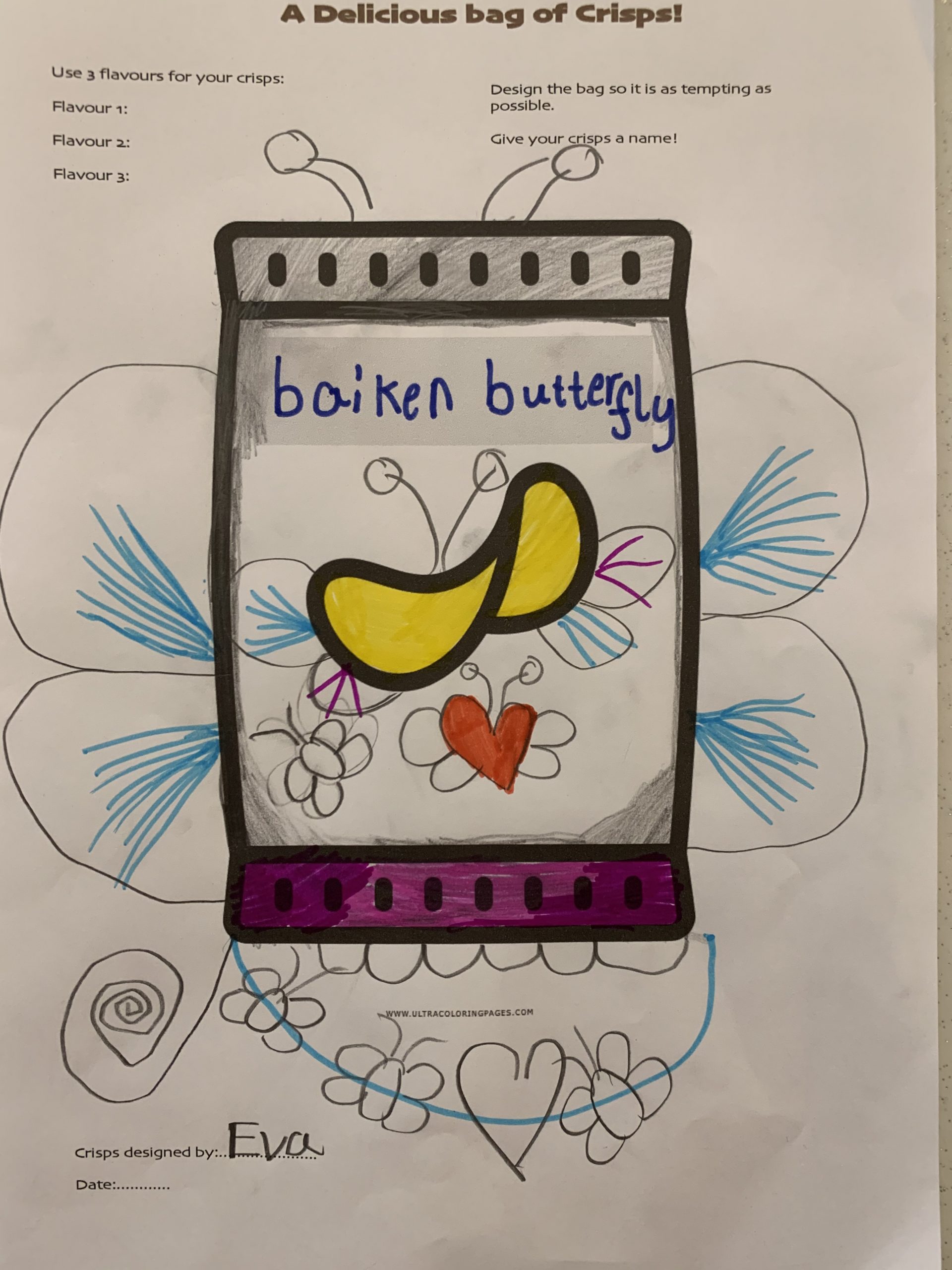
Emily encouraged the children taking part to get creative! This is the Baiken Butterfly crisp packet design which has been skilfully coloured in by Eva Stan
Kemi: How did your role change during the lockdown and what limitations did you face to your work?
Emily: I thought about potatoes more than I have ever done before, and I discovered that there are almost no limits to the interesting things that can be learned about them. It did make me want to eat chips a lot, and I was trying to eat healthily. But since I discovered as part of the Potato Project that chips with the skins left on are really quite healthy, I felt reassured that I was doing the right thing.
Kemi: What or who kept you going during lockdown?
Emily: The Potato Projecteers and their brilliant families who made sure they were logged on to their various devices each week, and who answered a lot of Potato Project surveys on favourite potato dishes – and who even cooked some special Potato Project recipes! In case you are wondering what the favourite potato dishes are in Bioengineering, the result was a pretty even split between chips and potato dauphinoise, with a very strong third-place showing for baked potatoes.
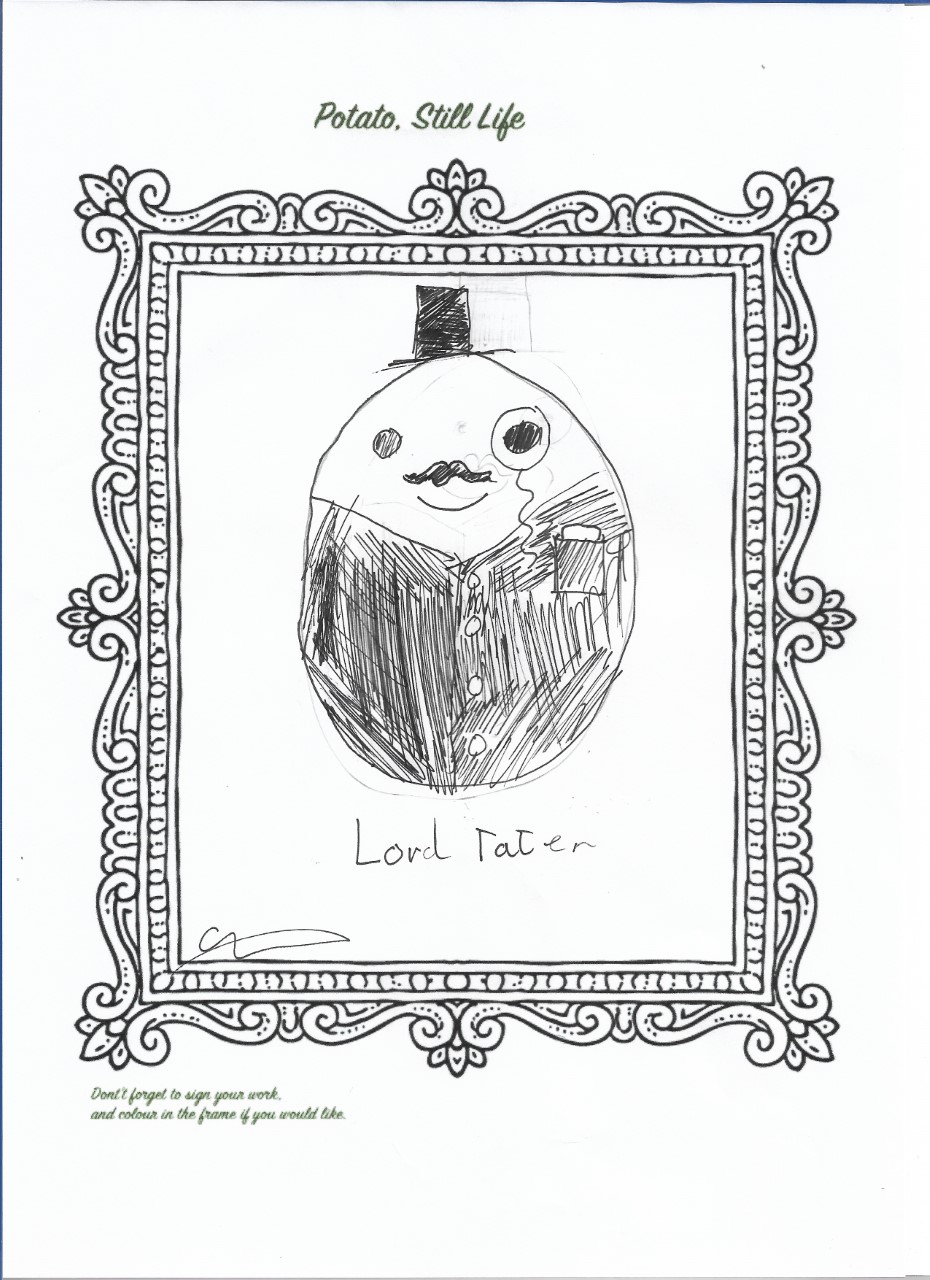
Another fantastic drawing by an attendee to the History of the Potato series. This is the Lord Tater portrait by Ethan Wilmot.
Kemi: What are you most looking forward to once things return to “normal”?
Emily: I am really looking forward to meeting the Potato Projecteers and their families in person. I hope one day we will all be able to get together, maybe sing the Baked Potato song and then chips for everyone on me! I am also hoping we might be able to organise a Potato Project special event in the department so EVERYONE can appreciate the incredible qualities of Solanum tuberosum.
The Bioengineering COVID-19 awards were developed to recognise the extraordinary efforts of students and staff in the Bioengineering department in the context of COVID-19.
Staff in the department were invited to nominate their colleagues and students for a Bioengineering Thank You Award. In their nomination, staff members had to state why they felt the work and actions of their nominee were so exceptional. These reasons could be: delivering critical departmental services despite challenging circumstances, working additional hours to ensure new processes were delivered, being involved in activities outside their role to support staff or students, or contributing to College and national COVID-19 related efforts.
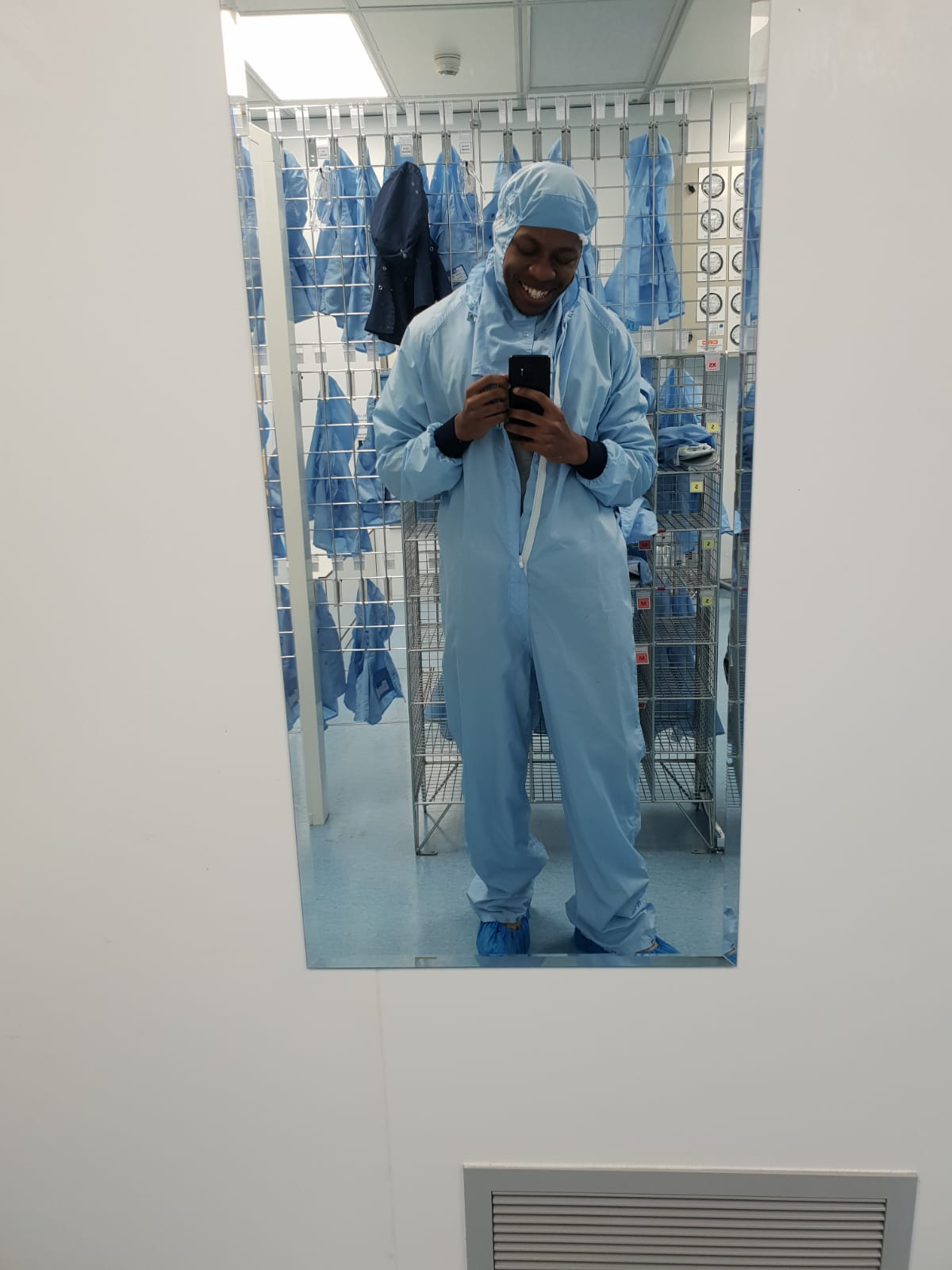
I interviewed De-Shaine Murray, a PhD student in the Boutelle Lab who was nominated for a Thank You award due to his work in founding the Imperial College London Black Doctoral Network. We discuss what inspired him to start up the network and what he hopes the network will achieve.
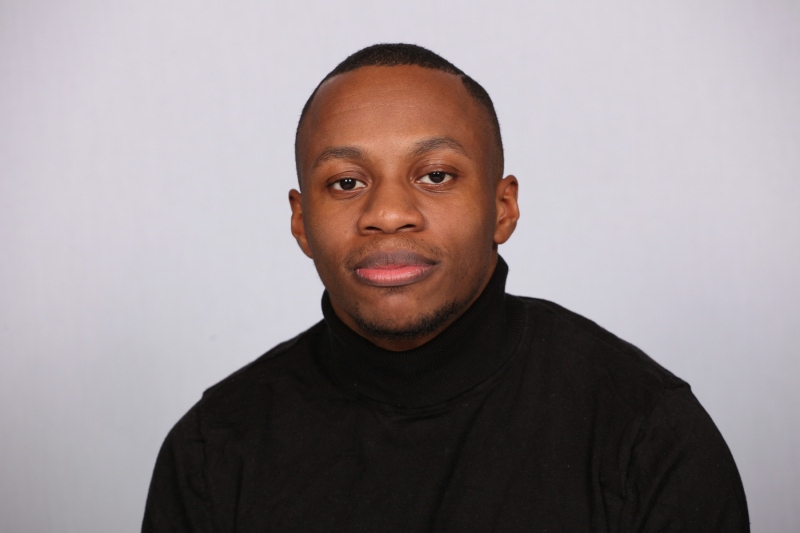
De-Shaine Murray, PhD student and founder of the Imperial College London Black Doctoral Network
Kemi: How do you feel about being given a COVID-19 Thank You award?
De-Shaine: I am very honoured and it came as a big surprise. I was so caught up in the work I was doing that I actually didn’t initially see that I had received the award until receiving the email about this article. I looked back and then saw the award, which I am pretty embarrassed about. That in itself pretty much sums up how turbulent this period has been, but to be recognised for my work really does mean a lot.
Kemi: How was adjusting to our “new normal” and juggling working from home during lockdown, especially during the Black Lives Matter protests sparked by the murders of George Floyd and Breonna Taylor?
De-Shaine: To be honest, describing my adjustment to this period as hard would be an understatement. I actually came straight back from a conference and visiting family in Chicago and Toronto respectively and lockdown happened about 10 days later. Going from the complete freedom of a holiday to being in lockdown with my parents (when I am used to living away from home) was very strange. Unfortunately, this got more difficult upon losing a family member to COVID-19 and being caught up in a wider discussion of racial disparities in April that led to a BBC article, news appearance and a BBC WM interview. https://www.bbc.co.uk/news/health-52338101
Soon after, the Ahmaud Arbery video was posted on social media which I saw and really rocked me to my core as we are the same age. Around the same time, the full details of what happened to Breonna Taylor emerged and seeing the disregard in dispensing justice for her brutal murder sickens me. Being shot in your own bed by people who are supposed to protect and serve says a lot about the lack of value placed on Black lives. By the time we got to George Floyd’s murder, it was a bit of an overload. I still haven’t watched the full video and I refuse to because Black death is normalised, I have seen enough from Philando Castile to Eric Garner, Tamir Rice and Sandra Bland, even whilst I write this another unarmed Black person was shot in Kenosha, Wisconsin with his back to police officers.
These events are terrifying but not isolated, COVID-19 just stopped the world for long enough for everybody to see what was happening. The adjacent protests in the UK, France, Germany, Canada, Australia, Belgium, Brazil and so on, speak to the fact that anti-blackness is global. Many countries amassed large sums of wealth over treating Black people as commodities and after the abolition of slavery and continued colonialism, those inequalities were perpetuated systemically, such that we live in a structure that actively discriminates against Black people. With George Floyd, we saw the worst of physical, overt racism but the lives of Black people, my own included are filled with constant reminders that many do not value our humanity and this period has brought many difficult moments from my past back to the forefront. In this country I am 9x more likely to be stopped and searched, less likely to receive a first or 2:1 via the awarding gap, Black women are 5x more likely to die in childbirth, Black people are 4x more likely to be sectioned and this is before talking about my personal experiences of racism, threats to my life and the precautions I take on a daily basis to avoid becoming another statistic.
Therefore, doing work in a highly experimental project that I undertake at both Imperial and Cambridge facilities became next to impossible under this backdrop. That was really difficult for me, so I put my energy into other things, whilst trying to do as much as I could on my own work during this climate.
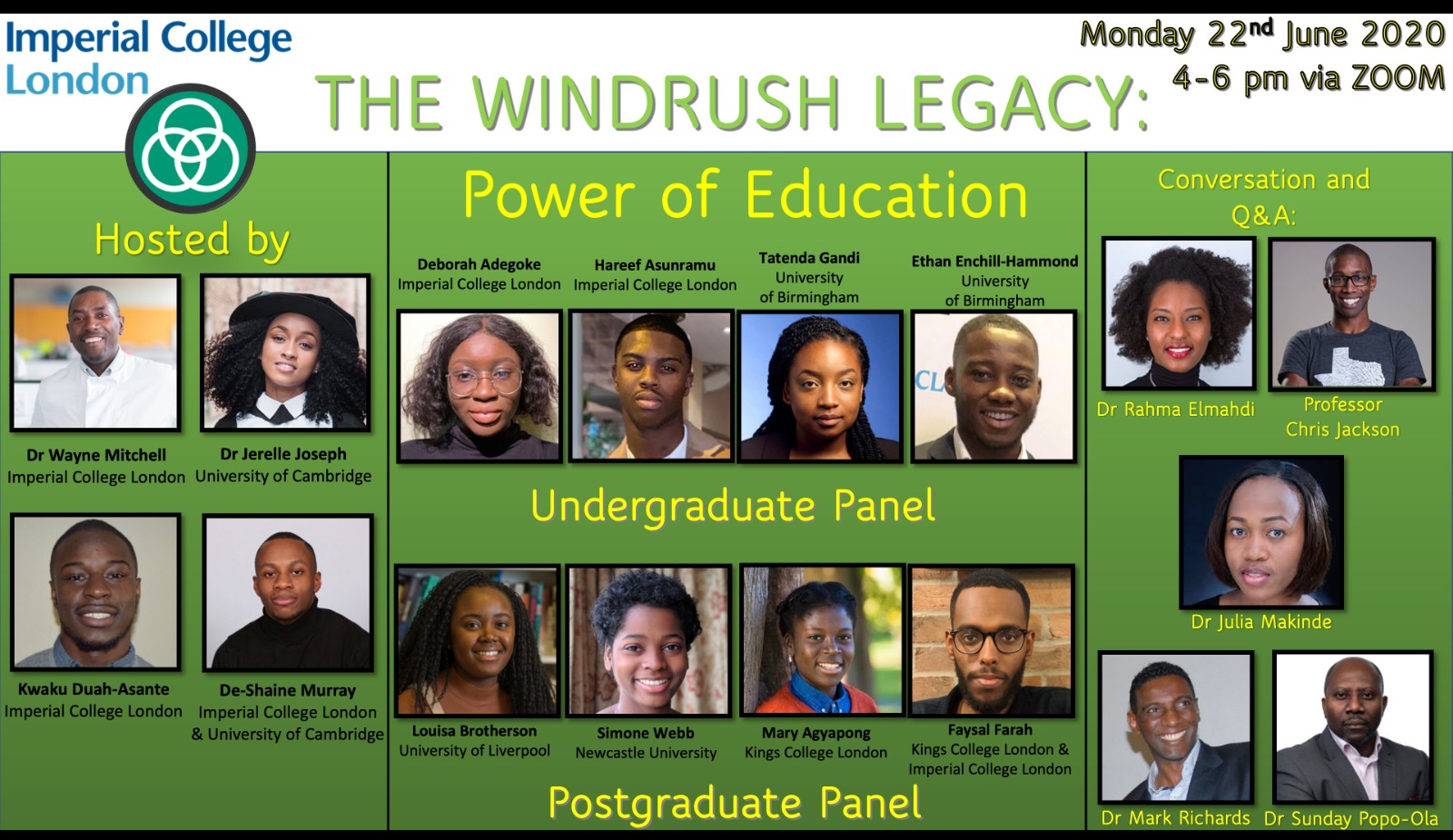
De-Shaine has been involved in and hosted many panels, virtual and in-person events that are organised to highlight Black researchers, their stories and what can be done to create spaces in academia that are diverse
Kemi: What inspired you to set up the Imperial Black PhD and Early Career Researcher Network and how did you go about doing this?
De-Shaine: The Imperial Black PhD and Early Career Researcher Network was birthed out of a few suggestions. After receiving a very detailed and thoughtful email from Prof Anthony Bull, I thought I would reply with a few places where I felt instant direct action could be implemented. PhD studies can be very isolating by nature but when coupling this with being a Black person in the academy, it can be a very tortuous path. I myself am the only Black person who has been admitted into my Centre for Doctoral Training since its existence and know first-hand how few of us are actually at PhD level and beyond whether here or in other institutions. This is a national problem (and international).
So my ideas included counselling for Black students, many of whom (myself included) would have been disproportionately affected by COVID-19 – another symptom of structural racism as per the PHE report but also putting a structure in place to actively support PhD and Post-doctoral members of Imperial who fall beyond the scope of undergraduate societies and are not fully recognised as staff. I didn’t expect these suggestions to get escalated in the way that they were but would like to thank Prof Anthony Bull and Dr Nick Linton for doing so and from that the network was born.
I must caveat this with the fact that I have set up networks like this in the past. I am a co-founder of the African-Caribbean Research Collective which provides a safe space and community for PhD students of Caribbean descent across the country. We have since started up a West-African and East-African community all under the same banner with the view of having a national Black Research Collective of similarly aged and staged students who will support each other through the broken pipeline outlined in many higher education reports, including from Leading Routes https://leadingroutes.org/mdocs-posts/the-broken-pipeline-barriers-to-black-students-accessing-research-council-funding.
We do this work without institutional support, often at a great personal cost but I hope that this will soon change and I believe the Imperial Black PhD and Early Career Researcher Network can be a beacon to other universities and Imperial itself on how to properly support Black students in their institutions. This is however only a piece of the wider, more holistic puzzle.
Kemi: What are your hopes for the Network and for Black people at Imperial?
De-Shaine: I would love the network to firstly be empowering for all involved. At its core, it will be social and give its members a chance to speak honestly, be themselves, develop friendships and see positive, visible role models to aspire to emulate and surpass. Many of us within the network are the “only” Black students in our departments, who have never been taught by Black faculty. That is very disheartening and seeing that every day, especially in a multicultural city like London where our institution does not reflect our surroundings is saddening. This network is being designed to counteract those feelings, to build a sense of belonging among Black PGR members of Imperial and provide them with the support to excel. I would hope to see this space develop into a hub for both personal and professional development, a place where concerns can be addressed and dealt with, collaboration could be fostered but also providing a clear route for masters students and undergraduate students, such that our Black students that are already at Imperial, feel that they can be retained and progress and realise their own potential in academia.
De-Shaine has still found the time to carry out research towards his PhD and works in laboratories at both Imperial and Cambridge University where he is also a PhD student.
Kemi: You were part of the team that set up #BlackInNeuro, a network created to highlight Black Excellence in neuro-related fields. Did the success of the #BlackInNeuroWeek campaign surprise you?
De-Shaine: To a certain extent yes, I knew we were developing something amazing when organising it but seeing the reach, the media coverage from Forbes to USA Today, the twitter impressions which were ridiculous (over 3 million on the first day) confirmed just how powerful what we had put together was. The fact that BlackInNeuro came together in less than a month, organised a highly successful week and has already been able to put the structure in place to have a lasting future and legacy (watch this space) is testament to the fact of what can be achieved when Black students (and amazing allies) don’t have to worry about code-switching, imposter syndrome, racism, bias and fitting into constraints of the academy. We all respected each other from day 1, got on with the work and the vision we have and we have already had a global impact. I think we have set a precedent and shown many institutions how to engage properly in widening participation without being tokenistic, lethargic, performative and condescending.
Kemi: What or who was inspiring your hard work and kept you going during the lockdown?
De-Shaine: It has to be my family. I owe a lot of things to my parents, my sister, my grandparents and wider extended family. I have an amazing support structure from them and my church, that keeps me grounded, reminds me of the bigger picture and helps me make sense of the world around me. Knowing their stories and the sacrifices, hardship and fight to create a better life for myself is what spurs me on and keeps me going. I think being of Jamaican descent and seeing the negativity associated with the Windrush generation which gave so much to this country was another fuel to the fire. I was doing a lot of this work before but the current social climate really drilled home the importance of continuing to push for equity, equality and driving forward meaningful change.
Kemi: What are you most looking forward to once things return to “normal”?
De-Shaine: To be honest, it will be spending more time with my friends and family both at home and abroad. I love interacting with people and that is probably what I miss the most. Zoom calls are convenient but they are definitely no substitute for the real thing. So, it definitely has to be that consistent, in-person interaction which is currently missing/highly reduced. I don’t think many of us will take our nearest and dearest for granted after this period and I definitely fall into that category.
The Bioengineering COVID-19 awards were developed to recognise the extraordinary efforts of students and staff in the Bioengineering department in the context of COVID-19.
Staff in the department were invited to nominate their colleagues and students for a Bioengineering Thank You Award. In their nomination, staff members had to state why they felt the work and actions of their nominee were so exceptional. These reasons could be: delivering critical departmental services despite challenging circumstances, working additional hours to ensure new processes were delivered, being involved in activities outside their role to support staff or students, or contributing to College and national COVID-19 related efforts.
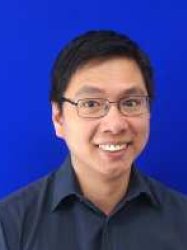
I interviewed Joel Eustaquio, Bioengineering Core Lab Technician who was given a Thank You Award to discuss how he found working during lockdown and what has kept him going during this challenging time.
Joel Eustaquio, Bioengineering Core Laboratory Technician
Kemi: How do you feel about being given a COVID-19 Thank You award?
Joel: I’m very honoured to be considered and it’s greatly appreciated. Though I have to share this with the whole tech team, as they deserve the credit as much as I do.
Kemi: How was adjusting to our “new normal” whilst still having to travel and work in deserted spaces?
Joel: Unsettling at first, it was sad seeing a once bustling campus turn into a “ghost town”. Also, I found out that I’m not the type who can stand working from home for too long!
Kemi: What or who was inspiring your hard work and kept you going during the lockdown?
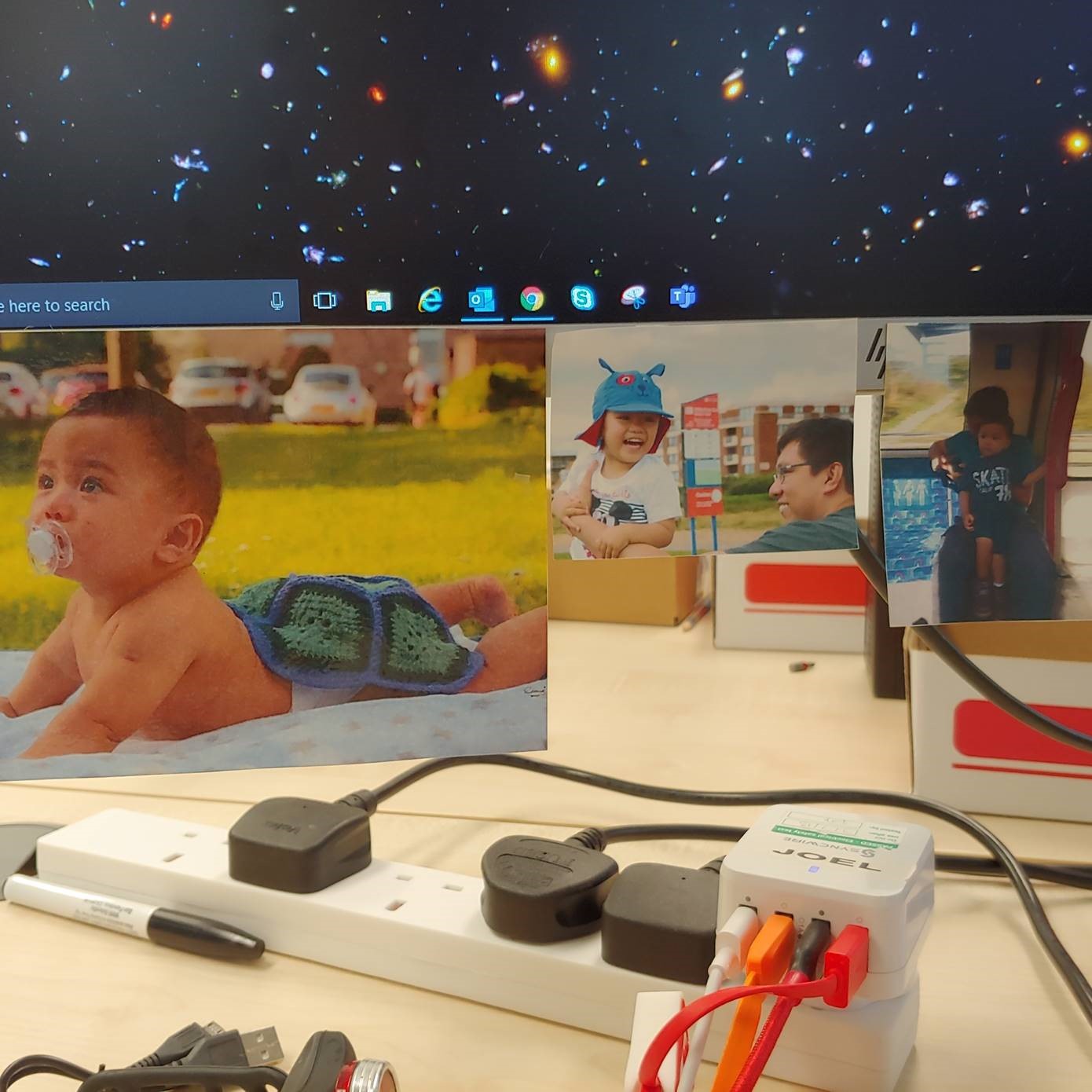
Joel: My wife and son have been very supportive during lockdown with me working from home, then coming back to campus. People who have seen my office desk, have seen my “Homer’s Maggie picture board”.
Joel has many pictures of his son stuck to his desk at work to keep him motivated on his toughest days
Kemi: What are you most looking forward to once things return to “normal”?
Joel: The Molecular Bioengineering course has been provided with its own laboratory over in RCS1. Planning the refurbishment is underway and I’m sure new and returning students for the course will be very happy to have the lab space.
#BEHuman (Bioengineering Human) is a series that profiles the academics, researchers and students that make up the Department of Bioengineering at Imperial College. Our aim is to give you an insight into the ground-breaking work that takes place in the UK’s leading bioengineering department through the eyes of the fantastic bioengineers that are advancing research frontiers, solving life sciences-related problems and creating future leaders.
The next BEhuman to be profiled is Medical Device Design and Entrepreneurship MRes student Ophelia Johnson. Ophelia enjoys weightlifting and is currently working on creating a sensor suit that she can wear to the gym to track the quality of her workouts using muscle activation data.
How did you become a Bioengineer? Helping people has always been a priority for me. I initially thought I would help change lives by becoming a medical doctor. During a shadowing experience early in my undergraduate career, I observed an orthopaedic surgery and found myself thinking more about ways to make the procedure more efficient than about the procedure itself. Could I develop a system to better organise the tools? Could I find a method for tracking the spread of bacteria to reduce the risk of infection? Could I improve the design of the surgical device to reduce operating time and cost? I realised that the best way for me to address these questions was not as a physician but as a biomedical engineer. After studying biomedical engineering for four years, I graduated with my Bachelor of Science degree and continued on through postgraduate studies.
What is your proudest professional achievement?
As an undergraduate student in the US, I led the Tau Beta Pi (TBP) Engineering Honour Society, a prestigious organisation formed by top-performing engineers. While president of TBP, I organised a partnership between the School of Engineering and a local primary school. Our mission was to expose young, minority students to science and engineering. What made me proud of forming this partnership was walking into the primary school and seeing these bright young faces bubbling with excitement to share what they all learned in our previous session. Not only did they remember the concepts we previously taught them, but also they were also eager to learn more.
What is your proudest personal achievement?
In secondary school, I started a scholarship programme with the intentions of growing it into a larger non-profit foundation that helps students reach their goals. To date, the programme has awarded scholarships to three women who have graduated with degrees in STEM fields, and we have helped five other students gain funding for their education and acceptances into postgraduate programmes.
How has being a woman shaped, influenced and impacted your career?
I am blessed to have a mother who is an engineer and who has been a mentor and role model for me. She has not only taught me the importance of perseverance but also the importance of helping other young women navigate the challenges I have overcome. Now, I am motivated to achieve greater heights in my career so that I can continue to give back and make a positive impact in more lives.
How has being a part of the Department of Bioengineering shaped your career?
I have thoroughly enjoyed my time in the Department of Bioengineering. I am completing an MRes in Medical Device Design and Entrepreneurship. The independent nature of my course, combined with the excellent mentorship and entrepreneurship lectures/case studies, provided a clearer understanding of what it means to be an entrepreneur in the medical technology sector. The business knowledge and hands-on experience I’ve gained over this past year fortified my plans to start my own med-tech company in the future.
What piece of advice would you give a 17-year-old girl that is thinking about studying Bioengineering?
Nothing can stop you if you don’t limit yourself. Continue to believe that all things are possible. This is the kind of thinking that leads to innovation. And don’t be afraid to ask questions—always ask questions, and you’ll continue to learn.
#BEHuman (Bioengineering Human) is a series that profiles the academics, researchers and students that make up the Department of Bioengineering at Imperial College. Our aim is to give you an insight into the ground-breaking work that takes place in the UK’s leading bioengineering department through the eyes of the fantastic bioengineers that are advancing research frontiers, solving life sciences-related problems and creating future leaders.
The next BEhuman to be profiled is Amna Askari, a fourth-year undergraduate student on our Biomedical Engineering (MEng) course. Amna is also a singer-songwriter and performs at gigs and open mic events. Amna also performed at this year’s Imperial Festival.
How did you become a Bioengineer? Quite randomly actually. I had no idea what I wanted to do with my life and hence was adamant on going to the US for university. When I didn’t get into the schools of my choice, I was left with my UK options (I went to high school in Pakistan). I had selected ‘Natural Sciences’ as my course of choice as it had the most versatility but Imperial was the only place that didn’t offer it. I had recently volunteered at a Cancer Ward and visited their Molecular Biology lab, which inspired me to pick ‘Biotechnology’ as my course choice at Imperial. However, around a month before receiving my A level grades, I researched more into the course and realised it was quite narrow and didn’t involve any Maths. After link hopping and opening several tabs, I stumbled upon the Bioengineering page on the Imperial website which immediately reeled me in. It seemed to have a theoretical introduction to everything, had a decent practical side to it and involved Maths too. I got a great vibe and decided to email the department and change my course choice- 4 years later I feel like it’s the best thing that ever happened to me.
What is your proudest professional achievement? Probably making ‘Therabuddy’, a prototype for an assistive device that we made as part of the HCARD course in third year. It started off just as an idea, but the four of us worked together to make into something tangible that could potentially be used by stroke patients to optimise their recovery process. It essentially integrates carrying out resistance band exercises with an electronic interface which includes a video game and a progress growth bar, which can be sent to your therapist/doctor.
What is your proudest personal achievement? I think learning how to filter the noise and listen to myself. This may sound cheesy or silly, but it really used to hold me back. I used to be very influenced by how other people felt, what they thought, or what I assumed they thought based on what they said. Over these four years at university, I’ve really learnt how to shut that off and confidently follow my own intuition. It’s obviously not perfect but by implementing this in even the littlest of things, one starts feeling a lot more in control and everything seems possible.
How has being a woman shaped, influenced and impacted your career? I think that being a woman has allowed me to develop empathy and patience, which have been quite useful when dealing with people on the professional side of things or networking. Also, the fact that women are thought to be taken not as seriously as men in technical fields really pushed me to go the extra mile in proving myself or getting better at technical tasks – even the most basic ones like fixing or assembling something completely on my own without scrambling to get my brother, father, the ‘electrician’, or another guy to help me.
How has being a part of the Department of Bioengineering shaped your career? I don’t think I would’ve been as happy at Imperial if I wasn’t part of the Bioengineering Department. It really made me feel like I had somewhere to go in times of distress, happiness, boredom, and sadness – all of it. Everyone is so supportive and is always willing to listen/share your excitement when you’ve come up with something cool or read something interesting. The research topics are so incredibly fascinating and multifaceted that you learn something great from everyone that you talk to in the department. Therefore, I have been quite confident in approaching various different kinds of companies and job opportunities, ranging from a Neuroscience PhD to Consulting. Also, every time someone asks me what I do and I say Bioengineering, their reaction is always something along the lines of “Oh Wow” or “That must be tough”, so it by default has given me a head start in most interactions.
What piece of advice would you give a 17-year-old girl that is thinking about studying Bioengineering? It’s an epic field – super interesting and loads of job prospects so good call! Make sure you do your research about what actually happens in the Bioengineering world and how you would fit in it. Imagine yourself doing some of the things that Bioengineers do and concentrate on how you feel when you do them. Basically, Google is your best friend and I would tell you to read up as much as you can on the different courses/options/modules offered at Bioengineering departments worldwide – you can start with Imperial because the department here is awesome! You need to be ready to work very hard, and switch quite quickly between different sciences e.g. Physics, Biology, Computing and Math – and in a lot of cases, use all of them at the same time.
#BEHuman (Bioengineering Human) is a series that profiles the academics, researchers and students that make up the Department of Bioengineering at Imperial College. Our aim is to give you an insight into the ground-breaking work that takes place in the UK’s leading bioengineering department through the eyes of the fantastic bioengineers that are advancing research frontiers, solving life sciences-related problems and creating future leaders.
The next BEHuman to be profiled is Mohima Ahmed, a fourth-year undergraduate student on our Biomedical Engineering (MEng course). Mohima has been recognised for her work with Apps for Good, an open-source technology education movement that partners with schools and learning centres to deliver courses to young people.
How did you become a Bioengineer? During the summer before year 13, I was still deciding what I wanted to study at university. I was lucky enough to secure a 1-week work experience placement at the Department of Bioengineering at KCL and that’s when the field caught my interest. When I felt like I really became a bioengineer was in my second year of university, where I was a part of a team that designed a squatting apparatus to help Paralympian winner Andrew Mullen train!
What is your proudest professional achievement? I was named as on of Elle Magazines “30 women under 30” who are changing the world in 2015 alongside the likes of Mhairi Black and Maisie Williams for my work with Apps for Good.
What is your proudest personal achievement?
The last time I undertook any form of strenuous physical activity was probably in year 11 GCSE. Despite this, I managed to climb Mount Snowdon last October for Imperials Charity Week with no training, and casualty free!
How has being a woman shaped, influenced and impacted your career?
Subconsciously, I guess I always had something to prove, and this made me work harder and be more tenacious – no one was going to tell me I couldn’t do something just because I was a girl. I’ve also been fortunate enough to always be surrounded by academic staff who were keen on getting more women involved in STEM, so they helped me in every step of my studies, pushed me to do physics and further maths, even when I wasn’t sure of myself.
How has being a part of the Department of Bioengineering shaped your career? Studying within our department at Imperial, I realised many things about myself – the first and foremost being that I love collaborative work. There’s nothing more enjoyable than working in a team of like-minded, yet at the same time very diverse, individuals and putting our skills together to create something completely transformative and on set to change the world. Moving forward in my career, I know that’s the kind of place I want to aim for, and to inspire future generations to continue to do so.
What piece of advice would you give a 17-year-old girl that is thinking about studying Bioengineering?
If you’re still unsure of exactly what it is you want to do, Bioengineering is great because we learn a little bit of everything, and then get the chance to further specialise halfway into the degree. We’re the Jack (or Jacqueline!) of all trades. When you do start, make no mistake, it will be hard. But you’re not finding it difficult because you’re a woman or because you’re unintelligent, you’re finding it difficult because everyone else is – yes even that one student who asks mind boggling questions every single lecture. But with determination and a great support system from your course mates and academic staff, it does get better, and perhaps even fun!
#BEHuman (Bioengineering Human) is a series that profiles the academics, researchers and students that make up the Department of Bioengineering at Imperial College. Our aim is to give you an insight into the ground-breaking work that takes place in the UK’s leading bioengineering department through the eyes of the fantastic bioengineers that are advancing research frontiers, solving life sciences-related problems and creating future leaders.
As it was International Women in Engineering Day on the 23rd June, our focus has been on celebrating the achievements of our outstanding female bioengineers.
Today’s BEhuman is Dr Claire Higgins, a lecturer who has been a part of the department since 2014. Dr Higgins’s research group aim to understand mechanisms of tissue development and regeneration, both in normal conditions and in response to disease or injury. In her spare time, Dr Higgins enjoys pottery.
How did you become a Bioengineer?
I am a biologist by training, however, I like the top down approach that engineers use in research as it increases the possibility of having translational impact. I applied for a faculty position in the Department of Bioengineering as it meant I would have to step outside of my comfort zone, and I thought this challenge would result in me doing more innovative research.
What is your proudest professional achievement?
Becoming a probationed academic in the Department of Bioengineering
What is your proudest personal achievement?
Being happily married to a very supportive husband since 2008.
How has being a woman shaped, influenced and impacted your career?
I don’t know if it has. I feel I have been treated and given opportunities in line with my male peers. While I am positive it is different at other universities, I feel that in the Department of Bioengineering, hard work and a love of science will enable success, regardless of gender.
How has being a part of the Department of Bioengineering shaped your career?
When I arrived in Bioengineering I started talking with clinicians and trying to apply a top-down approach for clinical problems, rather than the bottom up approach, which biologists tend to use. This meant I started approaching the same research questions from a different angle, which I think has given me an edge over others in my field.
What piece of advice would you give a 17-year-old girl that is thinking about studying Bioengineering?
First and foremost study something that you enjoy. Secondly, choose something which will stimulate and challenge you. It is more rewarding to achieve something after working hard for it